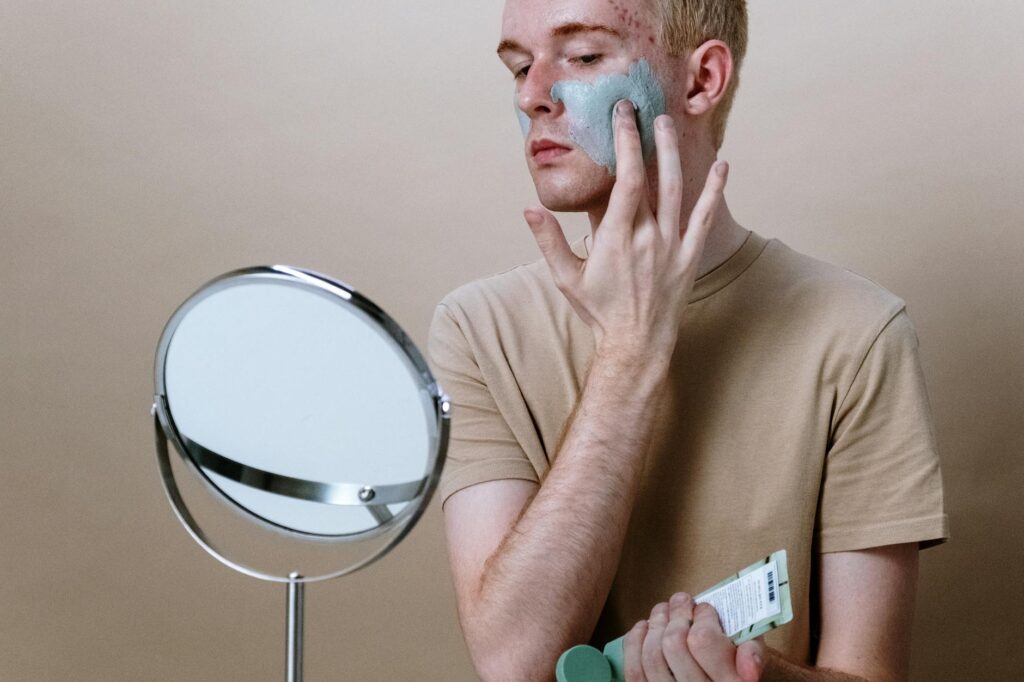
The simplest routine for acne-prone oily skin is just three products: a gentle cleanser, a non-comedogenic moisturizer, and a targeted treatment—and that’s genuinely enough. Dermatologists have moved away from the “more is better” approach because overloading your skin with products actually makes acne worse by disrupting your skin barrier. For example, if you’re using six different products trying to “fix” your oily skin, you’re likely triggering more oil production and inflammation, not less. The key is selecting the right products, using them consistently, and giving your skin time to adapt. Most people see noticeable improvement within 6 to 8 weeks when they follow a simplified routine correctly.
This article will walk you through building that minimal but effective routine, explain why less is actually more, and show you how to avoid the common mistakes that make acne-prone skin worse. The barrier between overloaded skincare and a working routine is thin, but it matters enormously. Many people think they’re helping their skin by applying clarifying masks, multiple actives, harsh scrubs, and countless serums, but that approach backfires. A 75% improvement rate in patients within 6 weeks proves that simplicity works—when the right basics are used without excess. This article will help you understand what those basics are, how to use them, and what to actually avoid even though you might think it’s necessary.
Table of Contents
- What Makes a Minimal Routine Actually Work for Oily, Acne-Prone Skin?
- Why Over-Cleansing and Over-Exfoliating Sabotage Your Skin
- Choosing the Right Active Ingredients Without Overloading
- Building Your Day and Night Routine Without Overwhelming Your Skin
- Setting Realistic Timelines and Avoiding Common Pitfalls
- Hydration as Prevention, Not Just Treatment
- Building Long-Term Skin Health Beyond Acne Control
- Conclusion
What Makes a Minimal Routine Actually Work for Oily, Acne-Prone Skin?
The reason a three-step routine works is that it targets the root causes of acne without overwhelming the skin’s protective systems. The three-step formula—cleanser, moisturizer, and treatment—addresses cleansing without overdoing it, maintains hydration so your skin doesn’t overproduce oil in response to dryness, and applies active ingredients directly where they’re needed. Cleansers containing salicylic acid or benzoyl peroxide reduce the bacteria that cause acne while removing excess oil and debris. A non-comedogenic moisturizer ensures that even oily skin stays hydrated without clogging pores.
And a treatment product—whether that’s niacinamide, low-strength salicylic acid, or a topical retinoid—keeps your skin clear without creating irritation or sensitization from using too many actives at once. The reason oily skin still needs moisturizer surprises many people, but it’s crucial. When you skip moisturizer or use only harsh products, your skin barrier becomes compromised, and your sebaceous glands respond by producing even more oil to compensate—a counterproductive cycle that leads to more breakouts. Using a non-comedogenic moisturizer actually reduces the impulse to overproduce sebum. Unlike complicated routines with multiple serums, essences, and treatments, this simplified approach gives your ingredients room to actually work without competition or layering that can cause sensitivity.
Why Over-Cleansing and Over-Exfoliating Sabotage Your Skin
Over-cleansing is one of the most common mistakes with oily, acne-prone skin. Cleansing 1 to 2 times daily is the right amount—one time at night is enough if your skin is on the drier side, but oily and acne-prone skin can tolerate twice daily without issue. However, if you’re cleansing more than twice a day, using scrubs, or over-exfoliating, you’re actually damaging your skin. The surfactants in cleansers alter your skin’s pH and disrupt the natural microbiome that protects you, compromising your skin barrier. When your barrier is stripped, your skin can’t hold hydration, irritation increases, and your oil glands respond by producing excess sebum—which means more acne, not less.
Over-exfoliation follows the same pattern but with more damage. Scrubbing hard, using grainy scrubs, or exfoliating more than 2 to 3 times per week disrupts barrier function in ways that take weeks to repair. The result is dryness, inflammation, irritation, and ironically, more breakouts from the inflammation itself. Many people treat these signs of damage as a reason to exfoliate more, which deepens the problem. The rule is simple: if your acne-prone oily skin feels tight, irritated, or produces more oil after cleansing, you’re cleansing or exfoliating too much.
Choosing the Right Active Ingredients Without Overloading
The most effective actives for oily, acne-prone skin are niacinamide and low-strength salicylic acid, which regulate oil production and reduce redness without overwhelming the skin. If you’re adding something more potent, topical retinoids are dermatologist-recommended because they regulate skin cell turnover, keep pores clear, reduce future breakouts, and help prevent scarring—but retinoids require a gradual introduction to your routine, starting slowly and building up tolerance over weeks. The mistake people make is combining multiple actives at high strengths, thinking it will clear acne faster; instead, it causes irritation, barrier damage, and more inflammation.
A realistic example: if you introduce a retinoid, you should typically use it alone as your main active treatment for at least 4 to 8 weeks before adding anything else powerful to your routine. Pairing a retinoid with high-dose vitamin C, multiple acids, or other intensive treatments just creates irritation. The power is in consistency and patience, not in combining everything at once. Start with one active, use it regularly, and assess results before adding layers.
Building Your Day and Night Routine Without Overwhelming Your Skin
A simple day routine looks like this: cleanse with a salicylic acid or benzoyl peroxide cleanser, apply a non-comedogenic moisturizer, and finish with broad-spectrum SPF 30 or higher. That’s it. The sunscreen step is non-negotiable for everyone, not just people using actives, because UV damage increases acne scars’ visibility and can worsen hyperpigmentation. At night, you can expand slightly: cleanse, apply your treatment product if using one (like a retinoid or low-strength salicylic acid), apply moisturizer, and wait for each step to dry before moving to the next.
This prevents pilling and ensures each product absorbs properly. The trade-off is that this routine is less “customizable” than complicated regimens, but that’s the point. The constraint forces you to actually do it every single day without skipping steps, which is what drives results. Compared to an eight-step routine that people abandon after three weeks, a three-to-five-step routine is easier to maintain, costs less, and works better because consistency matters more than complexity.
Setting Realistic Timelines and Avoiding Common Pitfalls
Most routines take 6 to 8 weeks to show noticeable improvement, which is longer than many people expect. The 75% improvement rate within 6 weeks comes from patients who stuck with appropriate treatments without switching products weekly or adding more products to “speed up” results. The pitfall is seeing initial minor improvements at week three, then getting impatient and adding more treatments, which resets your skin’s adjustment period. Every time you introduce a new product, your skin needs a 2 to 4 week adjustment period to show whether it’s truly helping or not.
If you’re constantly switching, you never actually give your skin a chance to improve. Another pitfall is assuming that if a little bit of an active is good, more must be better. Doubling your salicylic acid concentration, using retinoids daily before your skin is ready, or layering multiple actives doesn’t accelerate results—it damages your barrier and worsens acne. Patience with a simple, consistent routine beats aggression every time with oily, acne-prone skin.
Hydration as Prevention, Not Just Treatment
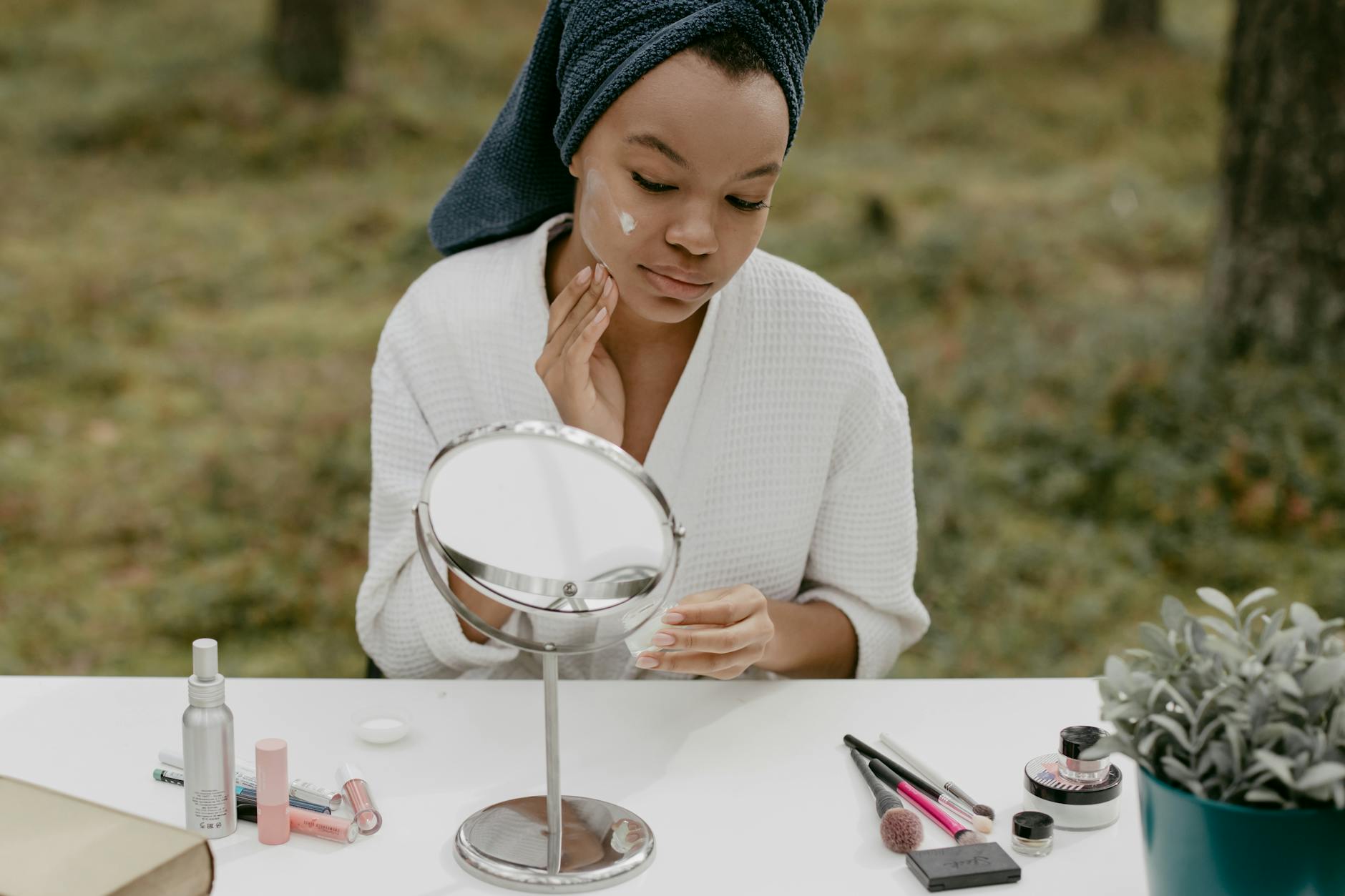
Hydration isn’t just about comfort; it’s about prevention. When oily skin is dehydrated, your oil glands compensate by producing more sebum, which clogs pores and creates an environment where acne bacteria thrive. Using a non-comedogenic moisturizer addresses this directly.
The moisturizer should feel lightweight, absorb quickly, and not leave a greasy residue—but it should absolutely hydrate. Lightweight hydrators like lotions or water-based moisturizers work better for oily skin than heavy creams, but the moisturizer must be present in your routine, not optional. An example of what this looks like: CeraVe Foaming Cleanser followed by CeraVe PM Lightweight Moisturizer is a classic combination because it cleanses without stripping and hydrates without clogging. The point is that hydration prevents acne more effectively than over-treating oily skin as if it’s the enemy.
Building Long-Term Skin Health Beyond Acne Control
Once your acne is under control with a simple routine, the goal shifts to maintaining clear skin and preventing future breakouts. This is where a simple routine also wins—it’s sustainable for years without damaging your skin or your budget. Complicated routines often create sensitized, reactive skin over time because the skin barrier is constantly stressed. A minimal routine can be maintained indefinitely without that risk.
As your skin clears, you might experiment with adding a gentle treatment like a light exfoliating acid once or twice a week, but only if your skin is stable and your barrier is healthy. The framework stays the same: cleanse, treat, moisturize, protect. The future of acne-prone skin care is moving toward this minimalist, barrier-focused approach because dermatology evidence supports it. Long-term skin health comes from simplicity, consistency, and respecting your skin barrier—not from chasing the next trending product.
Conclusion
Building a simple routine for acne-prone oily skin means committing to three core products: a cleanser with salicylic acid or benzoyl peroxide, a non-comedogenic moisturizer, and a targeted treatment if needed. Expect 6 to 8 weeks of consistent use before judging results, and avoid the temptation to add more products, increase concentrations, or switch treatments too frequently. The barrier between a working routine and a sabotaged one is actually quite thin—and it’s mostly determined by what you *don’t* do: don’t over-cleanse, don’t over-exfoliate, don’t layer multiple intense actives, and don’t skip the moisturizer even though your skin is oily.
Start with the basics, stay consistent, and give your skin the time and stability it needs to heal. Most acne-prone, oily skin responds dramatically to this approach because it finally removes the irritation and barrier damage that were perpetuating breakouts. Your skin wants to be clear; you’re just removing the obstacles that were preventing it.