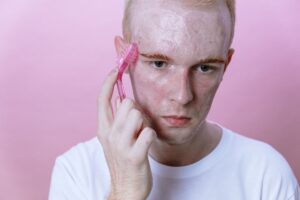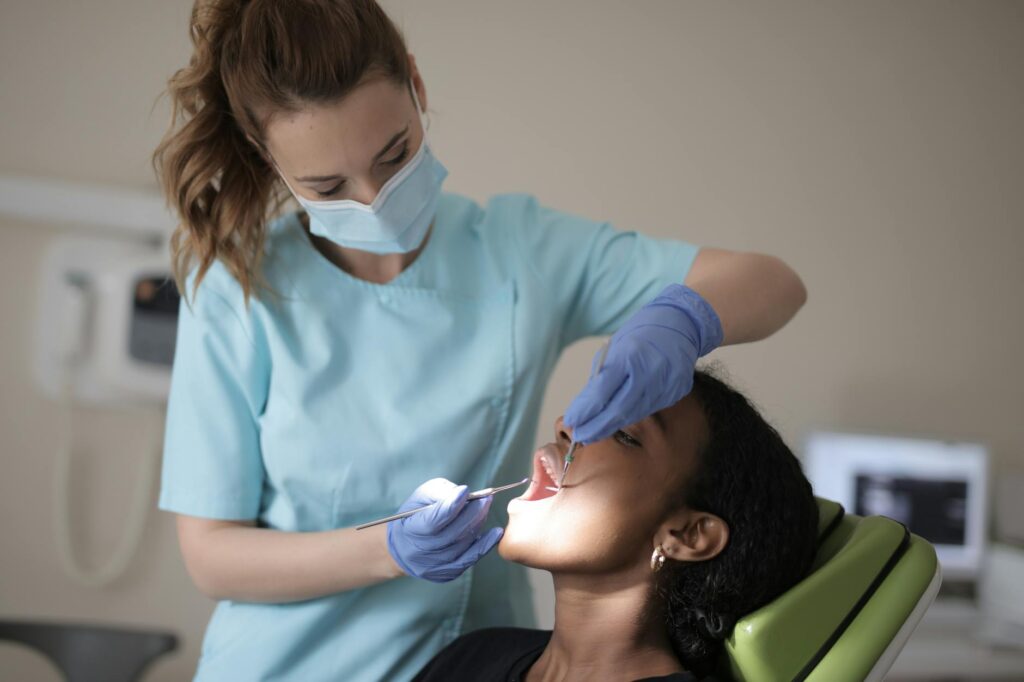
Professional extractions are better than DIY blackhead removal for one straightforward reason: dermatologists and licensed aestheticians use sterile instruments, proper technique, and clinical judgment that dramatically reduce your risk of scarring, infection, and making the problem worse. When you squeeze a blackhead at home, you are often pushing bacteria and debris deeper into the pore, which according to the American Academy of Dermatology creates larger, more inflamed lesions that heal slowly and are far more likely to leave permanent marks. A dermatologist, by contrast, assesses your skin before touching it, selects the right tool for the job, and extracts the contents of a clogged pore without damaging the surrounding tissue. Consider someone who spent months using a metal comedone extractor purchased online, pressing it against their nose and chin every few days.
The blackheads kept returning, and eventually the repeated mechanical trauma left a constellation of small scars and broken capillaries that cost far more to treat than professional extractions would have in the first place. This is not an unusual outcome. Research published in the Journal of Drugs in Dermatology found that 43 percent of acne patients evaluated by dermatologists already had scarring, and a 2023 meta-analysis of 37 studies placed the pooled prevalence of acne scarring even higher, at 47 percent. This article breaks down exactly what goes wrong with DIY extraction methods, what professionals do differently, the real costs involved, and how to decide whether professional treatment is worth it for your skin.
Table of Contents
- What Makes DIY Blackhead Removal So Risky Compared to Professional Extractions?
- The Scarring Risk Most People Underestimate
- What Actually Happens During a Professional Extraction
- How Much Do Professional Extractions Actually Cost?
- When DIY Methods Can Still Go Wrong Even With Good Technique
- Building a Routine That Reduces the Need for Extractions
- Where Professional Skincare Is Heading
- Conclusion
- Frequently Asked Questions
What Makes DIY Blackhead Removal So Risky Compared to Professional Extractions?
The core problem with squeezing blackheads at home is physics. When you apply pressure to a clogged pore with your fingers or a tool you bought at a drugstore, the force does not push contents neatly upward and out. It disperses in all directions. Cleveland Clinic dermatologists have explained that popping a pimple pushes pus, bacteria, and inflammation deeper inside the skin, making scarring and post-inflammatory marks significantly more likely. The AAD echoes this, warning that squeezing can turn a minor blackhead into a larger, inflamed lesion that takes weeks to resolve. Then there is the equipment issue. DIY extraction tools cause mechanical trauma to the skin, including cuts, tissue damage, and potential scarring, according to reporting by Refinery29 that consulted dermatologists on the topic.
These instruments are difficult to properly sterilize at home. A professional autoclave reaches temperatures that kill bacteria and viruses in ways that wiping a tool with rubbing alcohol simply cannot match. Every time you reuse a tool that has not been properly sterilized, you risk introducing bacteria from a previous session directly into an open pore. Pore strips present their own set of problems. While they seem gentler than metal tools, pore strips left on too long can rip off the top layer of skin, causing barrier damage, as NBC News has reported. Even when used correctly, they provide only temporary removal and do nothing to prevent new blackheads from forming. Dermatologists recommend limiting pore strip use to once per week at most to avoid chronic irritation. For people who rely on them as a primary treatment, the strips become a cycle of temporary relief and recurring frustration.

The Scarring Risk Most People Underestimate
Scarring is the consequence that turns a cosmetic annoyance into a long-term problem, and most people dramatically underestimate how common it is. Fifty million Americans have acne, and roughly 15 percent of them develop scarring severe enough to require treatment, according to compiled dermatology statistics. That translates to approximately 7.5 million people dealing with scars that could have been mitigated or prevented with earlier, more careful intervention. What makes this particularly relevant to DIY extraction is the timeline. Research reviewed by NICE found that delayed treatment of three or more years doubles the risk of scarring, with an odds ratio of 2.8. Severe acne increases scarring risk by 6.5 times.
When someone spends years managing blackheads at home with aggressive squeezing, they are not just failing to treat the underlying problem — they are actively increasing the odds that their skin will scar. Each session of forceful extraction creates micro-injuries that accumulate over time. However, it is worth noting that not every blackhead poses the same risk. Shallow, surface-level blackheads on the nose are less likely to scar from gentle extraction than deep, embedded comedones on the cheeks or jawline. If you have occasional blackheads in low-risk areas and you use a properly cleaned comedone extractor with minimal pressure, the danger is lower than if you are attacking inflamed or deep lesions. The trouble is that most people do not make this distinction and apply the same technique everywhere.
What Actually Happens During a Professional Extraction
A professional extraction session looks nothing like the bathroom mirror ritual most people are familiar with. Dermatologists and licensed aestheticians begin with a skin assessment, examining the type, depth, and distribution of comedones to determine the best approach. According to U.S. Dermatology Partners, this preliminary evaluation is a critical step that DIY extraction completely skips, because the treatment for a blackhead differs from the treatment for a closed comedone, a milia, or an inflamed papule that merely looks like a blackhead. The extraction itself uses specialized comedone extractors designed to apply even, controlled pressure that opens the pore and removes its contents without damaging the surrounding tissue. Forefront Dermatology notes that professional extractions provide near-immediate results precisely because the technique is calibrated to the pore’s size and depth.
The provider may use a small lancet to create a micro-opening in the skin surface before applying the extractor, which reduces the force needed and minimizes bruising. Everything is performed with sterile instruments under proper lighting, often with magnification. What happens after the extraction matters just as much. Once pores are cleared, skincare products absorb more effectively. Retinoids, salicylic acid, and other topical treatments that previously sat on top of plugged pores can now penetrate and work as intended. This is why many dermatologists pair extractions with a tailored topical regimen. The AAD’s 2024 updated acne guidelines, published in the Journal of the American Academy of Dermatology, strongly recommend benzoyl peroxide, topical retinoids, and topical antibiotics as first-line treatments, with professional interventions reserved for cases at risk of scarring.

How Much Do Professional Extractions Actually Cost?
Cost is the main reason people avoid professional extractions, and the numbers are real. Professional facial extractions cost between $80 and $325 on average when bundled with a facial treatment, according to 2026 data from Yelp’s cost guide. Dermatologist-performed extractions tend to start at the higher end of that range, from $125 to $325 per session, while aesthetician facials with extractions start around $80. The average facial in 2025 ranges from $50 for a basic spa treatment to $550 for medical-grade procedures, with most falling in the $150 to $200 range. Maintenance is where the expense adds up. Most professionals recommend sessions every four to six weeks, which works out to roughly $685 to $4,225 per year depending on the provider and the extent of treatment.
Insurance typically does not cover extraction treatments because they are classified as elective or cosmetic. For someone on a tight budget, that annual cost is a legitimate barrier. The tradeoff worth calculating, though, is what DIY damage actually costs to fix. Treating acne scars with laser resurfacing, microneedling, or chemical peels runs anywhere from $200 to $3,000 per session, often requiring multiple sessions. A single course of scar treatment can easily exceed the annual cost of preventive professional extractions. This does not make professional extractions cheap, but it reframes the expense as potentially the less costly option over a five- or ten-year horizon for people prone to scarring.
When DIY Methods Can Still Go Wrong Even With Good Technique
Even people who research proper extraction technique and invest in quality tools run into problems that are difficult to solve outside a clinical setting. The most common is misidentification. What looks like a blackhead may actually be a sebaceous filament, a normal feature of the skin that refills within days of removal and should generally be left alone. Repeatedly extracting sebaceous filaments leads to enlarged pores and chronic irritation without any lasting improvement. Another issue is the feedback loop of over-extraction. When someone clears their blackheads at home and sees immediate results, the temptation is to repeat the process frequently.
But extraction is a form of controlled trauma to the skin. Done too often, it disrupts the skin barrier, increases oil production as the skin compensates, and can trigger an inflammatory response that produces more breakouts than it resolves. This is the same reason dermatologists warn against using pore strips more than once a week — the short-term satisfaction masks long-term damage to the skin’s protective layer. There is also the matter of what you cannot see. A professional working under magnification can distinguish between a pore that will extract cleanly and one that is too deep or too inflamed to safely treat that day. At home, you are working with a bathroom mirror and overhead lighting, which means you are far more likely to attempt extractions on lesions that should be left alone or treated with medication instead.
Building a Routine That Reduces the Need for Extractions
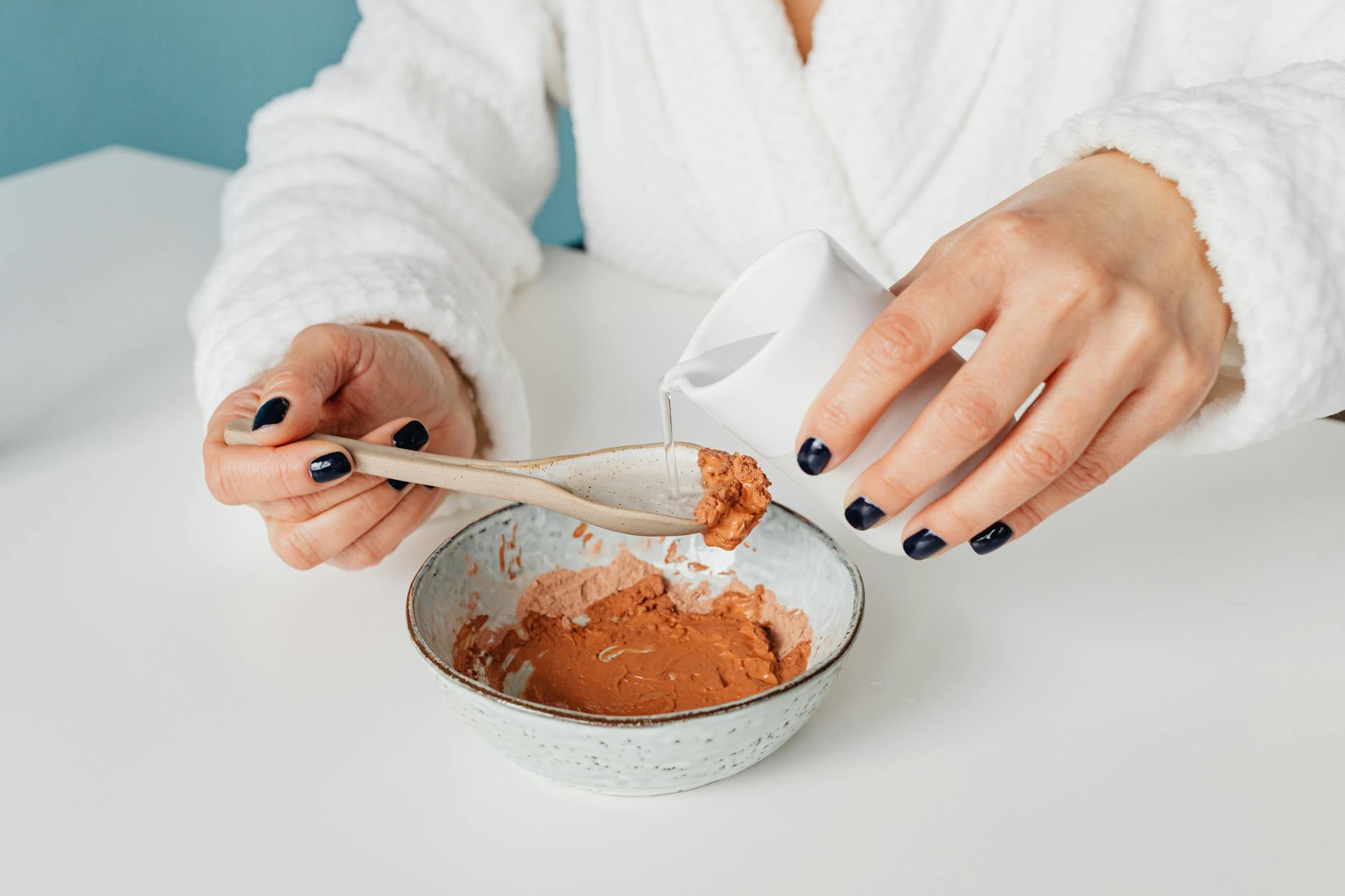
The most cost-effective approach to blackheads is reducing how many form in the first place, which diminishes the need for both professional and DIY extraction. A daily regimen built around the AAD’s first-line recommendations — benzoyl peroxide to kill bacteria, a topical retinoid to increase cell turnover and prevent pore plugging, and salicylic acid to dissolve the sebum and dead skin cells that create comedones — can substantially reduce blackhead formation over eight to twelve weeks.
For someone who currently extracts blackheads at home weekly, a realistic transition plan might involve scheduling one professional extraction session to clear existing comedones, then starting a retinoid and salicylic acid regimen to slow recurrence. Follow-up professional sessions every six to eight weeks can address any new comedones that topical treatment does not prevent, while the daily routine does the heavy lifting between appointments.
Where Professional Skincare Is Heading
The gap between professional and DIY extraction is likely to widen, not narrow. Dermatology practices are increasingly integrating extraction sessions with combination therapies — pairing manual extraction with chemical peels, LED therapy, or prescription-strength topicals applied immediately after clearing the pores, when absorption is highest.
This bundled approach addresses blackheads at multiple levels simultaneously, something no at-home routine can replicate. At the same time, the updated AAD guidelines signal a broader shift toward earlier, more proactive professional intervention for acne at all severity levels, particularly for patients with risk factors for scarring. As awareness grows that delayed treatment doubles scarring risk, more people may seek professional care sooner rather than spending years managing blackheads on their own and arriving at a dermatologist’s office only after the damage is done.
Conclusion
DIY blackhead removal is tempting because it is free, immediate, and feels productive. But the evidence consistently shows that it carries real risks — pushing bacteria deeper, causing mechanical trauma, damaging the skin barrier, and increasing the likelihood of permanent scarring. Professional extractions are performed with sterile instruments, proper technique, and clinical judgment that accounts for the type and depth of each comedone.
They also create the conditions for topical treatments to work more effectively by clearing the pores those treatments need to reach. The cost of professional extractions is not trivial, ranging from roughly $80 to $325 per session and potentially thousands per year for ongoing maintenance. But weighed against the cost of treating scars caused by years of aggressive DIY removal, professional care is often the more economical choice over time. If budget is a concern, even a single professional session combined with a solid daily regimen of retinoids, benzoyl peroxide, and salicylic acid will put you in a far better position than a metal loop and a magnifying mirror.
Frequently Asked Questions
Can I do my own blackhead extractions safely at all?
For shallow, surface-level blackheads — particularly on the nose — gentle extraction with a properly sterilized comedone extractor and minimal pressure carries lower risk. However, the AAD still recommends against self-extraction because most people apply too much force, use improperly sterilized tools, and cannot distinguish between lesion types. If you do extract at home, never attempt deep or inflamed lesions.
How often should I get professional extractions?
Most dermatologists and aestheticians recommend every four to six weeks for active blackhead concerns. Once your skin is clearer and you have an effective daily regimen in place, you may be able to extend that to every eight to twelve weeks for maintenance.
Will insurance cover professional extractions for blackheads?
Generally no. Extractions are classified as elective or cosmetic procedures by most insurers. However, if your dermatologist documents that extractions are medically necessary as part of an acne treatment plan to prevent scarring, some plans may provide partial coverage. It is worth asking your provider to submit a prior authorization.
Are pore strips a safe alternative to squeezing?
Pore strips are safer than squeezing, but they have significant limitations. They provide only temporary removal, do not prevent new blackheads, and can damage the skin barrier if used too frequently or left on too long. Limit use to once per week and do not rely on them as a primary treatment.
Do professional extractions hurt?
There is typically mild discomfort, particularly around sensitive areas like the nose and chin. Most patients describe it as brief pressure rather than sharp pain. Professionals often steam the skin or apply a warm compress beforehand to open pores, which reduces both the force needed and the discomfort involved.
At what point should I see a dermatologist instead of an aesthetician for extractions?
If you have deep or inflamed comedones, a history of scarring, or acne that has not responded to over-the-counter treatments for three months or more, a dermatologist is the better choice. Aestheticians are well-suited for maintenance extractions on non-inflamed blackheads, but a dermatologist can prescribe medications and assess whether your acne requires a more aggressive treatment plan.