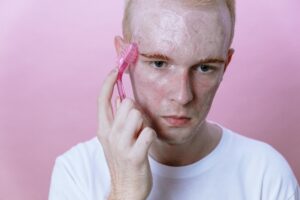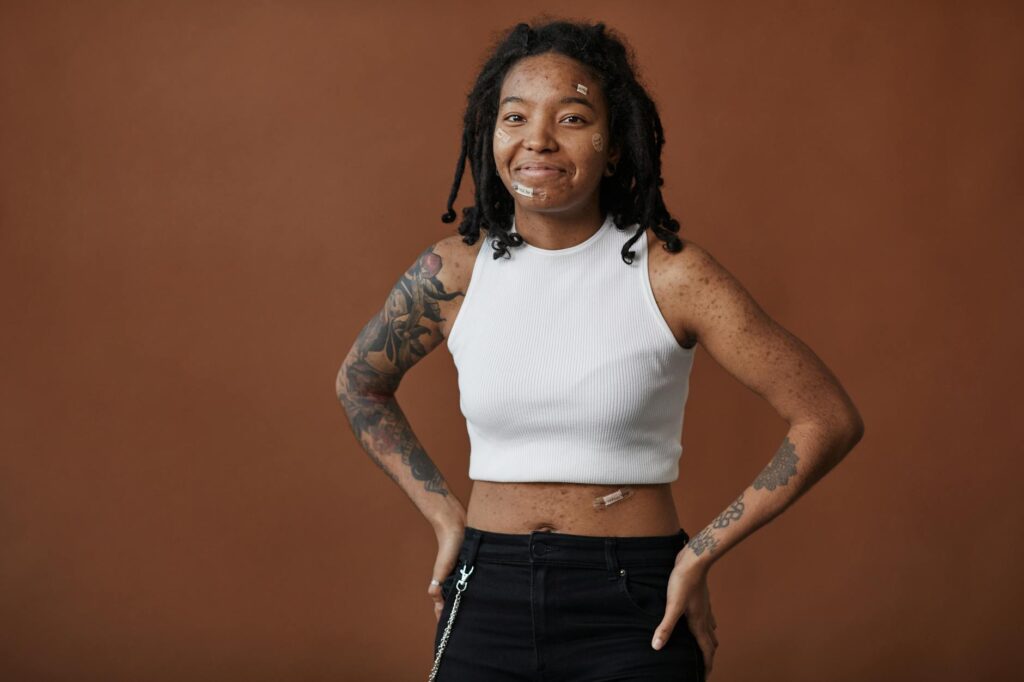
Acne positivity matters for long-term skin confidence because it breaks the psychological cycle where shame about breakouts leads to stress, which triggers more breakouts, which deepens the shame. When people stop treating acne as a personal failing and start treating it as a common skin condition that affects roughly 85 percent of people between ages 12 and 24, they remove one of the biggest barriers to both emotional wellbeing and consistent skincare. A 2018 study published in the British Journal of Dermatology found that acne patients with higher self-compassion scores were significantly more likely to stick with treatment regimens and report better outcomes over a 12-month period, not because the treatments worked differently, but because these patients approached their skin without the paralyzing frustration that causes so many others to give up or switch products every two weeks. This does not mean ignoring acne or pretending breakouts are irrelevant. Acne positivity, when it actually works, sits in the space between obsessive skin perfection and total neglect.
It means you can pursue treatment without hating your face in the meantime. Consider the experience of someone like content creator Lou Northcote, who launched the #freethepimple movement in 2018 after years of canceling plans over cystic breakouts. Her point was never that acne is beautiful or that treatment is unnecessary. It was that waiting until your skin is clear to live your life is a trap that costs you years. That distinction matters, and this article will explore how acne positivity actually functions as a long-term strategy, where it has real limits, and how to build genuine skin confidence that does not depend on having a perfect complexion.
Table of Contents
- How Does Acne Positivity Build Lasting Skin Confidence?
- What Acne Positivity Actually Means and Where People Get It Wrong
- The Mental Health Cost of Skin Perfectionism
- How to Practice Acne Positivity Without Abandoning Your Skincare Routine
- When Acne Positivity Is Not Enough and Professional Help Is Needed
- The Role of Representation in Normalizing Real Skin
- Where Acne Positivity Goes From Here
- Conclusion
- Frequently Asked Questions
How Does Acne Positivity Build Lasting Skin Confidence?
The connection between acne positivity and lasting confidence is not just motivational talk. It is rooted in how chronic stress affects skin physiology. When someone feels intense shame or anxiety about their acne, cortisol levels rise. Elevated cortisol increases sebum production, impairs the skin barrier, and slows wound healing, all of which make existing acne worse and new breakouts more likely. A person caught in this loop often develops what dermatologists call skin-picking disorder or excoriation, compulsively touching, squeezing, or covering their skin in ways that cause scarring and inflammation far beyond what the original acne would have produced. Acne positivity interrupts this loop not by eliminating the desire for clear skin, but by lowering the emotional stakes enough that someone can engage with their skin rationally rather than reactively. Compare two common approaches. One person wakes up with a new breakout and spirals: they skip a social event, spend an hour researching new products, order three different spot treatments, and apply all of them aggressively that night, irritating their skin further.
Another person wakes up with the same breakout, feels disappointed but not devastated, applies their usual treatment, and goes about their day. Over six months, the second person will almost certainly have better skin outcomes, not because they care less, but because they are not sabotaging their own routine through panic-driven product hopping and emotional avoidance. This is the mechanical advantage of acne positivity. It is not about feelings for their own sake. It is about what steady, non-panicked behavior does for your skin over time. The research supports this. A 2021 study in the Journal of the American Academy of Dermatology found that patients who reported high levels of appearance-related distress were 2.4 times more likely to discontinue prescribed acne treatments within the first three months. They were also more likely to seek out unregulated products or extreme measures like unsupervised chemical peels. Confidence, even partial confidence, acts as a stabilizer that keeps people on effective treatment plans long enough for those plans to work.
What Acne Positivity Actually Means and Where People Get It Wrong
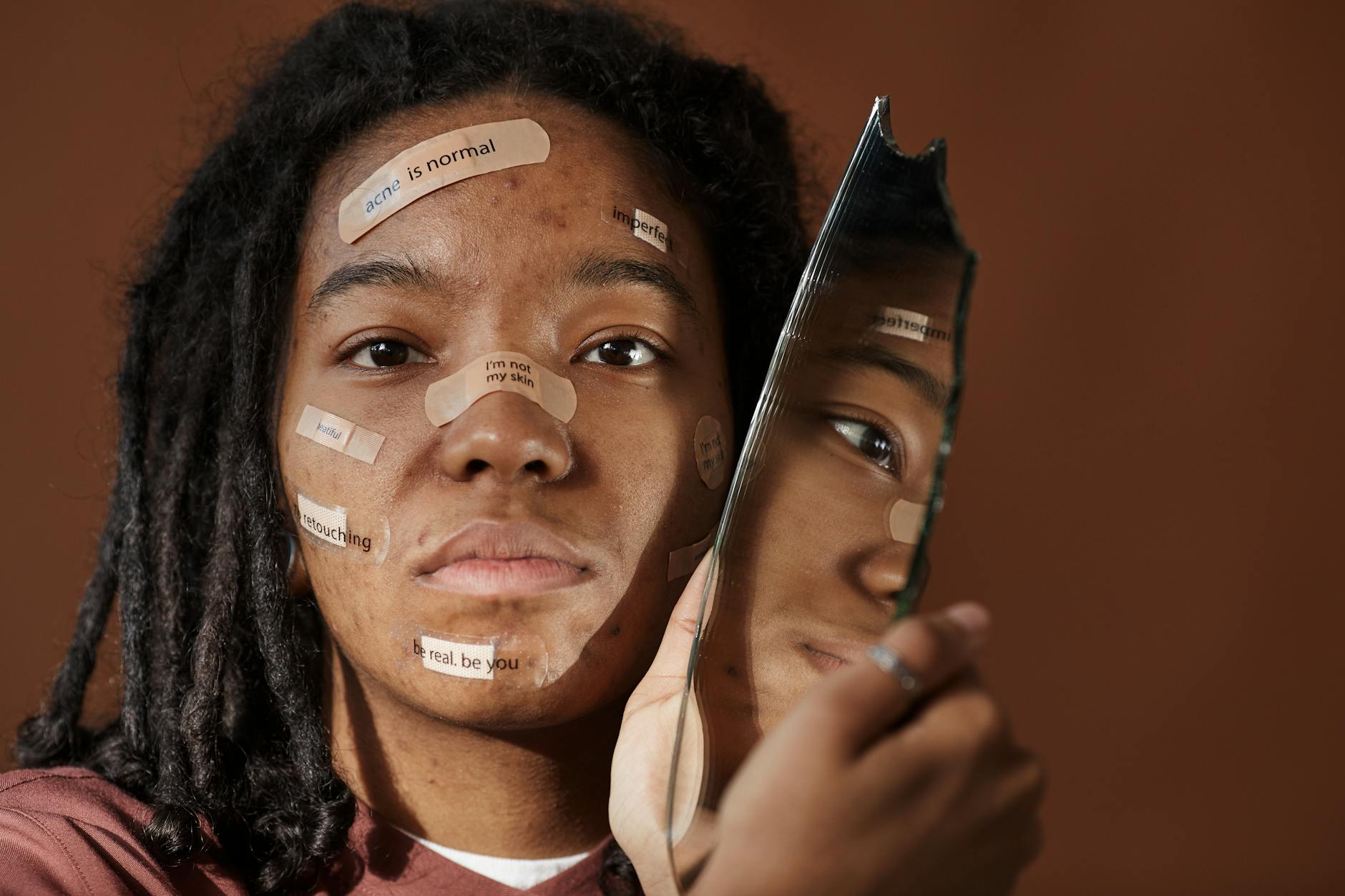
The most common misunderstanding about acne positivity is that it means celebrating acne or refusing treatment. This interpretation shows up in online arguments constantly, and it misrepresents what most advocates are actually saying. Acne positivity, in practice, means decoupling your self-worth from your skin condition. You can want clear skin, pursue treatment, and still refuse to believe that breakouts make you less valuable, less attractive, or less deserving of showing up in public. These are not contradictory positions. You can want to lose weight and still refuse to hate your body at its current size. The logic is the same. However, if someone uses acne positivity as a reason to avoid addressing skin concerns that are medically significant, that is a problem.
Severe cystic acne can cause permanent scarring, and some forms of acne are symptoms of underlying hormonal conditions like polycystic ovary syndrome that benefit from medical intervention. A person who avoids seeing a dermatologist because they feel social pressure to perform acceptance is not practicing genuine positivity. They are swapping one form of external pressure for another. Real acne positivity should make it easier to seek treatment, not harder, because you are approaching the dermatologist’s office from a place of self-care rather than self-loathing. There is also a limit to what positivity alone can accomplish. For someone with mild comedonal acne, a shift in mindset might be genuinely transformative. For someone with painful, nodular acne that makes it difficult to sleep on one side of their face, telling them to just feel better about it is dismissive. Acne positivity works best as a complement to appropriate treatment, not as a replacement. The goal is to remove the emotional suffering that sits on top of the physical condition, not to pretend the physical condition does not exist.
The Mental Health Cost of Skin Perfectionism
The pressure to have flawless skin has measurable psychiatric consequences that go far beyond everyday insecurity. A large-scale 2018 study in the British Journal of Dermatology analyzing over 134,000 patients found that people with acne had a 63 percent increased risk of developing major depression compared to those without acne. This is not simply feeling sad about a breakout. This is clinical depression severe enough to meet diagnostic criteria, and the risk persisted even after controlling for age, sex, and socioeconomic status. Consider what skin perfectionism looks like in daily life. Someone with this mindset checks their face in every reflective surface. They cancel plans based on how their skin looks that morning. They spend hundreds or thousands of dollars annually on products they saw in a 30-second video. They photograph their face daily to track every pore.
They compare their unfiltered skin to the filtered skin they see online and conclude something is deeply wrong with them. This is not vanity. It is a behavioral pattern that shares significant overlap with body dysmorphic disorder, and dermatologists are increasingly screening for it. A 2020 survey in JAMA Dermatology found that roughly 9 to 15 percent of dermatology patients meet criteria for body dysmorphic disorder, a rate dramatically higher than the general population prevalence of around 2 percent. Acne positivity, at its most useful, functions as a form of cognitive restructuring. It challenges the assumption that clear skin is the prerequisite for a good life and replaces it with a more realistic framework: that skin fluctuates, that breakouts are normal, and that your worth is not determined by something controlled largely by hormones, genetics, and bacteria. This is not radical. It is what most people intellectually believe already. The difficulty is making it feel true when you are staring at a new cyst in the bathroom mirror at seven in the morning.
How to Practice Acne Positivity Without Abandoning Your Skincare Routine
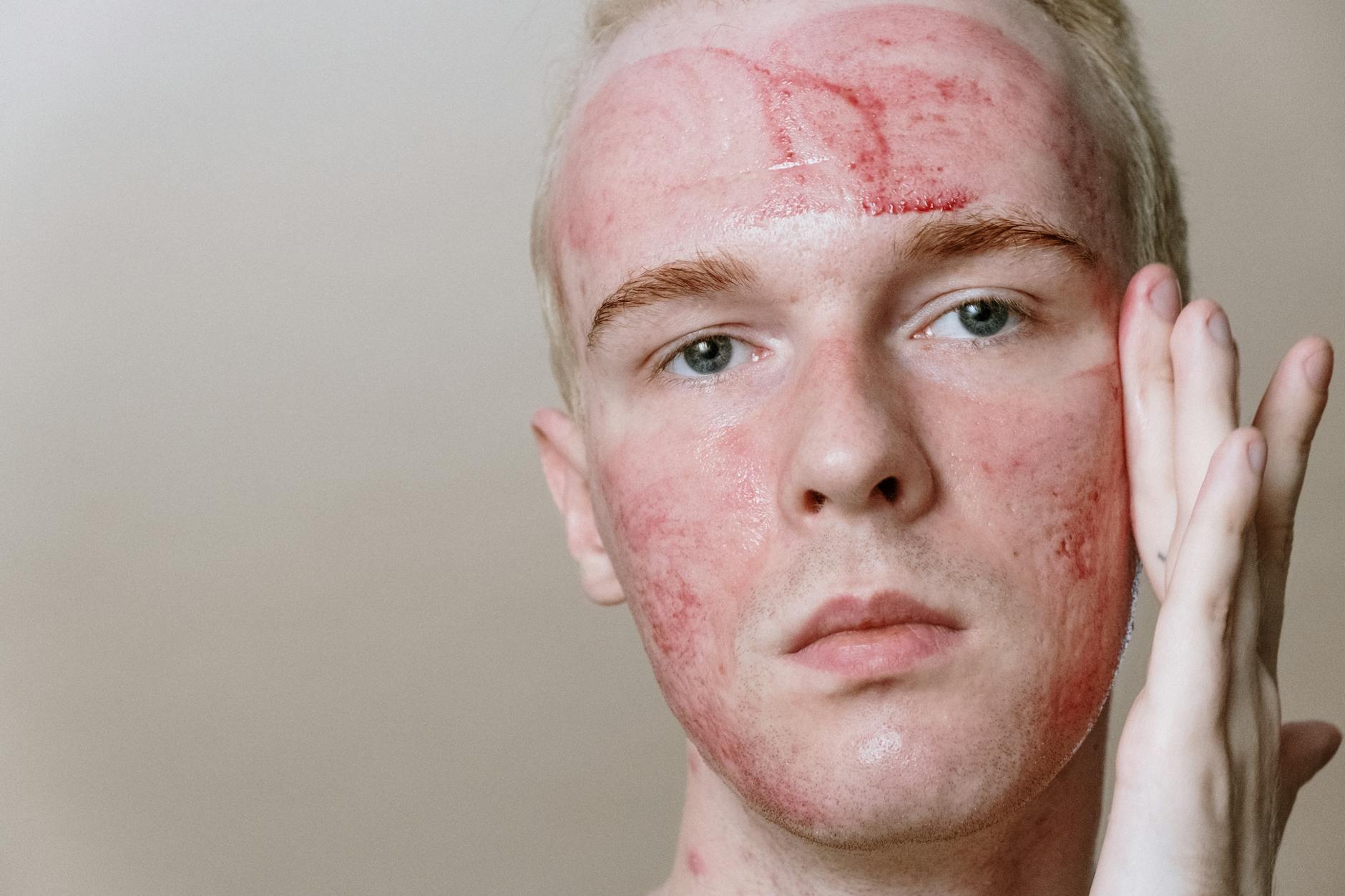
The practical application of acne positivity involves specific behavioral shifts, not just a vague intention to feel better. The first and most impactful change is separating your skincare routine from your emotional state. This means doing your routine the same way whether your skin looks great or terrible that day. No adding extra products when you break out. No skipping routine steps because you feel hopeless about your skin. Consistency is the single most important factor in topical skincare efficacy, and emotional reactivity is the single biggest threat to consistency. The tradeoff here is between the short-term satisfaction of aggressive intervention and the long-term benefits of steady maintenance. When you get a breakout and immediately apply a benzoyl peroxide spot treatment, a salicylic acid serum, a clay mask, and a retinoid all in the same night, you feel like you are doing something. But what you are actually doing is compromising your moisture barrier, which will lead to more inflammation, more sensitivity, and likely more breakouts within the following week.
The acne-positive approach says: the breakout is not an emergency. Treat it within the bounds of your existing routine. If your routine is not working over a period of months, adjust it methodically with professional guidance, not in a moment of frustration at 11 p.m. A second practical strategy is curating your media exposure. Unfollow accounts that make you feel worse about your skin. This is not about avoiding skincare content entirely. It is about noticing which accounts leave you feeling informed and which leave you feeling inadequate. Accounts that show only perfect skin, before-and-after transformations with professional lighting changes, or that promote the idea that the right product will solve everything are not educational. They are advertising. Replace them with dermatologists who show realistic outcomes and creators who document their skin journeys without filters.
When Acne Positivity Is Not Enough and Professional Help Is Needed
There is a point where mindset work reaches its limit, and recognizing that point is important. If acne is causing significant pain, leaving scars, or resisting over-the-counter treatments after three to four months of consistent use, a dermatologist visit is not optional. Prescription treatments like topical retinoids, oral antibiotics, spironolactone, or isotretinoin exist because some acne is driven by factors that no amount of positive thinking or drugstore products will address. Delaying professional treatment in the name of acceptance can result in scarring that becomes its own source of distress for years afterward. Similarly, if the emotional toll of acne has crossed from frustration into persistent depression, social withdrawal, or suicidal ideation, acne positivity as a social media movement is not equipped to help. These are clinical concerns that require professional mental health support.
A 2019 review in Clinical, Cosmetic and Investigational Dermatology emphasized that dermatologists should routinely screen for depression and anxiety in acne patients and that psychodermatology, a field combining dermatological and psychological treatment, produces better outcomes than treating either condition in isolation. The warning here is about using positivity as a delay tactic. It is easy to tell yourself you should just accept your skin when the real reason you are not seeing a doctor is anxiety about the appointment, cost concerns, or fear of being told to take medication. Acne positivity should clear the path to treatment by removing shame, not block the path by substituting acceptance for action. If your acne is getting worse, spreading, or scarring, make the appointment. You can feel fine about your skin and still pursue medical treatment. Those things are not in conflict.
The Role of Representation in Normalizing Real Skin
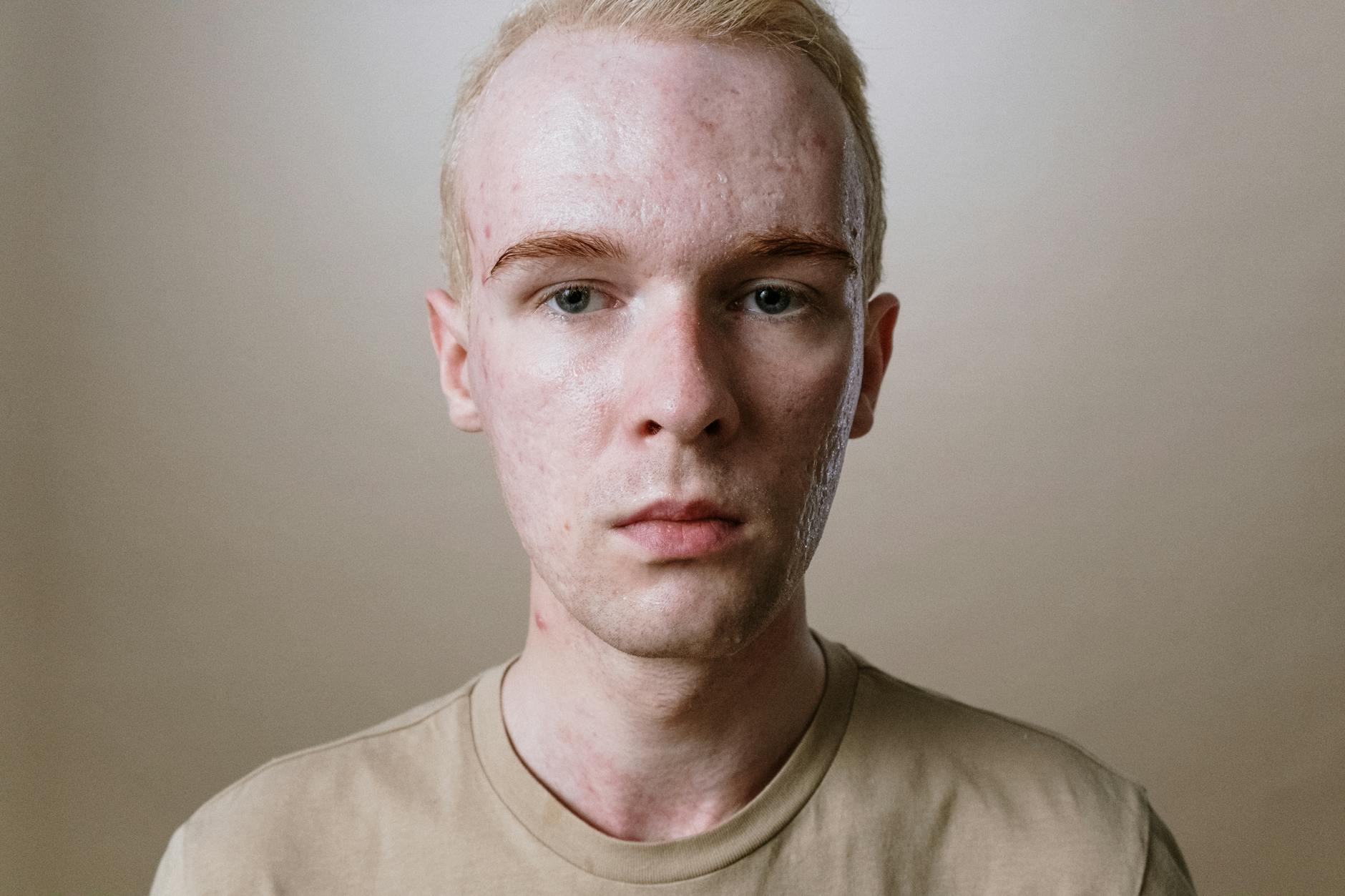
Representation has shifted significantly in recent years, and the effects are measurable. When Rihanna launched Fenty Skin in 2020, the campaign included models with visible acne and hyperpigmentation, a choice that was considered unusual enough to generate press coverage. By 2023, brands like CeraVe, The Ordinary, and La Roche-Posay were routinely featuring unretouched skin in advertisements. Justin Bieber posted unfiltered photos of his acne in 2023 and received widespread support rather than ridicule.
These individual moments matter less than the cumulative effect: each one slightly adjusts what people expect skin to look like. The impact on younger demographics appears to be real. A 2022 survey by the skincare platform Skin Trust Club found that Gen Z respondents were 34 percent less likely than millennials to describe acne as embarrassing and 28 percent more likely to describe it as normal. This does not mean Gen Z has solved skin insecurity, but it suggests a directional shift that, if sustained, could reduce the psychiatric burden of acne for future generations.
Where Acne Positivity Goes From Here
The most promising development is the growing integration of psychological support into dermatological care. Psychodermatology clinics, once rare and mostly academic, are expanding in the UK and beginning to appear in the US. These clinics treat skin and mind simultaneously, which the research consistently shows produces better outcomes on both fronts. As insurance coverage and telehealth access improve, this model could become standard rather than niche.
The broader cultural trajectory is harder to predict. Social media trends are cyclical, and there is a reasonable concern that the current wave of skin positivity could be followed by a backlash that reintroduces perfectionism under a new label, the way clean beauty marketing sometimes repackages old anxieties about purity and control. The most durable version of acne positivity will not depend on trending hashtags. It will be embedded in how dermatologists talk to patients, how parents talk to teenagers, and how people talk to themselves when they look in the mirror. That shift is slower and less visible than an Instagram movement, but it is the one that actually lasts.
Conclusion
Acne positivity is not about pretending breakouts do not matter. It is about refusing to let them control your behavior, your social life, or your sense of self. The evidence is clear that this mindset shift produces tangible benefits: better treatment adherence, lower stress-related skin flare-ups, reduced rates of depression, and fewer years spent hiding from a life that is happening right now. It works best not as a standalone philosophy but as a foundation that makes every other skin-related decision, from choosing a cleanser to seeing a dermatologist, more rational and less driven by panic.
If you are currently struggling with acne, the most useful next step is not finding the right product. It is finding a sustainable relationship with your own skin, one where you can pursue improvement without treating your current face as a problem to be solved before you are allowed to participate in your life. Build a consistent routine, seek professional help when over-the-counter options fall short, curate what you consume online, and give yourself permission to exist in public with imperfect skin. That is not giving up. That is what long-term skin confidence actually looks like.
Frequently Asked Questions
Does acne positivity mean I should stop trying to treat my acne?
No. Acne positivity means pursuing treatment from a place of self-care rather than self-hatred. You can want clearer skin and still accept your face as it is right now. The two positions are not contradictory, and combining them actually leads to better treatment outcomes because you are more likely to stay consistent.
Can stress really make acne worse?
Yes. Elevated cortisol from chronic stress increases sebum production, impairs skin barrier function, and promotes inflammation. Multiple studies have confirmed the link between psychological stress and acne flares. This is one reason why reducing shame and anxiety around breakouts can have direct physical benefits.
Is acne positivity just for teenagers?
Adult acne affects an estimated 12 to 22 percent of women and about 3 percent of men past age 25. The psychological impact can be even more severe in adults because there is a cultural expectation that acne is something you grow out of. Acne positivity is relevant at any age.
How long does it take for a positive mindset to affect my skin?
Mindset changes do not clear breakouts directly. What they do is support the behavioral consistency that allows treatments to work. Most topical acne treatments need 8 to 12 weeks of consistent use to show results. Reducing stress and product-hopping during that window is where mindset makes a measurable difference.
What if I have severe acne that really does affect my quality of life?
Severe acne deserves medical treatment, full stop. Acne positivity should make it easier to seek help, not replace the need for it. If your acne is painful, scarring, or resistant to over-the-counter products, see a dermatologist. You can practice self-acceptance and pursue isotretinoin at the same time.