
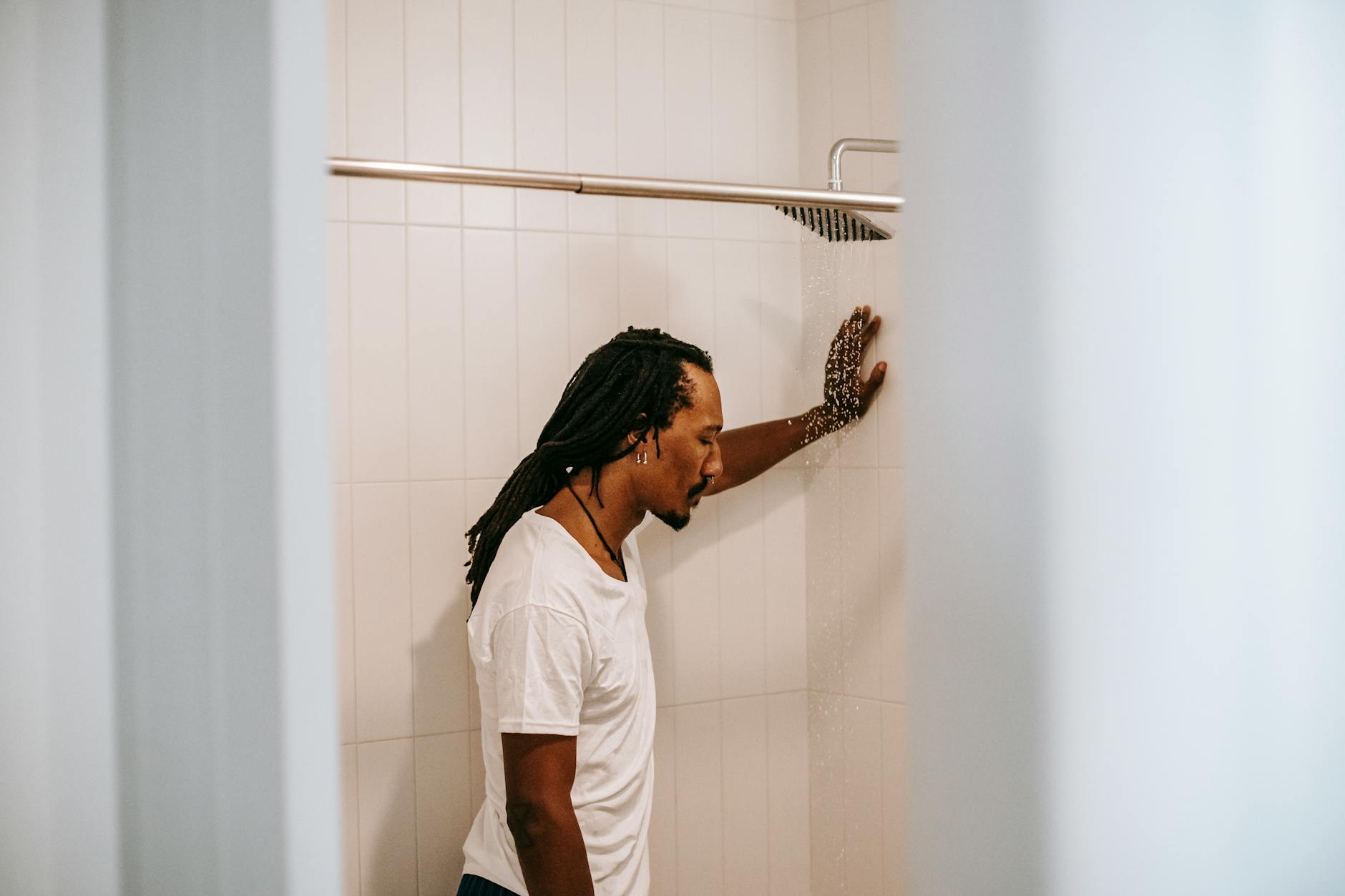
Cold showers reduce inflammation and preserve your skin’s natural oils, while hot showers strip those oils away and trigger your sebaceous glands to overproduce sebum — making breakouts worse. If you have acne-prone skin and you have been cranking the shower handle to the hot side, that habit is likely working against you. The dermatologist-recommended approach is neither extreme: wash with lukewarm water to cleanse effectively, then finish with a cool rinse to calm inflammation and tighten pores.
That said, cold showers are not an acne cure. The scientific evidence linking them directly to clearing breakouts is limited, and cold water comes with its own drawback — it can trap bacteria inside tightened pores. What cold water does well is reduce the redness and swelling that make active pimples look and feel worse. This article breaks down exactly what happens to your skin at different water temperatures, why hot showers are particularly damaging for acne-prone skin, the real benefits and limitations of cold showers, and how to structure your shower routine for the best results.
Table of Contents
- What Does Hot Water Actually Do to Acne-Prone Skin?
- The Real Benefits of Cold Showers for Acne — and Where They Fall Short
- How Water Temperature Affects Your Skin Barrier Over Time
- The Lukewarm Wash, Cool Rinse Method — What Dermatologists Actually Recommend
- Common Mistakes People Make with Shower Temperature and Acne
- What About Body Acne and Shower Temperature?
- Building a Shower Routine That Supports Your Acne Treatment
- Conclusion
- Frequently Asked Questions
What Does Hot Water Actually Do to Acne-Prone Skin?
Hot water feels great on sore muscles, but it does measurable damage to your skin barrier. Four separate studies have confirmed that prolonged exposure to water at or above 40 degrees Celsius (104 degrees Fahrenheit) compromises skin barrier function, increasing transepidermal water loss and leaving your skin more vulnerable to irritation and infection. For someone with acne, that barrier damage is a problem — a weakened barrier means bacteria can penetrate more easily and existing breakouts take longer to heal. The more immediate issue is what hot water does to your oil production. When hot water hits your face or body, it activates your sebaceous glands and strips away the layer of natural oils sitting on your skin’s surface.
Your skin registers that loss and responds by overcompensating — producing even more sebum than it had before. This rebound oil production is one of the most common and least understood triggers for new breakouts. Someone who showers in hot water every morning and wonders why their forehead is oily by noon is likely experiencing this exact cycle. Hot showers can also aggravate other skin conditions that often overlap with acne, including rosacea, eczema, and psoriasis. The prolonged heat causes itching, redness, and flakiness, which can be mistaken for acne-related irritation. If your skin feels tight and dry immediately after a hot shower but becomes greasy within an hour or two, that pattern is a reliable sign that your water temperature is too high.
The Real Benefits of Cold Showers for Acne — and Where They Fall Short
Cold water helps acne primarily through one mechanism: vasoconstriction. When cold water contacts your skin, blood vessels near the surface narrow, which reduces blood flow to inflamed areas. The result is visibly less redness and swelling around active pimples. If you have a painful, inflamed cyst on your jawline, a cold rinse will not make it disappear, but it can reduce its severity and make it less noticeable. Cold water also preserves your skin’s natural lipid layer, meaning it does not trigger the same rebound oil production that hot water causes. However, there is a meaningful tradeoff. Cold water tightens pores, and while that sounds like a good thing, it can actually trap debris and bacteria beneath the skin’s surface.
If you are relying on a cold shower alone to cleanse your face after a sweaty workout, the pores that need clearing the most are the ones least likely to release their contents in cold water. This is particularly relevant for people with comedonal acne — the type characterized by blackheads and whiteheads — where pore congestion is the primary issue. It is also worth being honest about the evidence. There is limited direct scientific research proving that cold showers improve acne. The benefits are real but indirect: reduced inflammation, preserved moisture barrier, and less sebum overproduction. Cold showers are not treating the root causes of acne, which include hormonal fluctuations, bacterial colonization, and excess keratin production. Think of cold water as a supportive habit, not a treatment. If someone tells you cold showers cured their acne, other variables almost certainly changed alongside their shower temperature.
How Water Temperature Affects Your Skin Barrier Over Time
Your skin barrier is a thin lipid layer that holds moisture in and keeps pathogens out. It is the single most important factor in how resilient your skin is against environmental irritants, and water temperature has a direct and cumulative effect on its integrity. Research published in the Annals of Dermatology found that higher ambient and water temperatures correlate with increased transepidermal water loss and elevated sebum secretion — meaning that the hotter your showers, the more your skin loses moisture and the more oil it produces to compensate. Consider someone who takes a 15-minute hot shower every morning and evening. Over weeks and months, that person’s skin barrier is being compromised twice a day. The cumulative effect is skin that is simultaneously dry and oily — dehydrated beneath the surface but slick on top because the sebaceous glands are perpetually in overdrive.
Dermatologists often see this pattern in patients who insist their skin is “oily” when it is actually dehydrated and overcompensating. Switching to lukewarm water alone, without changing any products, frequently improves their condition within two to three weeks. Cold water, by contrast, does not strip the barrier. It leaves natural oils intact and causes less transepidermal water loss. The limitation is that cold water alone is not as effective at dissolving the combination of sebum, dead skin cells, sunscreen, and environmental grime that accumulates on your skin throughout the day. That is why the temperature middle ground matters: warm enough to help your cleanser work, cool enough to avoid damage.
The Lukewarm Wash, Cool Rinse Method — What Dermatologists Actually Recommend
The consensus among dermatologists for acne-prone skin is straightforward: cleanse with lukewarm water, then finish with a cool rinse. Dr. Sandra Lee, the dermatologist behind SLMD Skincare, includes excessively hot showers in her list of common shower mistakes that sabotage skin health. The logic is practical — lukewarm water is warm enough to help surfactants in your cleanser dissolve oil and lift dirt from pores, but not hot enough to trigger the barrier damage and rebound oil cycle. The cool rinse at the end serves a different purpose.
After your cleanser has done its job and your pores have had a chance to release their contents, the cool water calms any inflammation that the washing process may have triggered, reduces redness, and helps your pores return to their resting state. This is not about “closing” pores — pores do not open and close like doors — but about reducing the vasodilation that warm water causes. In practice, this means setting your shower to a temperature that feels neutral on your skin, neither noticeably warm nor cold. If the bathroom mirror fogs up, the water is too hot. Wash your face and body with your normal cleanser at that lukewarm temperature, then turn the handle toward cold for the last 30 to 60 seconds. This approach gives you the cleansing benefits of warmth and the anti-inflammatory benefits of cold without the drawbacks of either extreme.
Common Mistakes People Make with Shower Temperature and Acne
The most frequent mistake is assuming that hotter water means a deeper clean. Many people with oily, acne-prone skin believe that if they can just “open their pores” wide enough with steam and hot water, they will flush out the congestion causing their breakouts. In reality, they are doing the opposite — stripping the barrier, triggering excess oil, and creating an environment where their skin is more prone to breakouts, not less. Another common error is overcorrecting to ice-cold showers. People read that cold water is good for acne, start taking exclusively cold showers, and then wonder why their blackheads are not improving. As noted earlier, cold water can trap bacteria and debris by tightening the skin before congestion has been properly dissolved and rinsed away.
If you skip the lukewarm cleansing step and go straight to cold, you are skipping the part of the process where your cleanser actually works. A subtler mistake involves shower duration. Even lukewarm water, if you stand under it for 20 or 30 minutes, can gradually dehydrate your skin. Long showers at any temperature increase transepidermal water loss. For acne-prone skin, aim to keep showers under 10 minutes. Get in, cleanse efficiently, do the cool rinse, and get out. Your skin does not benefit from extended water exposure regardless of temperature.
What About Body Acne and Shower Temperature?
Everything discussed so far applies to body acne as well, but there is an additional consideration: the skin on your back, chest, and shoulders is thicker than facial skin and produces more sebum. Body acne — particularly on the back — is often driven by a combination of sweat, friction from clothing, and oil overproduction. Hot showers after a workout might feel necessary, but they amplify oil production on these already oil-heavy areas.
A practical approach for body acne is to use a lukewarm shower with a salicylic acid or benzoyl peroxide body wash, allowing the product to sit on affected areas for a minute before rinsing with cool water. The lukewarm temperature helps the active ingredients penetrate without triggering the rebound oil effect. Avoid scrubbing aggressively with hot water, which many people do on their backs — this creates micro-tears in the skin that allow acne-causing bacteria to spread.
Building a Shower Routine That Supports Your Acne Treatment
Water temperature is one variable among many, and it should be considered alongside your overall acne management strategy rather than in isolation. Prescription treatments like retinoids and benzoyl peroxide already compromise the skin barrier to some degree — adding hot showers on top of those treatments compounds the damage and can lead to excessive dryness, peeling, and irritation that undermines the treatment itself.
As dermatological research continues to examine the relationship between environmental factors and skin health, the data consistently points in the same direction: moderate temperatures, shorter exposure times, and gentle cleansing protect the skin barrier while still achieving effective hygiene. The shift toward lukewarm water is not a trend — it is the evidence-based standard. If you change nothing else about your skincare routine, adjusting your shower temperature is one of the simplest modifications with the most consistent payoff for acne-prone skin.
Conclusion
Hot showers are working against your skin if you have acne. They strip your natural oils, trigger your sebaceous glands to overproduce sebum, compromise your skin barrier, and create conditions that promote breakouts. Cold showers offer genuine anti-inflammatory benefits and preserve your skin’s moisture, but they do not cleanse effectively on their own and can trap bacteria in tightened pores. Neither extreme is the answer.
The approach backed by both dermatologists and published research is simple: wash with lukewarm water and your preferred cleanser, then finish with a cool rinse for 30 to 60 seconds. Keep your showers under 10 minutes. This gives your skin the cleansing it needs, the inflammation relief it benefits from, and the barrier protection it requires to heal existing breakouts and resist new ones. It is not glamorous advice, but it is the kind that actually works when practiced consistently.
Frequently Asked Questions
Do cold showers get rid of acne?
Not directly. Cold showers reduce inflammation and redness associated with active breakouts through vasoconstriction, and they preserve your skin’s natural oils so you avoid rebound sebum production. However, there is limited scientific evidence that cold showers treat the root causes of acne, such as hormonal activity, bacterial colonization, or excess keratin production. They are a helpful supporting habit, not a standalone treatment.
Can hot showers cause acne breakouts?
Yes. Hot water activates sebaceous glands and strips the skin’s natural oils, which triggers rebound oil production — your skin overcompensates by producing more sebum than it had before the shower. Water at or above 40 degrees Celsius has been shown in multiple studies to damage the skin barrier, making your skin more vulnerable to bacterial infection and inflammation.
What is the best water temperature for acne-prone skin?
Dermatologists recommend lukewarm water for cleansing, followed by a cool rinse to finish. Lukewarm water effectively removes dirt and oil without stripping the skin barrier, while the cool rinse calms inflammation and reduces redness. Avoid water hot enough to fog your bathroom mirror.
Does cold water close your pores?
Pores do not mechanically open and close. Cold water causes temporary vasoconstriction and can make pores appear smaller, but it does not permanently change pore size. The concern with cold water tightening the skin is that it can trap bacteria and debris inside pores if you skip the lukewarm cleansing step.
How long should I shower if I have acne?
Keep showers under 10 minutes. Even lukewarm water increases transepidermal water loss over prolonged exposure. Extended showers at any temperature gradually dehydrate your skin, which can worsen acne by prompting increased oil production.
Are cold showers good for body acne?
Cold rinses can help reduce inflammation on body acne, but the back, chest, and shoulders produce more sebum than the face and need proper cleansing with lukewarm water first. Use a lukewarm shower with a medicated body wash on affected areas, then finish with a cool rinse.