
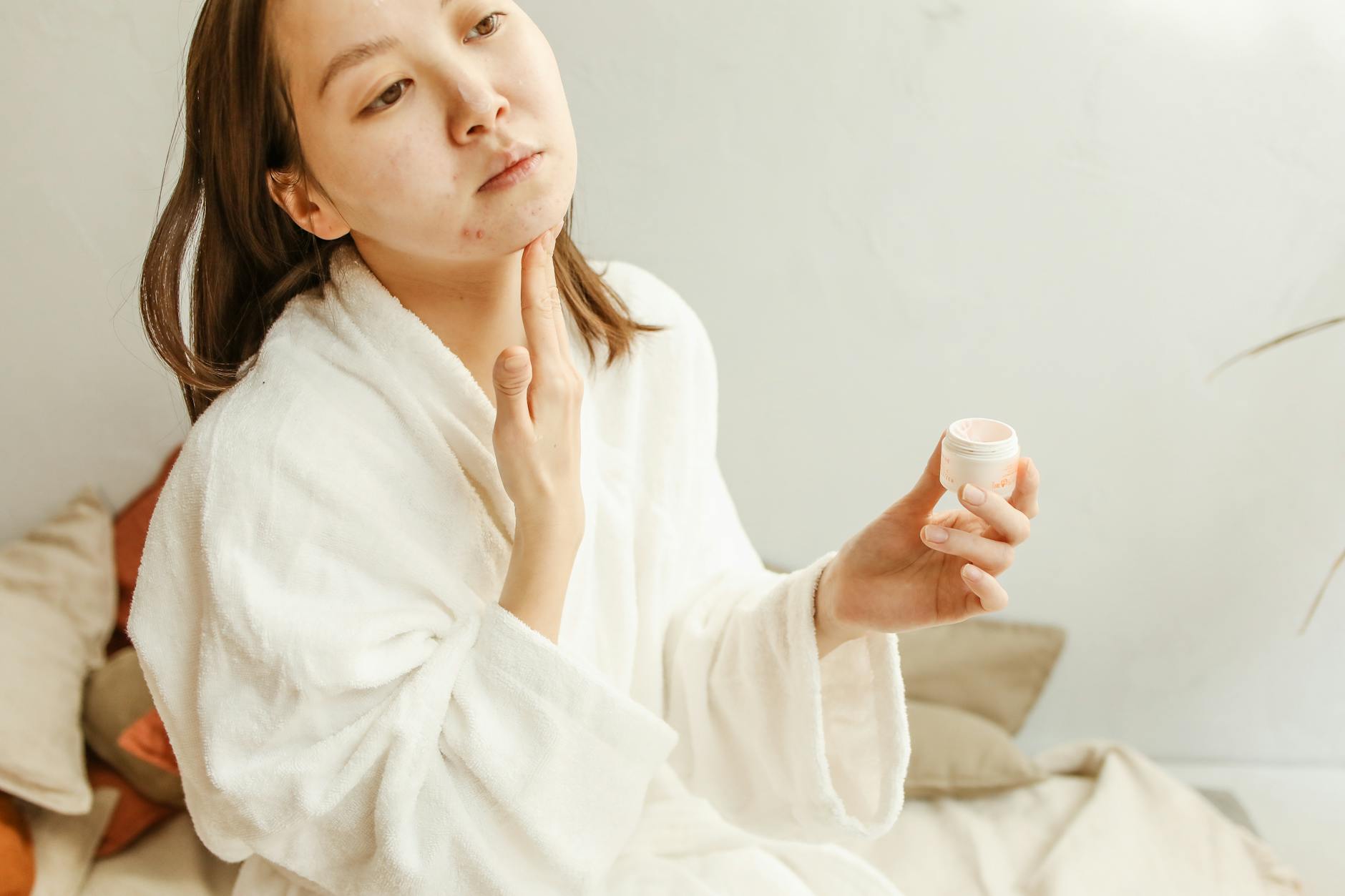
Fragrance in skincare products aggravates acne by triggering contact irritation, disrupting the skin barrier, and provoking inflammatory responses that make breakouts worse and longer-lasting. Whether the label says “parfum,” “fragrance,” or lists a specific essential oil like lavender or citrus peel extract, these ingredients introduce volatile compounds that sensitize acne-prone skin over time — sometimes after weeks of use without any obvious reaction. A person using a popular foaming cleanser with synthetic musk, for instance, might not connect their stubborn chin breakouts to the product until they switch to a fragrance-free version and watch the flare-ups subside within a month.
This article goes beyond the standard “avoid fragrance” advice. It explains the specific biological mechanisms that link fragrance chemicals to acne inflammation, identifies which types of fragrance pose the greatest risk, and addresses the gray areas — because not every scented product will destroy your skin, and not every “fragrance-free” label is trustworthy. We also cover how to audit your current routine, what dermatologists actually recommend, and the tradeoffs involved in switching to unscented alternatives.
Table of Contents
- Why Does Fragrance in Skincare Trigger Acne Breakouts?
- Synthetic vs. Natural Fragrance — Which Is Worse for Acne-Prone Skin?
- How Fragrance Weakens the Skin Barrier and Fuels Inflammation
- How to Audit Your Skincare Routine for Hidden Fragrance
- When Fragrance Is Not the Problem — and When Eliminating It Is Not Enough
- What Dermatologists Actually Recommend for Fragrance-Sensitive Acne
- The Regulatory Landscape and Where Fragrance Transparency Is Heading
- Conclusion
- Frequently Asked Questions
Why Does Fragrance in Skincare Trigger Acne Breakouts?
Fragrance compounds, whether synthetic or naturally derived, are among the most common causes of contact dermatitis in cosmetic products. The European Commission’s Scientific Committee on Consumer Safety has identified at least 26 individual fragrance allergens that must be declared on labels when present above trace amounts, and many of these are routine ingredients in cleansers, moisturizers, and serums marketed toward acne-prone skin. When these compounds interact with skin, they can provoke a low-grade immune response — redness, micro-swelling, and increased sebum production — that creates the exact conditions acne bacteria thrive in. The mechanism is not always an outright allergic reaction. more often, fragrance chemicals act as irritants that compromise the stratum corneum, the outermost layer of skin that functions as a barrier against moisture loss and bacterial invasion.
Once that barrier is weakened, transepidermal water loss increases, the skin compensates by producing more oil, and pores become easier targets for Cutibacterium acnes colonization. A 2019 study published in the Journal of the European Academy of Dermatology and Venereology found that products containing fragrance were significantly more likely to induce irritant responses in participants with pre-existing acne compared to fragrance-free controls. What makes fragrance particularly insidious for acne sufferers is the cumulative effect. A single use of a lightly scented toner might not cause a visible reaction, but daily application over weeks gradually sensitizes the skin. By the time breakouts appear, the user has often already incorporated the product into their routine and blames the acne on hormones, stress, or diet rather than the product itself.
Synthetic vs. Natural Fragrance — Which Is Worse for Acne-Prone Skin?
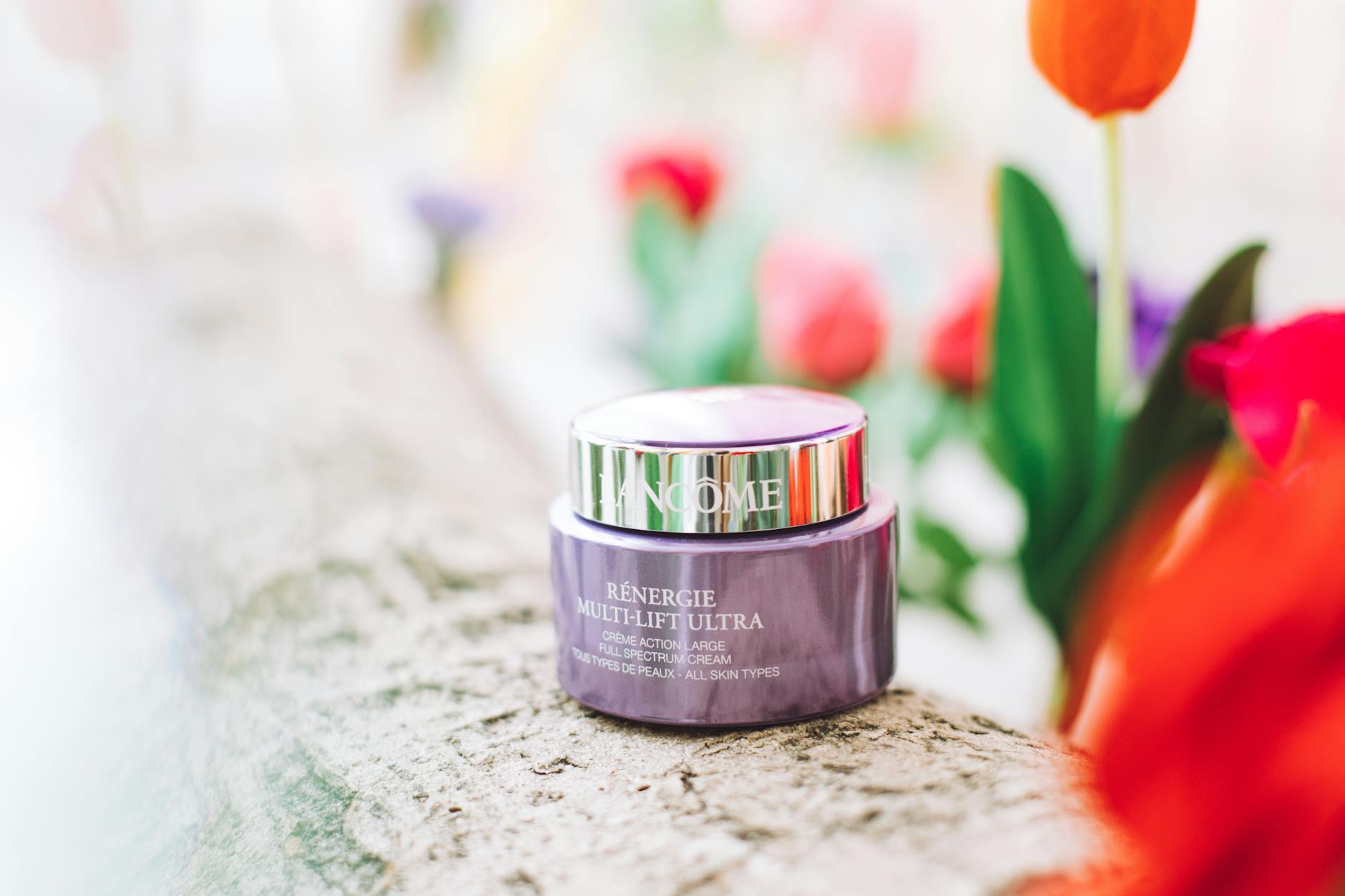
There is a persistent belief that natural fragrances from essential oils and botanical extracts are somehow gentler on acne-prone skin than synthetic alternatives. This is largely a marketing distinction, not a dermatological one. Linalool, a compound found in lavender and coriander essential oils, oxidizes on contact with air and skin to form potent allergens. Limonene, ubiquitous in citrus-derived oils and frequently added to “natural” skincare lines, undergoes similar oxidation and is one of the most common fragrance sensitizers identified in patch testing studies. Synthetic fragrances pose their own problems. The catch-all term “fragrance” or “parfum” on an ingredient label can represent a proprietary blend of dozens or even hundreds of individual chemicals, many of which have never been individually tested for comedogenicity.
Certain synthetic musks, including galaxolide and tonalide, have been shown to accumulate in human tissue and may interfere with hormonal pathways — a concern for people whose acne is hormonally driven. However, if your acne is primarily inflammatory rather than hormonal, the direct irritation from either natural or synthetic fragrance is the more pressing issue. The honest answer is that neither category gets a free pass. A tea tree oil serum can cause contact dermatitis just as readily as a department-store moisturizer loaded with synthetic fragrance. The relevant question is not whether the scent comes from a plant or a lab but whether the specific compounds in the product are irritating to your individual skin. Patch testing remains the only reliable way to determine this, and most people skip it entirely.
How Fragrance Weakens the Skin Barrier and Fuels Inflammation
The skin barrier is a structure made primarily of ceramides, cholesterol, and fatty acids arranged in layers between dead skin cells. Fragrance compounds — particularly alcohols like denatured alcohol used as fragrance solvents, and aldehydes like cinnamal found in cinnamon-derived scents — dissolve into these lipid layers and destabilize them. The result is increased permeability, which sounds like it might help active ingredients penetrate better, and some brands even market it that way. But increased permeability also means increased vulnerability to bacteria, pollutants, and the very acne treatments you are trying to use. When the barrier is compromised, the immune system responds with inflammation.
Interleukin-1 alpha, a cytokine involved in the earliest stages of acne lesion formation, is upregulated when keratinocytes are stressed by irritant chemicals. This is not a theoretical pathway — it is the same inflammatory cascade that retinoids temporarily trigger during the “purging” phase, except fragrance offers no therapeutic benefit in return. You get the irritation without the cell-turnover payoff. A practical example: someone using a benzoyl peroxide wash alongside a fragranced moisturizer may experience significantly more dryness, peeling, and rebound breakouts than someone using the same benzoyl peroxide wash with a fragrance-free moisturizer. The fragrance is not causing acne on its own in this scenario — it is amplifying the irritation from an already-aggressive active ingredient, pushing the skin past its tolerance threshold. Dermatologists sometimes call this “irritant load stacking,” and fragrance is one of the easiest contributors to eliminate.
How to Audit Your Skincare Routine for Hidden Fragrance
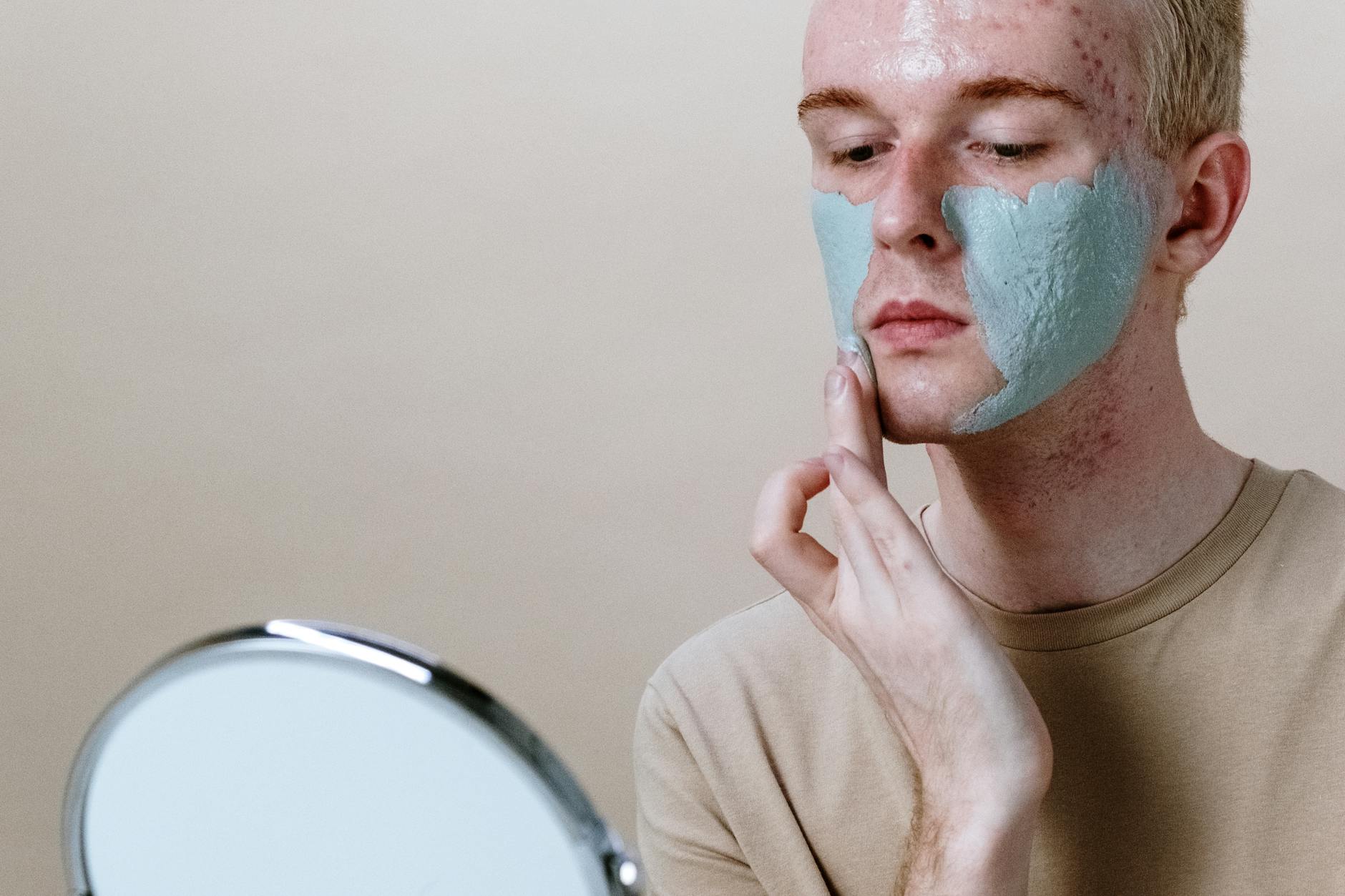
Removing fragrance from your routine sounds straightforward until you start reading ingredient labels. The word “fragrance” or “parfum” is the most obvious flag, but scented ingredients hide behind dozens of other names: linalool, limonene, citronellol, geraniol, eugenol, coumarin, and benzyl alcohol are all fragrance components that may be listed individually. Some products labeled “unscented” still contain fragrance — they simply include a masking fragrance designed to neutralize the smell of other ingredients rather than add a noticeable scent. “Fragrance-free” is a more reliable claim, but it is not regulated by the FDA in the United States, so verification still falls on the consumer. A systematic approach works better than guessing.
Pull out every product you apply to your face — cleanser, toner, serum, moisturizer, sunscreen, primer, foundation — and check each label against a fragrance allergen list such as the EU’s 26 declarable allergens. Apps like INCI Beauty or SkinSafe can speed this up by scanning barcodes and flagging known irritants. The tradeoff here is time: a thorough audit of a ten-product routine might take an hour, but it can save months of trial-and-error if fragrance turns out to be your trigger. When replacing products, resist the urge to swap everything at once. Introduce one fragrance-free alternative at a time, spacing changes at least two weeks apart so you can isolate which switches actually improve your skin. Starting with the product that sits on your skin the longest — usually moisturizer or sunscreen — gives you the most significant reduction in fragrance exposure per change.
When Fragrance Is Not the Problem — and When Eliminating It Is Not Enough
Not every person with acne is fragrance-sensitive, and stripping every scented product from your routine will not fix breakouts caused by other factors. Comedogenic oils, pore-clogging silicones, or simply using too many active ingredients at once are common culprits that get overlooked when someone fixates on fragrance as the sole villain. If you have switched to a fully fragrance-free routine and still experience persistent acne after six to eight weeks, the fragrance was likely not your primary trigger — or at least not the only one. There is also a psychological dimension worth acknowledging. Skincare routines serve a self-care function, and some people find that using products they enjoy the smell of improves their consistency with the routine.
A person who hates the texture and smell of their fragrance-free moisturizer and starts skipping it is arguably worse off than someone using a lightly fragranced one they apply every day. The key limitation is that this calculus only works if your skin is not actively reacting to the fragrance. For someone with moderate to severe inflammatory acne, the tradeoff almost never favors the scented option. A warning for people who rely on anecdotal patch testing: applying a product to your inner forearm for 24 hours is better than nothing, but it does not replicate the conditions on your face. Facial skin is thinner, more vascular, and more frequently exposed to occlusion from masks, pillows, and hands. A product that causes no reaction on your arm can still trigger breakouts on your cheeks or jawline, especially in areas where friction or moisture trapping is common.
What Dermatologists Actually Recommend for Fragrance-Sensitive Acne
Board-certified dermatologists almost universally recommend fragrance-free formulations for acne patients, but the specific brands and products vary based on the patient’s skin type and the severity of their acne. CeraVe, Vanicream, and La Roche-Posay Toleriane are frequently cited in clinical settings because their formulations have been tested on sensitive and acne-prone skin populations. Vanicream in particular built its entire brand identity around eliminating common irritants, including fragrance, dyes, lanolin, and formaldehyde releasers — making it a useful default when someone does not know which specific ingredient is causing their problem.
For prescription-strength acne treatments like tretinoin or adapalene, pairing them with a fragrance-free moisturizer is not optional but practically necessary. These retinoids already stress the skin barrier significantly during the first four to twelve weeks of use, and layering fragranced products on top adds an irritant burden that can turn manageable dryness into full-blown dermatitis. The result is often patients abandoning effective acne treatments because they mistakenly believe the retinoid itself is causing all the irritation, when the fragrance in their supporting products is a major contributor.
The Regulatory Landscape and Where Fragrance Transparency Is Heading
The skincare industry is slowly moving toward greater fragrance transparency, driven partly by EU regulations that already require individual allergen disclosure and partly by consumer demand for “clean” formulations. In the United States, the Modernization of Cosmetics Regulation Act signed in late 2022 gave the FDA new authority over cosmetic safety, though specific fragrance disclosure rules remain limited compared to European standards. For acne patients, the practical implication is that reading labels is still the primary line of defense — regulation has not yet caught up to the point where you can trust a product’s marketing claims alone.
Looking forward, brands that reformulate away from fragrance are gaining market share in the dermatological skincare segment, and independent testing platforms are making it easier for consumers to verify ingredient safety. The shift will not eliminate fragrance from skincare — it remains one of the strongest drivers of product preference and repurchase. But for the estimated 15 to 20 percent of the population with some degree of fragrance sensitivity, including a disproportionate share of acne sufferers, the expanding availability of effective fragrance-free options is a meaningful improvement over even a decade ago.
Conclusion
Fragrance in skincare is not an automatic deal-breaker for everyone, but for people with acne-prone skin, it represents one of the most controllable sources of irritation and inflammation in a daily routine. The biological mechanisms are well established — barrier disruption, immune activation, and irritant load stacking all contribute to making breakouts more frequent, more inflamed, and harder to resolve. Whether the fragrance is synthetic or natural matters far less than whether your individual skin reacts to it.
The practical path forward is methodical rather than dramatic: audit your current products, replace the longest-contact items first with fragrance-free alternatives, and give each change at least two weeks before evaluating results. If you are using prescription acne treatments, prioritize fragrance-free supporting products to avoid undermining the efficacy of the actives you are paying for. And if removing fragrance does not resolve your acne within a reasonable timeframe, revisit other potential triggers with a dermatologist rather than continuing to tweak products in isolation.
Frequently Asked Questions
Is “unscented” the same as “fragrance-free”?
No. “Unscented” products may contain masking fragrances that neutralize odor without adding a noticeable scent. These masking agents can still irritate sensitive or acne-prone skin. Look specifically for “fragrance-free” on the label, and verify by checking the ingredient list for parfum, fragrance, and individual fragrance allergens like linalool or limonene.
Can essential oils in skincare cause acne even if they are marketed as “natural”?
Yes. Essential oils like lavender, tea tree, and citrus oils contain compounds that oxidize on contact with air and skin, forming allergens and irritants. Tea tree oil does have some antimicrobial properties relevant to acne, but using it undiluted or in high concentrations can cause contact dermatitis that worsens breakouts overall. The “natural” label has no bearing on comedogenicity or irritation potential.
How long does it take to see improvement after switching to fragrance-free products?
Most people notice reduced redness and fewer new inflammatory lesions within two to four weeks of eliminating fragrance. However, if your skin has been sensitized over months or years of exposure, full barrier recovery can take six to eight weeks. Existing acne lesions that were already forming before the switch will still need to run their course.
Does fragrance in sunscreen matter for acne?
Sunscreen tends to be one of the highest-risk products for fragrance-related irritation because it is applied in relatively thick layers, sits on the skin all day, and is often reapplied. If you are going to prioritize switching one product to fragrance-free, sunscreen is a strong candidate. Mineral sunscreens with zinc oxide tend to be formulated without fragrance more consistently than chemical sunscreens.
Are fragrance-free products less effective at treating acne?
No. Fragrance has no therapeutic function in acne treatment — it is added entirely for consumer appeal. Removing it does not reduce the efficacy of active ingredients like salicylic acid, benzoyl peroxide, niacinamide, or retinoids. In fact, eliminating fragrance often allows these actives to work better by reducing the competing irritant load on the skin.
What about fragrance in hair products — can that affect facial acne?
Absolutely. Shampoos, conditioners, and styling products with fragrance can transfer to the face via the hairline, pillowcase, or direct contact. This is a common and underrecognized cause of acne along the forehead, temples, and jawline. If you have cleared fragrance from your skincare routine but still break out in these areas, audit your hair products next.