
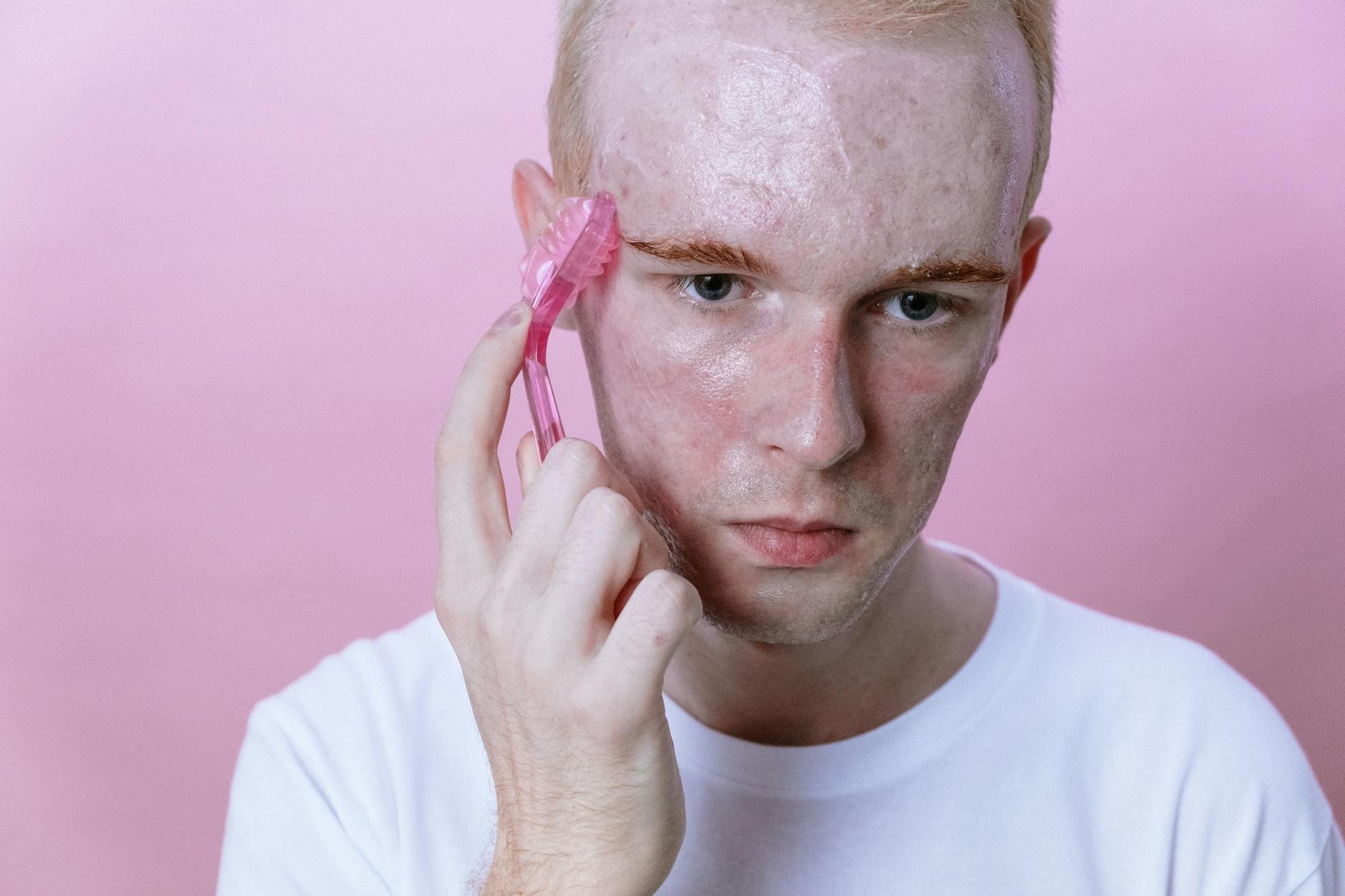
Your acne gets worse before your period because of a predictable hormonal shift that happens in the second half of your menstrual cycle. Around days 14 to 28, progesterone rises and estrogen drops, which triggers your sebaceous glands to produce more oil. At the same time, testosterone — which is always present in small amounts — becomes relatively more dominant as estrogen falls, and that combination creates the perfect storm for clogged pores and inflammatory breakouts.
If you’ve ever noticed a cluster of deep, tender pimples along your jawline or chin about a week before your period starts, you’re looking at textbook hormonal acne. This pattern affects roughly 65 percent of acne-prone women, according to research published in the Archives of Dermatology, and it’s one of the most frustrating cycles in skincare because it keeps repeating month after month regardless of how diligent your routine is. The breakouts tend to be different from your garden-variety whiteheads — they’re often deeper, more painful, and slower to heal. In this article, we’ll break down exactly what’s happening hormonally, why certain parts of your face are more affected, what actually works to prevent premenstrual breakouts, and where popular advice falls short.
Table of Contents
- What Hormones Are Behind Premenstrual Acne Breakouts?
- Why Premenstrual Acne Hits the Jawline and Chin Hardest
- How Stress and Cortisol Make Premenstrual Acne Even Worse
- What Actually Works to Prevent Period Breakouts
- Why Some Common Premenstrual Acne Advice Doesn’t Hold Up
- Tracking Your Cycle to Build a Smarter Skincare Routine
- Emerging Research on Hormonal Acne and the Skin Microbiome
- Conclusion
- Frequently Asked Questions
What Hormones Are Behind Premenstrual Acne Breakouts?
The menstrual cycle has two main phases that matter for your skin. During the follicular phase (days 1 through 14), estrogen is climbing, and it has a generally protective effect — it keeps oil production in check, supports skin barrier function, and even has mild anti-inflammatory properties. Many women notice their skin looks its best in the days right after their period ends through ovulation. This isn’t coincidental. Estrogen genuinely suppresses sebaceous gland activity. After ovulation, things shift.
The luteal phase (days 15 through 28) brings a surge in progesterone, which has a structural similarity to androgens and can activate sebaceous glands to ramp up sebum output. Progesterone also causes the skin to swell slightly, which can compress pore openings and trap oil beneath the surface. Meanwhile, estrogen is declining, which means testosterone’s effects are less counterbalanced. A woman’s testosterone levels don’t actually spike before her period — they stay relatively stable — but the ratio between estrogen and testosterone changes enough that androgen-sensitive tissues like the oil glands on the lower face respond. To illustrate the difference: a woman with stable, clear skin during days 5 through 12 might produce roughly 1 milligram of sebum per 10 square centimeters per hour on her forehead. During the late luteal phase, that same measurement can increase by 20 to 30 percent. That’s a meaningful jump when your pores are already borderline congested.

Why Premenstrual Acne Hits the Jawline and Chin Hardest
Hormonal acne has a characteristic distribution pattern. While teenage acne tends to cluster on the forehead and nose — the classic T-zone — premenstrual breakouts overwhelmingly favor the lower third of the face. The jawline, chin, and sometimes the neck are where most women see their cyclical flare-ups. This happens because the skin in these areas has a higher concentration of androgen receptors compared to, say, the forehead or cheeks. When progesterone and the relative increase in androgen activity hit during the luteal phase, the oil glands along the jawline respond more aggressively. The resulting breakouts are also typically deeper than surface-level acne.
Instead of small whiteheads or blackheads, you get nodules and cysts — those hard, painful lumps under the skin that don’t come to a head and can linger for weeks. They form deeper in the dermis because the inflammation is driven from within by hormonal signals rather than by surface bacteria alone. However, if your premenstrual breakouts consistently appear in unusual areas — across both cheeks, on your temples, or across your forehead — the hormonal cycle might not be your primary driver. Cheek acne, for instance, is more commonly associated with external factors like dirty pillowcases, phone contact, or reactions to skincare products. It’s worth tracking your breakouts for two to three full cycles before concluding that your period is the cause. Apps like Clue or Flo can help you map breakout timing against your cycle phases.
How Stress and Cortisol Make Premenstrual Acne Even Worse
The luteal phase doesn’t just bring progesterone changes — it also makes you more physiologically sensitive to stress. Research from Stanford University found that women in the premenstrual phase show a heightened cortisol response to psychological stressors compared to the same women tested during the follicular phase. Cortisol, the primary stress hormone, independently stimulates oil production and increases inflammatory markers in the skin. This creates a compounding effect. You’ve already got progesterone pushing sebum production up and estrogen pulling its protective influence away.
Layer a stressful week at work or poor sleep on top of that, and cortisol adds fuel to the fire. One concrete example: a 2017 study in Clinical, Cosmetic and Investigational Dermatology found that female medical students experienced significantly worse acne flares during exam periods, and the effect was most pronounced when exams coincided with the premenstrual week. Sleep disruption deserves a specific mention here. Many women report worse sleep quality in the days before their period — progesterone is actually sedating, but the rapid drop in progesterone right before menstruation can cause insomnia or restless sleep. Poor sleep raises cortisol, and the cycle feeds itself. If you notice your worst breakouts happen during months when you’re also sleeping badly before your period, that’s probably not a coincidence.
What Actually Works to Prevent Period Breakouts
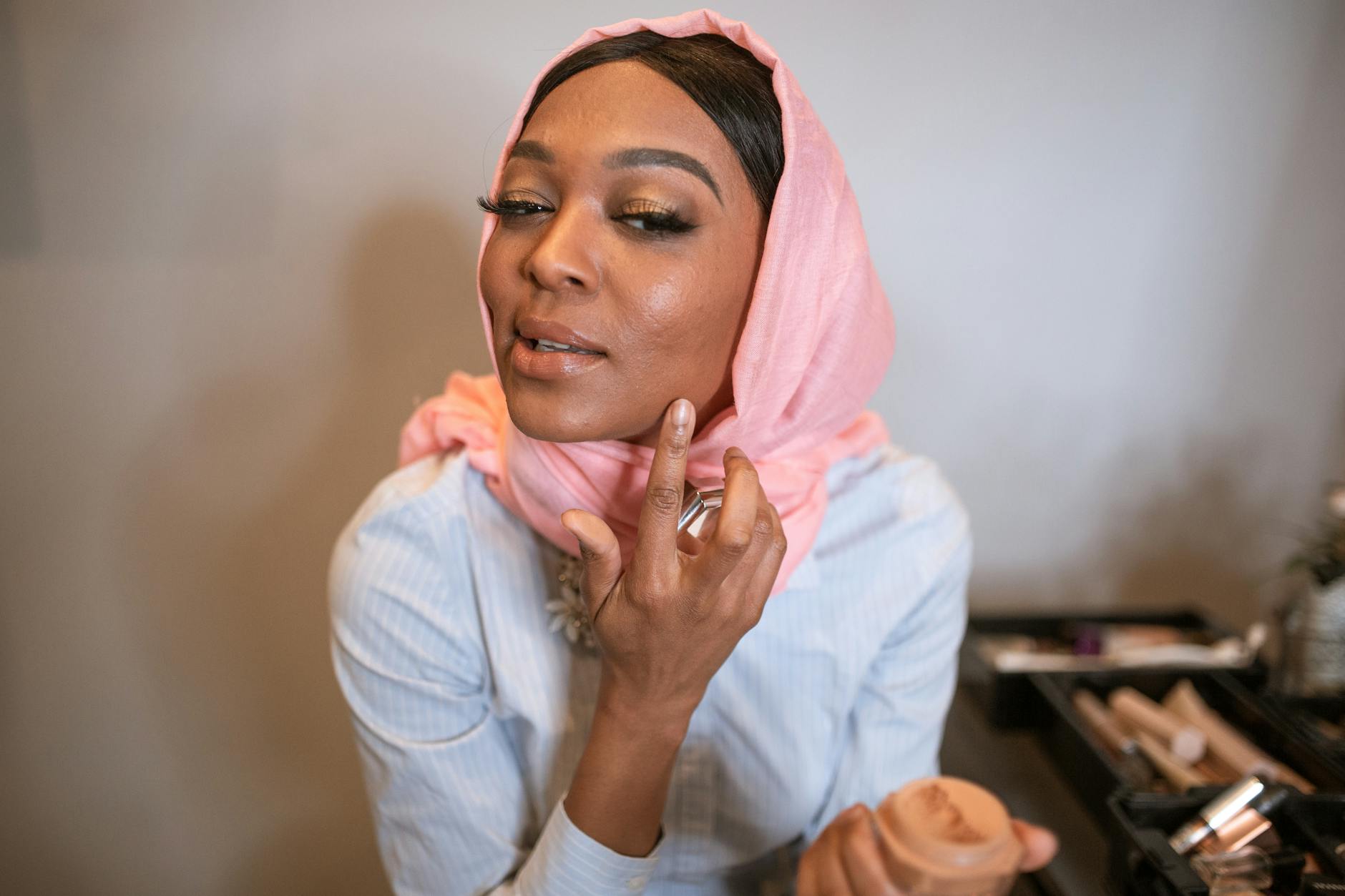
The most effective approach to premenstrual acne is preemptive, not reactive. Waiting until the breakout appears and then spot-treating is less effective than starting targeted treatment about a week before you expect the flare. The two most evidence-backed topical strategies are retinoids and benzoyl peroxide, but they work differently and involve different tradeoffs. Retinoids (tretinoin, adapalene) increase cell turnover and prevent the pore-clogging that sets up hormonal breakouts. They’re best used consistently rather than cyclically — daily use for months keeps pores clear so that when the luteal phase oil surge hits, there’s less raw material for a clog. The tradeoff is a long adjustment period. Retinoids cause dryness, peeling, and sometimes a purge in the first six to twelve weeks, and they make skin sun-sensitive. Benzoyl peroxide, on the other hand, kills acne-causing bacteria and has mild anti-inflammatory effects.
It works faster and can be used as a short-contact treatment (apply for five to ten minutes, then rinse) to minimize irritation. Some dermatologists recommend adding a benzoyl peroxide wash starting around day 18 of your cycle and continuing through menstruation as a targeted premenstrual strategy. The downside: it bleaches fabrics and can be drying if overused. For women whose premenstrual acne is severe and doesn’t respond to topical treatment, oral options exist. Spironolactone, an androgen blocker, is one of the most effective treatments for hormonal acne in women. It directly reduces the effect of androgens on oil glands. Combined oral contraceptives can also stabilize the hormonal fluctuations that trigger breakouts, though they carry their own risks and aren’t appropriate for everyone. These are conversations to have with a dermatologist, not decisions to make based on internet advice alone.
Why Some Common Premenstrual Acne Advice Doesn’t Hold Up
The skincare internet is full of recommendations for premenstrual acne that range from mildly helpful to actively counterproductive. One persistent myth is that you should do a deep-cleansing or exfoliating routine right before your period to “prepare” your skin. Aggressive exfoliation during the luteal phase can actually make things worse — your skin barrier is already slightly compromised by hormonal changes, and stripping it further increases inflammation and can trigger reactive oil production. Another common but limited piece of advice is to cut dairy or sugar before your period to prevent breakouts. While there is some research linking high-glycemic diets and dairy consumption to acne generally, the evidence for short-term dietary changes preventing a specific premenstrual flare is weak. If you eat dairy and sugar regularly throughout the month and only cut them for a few days before your period, you’re unlikely to see a meaningful difference.
Long-term dietary patterns matter more than luteal-phase crash diets. That said, if you notice a clear personal correlation — say, your breakouts are noticeably worse during months when you consume a lot of ice cream or milk chocolate — it’s worth experimenting with sustained reduction. A more subtle pitfall is over-moisturizing during the premenstrual phase. Because some women experience slight dehydration or tightness alongside increased oiliness (the skin can be both oily and dehydrated simultaneously), there’s a temptation to pile on heavy creams. Rich, occlusive moisturizers applied over already-overactive oil glands can trap sebum and accelerate clogging. Switch to a lighter, gel-based or water-based moisturizer during the second half of your cycle if your skin tends toward oiliness.
Tracking Your Cycle to Build a Smarter Skincare Routine
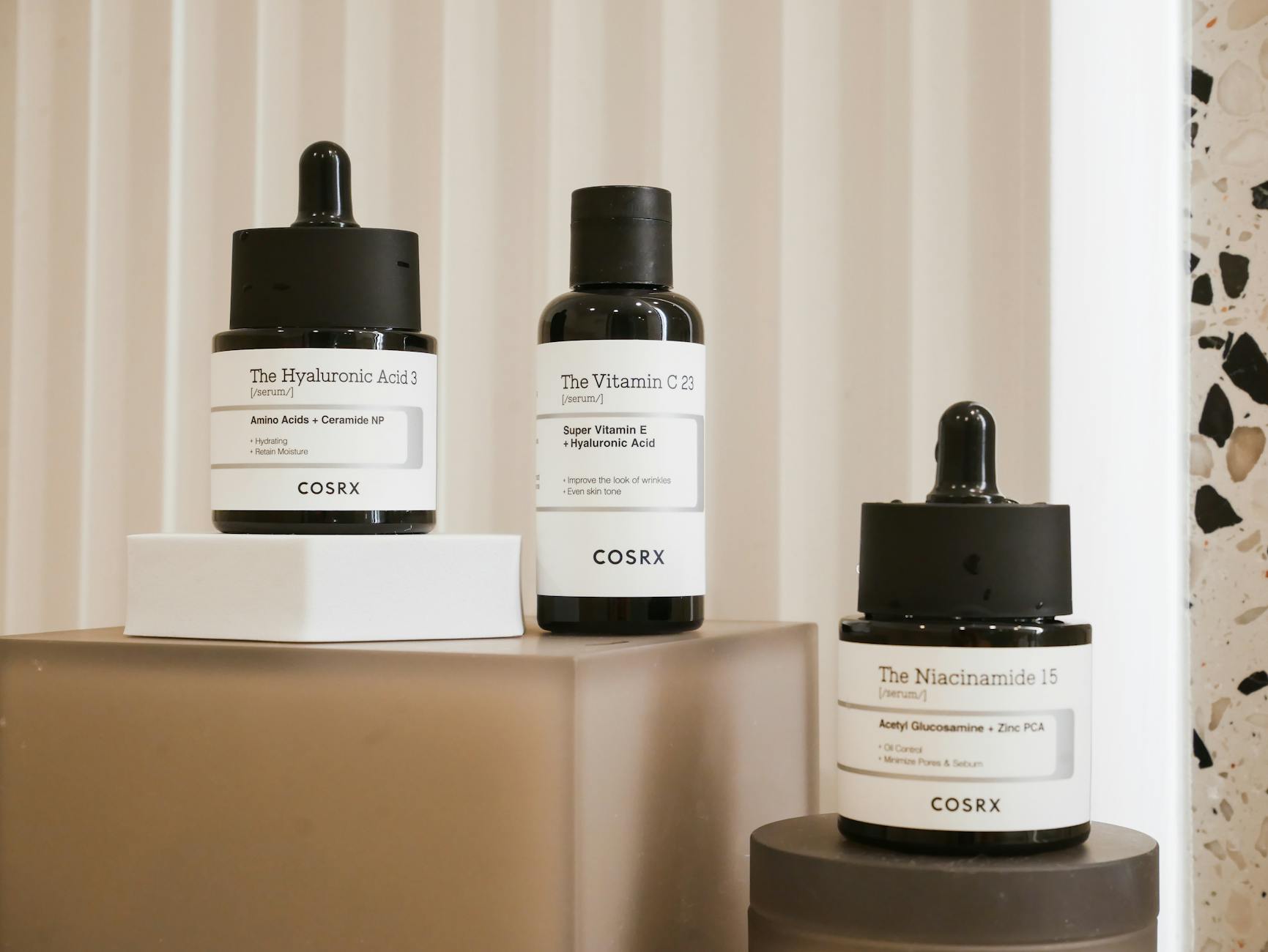
One of the most practical things you can do is track your breakouts alongside your menstrual cycle for at least three consecutive months. Mark the day breakouts appear, their location, and their severity. After a few months, a pattern usually emerges — and that pattern lets you time your interventions precisely.
For example, one woman might find that her breakouts consistently start on day 22 of a 28-day cycle. Armed with that information, she could start applying a benzoyl peroxide wash on day 18, switch to a lighter moisturizer on day 16, and schedule any facial extractions or chemical peels for the follicular phase when her skin is most resilient. This kind of personalized, cycle-synced approach is more effective than a static routine that treats every day of the month the same. Some dermatology practices are beginning to adopt this framework formally, adjusting prescription strengths and active ingredients based on cycle phase.
Emerging Research on Hormonal Acne and the Skin Microbiome
Recent research is beginning to explore how hormonal fluctuations affect the skin’s microbiome — the community of bacteria living on your face — and how shifts in that microbial balance during the luteal phase might contribute to premenstrual breakouts. Early findings suggest that increased sebum production changes the nutrient environment on the skin surface, favoring the growth of Cutibacterium acnes strains associated with inflammatory acne.
This opens the door to future treatments that target the microbiome directly rather than just addressing oil production or bacterial kill. Probiotic skincare and bacteriophage therapy are both in early clinical investigation for acne. While neither is ready for mainstream recommendation yet, the trajectory of research suggests that within the next five to ten years, premenstrual acne management could include microbiome-modulating treatments timed to cycle phases — a genuinely personalized approach that goes beyond what current topicals and oral medications can achieve.
Conclusion
Premenstrual acne is driven by a well-understood hormonal sequence: rising progesterone, falling estrogen, and the resulting increase in sebum production during the luteal phase. The breakouts tend to be deep, inflammatory, and concentrated along the jawline and chin. Stress, poor sleep, and an impaired skin barrier during the premenstrual window all compound the problem. The most effective strategies are preemptive — consistent retinoid use, timed benzoyl peroxide application, and lighter moisturizers during the second half of the cycle.
If your premenstrual acne is mild, topical adjustments timed to your cycle may be enough. If it’s severe, persistent, or leaving scars, a dermatologist can discuss spironolactone, hormonal contraceptives, or other systemic options. Either way, start by tracking your cycle and your breakouts together. Three months of data will tell you more about your skin than any single product recommendation ever could.
Frequently Asked Questions
How many days before my period does hormonal acne typically start?
Most women notice breakouts appearing 7 to 10 days before menstruation begins, which corresponds to the mid-to-late luteal phase when progesterone peaks and estrogen drops. Some women break out earlier, around ovulation, but the classic premenstrual flare hits in that final week.
Will birth control pills stop my premenstrual acne?
Combined oral contraceptives (those containing both estrogen and progestin) can reduce hormonal acne by stabilizing hormone fluctuations and lowering free testosterone levels. However, some progestin-only pills and certain IUDs can actually worsen acne in some women. The effect depends on the specific formulation, and it can take three to four cycles to see improvement.
Does premenstrual acne go away after menopause?
Not necessarily. While the cyclical pattern stops because menstruation stops, many postmenopausal women develop or continue to have hormonal acne due to the relative increase in androgens as estrogen declines permanently. The breakouts may become less predictable but don’t always disappear.
Can I pop premenstrual cystic acne?
No. Premenstrual breakouts are typically deep cysts and nodules that don’t have an extractable head. Attempting to squeeze them pushes infected material deeper into the dermis, worsens inflammation, and significantly increases the risk of scarring. A warm compress and a topical treatment with benzoyl peroxide or salicylic acid is safer. For a particularly painful cyst, a dermatologist can inject it with a dilute corticosteroid for rapid resolution.
Is hormonal acne different from regular acne?
The underlying mechanism is the same — clogged pores, excess oil, bacterial proliferation, and inflammation — but the trigger is different. Hormonal acne is driven by internal hormonal shifts rather than external factors like product buildup or hygiene. It also tends to present as deeper, more painful lesions in the lower face, and it responds less well to typical over-the-counter spot treatments designed for surface-level breakouts.