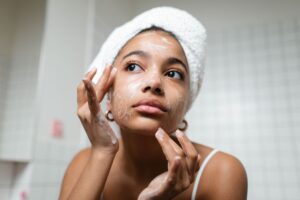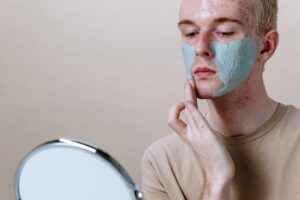
By the two-month mark on Accutane (isotretinoin), most patients experience a noticeable reduction in active acne inflammation, though the skin often hasn’t fully cleared yet. The initial purging phase””where acne temporarily worsens””has typically subsided for the majority of users, and new breakouts become less frequent and less severe. However, significant visible improvement in scarring, texture, and overall skin clarity usually takes until months three through five.
A patient who started with moderate inflammatory acne might notice that their painful cystic lesions have stopped forming, even if smaller pimples and residual redness remain. The two-month checkpoint represents roughly the halfway point of a typical four-to-six month treatment course, and it’s when both patients and dermatologists begin assessing whether the current dosage is working effectively. This is also when side effects like dry lips, dry skin, and occasional joint stiffness have likely become a familiar part of daily life. The article ahead covers what specific changes you should see by week eight, how to interpret your progress compared to typical timelines, managing persistent side effects, when to discuss dosage adjustments with your doctor, and what the remaining months of treatment will bring.
Table of Contents
- What Does Typical Accutane Progress Look Like After 2 Months?
- Understanding the Post-Purge Healing Phase
- Managing Dryness and Side Effects at the Midway Point
- When Should You Discuss Dosage Changes with Your Dermatologist?
- Common Concerns That Arise at the Two-Month Mark
- The Importance of Consistent Routine and Compliance
- What Months Three Through Six Will Bring
- Conclusion
What Does Typical Accutane Progress Look Like After 2 Months?
At the eight-week mark, the average patient sees a 40 to 60 percent reduction in their inflammatory lesion count compared to baseline. This means fewer red, swollen pimples and significantly fewer new cysts or nodules forming beneath the skin’s surface. For someone who started treatment with 25 active lesions, having 10 to 15 remaining at this stage is considered on-track progress. The improvements are gradual rather than dramatic, and day-to-day changes are often difficult to perceive””weekly comparison photos prove invaluable for tracking real progress. The oil production that fuels acne has substantially decreased by month two.
Most patients report that their skin feels less greasy, their pores appear smaller, and they no longer need to blot their face throughout the day. This sebum reduction is one of the earliest measurable effects of isotretinoin and explains why oily areas like the nose and forehead often improve first. However, patients with primarily hormonal acne concentrated along the jawline and chin may find that these areas remain stubborn longer, sometimes requiring the full treatment course before responding adequately. Progress varies considerably based on starting severity and dosage. Someone taking a lower dose of 20mg daily for mild but persistent acne will likely see slower improvement than someone on 60mg for severe nodulocystic acne””but the lower-dose patient also typically experiences milder side effects. Comparing your progress to others on online forums can be misleading because dosage, body weight, acne type, and individual metabolism all influence the timeline.
- —

Understanding the Post-Purge Healing Phase
The infamous Accutane purge””a temporary worsening of acne in the first few weeks””should be mostly or entirely over by month two. During purging, isotretinoin accelerates skin cell turnover, which pushes existing microcomedones (blocked pores that haven’t yet become visible pimples) to the surface all at once. This can make acne appear worse before it gets better. By week six to eight, this accelerated turnover has cleared out most of those underlying blockages, and the rate of new breakouts slows significantly. However, if you’re still experiencing significant new breakouts at the two-month mark, it doesn’t necessarily mean the medication isn’t working. Some patients, particularly those with severe cystic acne or those on very gradual dosing protocols, may experience extended purging into month three.
The distinction between prolonged purging and treatment failure lies in the nature of the breakouts: if new lesions are smaller, less painful, and heal faster than pre-treatment acne, the medication is working. If breakouts remain just as severe and slow-healing as before, a conversation with your dermatologist about dosage adjustment is warranted. Post-purge healing brings its own challenges. As active acne subsides, post-inflammatory hyperpigmentation (dark spots) and post-inflammatory erythema (red marks) become more visible. These aren’t new problems””they’re simply more noticeable once they’re no longer obscured by active breakouts. These marks fade over time, but complete resolution often takes several months after treatment ends.
- —
Managing Dryness and Side Effects at the Midway Point
By month two, the side effects that seemed manageable in week one have intensified. Lip dryness has likely progressed from mild chapping to persistent cracking that requires near-constant application of healing ointments like Aquaphor or Vaseline. Skin dryness extends beyond the face to the hands, arms, and legs, and the insides of the nostrils may feel raw. A patient who previously never used moisturizer might now apply it twice daily and still feel tight, flaky patches around their mouth and nose. The dryness is actually a sign that isotretinoin is doing its job””reducing oil production throughout the body. But managing it requires adapting your routine.
Switching to a creamy, fragrance-free cleanser, layering hydrating serums under occlusive moisturizers, and running a humidifier at night can prevent the worst cracking and irritation. For example, someone who developed painful fissures at their lip corners might find that applying a thick balm before bed and sleeping with a humidifier eliminates the cracking within days. Joint pain, muscle soreness, and fatigue affect some patients more than others. If you’re physically active, you may notice that workouts feel harder and recovery takes longer. High-impact exercise and heavy lifting can exacerbate joint discomfort. While these side effects rarely require stopping treatment, they may warrant reducing exercise intensity temporarily. Anyone experiencing severe or persistent back pain should report it immediately, as this can occasionally indicate a more serious issue requiring monitoring.
- —

When Should You Discuss Dosage Changes with Your Dermatologist?
The two-month appointment is a natural checkpoint for evaluating whether your current dosage is appropriate. Dermatologists consider multiple factors: how much improvement you’ve shown, how severe your side effects are, and your cumulative dose goal based on body weight. The target cumulative dose typically ranges from 120 to 150 mg/kg over the entire treatment course, and your doctor will calculate whether you’re on track to reach this threshold. If your progress has been slower than expected and side effects are tolerable, your dermatologist might increase the daily dose. Conversely, if side effects are severe””significant nosebleeds, debilitating joint pain, or mood changes””a dosage reduction may be appropriate even if it extends the treatment timeline.
For instance, a patient on 60mg daily who develops persistent lower back pain might drop to 40mg, trading faster clearance for improved quality of life during treatment. The tradeoff between speed and tolerability is worth discussing openly. Higher doses generally clear acne faster and may reduce relapse risk, but they also intensify every side effect. Some patients prefer a shorter, more intense course; others would rather extend treatment by a month or two in exchange for milder dryness and fatigue. There’s no universally correct approach””the right dosage balances efficacy against your ability to function normally during treatment.
- —
Common Concerns That Arise at the Two-Month Mark
Impatience is perhaps the most common issue patients face at this stage. After eight weeks of dry lips, blood tests, and daily medication, many expect to see dramatic improvement and feel disappointed when their skin still isn’t clear. It’s important to understand that isotretinoin works cumulatively””the benefits continue building throughout treatment and even after it ends. Stopping the medication at month two because results seem underwhelming means forfeiting the significant improvements that typically occur in months three through five. Some patients notice that their improvement seems to plateau around week six. After seeing steady progress during weeks two through five, the rate of change slows, and it feels like nothing is happening.
This plateau is normal and usually temporary. The medication is continuing to work at a cellular level, reducing sebaceous gland size and normalizing skin cell turnover, even when surface-level changes aren’t visible day to day. A genuine warning sign at the two-month mark is the development of new symptoms unrelated to dryness. Severe headaches, vision changes, significant mood alterations, or symptoms of inflammatory bowel issues require immediate medical attention. While these serious side effects are rare, they do occur, and early intervention is important. Most patients will never experience anything beyond the expected dryness and fatigue, but awareness of red flags ensures that the small number who do develop complications get prompt care.
- —
The Importance of Consistent Routine and Compliance
Inconsistent medication use is one of the main reasons patients see suboptimal results at the two-month mark. Isotretinoin should be taken with a meal containing at least 20 grams of fat to maximize absorption””taking it on an empty stomach can reduce bioavailability by up to 40 percent. Someone who takes their pill with breakfast some days and with just coffee on others will have inconsistent blood levels and potentially slower progress.
Building the habit into a consistent routine matters. Setting a phone alarm for the same mealtime daily, keeping the medication next to your plate, or pairing it with another established habit all improve compliance. One common approach is taking isotretinoin with dinner, which tends to be the fattiest meal and the easiest to keep consistent even on weekends.
- —
What Months Three Through Six Will Bring
The second half of treatment is where most patients see the transformation they’ve been waiting for. Month three often brings the clearest improvement, with many patients reporting their best skin ever by week twelve. New breakouts become rare, existing lesions heal faster, and the skin’s overall texture begins smoothing out.
Post-inflammatory marks start fading, though complete resolution of hyperpigmentation may take six months to a year after treatment ends. The final weeks of a typical course focus on reaching the cumulative dose goal and preparing for life after isotretinoin. Dermatologists will discuss maintenance skincare, potential for relapse, and what to do if acne returns months or years later. While the majority of patients remain clear after one course, about 20 to 30 percent eventually need a second round””understanding this possibility helps manage expectations without diminishing the very real success most patients achieve.
- —
Conclusion
Two months into Accutane treatment, most patients have survived the purge, noticed meaningful reductions in active acne, and settled into a routine of managing dryness and side effects. Progress is real but often subtler than expected””the dramatic clear-skin transformation typically arrives in months three and four. Patience, consistent medication compliance, and honest communication with your dermatologist about side effects and concerns are essential for navigating this midpoint successfully.
The remaining months of treatment will build on the foundation established in these first eight weeks. Continue taking progress photos weekly, maintain your moisture-focused skincare routine, and remember that the cumulative effects of isotretinoin extend beyond the treatment period itself. The effort invested now pays dividends in clearer, healthier skin that lasts for years””or often permanently””after the final dose.