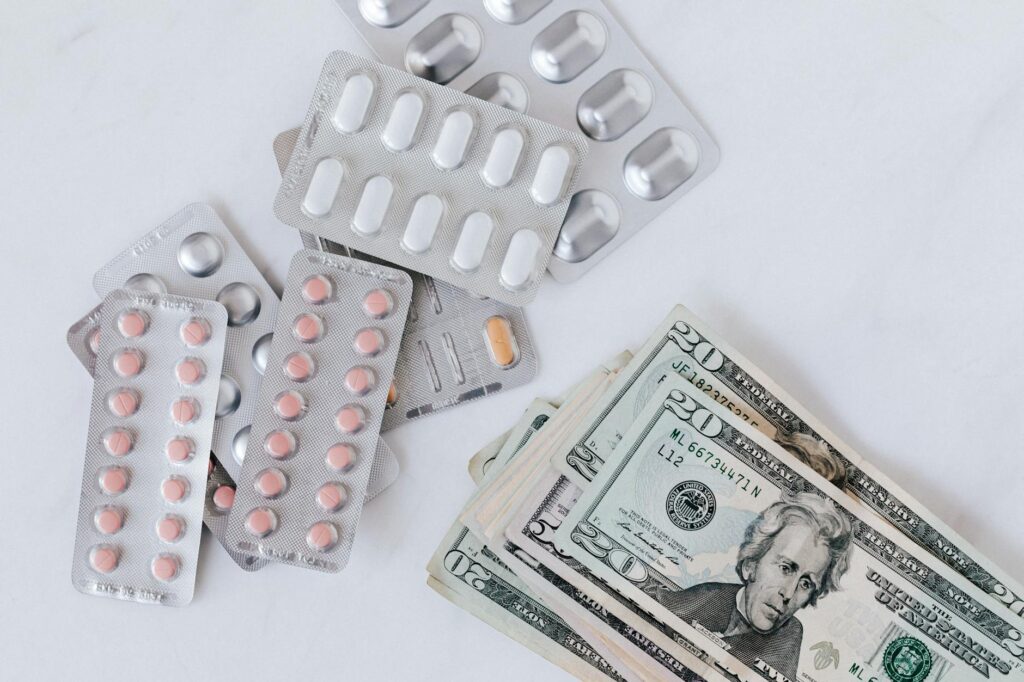
Accutane (isotretinoin) typically costs between $65 and $200 per month for the generic version without insurance, though prices can drop as low as $80 with pharmacy discount coupons. For a complete treatment course lasting four to six months, patients should expect total medication costs ranging from roughly $260 to $1,200, not including the required dermatologist visits and monthly blood work. Brand-name Accutane runs significantly higher at $300 to $700 or more per month, which is why most patients and prescribers opt for generic isotretinoin. With insurance coverage, monthly copays average around $25, with a typical range of $0 to $150 depending on your plan.
To put this in perspective, someone paying out-of-pocket for a five-month generic isotretinoin course using a GoodRx coupon might pay around $400 for the medication alone. Add in an initial dermatologist consultation at roughly $250 and four follow-up visits at $125 each, and the total climbs to approximately $1,150. That same treatment with good insurance coverage could cost as little as $125 in copays for the medication over five months, plus whatever specialist visit copays apply under your plan. This article breaks down the specific pricing by dosage, explains the difference between brand-name and generic costs, outlines what insurance typically covers, and identifies concrete strategies to reduce your total out-of-pocket expense for isotretinoin treatment.
Table of Contents
- What Factors Determine the Total Cost of Accutane Treatment?
- Generic Versus Brand-Name Isotretinoin: Understanding the Price Gap
- How Insurance Coverage Affects Your Isotretinoin Costs
- Strategies to Lower Your Out-of-Pocket Isotretinoin Expense
- Potential Hidden Costs and Financial Planning for Treatment
- Comparing Isotretinoin Cost to Long-Term Acne Treatment Alternatives
- When Cost Should Not Drive Your Treatment Decision
- Conclusion
What Factors Determine the Total Cost of Accutane Treatment?
The monthly price of isotretinoin varies based on three primary factors: whether you choose brand-name or generic, your prescribed dosage, and whether you have insurance coverage. Generic isotretinoin averages $868.88 at retail price for a 30-day supply, but discount programs routinely cut this to $80 or less. Brand-name Accutane averages $273.11 at retail and can be reduced to around $51.43 with coupons, though brand-name remains less commonly prescribed due to the cost difference. Dosage directly affects price. A 30-capsule supply of 10 mg isotretinoin starts around $87.09, while 20 mg runs approximately $89.63, and 30 mg begins at $111.52.
Most patients start at lower doses and may increase over time, meaning early months of treatment may cost less than later months if your dermatologist adjusts your prescription upward. Someone prescribed 40 mg daily (often achieved with two 20 mg capsules) will pay more than someone on a 20 mg single-capsule regimen. Beyond the medication itself, isotretinoin treatment requires monthly dermatologist appointments and blood tests to monitor liver function and lipid levels. These monitoring requirements are non-negotiable due to the medication’s potential side effects, so any realistic budget must account for them. For uninsured patients, this adds roughly $125 per follow-up visit, potentially increasing total treatment cost by $500 to $750 over a typical course.

Generic Versus Brand-Name Isotretinoin: Understanding the Price Gap
The price difference between generic isotretinoin and brand-name Accutane represents one of the largest savings opportunities in acne treatment. Generic versions contain the same active ingredient at the same concentrations and must meet FDA bioequivalence standards, yet cost a fraction of the brand-name price. At current retail pricing, brand-name Accutane averages $273.11 compared to generic isotretinoin at roughly $868.88, though both respond dramatically to discount coupons””brand-name dropping to $51.43 and generic to $80 with programs like GoodRx. However, if your pharmacy only stocks certain generic manufacturers or your dermatologist specifies a particular brand for clinical reasons, you may not have full flexibility to shop for the lowest price.
Some patients report differences in side effects between manufacturers, though no systematic evidence supports these claims. If you experience unusual reactions after switching between generic versions, document this and discuss it with your prescriber rather than assuming you must pay for brand-name. The counterintuitive pricing””where brand-name can be cheaper with coupons than generic at retail””reflects the complex economics of pharmaceutical pricing and discount program negotiations. The practical takeaway: always check current coupon prices for both brand-name and generic options before filling your prescription, as the cheapest option may not be what you expect.
How Insurance Coverage Affects Your Isotretinoin Costs
Most U.S. insurance plans, including Medicare and Medicaid, cover isotretinoin for severe acne treatment. Patients with coverage typically pay monthly copays between $0 and $150, with the average reported copay around $25 per month. This represents substantial savings compared to the hundreds of dollars self-pay patients might spend, making insurance status perhaps the single largest determinant of out-of-pocket treatment cost. For example, a patient with a mid-tier insurance plan and a $25 medication copay undergoing five months of treatment would pay $125 total for isotretinoin.
Add typical specialist copays of $40 per visit for six appointments (initial plus five follow-ups), and the total cost reaches $365. Compare this to the $1,150 or more an uninsured patient might pay, and the value of coverage becomes clear. Insurance plans may impose prior authorization requirements or step therapy protocols before approving isotretinoin. Step therapy means you must first try and fail other treatments””typically topical retinoids and oral antibiotics””before the plan covers isotretinoin. This can delay treatment by weeks or months. If your dermatologist believes isotretinoin is medically necessary from the start, they can often appeal these requirements, so communicate clearly about your treatment history and ask about the appeals process if initial authorization is denied.

Strategies to Lower Your Out-of-Pocket Isotretinoin Expense
Pharmacy discount programs offer the most accessible savings for patients paying without insurance or facing high copays. GoodRx, SingleCare, and USA Rx can reduce generic isotretinoin costs to approximately $90 per month, with GoodRx currently offering prices as low as $80 for a 30-day supply. These programs are free to use and work at most major pharmacy chains. Some telehealth dermatology services have begun offering guaranteed isotretinoin pricing as part of bundled treatment programs. Honeydew, for instance, advertises a maximum price of $50 per box of medication.
These services may also reduce costs associated with required monthly visits, since telehealth appointments often cost less than in-person consultations. However, telehealth isotretinoin prescribing involves specific regulatory requirements around the iPLEDGE program, and not all services operate in all states. The tradeoff with telehealth involves continuity of care and physical examination limitations. A dermatologist who can examine your skin in person may catch nuances that video consultations miss, particularly regarding side effects like excessive dryness or early signs of more serious reactions. For straightforward cases in patients who have previously used isotretinoin or have uncomplicated medical histories, telehealth may offer good value. For patients with complex medical backgrounds or those new to the medication, in-person care may justify the additional cost.
Potential Hidden Costs and Financial Planning for Treatment
The iPLEDGE program, which all isotretinoin patients and prescribers must participate in, adds administrative complexity that can create unexpected costs. If you miss your monthly iPLEDGE window for pregnancy testing and verification (required for all patients who can become pregnant), you may need to wait until the next cycle to fill your prescription, potentially extending your total treatment duration and cost. Planning around these deadlines is essential. Blood work requirements present another variable expense. Baseline testing before starting treatment and periodic monitoring during treatment check liver enzymes, cholesterol, and triglycerides.
Insurance typically covers these labs as part of medication management, but uninsured patients may face charges of $100 to $300 per panel depending on the facility. Quest Diagnostics and Labcorp offer self-pay pricing that can reduce these costs, and some dermatology practices include basic monitoring in their visit fees. Patients should also budget for side effect management. Nearly everyone on isotretinoin experiences significant dry skin and lips, requiring moisturizers, lip balms, and potentially eye drops for dry eyes. These over-the-counter products might add $20 to $50 per month to your treatment costs. While not technically part of the medication expense, they’re effectively required for tolerable treatment.

Comparing Isotretinoin Cost to Long-Term Acne Treatment Alternatives
When evaluating whether isotretinoin’s upfront cost is worthwhile, consider the cumulative expense of alternative treatments over time. A patient using prescription topical retinoids, benzoyl peroxide, and periodic oral antibiotics might spend $100 to $200 per month indefinitely, since these treatments manage rather than cure acne. Over two years, that adds up to $2,400 to $4,800 without necessarily achieving clear skin.
Isotretinoin, by contrast, produces permanent remission in roughly 85% of patients after a single course. Even at the higher end of out-of-pocket costs””say, $1,500 for medication, visits, and labs over six months””this represents a finite expense with a high likelihood of long-term resolution. For many patients, the math favors isotretinoin despite higher short-term costs.
When Cost Should Not Drive Your Treatment Decision
While managing treatment expenses matters, isotretinoin prescribing should ultimately be a clinical decision based on acne severity, scarring risk, and response to other treatments. Severe nodular or cystic acne that’s causing physical scarring warrants aggressive treatment regardless of cost, since scars are permanent and their psychological and financial impact (including potential future treatments like laser resurfacing) far exceeds isotretinoin’s expense.
Patients who feel they cannot afford proper monitoring””the monthly visits and blood work””should not skip these requirements to save money. Isotretinoin’s serious potential side effects, including liver damage and severe birth defects, require professional supervision. If cost is a barrier to safe treatment, discuss this openly with your dermatologist, who may know of patient assistance programs, sliding-scale clinics, or other resources.
Conclusion
Isotretinoin treatment costs range from under $200 total for well-insured patients to $1,500 or more for those paying entirely out-of-pocket. The primary cost variables are insurance coverage, generic versus brand-name selection, and dosage requirements.
Pharmacy discount programs can reduce generic isotretinoin to around $80 per month, making treatment accessible even without insurance coverage. The most effective approach to managing costs involves checking current coupon prices before each refill, understanding your insurance benefits thoroughly, budgeting for required monitoring appointments and labs, and planning around iPLEDGE timing requirements to avoid treatment delays. For patients with severe acne, isotretinoin often represents better long-term value than indefinite use of less effective treatments, despite higher upfront costs.