Two percent salicylic acid is the maximum concentration allowed by the FDA for over-the-counter acne treatment, and clinical research supports its effectiveness. In studies, 2% salicylic acid has demonstrated a 51.01% improvement rate after 12 weeks of consistent use. A 2024 multicenter randomized trial found that 2% supramolecular salicylic acid hydrogel performs with equivalent efficacy to adapalene gel””a prescription-strength retinoid””for mild to moderate acne. For someone dealing with persistent blackheads or occasional inflammatory pimples, this means a drugstore product can deliver results comparable to what once required a dermatologist visit.
The ingredient works because it is oil-soluble, unlike water-soluble acids that sit on the skin’s surface. This allows salicylic acid to penetrate into pores, dissolve excess sebum, and break apart the bonds holding dead skin cells together. The result is unclogged pores and reduced inflammation. However, 2% is not appropriate for everyone””those with sensitive skin or first-time acid users should start at 0.5% to assess tolerance before moving up. This article covers the science behind how salicylic acid treats acne, who benefits most from the 2% concentration, how it compares to other common acne treatments, potential side effects, and how to incorporate it into a routine without damaging your skin barrier.
Table of Contents
- How Does 2 Percent Salicylic Acid Work on Acne?
- Who Should Use 2 Percent Salicylic Acid?
- How Does Salicylic Acid Compare to Benzoyl Peroxide and Adapalene?
- Potential Side Effects of 2 Percent Salicylic Acid
- Combining Salicylic Acid with Other Treatments
- Choosing the Right Salicylic Acid Product Format
- What to Expect During the First Weeks of Treatment
- Conclusion
How Does 2 Percent Salicylic Acid Work on Acne?
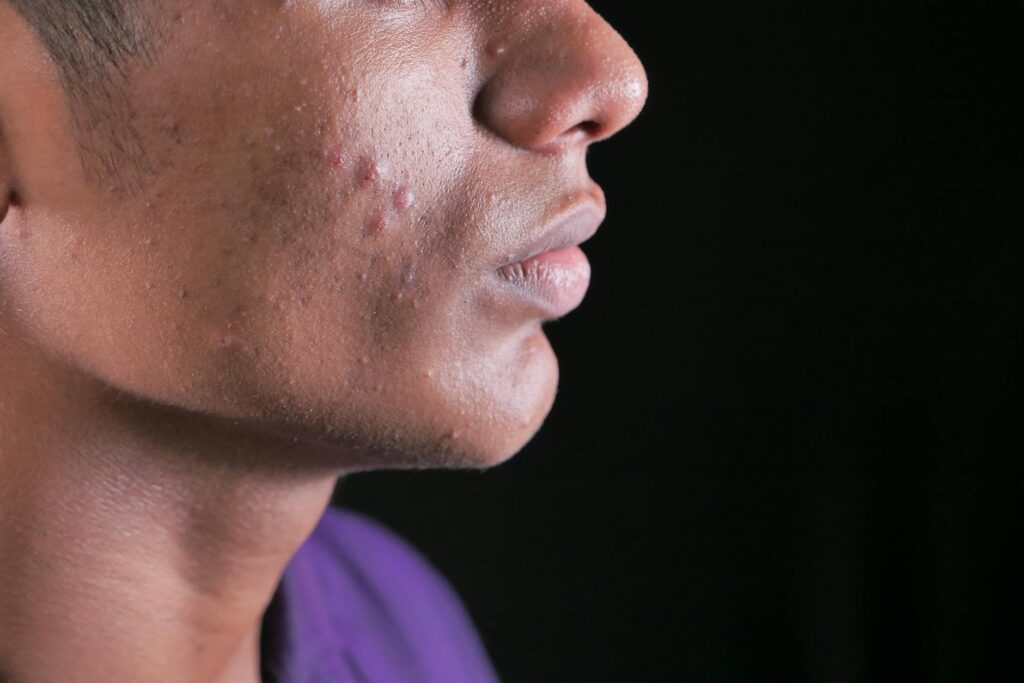
Salicylic acid is classified as a beta-hydroxy acid, which distinguishes it from alpha-hydroxy acids like glycolic acid. The key difference lies in its lipophilic (oil-loving) molecular structure. While AHAs work primarily on the skin’s surface, salicylic acid can cut through the oily sebum that clogs pores and work from the inside out. It dissolves the keratin plugs that form blackheads and whiteheads, making it particularly effective for comedonal acne.
Beyond exfoliation, salicylic acid exerts mild anti-inflammatory properties. This makes it suitable not just for non-inflammatory comedones but also for papules and pustules””the red, swollen bumps that develop when clogged pores become infected. For example, someone with a mix of blackheads on their nose and occasional inflamed pimples on their chin would find 2% salicylic acid addresses both concerns through a single ingredient. The FDA permits concentrations between 0.5% and 2% for OTC topical acne products, placing salicylic acid alongside benzoyl peroxide (2.5-10%) and sulfur (3-10%) as approved active ingredients. Higher concentrations of 10-50% exist but are reserved for professional chemical peels performed in dermatology offices””these are not consumer products and carry significantly higher risks of adverse reactions.

Who Should Use 2 Percent Salicylic Acid?
The 2% concentration works best for mild acne, particularly blackheads, whiteheads, and small inflammatory lesions. Acne vulgaris is the eighth most common skin disease globally with a prevalence of 9.4%, and between 27% and 96% of adolescents experience it at some point. For this large population dealing with mild to moderate breakouts, 2% salicylic acid offers an accessible first-line treatment. However, if your acne is predominantly cystic””deep, painful nodules beneath the skin””salicylic acid alone will likely prove insufficient.
Cystic acne forms too deep within the skin for topical BHAs to reach effectively. In these cases, prescription treatments like oral antibiotics, hormonal therapy, or isotretinoin may be necessary. Similarly, those with very sensitive skin, rosacea, or compromised skin barriers should approach 2% formulations cautiously or opt for the gentler 0.5% concentration first. The ingredient is not recommended for children under three years of age, except in shampoo formulations where contact time is brief. For teenagers and adults with oily, acne-prone skin that is not highly sensitive, the 2% concentration offers the strongest OTC option without requiring a prescription.
How Does Salicylic Acid Compare to Benzoyl Peroxide and Adapalene?
One of the most compelling findings from recent research is how well 2% salicylic acid holds up against stronger acne treatments. A randomized split-face study demonstrated that 2% salicylic acid has similar efficacy to a combination of 5% benzoyl peroxide plus 0.1% adapalene. This is notable because that combination represents a more aggressive treatment approach, yet outcomes were comparable. The 2024 multicenter randomized trial comparing 2% supramolecular salicylic acid hydrogel to adapalene gel””a vitamin A derivative that requires a prescription in many countries””found equivalent efficacy for mild to moderate acne. This does not mean salicylic acid should replace adapalene in all cases, but it suggests that for appropriate candidates, the more accessible option performs just as well.
The tradeoff involves side effect profiles. Benzoyl peroxide bleaches fabrics and can cause significant dryness and irritation. Adapalene frequently triggers a “purging” period where acne temporarily worsens before improving. Salicylic acid tends to produce milder side effects overall, though it can still cause dryness and irritation. For someone who has tried benzoyl peroxide and found it too harsh, 2% salicylic acid offers a reasonable alternative with clinical backing.

Potential Side Effects of 2 Percent Salicylic Acid
Despite being gentler than some alternatives, 2% salicylic acid is not without risks. Common side effects include dryness, redness, burning, itching, peeling, and swelling. These reactions are more likely when starting treatment, when using the product too frequently, or when combining it with other active ingredients like retinoids or additional acids. For example, someone who applies a 2% salicylic acid cleanser in the morning and follows with a glycolic acid toner and a retinol serum at night is likely overwhelming their skin barrier.
The resulting irritation, flaking, and sensitivity can worsen acne rather than improve it. A more sensible approach involves introducing salicylic acid as the only active in a routine until skin adjusts, then carefully adding other products with buffer days between actives. Those with eczema, psoriasis, or generally reactive skin should start with 0.5% salicylic acid and monitor for adverse reactions before considering the 2% concentration. If burning or swelling persists beyond the first week of use, discontinuation is advisable. Allergic reactions, while rare, do occur and warrant immediate medical attention.
Combining Salicylic Acid with Other Treatments
Recent research has explored combination therapies that pair 2% salicylic acid with other modalities. A 2025 study combining 2% salicylic acid with photodynamic therapy achieved the highest effective rate for moderate acne with no severe adverse reactions. This suggests the ingredient plays well with professional treatments for those whose acne requires more intervention than topicals alone. In daily routines, salicylic acid can be layered with non-active ingredients like hyaluronic acid for hydration and niacinamide for oil control and barrier support.
These combinations address multiple concerns without increasing irritation risk. However, combining 2% salicylic acid with other exfoliating acids (glycolic, lactic, mandelic) or with retinoids in the same routine step is generally inadvisable. The cumulative exfoliation can compromise the skin barrier, leading to increased sensitivity and paradoxically more breakouts. A practical example: use a 2% salicylic acid treatment in the evening on Monday, Wednesday, and Friday, and reserve Tuesday and Thursday for a retinoid if you use one. This alternating schedule allows skin recovery time between active treatments.

Choosing the Right Salicylic Acid Product Format
The 2% concentration appears in various product formats””cleansers, toners, serums, spot treatments, and leave-on creams. The format affects how much active ingredient actually reaches your pores. Cleansers, while convenient, remain on skin for only 30-60 seconds before rinsing, limiting penetration.
Leave-on products like serums or treatments provide longer contact time and generally deliver better results. Someone with oily skin across their entire face might benefit from a leave-on 2% salicylic acid serum applied after cleansing. Someone with combination skin who only breaks out in the T-zone might prefer a targeted spot treatment applied just to problem areas. The cleanser format works best as a maintenance product for those who have already cleared active acne and want to prevent new comedones.
What to Expect During the First Weeks of Treatment
The 51.01% improvement rate observed in clinical studies occurred after 12 weeks of treatment””not overnight. During the first two to four weeks, some users experience a temporary increase in breakouts as the acid brings existing clogs to the surface faster. This is sometimes called purging, though it is typically milder than the purging associated with retinoids.
Realistic expectations involve subtle improvements in skin texture and reduced oiliness within the first few weeks, with visible reduction in blackheads and whiteheads becoming apparent around weeks four to six. Inflammatory lesions may take longer to resolve. Patience and consistency matter more than increasing frequency of application, which tends to backfire through irritation.
Conclusion
Two percent salicylic acid represents the strongest over-the-counter concentration available and has demonstrated clinical efficacy comparable to prescription-strength treatments like adapalene for mild to moderate acne. Its oil-soluble nature allows it to work inside pores where acne begins, dissolving sebum plugs and reducing inflammation without the bleaching effects of benzoyl peroxide or the adjustment period of retinoids.
The ingredient suits those with mild acne characterized by blackheads, whiteheads, and occasional papules. It is not a solution for severe cystic acne, and it does carry side effects including dryness and irritation, particularly for sensitive skin types. Starting slowly, maintaining realistic expectations over a 12-week timeline, and avoiding the temptation to combine too many actives will yield the best outcomes from this well-researched ingredient.