
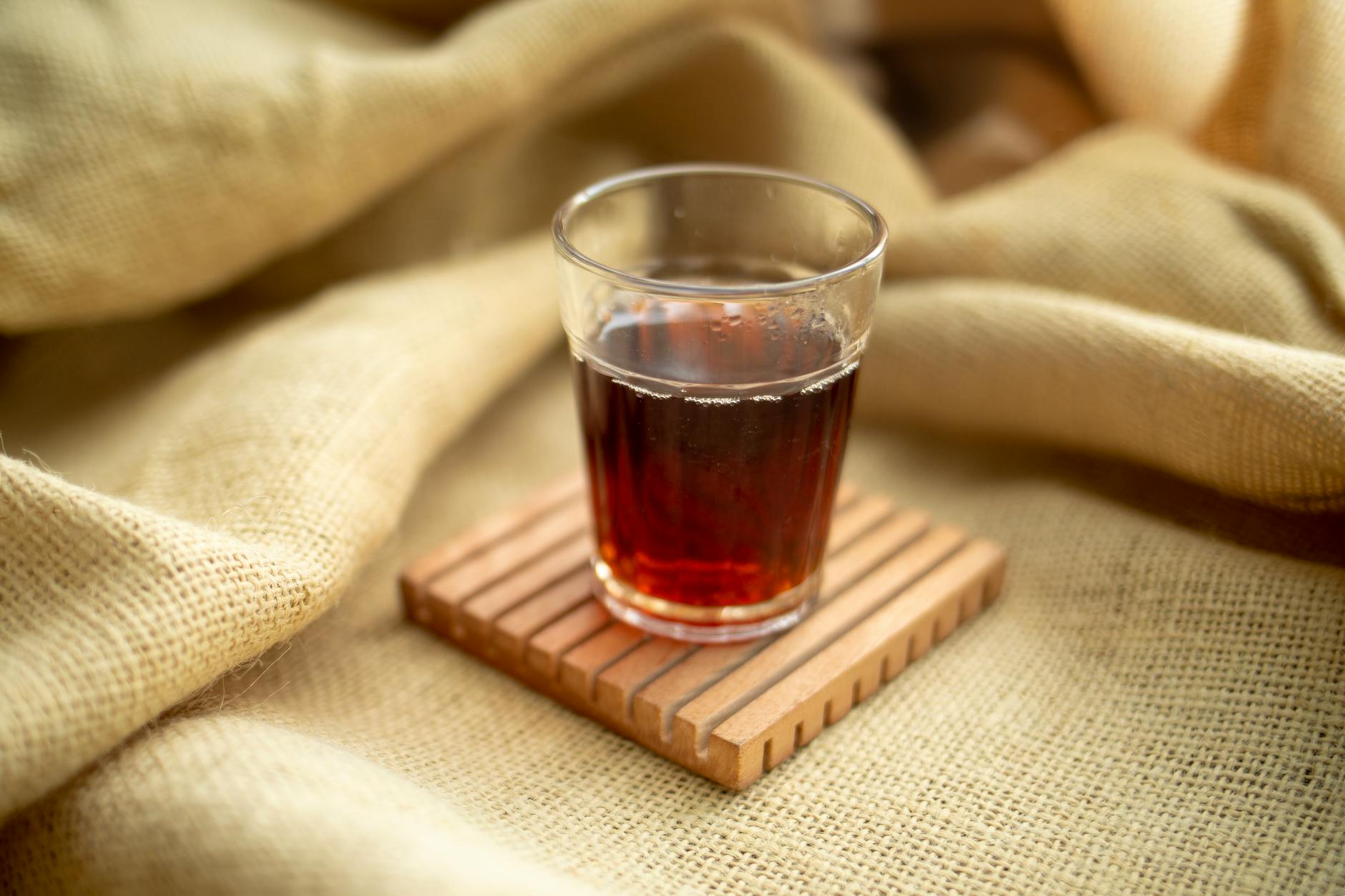
Drinking spearmint tea can help reduce hormonal acne, particularly for women whose breakouts are driven by elevated androgen levels. Research suggests that spearmint possesses anti-androgenic properties, meaning it can lower testosterone and other male hormones that trigger excess sebum production and clogged pores. For someone experiencing persistent chin and jawline acne that worsens around their menstrual cycle, adding two cups of spearmint tea daily could produce noticeable improvements within one to three months, though results vary considerably from person to person.
That said, spearmint tea is not a miracle cure and works best as part of a broader skincare and lifestyle strategy. A 30-year-old woman with moderate hormonal acne might find that spearmint tea reduces the severity of her monthly breakouts by 25 percent but still needs topical treatments to fully clear her skin. The tea addresses one contributing factor””androgen levels””but hormonal acne is multifactorial, involving genetics, stress, diet, and skincare habits. This article examines the scientific evidence behind spearmint tea, explains who is most likely to benefit, discusses proper dosing and timing, and covers potential side effects and limitations you should understand before brewing your first cup.
Table of Contents
- What Is the Science Behind Spearmint Tea and Hormonal Acne?
- Who Benefits Most from Spearmint Tea for Acne?
- How Much Spearmint Tea Should You Drink Daily?
- What Are the Side Effects and Risks of Spearmint Tea?
- How Long Before Spearmint Tea Shows Results?
- Can You Combine Spearmint Tea with Other Acne Treatments?
- What Alternatives Exist if Spearmint Tea Doesn’t Work?
- Conclusion
What Is the Science Behind Spearmint Tea and Hormonal Acne?
Spearmint (*Mentha spicata*) contains compounds that interfere with androgen activity in the body. The most studied mechanism involves spearmint’s ability to reduce free testosterone by increasing sex hormone-binding globulin (SHBG), a protein that binds to testosterone and renders it inactive. Two notable studies conducted in Turkey examined women with hirsutism (excess facial hair) caused by elevated androgens. Participants who drank spearmint tea twice daily for 30 days showed significant reductions in free testosterone levels compared to placebo groups drinking chamomile tea. While these studies focused on hirsutism rather than acne specifically, the connection is significant because both conditions share a common hormonal driver.
Androgens stimulate sebaceous glands to produce more oil, and that excess sebum mixes with dead skin cells to clog pores and create acne lesions. By contrast, peppermint tea, despite being botanically related, does not demonstrate the same anti-androgenic effects in research. A woman trying to choose between the two teas for hormonal acne should specifically select spearmint, as the rosmarinic acid and other polyphenols responsible for anti-androgenic activity are present in higher concentrations in spearmint than in peppermint varieties. The limitation of existing research is sample size and duration. Most studies involved fewer than 50 participants and lasted only one to two menstrual cycles. Dermatologists generally want to see three to six months of consistent treatment before judging acne interventions, so the tea’s true long-term efficacy remains somewhat uncertain in clinical terms, even if anecdotal reports from acne communities are largely positive.
Who Benefits Most from Spearmint Tea for Acne?
Spearmint tea appears most effective for individuals whose hormonal panels show elevated androgens or whose acne patterns suggest androgen involvement. Classic signs include breakouts concentrated on the lower face””chin, jawline, and neck””that worsen during the luteal phase of the menstrual cycle (the week before menstruation). Women with polycystic ovary syndrome (PCOS), a condition characterized by high androgen levels, often report the most dramatic improvements after adding spearmint tea to their routines. However, if your acne is primarily inflammatory or bacterial rather than hormonal, spearmint tea is unlikely to make a significant difference.
A teenager with widespread comedonal acne across the forehead and nose, for instance, probably has acne driven more by normal puberty-related skin changes than by androgen excess. Similarly, adults experiencing stress-related breakouts or acne triggered by pore-clogging skincare products won’t address the root cause by drinking tea. Before investing months in a spearmint tea regimen, consider whether your breakout pattern matches hormonal characteristics or consult a dermatologist who can order hormone panels to identify whether androgen levels are genuinely elevated. Men can technically drink spearmint tea, but the anti-androgenic effects that benefit women with hormonal acne could produce unwanted hormonal changes in men, including reduced libido or changes in body hair patterns. Men with acne are generally better served by conventional treatments like retinoids or benzoyl peroxide rather than attempting to lower their testosterone levels.
How Much Spearmint Tea Should You Drink Daily?
The standard recommendation based on existing research is two cups (approximately 250 ml each) of spearmint tea per day, consumed consistently for at least one to three months before evaluating results. This dosage aligns with the Turkish studies that demonstrated measurable reductions in free testosterone. Brewing the tea properly matters: use one tablespoon of dried spearmint leaves (or one tea bag) per cup, steep in boiling water for five to ten minutes, and avoid adding milk, which may bind some of the active compounds. Some people opt for spearmint supplements in capsule form, which offer a more concentrated and standardized dose. A typical capsule contains 400 to 500 mg of spearmint leaf extract, roughly equivalent to two or three cups of tea.
Capsules may be more convenient for those who dislike the taste of tea or struggle to drink it consistently, but they also carry higher risk of side effects due to the concentrated dose. Fresh spearmint leaves added to water or smoothies contain lower concentrations of active compounds than dried tea and may not produce meaningful hormonal effects, though they taste pleasant. The tradeoff between tea and supplements comes down to control versus convenience. Tea allows you to start with a lower dose and gradually increase while monitoring how your body responds. Capsules deliver a consistent, potent dose every time but leave less room for adjustment. Most dermatologists and naturopaths recommend starting with tea, then considering supplements only if tea proves ineffective after two to three months of consistent use.

What Are the Side Effects and Risks of Spearmint Tea?
While spearmint tea is generally considered safe, it is not without potential side effects, particularly at higher doses or with extended use. The most commonly reported issues include heartburn, nausea, and digestive discomfort, especially when drinking tea on an empty stomach. Individuals with gastroesophageal reflux disease (GERD) may find that spearmint relaxes the lower esophageal sphincter and worsens acid reflux symptoms””a paradoxical effect given spearmint’s reputation as a soothing herb. The anti-androgenic properties that make spearmint beneficial for hormonal acne also mean it could interfere with hormonal medications or conditions.
Women taking birth control pills, spironolactone, or hormone replacement therapy should consult their doctors before adding spearmint tea, as the combined effects on hormone levels could be unpredictable. Similarly, pregnant and breastfeeding women should avoid spearmint tea in medicinal quantities because its effects on fetal development and hormone-sensitive conditions remain unstudied. A less obvious risk involves expectations. Spearmint tea has gained significant popularity in online acne communities, sometimes presented as a natural cure-all. Someone who abandons proven treatments like topical retinoids in favor of tea alone may experience worsening acne and scarring while waiting for the tea to “work.” The safest approach treats spearmint tea as a complementary therapy rather than a replacement for evidence-based dermatological care.
How Long Before Spearmint Tea Shows Results?
Patience is essential when using spearmint tea for hormonal acne. Most people who eventually see benefits report initial improvements after four to eight weeks, with more substantial clearing occurring between two and three months of consistent daily consumption. Hormonal acne has a cyclical nature tied to menstrual patterns, so evaluating whether spearmint tea is working requires tracking breakouts over multiple cycles rather than judging based on a single week. Consider the example of someone who starts drinking spearmint tea on January 1st. By mid-February, they might notice slightly fewer deep cysts forming along their jawline before their period.
By April, those cyclical breakouts might reduce from four or five cysts to one or two. Complete clearance is uncommon with spearmint tea alone, but a 40 to 60 percent reduction in hormonal lesions represents a meaningful improvement for many people. If three full months pass without any noticeable change, spearmint tea is probably not addressing your particular acne drivers, and redirecting effort toward other treatments makes sense. Taking progress photos in consistent lighting every two weeks helps assess subtle improvements that might otherwise go unnoticed. Our memories of past skin are unreliable, and what feels like “no improvement” sometimes reveals itself as significant progress when comparing current photos to those from weeks earlier.
Can You Combine Spearmint Tea with Other Acne Treatments?
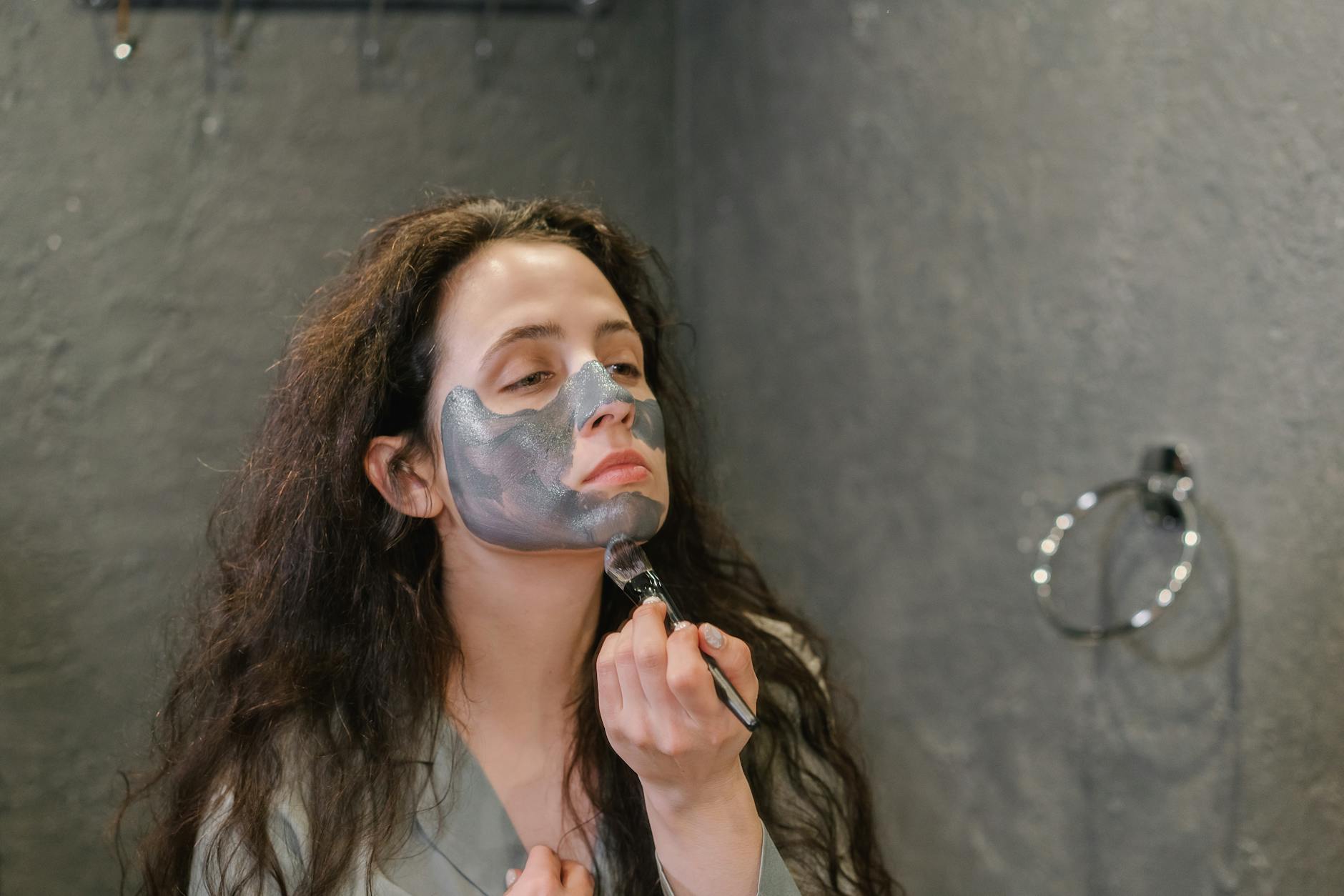
Spearmint tea combines safely with most standard acne treatments and may enhance their effectiveness by addressing hormonal factors that topicals cannot reach. A comprehensive approach might include spearmint tea alongside a topical retinoid (like adapalene or tretinoin) for cell turnover, benzoyl peroxide for bacterial control, and a gentle, non-comedogenic skincare routine. Each component targets a different contributor to acne formation.
Dermatologists sometimes prescribe spironolactone, an oral anti-androgen medication, for hormonal acne in women. Combining spironolactone with spearmint tea creates an additive anti-androgenic effect that could potentially lower androgens too much, leading to side effects like fatigue, irregular periods, or breast tenderness. Anyone already taking spironolactone should discuss spearmint tea with their prescribing doctor rather than adding it independently. The combination might be beneficial at adjusted doses, or it might be unnecessary if spironolactone is already achieving adequate hormonal suppression.
What Alternatives Exist if Spearmint Tea Doesn’t Work?
For those who try spearmint tea without success, several other approaches specifically target hormonal acne. Spironolactone remains the gold standard prescription option for androgen-driven acne in women, with decades of clinical evidence supporting its efficacy. Oral contraceptives containing anti-androgenic progestins like drospirenone (found in Yaz and Yasmin) can also dramatically improve hormonal acne by stabilizing hormone fluctuations throughout the menstrual cycle.
On the natural side, some evidence supports DIM (diindolylmethane), a compound derived from cruciferous vegetables that helps metabolize estrogen more efficiently. Reducing dairy consumption helps some individuals, as milk contains hormones and growth factors that may exacerbate acne. These alternatives each come with their own limitations: prescription medications require doctor visits and carry side effect profiles, while natural supplements vary in quality and lack rigorous clinical testing. Working with a dermatologist allows for systematic trial of different approaches based on individual hormone profiles and acne characteristics.
Conclusion
Spearmint tea offers a low-risk, accessible option for managing hormonal acne, particularly for women with elevated androgen levels or PCOS. Research demonstrates its ability to reduce free testosterone, and consistent consumption of two cups daily for two to three months produces noticeable improvement for many individuals. The tea works best as a complementary therapy alongside proper skincare and, when necessary, conventional acne treatments rather than as a standalone solution.
Understanding spearmint tea’s limitations prevents frustration and wasted time. It will not help acne caused by bacteria, pore-clogging products, or non-hormonal factors. Results take months to manifest and vary significantly between individuals. Those who track their breakouts, maintain realistic expectations, and combine spearmint tea with a comprehensive acne management plan stand the best chance of benefiting from this evidence-backed natural remedy.