

The best order to apply acne products follows a simple principle: thinnest to thickest consistency, moving from water-based formulas to oil-based ones. For a morning routine, this means cleanser, toner, spot treatment, serum, moisturizer, and sunscreen. At night, swap out the sunscreen and spot treatment for a treatment serum like retinol, followed by a lightweight moisturizer. This sequence ensures each product can penetrate the skin properly before the next layer creates a barrier.
Consider someone using benzoyl peroxide for breakouts alongside a hyaluronic acid serum and a thick night cream. If they apply the night cream first, the benzoyl peroxide sits on top of an occlusive layer and never reaches the pores where it needs to work. The same person applying products in the correct order””cleanser, benzoyl peroxide, serum, then cream””gives each ingredient direct access to the skin before sealing everything in. This article breaks down the specific steps for both morning and evening routines, explains why certain products must come before others, addresses the risks of combining too many active ingredients, and offers guidance on building a sustainable routine that treats acne without destroying your skin barrier.
Table of Contents
- Why Does the Order of Acne Products Matter for Treatment Effectiveness?
- The Complete Morning Routine for Acne-Prone Skin
- How Nighttime Application Differs from Daytime Routines
- Why Layering Multiple Active Ingredients Can Backfire
- The Three Non-Negotiable Steps for Acne-Prone Skin
- Understanding Sunscreen Requirements After Acne Treatments
- Building a Sustainable Long-Term Acne Routine
- Conclusion
Why Does the Order of Acne Products Matter for Treatment Effectiveness?
Product order determines whether your acne treatments actually reach your skin or simply sit on top of other layers, wasting money and delivering minimal results. Water-based products have smaller molecules that absorb quickly, while oil-based products and thick creams create a physical barrier. When lightweight treatments like salicylic acid toners or benzoyl peroxide gels are applied to clean skin first, they penetrate into pores where acne forms. Heavy creams and sunscreens come last because their job is to seal in the previous layers and protect the skin surface. The chemistry matters here.
Acne treatments containing acids or retinoids need to interact directly with skin cells to regulate turnover, dissolve sebum plugs, or kill acne-causing bacteria. A moisturizer applied beforehand dilutes these effects significantly. In clinical practice, dermatologists often see patients frustrated that their prescription treatments aren’t working, only to discover they’ve been applying them over serums or creams that block absorption. However, there’s an important exception: if you have sensitive or compromised skin, applying a thin layer of moisturizer before a strong active ingredient can buffer the treatment and reduce irritation. This technique, sometimes called “buffering,” sacrifices some potency for tolerability. It’s a legitimate strategy when your skin can’t handle direct application, though it means your treatment may take longer to produce results.
The Complete Morning Routine for Acne-Prone Skin
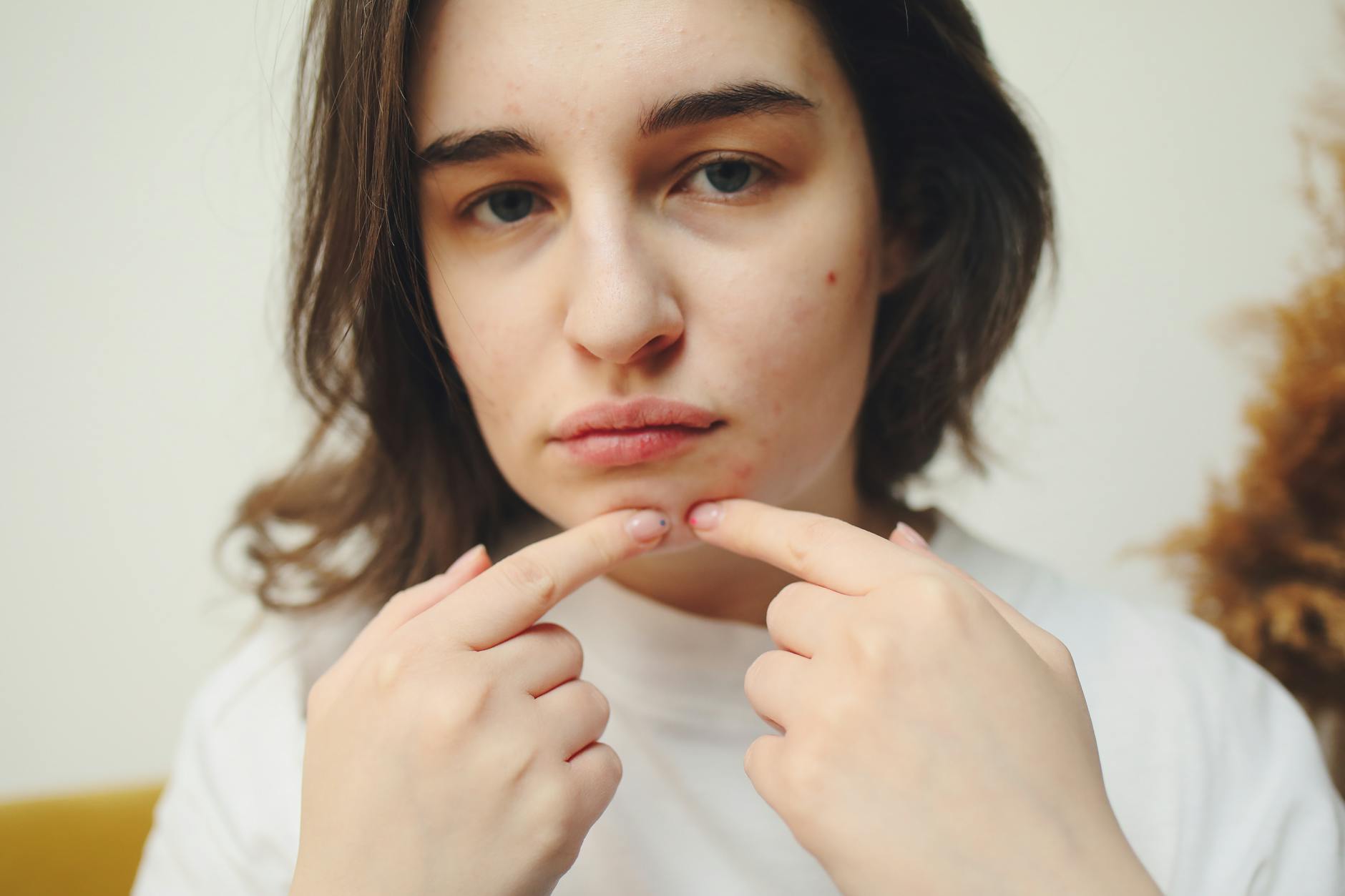
A morning acne routine serves two purposes: treating active breakouts and protecting skin from environmental damage that can worsen acne. The recommended sequence starts with a gentle cleanser to remove the oil and dead skin cells that accumulate overnight. Follow this with a toner containing salicylic acid or alpha hydroxy acids, which unclog pores and prepare skin to absorb subsequent products. Spot treatments come next. Apply benzoyl peroxide or salicylic acid directly to active pimples while skin is still slightly damp from toner. These treatments need direct contact with blemishes to work effectively.
After spot treatments dry completely””usually two to three minutes””apply any serums you’re using, such as niacinamide for oil control or vitamin C for hyperpigmentation from old breakouts. Moisturizer follows serum, even for oily skin. Skipping moisturizer triggers increased oil production as skin tries to compensate for dehydration. The final step is sunscreen, and this is non-negotiable. Dr. Gohara emphasizes that the absolute bare minimum SPF needed on your face is SPF 30. Chemical filter sunscreens work particularly well for oily and acne-prone skin because they absorb into the skin rather than sitting on top, creating a lightweight feel that won’t clog pores or leave a white cast.
How Nighttime Application Differs from Daytime Routines
Nighttime routines focus on repair and intensive treatment rather than protection. Without sun exposure to worry about, you can use ingredients like retinoids that would degrade in daylight or cause photosensitivity. The evening sequence begins the same way””cleanser followed by toner””but diverges after that. Treatment serums containing retinol or HPR retinoid ester (a newer, gentler retinoid derivative) should be applied to clean, dry skin after toner. These ingredients regulate skin cell turnover and sebum production, addressing acne at its source rather than just treating surface symptoms.
Give retinoids a few minutes to absorb before applying your final step: a lightweight moisturizer containing ceramides and niacinamide to repair the skin barrier while you sleep. One critical limitation applies here: if you’re new to retinoids, don’t start with nightly application. Begin with two or three nights per week and gradually increase frequency as your skin adjusts. Jumping straight into daily retinoid use often causes peeling, redness, and a temporary increase in breakouts””the opposite of what you’re trying to achieve. Some people never tolerate nightly retinoid use, and that’s fine. Consistent use three times weekly produces results; irritated, damaged skin does not.

Why Layering Multiple Active Ingredients Can Backfire
The temptation to attack acne from every angle often leads people to layer salicylic acid, benzoyl peroxide, retinoids, and other actives in the same routine. This approach almost always makes things worse. Dr. Margarita Lolis, a board-certified dermatologist, explains it directly: “Using too many active ingredients at once””like layering multiple treatments with AHAs, retinoids, and benzoyl peroxide””can be too harsh and irritate your skin, which can end up making breakouts worse.” When the skin barrier becomes compromised from over-treatment, it produces more oil, becomes more susceptible to bacterial infection, and loses its ability to heal existing blemishes.
Inflammation increases across the entire face rather than decreasing at specific breakout sites. Many people interpret this reaction as their acne getting worse and add even more products, creating a destructive cycle. A practical example: someone using a salicylic acid cleanser, glycolic acid toner, benzoyl peroxide spot treatment, and tretinoin serum in the same night routine is almost certainly damaging their skin. A better approach would be using the salicylic acid cleanser with tretinoin on some nights, and the gentle cleanser with benzoyl peroxide spot treatment on others. Alternating actives rather than stacking them produces better results with less irritation.
The Three Non-Negotiable Steps for Acne-Prone Skin
While elaborate routines get the most attention, the essential steps for managing acne-prone skin come down to three products: cleanser, moisturizer, and SPF. Everything else is supplementary. Someone overwhelmed by product options or dealing with a damaged skin barrier should strip their routine down to these basics before adding anything else. A gentle, non-stripping cleanser removes excess oil and debris without triggering the rebound oil production that harsh cleansers cause. Moisturizer maintains the skin barrier that keeps bacteria out and prevents the dehydration that leads to overactive sebaceous glands.
Sunscreen protects against UV damage that worsens post-inflammatory hyperpigmentation””those dark marks left behind after pimples heal””and prevents the photosensitivity reactions that many acne treatments cause. The tradeoff here is obvious: a three-step routine won’t produce dramatic results as quickly as a comprehensive regimen with multiple active ingredients. However, it establishes a stable foundation. Once skin is healthy and balanced, treatments can be added one at a time with enough buffer between introductions to identify what’s working and what’s causing problems. Rushing this process is the single most common mistake people make when addressing acne.
Understanding Sunscreen Requirements After Acne Treatments
Spot treatments containing benzoyl peroxide, salicylic acid, and especially retinoids increase skin sensitivity to sunlight. This photosensitivity means unprotected sun exposure can cause burns more easily and accelerate the darkening of acne scars. The SPF 30 minimum recommended by dermatologists isn’t arbitrary””it’s the threshold where meaningful UVB protection begins.
For acne-prone skin, sunscreen selection matters as much as SPF level. Heavy, comedogenic sunscreens can trigger new breakouts, negating the progress made by your treatment products. Chemical sunscreens using avobenzone, homosalate, or octinoxate tend to work better for oily skin because they absorb into the skin rather than forming a physical layer. Mineral sunscreens containing zinc oxide or titanium dioxide sit on the skin’s surface and can feel heavy, though newer formulations have improved significantly.
Building a Sustainable Long-Term Acne Routine
The current approach to acne treatment emphasizes what experts call “rapid intervention and root cause management”””addressing breakouts quickly while maintaining overall skin health rather than pursuing aggressive, skin-stripping regimens. This means introducing active ingredients slowly, giving each product weeks rather than days to demonstrate its effects, and prioritizing consistency over intensity. A sustainable routine also means accepting that perfect skin isn’t a realistic goal for most people with acne-prone skin.
Hormonal fluctuations, stress, and environmental factors will cause occasional breakouts regardless of your routine. The goal is management and reduction, not elimination. Someone who maintains a consistent basic routine with one or two well-chosen active ingredients will typically see better long-term results than someone constantly switching products or escalating to increasingly harsh treatments.
Conclusion
The order of acne product application””thinnest to thickest, water-based to oil-based””directly affects whether your treatments work. Morning routines should progress from cleanser through toner, spot treatment, serum, moisturizer, and sunscreen. Evening routines substitute treatment serums like retinoids for spot treatments, finishing with a barrier-repairing moisturizer.
More products and more active ingredients don’t equal better results. The combination of over-treatment and improper layering causes more acne aggravation than it solves. Start with the essential three””cleanser, moisturizer, sunscreen””and add treatments individually, watching for both improvements and signs of irritation. Consistency and patience produce clearer skin; aggressive multi-product routines typically produce damaged barriers and persistent breakouts.