
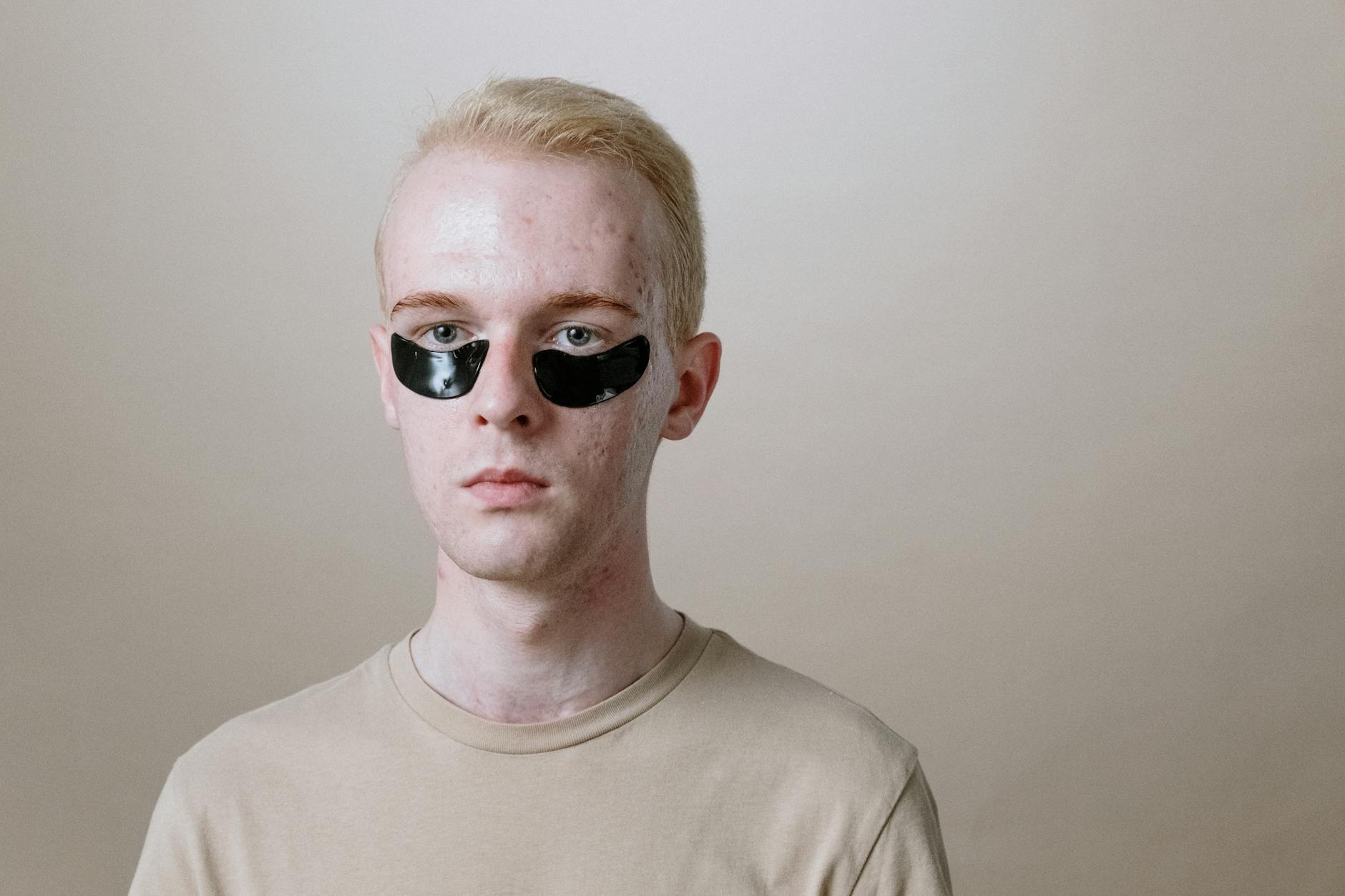
Treating recurring acne requires addressing the underlying cause rather than just the visible breakouts. The most effective approach combines a consistent daily routine using proven active ingredients””benzoyl peroxide, retinoids, or salicylic acid””with identification of your specific triggers, whether hormonal fluctuations, product buildup, or lifestyle factors. For someone who clears their skin only to see breakouts return every few weeks, the solution usually involves switching from reactive spot treatment to preventive maintenance therapy that continues even when skin looks clear.
Consider the common pattern: a person uses a strong acne treatment until their skin improves, then stops or becomes inconsistent, and within three to six weeks the same breakouts reappear in the same locations. This cycle happens because acne forms deep in pores weeks before it surfaces, and stopping treatment allows that process to restart immediately. Breaking this pattern means understanding that clear skin is the result of ongoing treatment, not a signal to stop. This article covers the specific reasons acne recurs, how to build a maintenance routine that prevents flare-ups, which ingredients work best for different acne types, when professional intervention becomes necessary, and how to identify hidden triggers that sabotage your efforts.
Table of Contents
- Why Does Acne Keep Returning After Treatment?
- Building a Maintenance Routine That Prevents Recurring Breakouts
- How Hormonal Factors Contribute to Persistent Acne
- Which Active Ingredients Work Best for Different Acne Types
- When Standard Treatments Fail and Professional Help Becomes Necessary
- Hidden Triggers That Sabotage Acne Treatment
- The Role of Skin Barrier Health in Acne Management
- Long-Term Management and Realistic Expectations
- Conclusion
Why Does Acne Keep Returning After Treatment?
acne recurrence stems from a combination of factors that don’t disappear when a breakout heals. The sebaceous glands continue producing oil, dead skin cells keep shedding into pores, and the bacteria that contribute to inflammation remain present on the skin. If you’re genetically predisposed to acne, these processes happen at rates that naturally lead to clogged pores unless actively managed. Hormonal cycles represent one of the most common drivers of recurring breakouts.
Women often notice acne flaring in predictable patterns tied to their menstrual cycle, typically worsening in the week before their period when progesterone levels peak and stimulate oil production. Men may experience more consistent acne due to steady testosterone levels, but can still see fluctuations from stress, diet, or exercise patterns that affect hormone balance. The comparison between someone who experiences occasional breakouts and someone with chronic recurring acne often comes down to underlying inflammation levels. Research shows that people with persistent acne have elevated inflammatory markers even in their clear skin, meaning the conditions for breakouts exist constantly beneath the surface. This explains why two people using identical products may have vastly different results””one is treating occasional clogs while the other is fighting systemic inflammation.
Building a Maintenance Routine That Prevents Recurring Breakouts
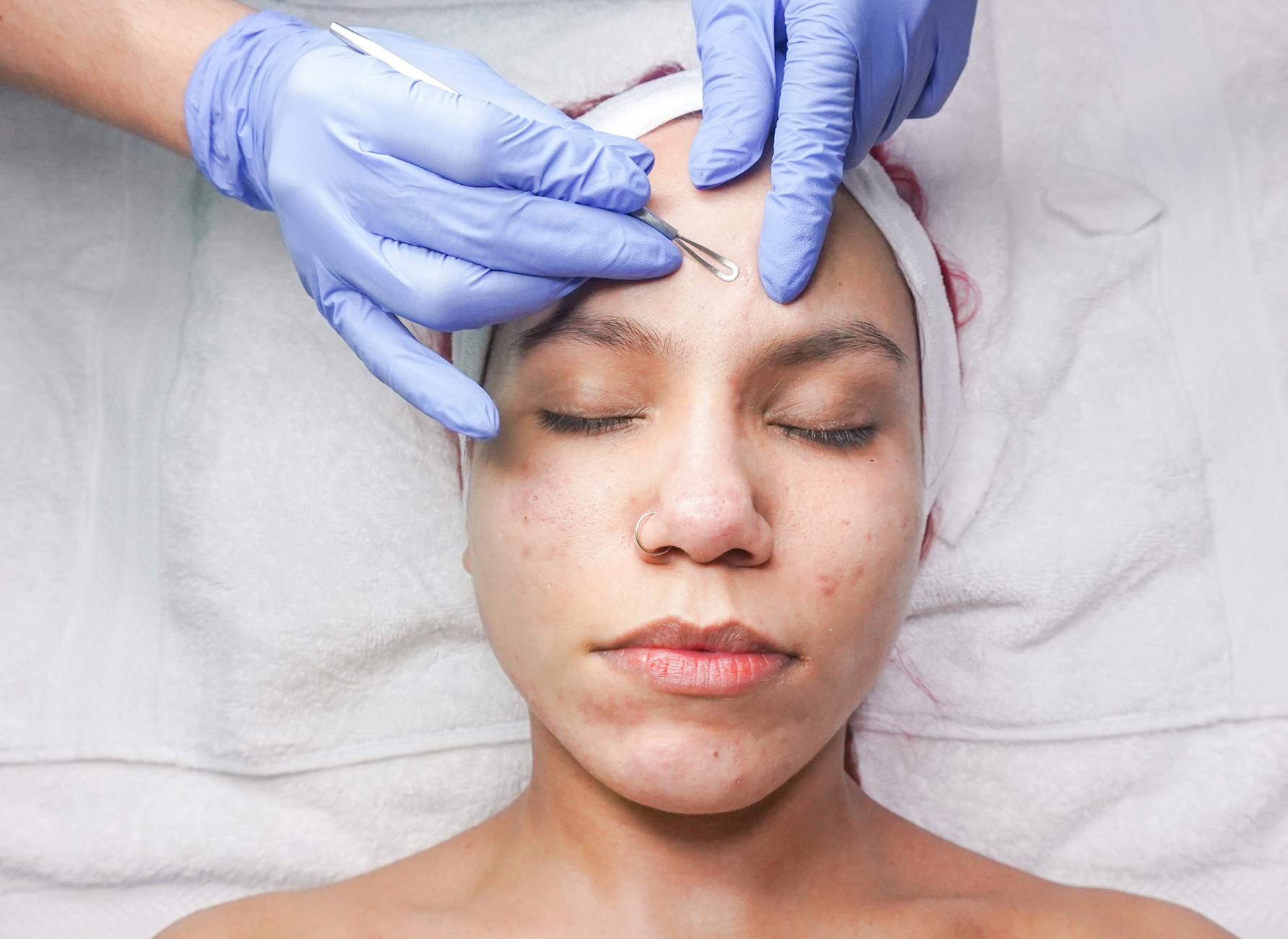
The shift from treating active acne to preventing future breakouts requires adjusting both products and expectations. Maintenance routines typically use lower concentrations of active ingredients applied consistently rather than higher concentrations used sporadically. A retinoid applied nightly at 0.025% concentration, for example, often outperforms occasional use of 0.1% strength because the consistent exposure keeps cell turnover regulated. Layering complementary ingredients creates multiple points of intervention in the acne formation process. A basic evidence-backed routine might include a benzoyl peroxide wash in the morning to reduce bacterial populations, followed by a lightweight moisturizer, then a retinoid at night after cleansing to prevent pore clogging.
Adding a salicylic acid product two to three times weekly provides additional exfoliation for those prone to blackheads and surface congestion. However, if you have sensitive skin or a damaged moisture barrier, this standard approach can backfire significantly. Over-treating compromised skin triggers inflammation that actually worsens acne, creating a frustrating cycle where the treatments seem to cause breakouts. Signs you’ve crossed this threshold include persistent redness, stinging when applying products that previously felt fine, and small bumps across areas you don’t typically break out. In these cases, the priority shifts to barrier repair””sometimes for several weeks””before reintroducing active ingredients gradually.
How Hormonal Factors Contribute to Persistent Acne
Hormonal acne follows distinct patterns that differentiate it from other types. Breakouts concentrate along the jawline, chin, and lower cheeks, often appearing as deep, painful cysts rather than surface whiteheads. These lesions correspond to areas with hormone-sensitive sebaceous glands and tend to leave more significant scarring due to their depth in the skin. Standard topical treatments often prove insufficient for truly hormonal acne because they can’t address the internal trigger.
A person might maintain perfect skincare consistency and still experience monthly flares that no cleanser or serum can prevent. This doesn’t mean topical treatments are useless””they can reduce severity and speed healing””but expectations should account for their limitations when hormones drive the condition. For women with hormonal acne, oral medications like spironolactone or certain birth control formulations can provide dramatic improvement by blocking androgen effects on the skin. A patient who struggled for years with deep chin cysts might see near-complete clearing within three months of starting spironolactone, something no topical product achieved. Men have fewer hormonal medication options due to the feminizing effects of anti-androgens, making retinoids and other topical approaches more central to their treatment plans.

Which Active Ingredients Work Best for Different Acne Types
Benzoyl peroxide remains the most effective over-the-counter option for inflammatory acne””the red, swollen pimples and pustules that characterize most breakouts. It kills acne-causing bacteria without creating resistance, meaning it stays effective indefinitely unlike antibiotics. Concentrations of 2.5% work nearly as well as 10% with significantly less irritation, making lower strengths the smarter choice for daily use. Retinoids address the clogging component of acne by speeding cell turnover and preventing the buildup of dead skin in pores. Prescription tretinoin produces the strongest results but requires a lengthy adjustment period where skin often worsens before improving.
Adapalene, now available over the counter as Differin, offers a gentler introduction with solid efficacy for mild to moderate acne. The tradeoff is that gentler formulas take longer to show results””expect twelve weeks minimum before judging effectiveness. Salicylic acid works differently by dissolving the bonds holding dead cells together, making it particularly useful for blackheads and closed comedones. However, it provides minimal antibacterial action and limited help for deep inflammatory lesions. Niacinamide has gained popularity as a supporting ingredient that reduces oil production and calms inflammation without the irritation of stronger actives, making it useful for sensitive skin types or as an adjunct to primary treatments.
When Standard Treatments Fail and Professional Help Becomes Necessary
Acne that doesn’t respond to three months of consistent over-the-counter treatment warrants dermatologist evaluation. Prescription options include stronger retinoids, topical antibiotics combined with benzoyl peroxide, and oral medications that address acne from multiple angles. A dermatologist can also identify whether your condition is actually acne or a lookalike condition like folliculitis or rosacea that requires different treatment. Isotretinoin, commonly known by the former brand name Accutane, represents the most effective treatment for severe or persistent acne, with approximately 85% of patients achieving long-term remission after one course. The medication works by shrinking sebaceous glands and reducing oil production for years after treatment ends.
However, it requires monthly monitoring, causes significant dryness and sensitivity, and carries serious risks including birth defects that necessitate pregnancy prevention during treatment. One limitation many patients don’t anticipate is that even prescription treatments require time and may need adjustment. Starting tretinoin or isotretinoin typically triggers an initial worsening period lasting four to eight weeks as deep comedones purge to the surface. Patients who discontinue treatment during this phase, believing it’s making things worse, miss the improvement that follows. Understanding this timeline helps set realistic expectations and prevents premature abandonment of effective therapies.

Hidden Triggers That Sabotage Acne Treatment
External factors beyond skincare frequently undermine treatment efforts. Hair products represent a common culprit, with pomades, oils, and heavy conditioners causing breakouts along the hairline, forehead, and temples when they transfer to skin during sleep or exercise. A patient might struggle with persistent forehead acne for months before realizing their leave-in conditioner was responsible, and clearing follows quickly once they switch to lighter formulas kept away from the face. Dietary influences remain controversial in dermatology, but emerging research supports connections between high-glycemic foods, dairy consumption, and acne severity in susceptible individuals. These aren’t universal triggers””many people eat these foods without consequence””but for someone whose acne defies treatment, a four-week elimination trial can identify whether diet plays a role.
The mechanism appears to involve insulin and insulin-like growth factor affecting hormone levels that influence oil production. Physical habits also contribute to recurrence. Touching your face transfers bacteria and oil from hands, phone screens press bacteria against cheeks during calls, and pillowcases accumulate skin cells and oils that redeposit nightly. Athletic equipment, helmet straps, and mask wearing create friction and occlusion that trigger mechanica acne in specific areas. Identifying these patterns helps explain why breakouts concentrate in certain locations despite seemingly adequate treatment.
The Role of Skin Barrier Health in Acne Management
Aggressive acne treatment often damages the skin barrier, creating conditions that paradoxically promote further breakouts. When the protective outer layer becomes compromised, it loses its ability to retain moisture and defend against irritants. The skin responds by producing more oil to compensate, and the inflammation from barrier damage contributes to acne formation.
Signs of barrier damage include tightness after cleansing, increased sensitivity to products that previously felt fine, and a rough or flaky texture alongside oily areas. Recovery requires temporarily simplifying routines to gentle cleansing and barrier-supporting ingredients like ceramides, while suspending active treatments. Most people see barrier function restore within two to four weeks, after which they can gradually reintroduce actives at lower frequencies.
Long-Term Management and Realistic Expectations
Acne management for many people becomes an ongoing practice rather than a temporary treatment. Adult acne affects approximately 50% of women and 25% of men at some point in their twenties and thirties, sometimes persisting into later decades. Accepting this reality allows for sustainable approaches focused on control rather than cure, which reduces frustration when occasional breakouts occur despite good habits.
The goal shifts toward minimizing breakout frequency and severity while maintaining skin health””not achieving perpetually perfect skin. Someone who previously experienced constant painful cysts might consider significant success in having only a few small pimples monthly with a maintenance routine. This perspective adjustment, combined with a well-designed regimen and identification of personal triggers, represents the most reliable path forward for those battling recurring acne.
Conclusion
Treating acne that keeps coming back requires moving beyond reactive spot treatment to proactive prevention. The foundation includes consistent use of proven actives””retinoids for preventing clogs, benzoyl peroxide for bacteria, and supporting ingredients based on your specific needs””continued even when skin appears clear. Identifying your personal triggers, whether hormonal, dietary, or environmental, allows you to address factors that no topical product can fix.
When over-the-counter options prove insufficient after three months of consistent use, professional evaluation opens access to prescription treatments that can provide significant improvement. Throughout this process, maintaining barrier health prevents the counterproductive cycle of over-treatment while setting realistic expectations acknowledges that management rather than cure is often the appropriate goal. The path to reliably clearer skin exists, but it requires patience, consistency, and a willingness to adapt your approach based on how your skin responds.