
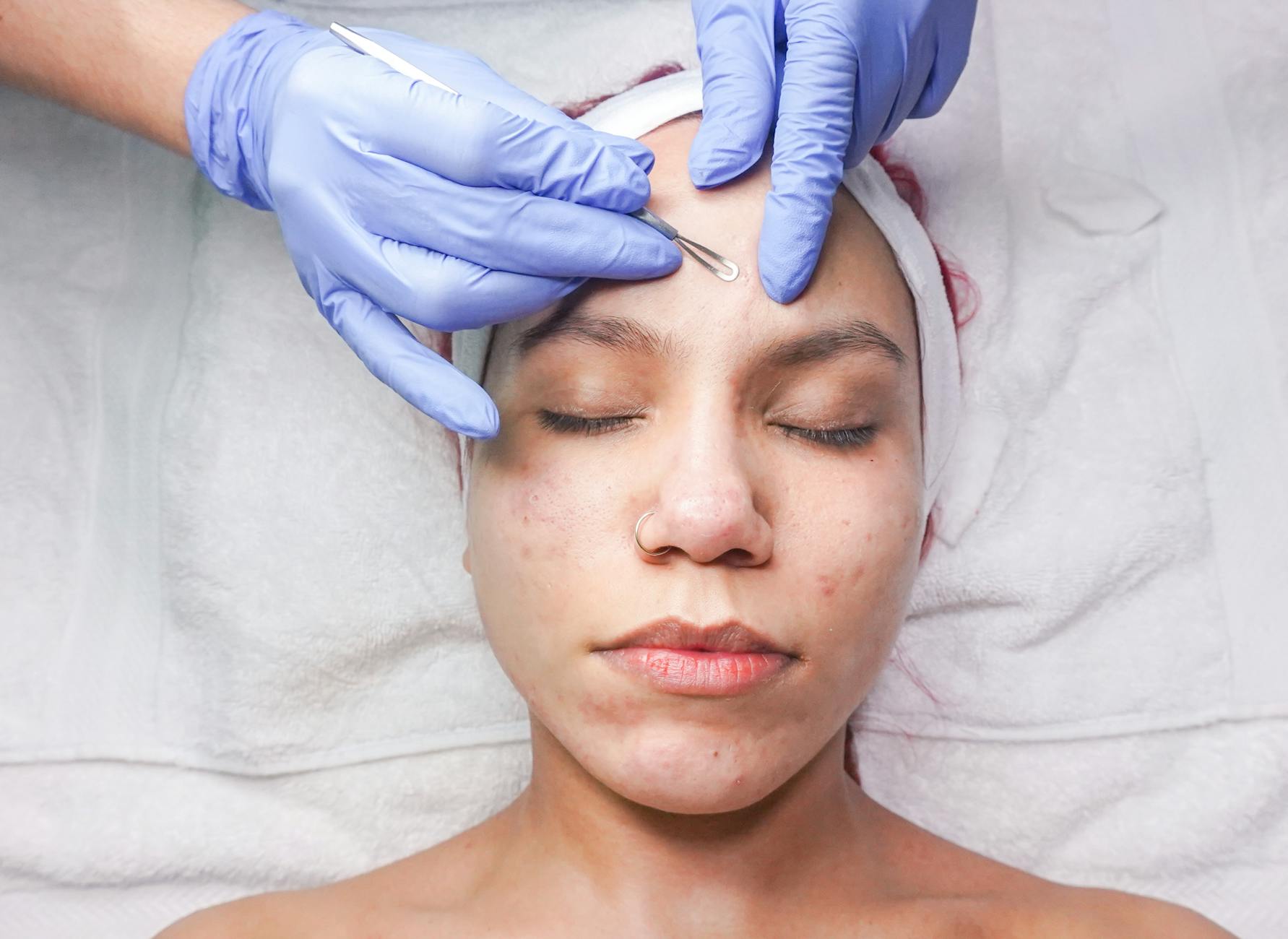
The best ingredients to avoid for acne fall into three main categories: comedogenic oils and emollients that physically block pores (coconut oil, cocoa butter, isopropyl myristate), irritating compounds that disrupt your skin barrier (alcohol, sodium lauryl sulfate, fragrances), and certain dyes that have demonstrated comedogenic potential (D & C Red dyes). If you have acne-prone skin and your current routine includes products containing any of these ingredients, eliminating them is often the first step toward clearer skin. For example, someone who switched from a coconut oil-based moisturizer to a non-comedogenic alternative might see a reduction in blackheads within weeks, simply because they removed the pore-blocking culprit.
Beyond topical ingredients, dietary factors also play a role. High glycemic index foods like white bread, sugary drinks, and potato chips have been linked to increased acne severity in multiple studies. The relationship between what you put on your skin and what you put in your body creates a comprehensive picture of acne management that goes beyond just reading product labels. This article covers the specific skincare ingredients that research has identified as problematic, explains why the “noncomedogenic” label on products may not be as reliable as you think, examines the dietary connections to acne, and provides practical guidance for identifying and avoiding these triggers in your daily routine.
Table of Contents
- Which Comedogenic Oils and Emollients Should You Avoid for Acne?
- Understanding the Comedogenic Scale and Its Limitations
- How Do Irritating Ingredients Worsen Acne?
- The Hidden Problem with Dyes and Pigments in Cosmetics
- What Dietary Ingredients Are Linked to Acne Breakouts?
- The Western Diet Connection to Acne
- Looking Ahead: The Future of Acne-Safe Product Standards
- Conclusion
Which Comedogenic Oils and Emollients Should You Avoid for Acne?
Comedogenic oils and emollients represent the most direct path to clogged pores. Coconut oil, despite its popularity in natural skincare, is a prime offender. Dr. Kemunto Mokaya, a board-certified dermatologist, states: “It is a comedogenic ingredient, which means it blocks the pores of the skin, making the skin prone to forming blackheads and whiteheads.” Cocoa butter falls into the same category, along with other heavy oils that sit on the skin’s surface rather than absorbing properly. The isopropyl myristate family deserves particular attention because these ingredients appear under various names on product labels. Isopropyl palmitate, butyl stearate, isostearyl neopentanoate, myristyl myristate, decyl oleate, octyl stearate, and octyl palmitate are all known comedogenic offenders.
These synthetic esters are commonly used to give products a smooth, luxurious texture, but that silky feel comes at the cost of potential breakouts. You might find them in foundations, moisturizers, and even some sunscreens marketed as lightweight. Lanolin and its derivatives present another challenge. Acetylated and ethoxylated lanolins continue to be problematic for acne-prone skin, even though regular lanolin has been used in skincare for decades. The tricky part is that lanolin provides excellent moisture retention, which makes it popular in lip products and heavy creams. However, if you notice breakouts around your mouth after using a new lip balm or around your hairline after using a hair product, lanolin derivatives might be the cause. The comparison worth making here is between immediate cosmetic benefits (soft, hydrated skin) and long-term consequences (accumulated comedones that take weeks to surface).

Understanding the Comedogenic Scale and Its Limitations
Ingredients are typically rated on a comedogenic scale from 0 to 5, where 0 means no comedones or irritation and 5 indicates a high likelihood of causing problems. Over 120 ingredients have been scientifically shown to trigger product-induced acne, known as acne cosmetica. This scale provides a useful reference point, but it comes with significant caveats that every consumer should understand. A clinical review published in JAAD Reviews in 2025 analyzed peer-reviewed articles spanning from 1972 to 2025 and found that the rabbit ear assay initially used for comedogenicity testing shows inconsistent results on human skin. The rabbit ear model was the original testing method that established many of the ratings we still use today, but rabbit skin differs substantially from human skin.
What causes a comedone in a rabbit ear may not produce the same effect on a human face, and vice versa. The more concerning finding from this review is that there is no standardized testing or regulatory oversight for comedogenicity claims. Companies can label products “noncomedogenic” regardless of actual comedogenic potential. This means that a product marketed specifically for acne-prone skin might contain several comedogenic ingredients, and there is no regulatory body stopping this practice. The practical implication is that you cannot rely solely on marketing claims. Instead, you need to read ingredient lists yourself and cross-reference them against known comedogenic ingredients.
How Do Irritating Ingredients Worsen Acne?
Irritating ingredients damage acne-prone skin through a different mechanism than comedogenic ones. Rather than physically blocking pores, they compromise your skin barrier, trigger inflammation, and can paradoxically increase sebum production as your skin attempts to compensate for the damage. Alcohol is a frequent culprit. Dr. Mokaya notes: “Alcohol irritates and dries the skin because it removes the skin’s natural oils.” When your skin becomes too dry, it often responds by producing more sebum to restore balance.
This overproduction can lead to exactly the oily, breakout-prone condition you were trying to avoid. Sodium lauryl sulfate (SLS), a harsh detergent found in many cleansers, face washes, and even toothpaste, operates similarly. It strips natural oils so aggressively that skin is left compromised and reactive. Fragrances, particularly those derived from citrus or lavender, can trigger inflammation and exacerbate existing acne. However, if you have never had a sensitivity to fragranced products and your acne is mild, fragrance may not be your primary concern. The warning here is for those with moderate to severe acne or anyone who has noticed that their skin seems reactive: fragrance-free formulations eliminate one variable from your routine, making it easier to identify what is actually causing your breakouts.
The Hidden Problem with Dyes and Pigments in Cosmetics
D & C Red dyes have been found to have comedogenic potential, and their presence in blushers may explain a pattern that dermatologists have observed: cosmetic acne often appears on cheekbones. If you consistently break out in the areas where you apply blush, bronzer, or other colored cosmetics, the dyes themselves might be contributing to the problem. This connection is particularly frustrating because the breakout occurs exactly where you are trying to achieve a healthy-looking glow. Someone using a red-toned blush daily might develop persistent small bumps on their cheeks that never fully clear, simply because they are applying a comedogenic ingredient to the same spot repeatedly. The alternative worth considering is carmine, a natural red pigment that has been identified as noncomedogenic.
Products formulated with carmine instead of synthetic red dyes may provide similar color payoff without the pore-clogging effects. The tradeoff involves availability and price. Products formulated specifically to avoid comedogenic dyes are less common and often more expensive. Additionally, some people prefer to avoid carmine because it is derived from insects, which creates an ethical consideration for vegans or those who prefer synthetic alternatives. The comparison comes down to skin health versus these other factors, and the right choice depends on individual priorities.
What Dietary Ingredients Are Linked to Acne Breakouts?
High glycemic index foods have the strongest evidence connecting diet to acne. White bread, corn flakes, puffed rice, potato chips, white potatoes, fries, doughnuts, pastries, sugary drinks, and white rice all cause rapid blood sugar spikes. Research shows these spikes trigger inflammation and increased sebum production. Eleven studies have reported statistically significant reductions in acne severity with low-glycemic diets, making this one of the more robust dietary findings. The mechanism involves insulin and insulin-like growth factor 1 (IGF-1). When blood sugar spikes, insulin levels rise, which increases IGF-1 and androgen hormones.
These hormonal changes stimulate sebaceous glands to produce more oil while also affecting how skin cells behave. The practical example is straightforward: someone who replaces their morning pastry and sugary coffee with eggs and whole grain toast might notice fewer inflammatory breakouts within several weeks, not because of any topical change but because of reduced glycemic load. Dairy products present a more complicated picture. All types of cow’s milk, whether whole, low-fat, or skim, have been linked to acne in some studies, with whey proteins potentially contributing more to acne than fat content. However, the evidence remains associative rather than conclusive. This means that while some individuals clearly break out more when consuming dairy, others show no connection at all. The limitation here is that eliminating dairy is a significant dietary change that may not produce results for everyone, and the research does not yet allow dermatologists to predict who will benefit.
The Western Diet Connection to Acne
Saturated fatty acids and trans fats from hydrogenated plant fats, including margarine, confectionery, and fast food, may negatively affect acne-prone skin. But perhaps the most compelling evidence for diet’s role in acne comes from population studies rather than clinical trials. Western diet adoption has been linked to acne appearance in populations that historically had none. Canadian Inuit communities, Kitavan islanders of Papua New Guinea, and the Aché people of Paraguay all experienced virtually no acne when eating their traditional diets. When these populations adopted Western eating patterns high in processed foods, refined carbohydrates, and dairy, acne began appearing. This observation does not prove causation, but it suggests that something about the modern Western diet creates conditions favorable for acne development. For practical purposes, this means that addressing acne through diet is not about eliminating single foods but about shifting overall eating patterns. Reducing processed foods, limiting refined carbohydrates, and increasing vegetables, fruits, and whole grains represents a comprehensive approach. The example of a teenager who eats fast food several times weekly switching to home-cooked meals may see improvement not because of any single ingredient change but because of the cumulative reduction in glycemic load, trans fats, and processed ingredients.
## How to Identify Problematic Ingredients in Your Products Reading ingredient labels requires knowing what to look for and understanding that problematic ingredients may appear under unfamiliar names. Mineral oil, for instance, is a thick emollient derived from petroleum that can clog pores, but it might also appear as paraffinum liquidum or liquid paraffin on labels. Algae extract, which penetrates deep into pores and may accelerate micro-comedone formation, sometimes appears as algin, carrageenan, or specific algae species names. A practical approach involves photographing ingredient lists of products you suspect might be causing breakouts and cross-referencing them against comedogenic ingredient databases. If you switch products and your skin improves, you can compare the old and new ingredient lists to identify the likely culprit. This detective work takes time, but it builds personalized knowledge about your skin’s specific triggers. The limitation of this approach is that ingredient interactions can complicate the picture. A comedogenic ingredient at a low concentration might not cause problems, while a technically noncomedogenic formulation might still irritate your particular skin. Additionally, the order in which ingredients appear on the label reflects their concentration, so a comedogenic ingredient listed near the end may not be present in significant enough amounts to matter.
Looking Ahead: The Future of Acne-Safe Product Standards
The 2025 JAAD Reviews clinical analysis highlights a significant gap in consumer protection: without standardized testing or regulatory oversight, the term “noncomedogenic” is essentially meaningless from a regulatory standpoint. This situation may change as consumer awareness grows and demand for transparent, evidence-based product claims increases.
Some dermatologists and skincare formulators are pushing for updated testing methods that better reflect human skin responses, potentially using reconstructed human skin models or in-vivo patch testing protocols with standardized conditions. Until such standards are adopted, consumers remain largely on their own to research ingredients and track their skin’s responses. The forward-looking insight is that ingredient transparency and education will likely become more important selling points, and brands that invest in genuine testing may differentiate themselves in a crowded market.
Conclusion
The best ingredients to avoid for acne include comedogenic oils like coconut oil and cocoa butter, the isopropyl myristate family of esters, lanolin derivatives, alcohol, sodium lauryl sulfate, fragrances, and certain dyes including D & C Red. Dietary factors compound the picture, with high glycemic index foods showing the strongest evidence for worsening acne and dairy products affecting some individuals more than others. Understanding that over 120 ingredients have demonstrated comedogenic potential, and that “noncomedogenic” labels lack regulatory backing, empowers you to take a more investigative approach to your skincare routine.
The practical next step is to audit your current products against known comedogenic ingredients, starting with anything you apply to areas where you consistently break out. Simultaneously, consider tracking your dietary intake alongside your skin’s condition to identify any food-related triggers. Clearing acne often requires addressing both what touches your skin and what you consume, and the research increasingly supports this comprehensive approach.