

Treating acne caused by dirty makeup brushes requires a two-pronged approach: first, stop the source of contamination by thoroughly cleaning or replacing your brushes, and second, address the existing breakouts with targeted skincare that focuses on antibacterial ingredients and gentle exfoliation. The bacteria, dead skin cells, and oxidized makeup residue that accumulate on brush bristles create a direct pathway for pore-clogging debris to reach your skin with every application””and once that cycle is broken, most brush-related breakouts clear within two to four weeks with proper care. Consider someone who develops clusters of small, inflamed pimples across their cheeks and forehead despite having no history of acne.
The pattern often matches exactly where they apply foundation or powder, which is a telltale sign that their tools are the culprit rather than hormones or diet. This type of acne, sometimes called acne cosmetica or acne mechanica depending on the cause, responds well to treatment once the underlying trigger is eliminated. This article covers how to identify whether your brushes are actually causing your breakouts, the best methods for treating existing blemishes, proper brush cleaning techniques to prevent recurrence, and when you might need to seek professional help for persistent cases.
Table of Contents
- What Causes Acne from Dirty Makeup Brushes and How Can You Identify It?
- Effective Treatments for Clearing Brush-Related Breakouts
- The Right Way to Clean Makeup Brushes for Acne Prevention
- When to Replace Your Makeup Brushes Instead of Cleaning Them
- Understanding Why Some People Are More Susceptible to Brush-Related Acne
- The Role of Makeup Product Choice in Brush-Related Breakouts
- Long-Term Prevention and Building Better Habits
- Conclusion
What Causes Acne from Dirty Makeup Brushes and How Can You Identify It?
Makeup brushes harbor a surprisingly complex ecosystem of contaminants. Each time a brush touches your face, it picks up sebum, dead skin cells, and bacteria from your skin’s surface. These mix with the makeup product on the bristles, and in the warm, slightly damp environment of a bathroom or makeup bag, bacteria multiply rapidly. Studies have found that unwashed brushes can contain Staphylococcus aureus, E. coli, and various fungi””all capable of triggering inflammatory responses when introduced into pores. The acne that results from contaminated brushes typically presents differently than hormonal or dietary acne.
Rather than appearing along the jawline or chin (common hormonal zones), brush-related breakouts cluster in application areas: the apples of the cheeks where blush goes, across the forehead where powder is swept, or wherever foundation is buffed in. The breakouts tend to be numerous small pustules or papules rather than deep cystic lesions. If you notice your acne worsens a day or two after doing a full makeup application, that timing correlation is another strong indicator. One way to test your suspicion is to stop using brushes entirely for two weeks, switching to clean fingers or disposable applicators. If your skin begins to clear, you have your answer. However, keep in mind that this pattern can also indicate a reaction to the makeup products themselves, so the elimination process sometimes requires testing both variables separately.
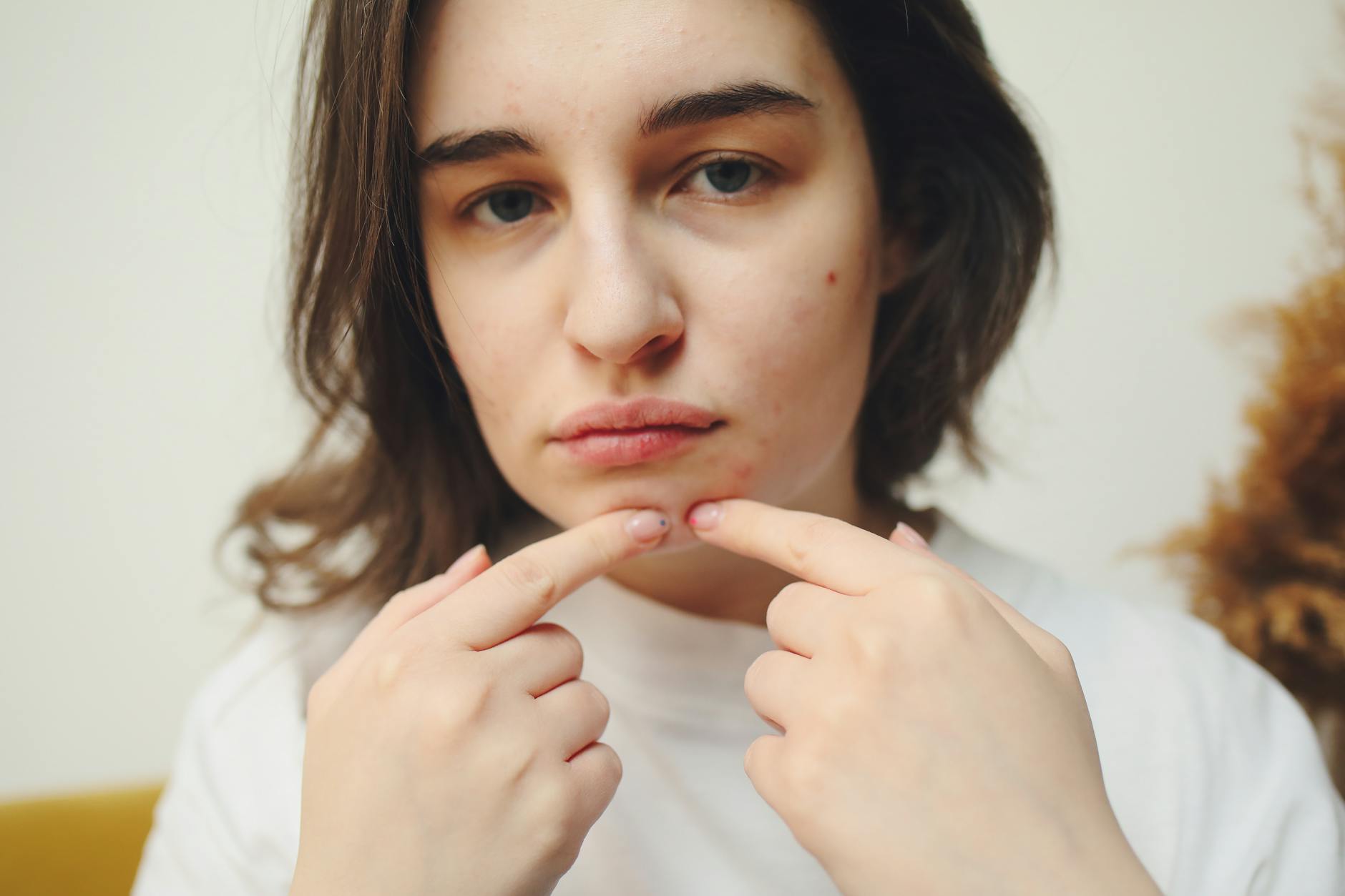
Effective Treatments for Clearing Brush-Related Breakouts
Once you’ve identified dirty brushes as the source, treating the existing acne follows established protocols for bacterial acne with some modifications. Benzoyl peroxide, available over the counter in concentrations from 2.5% to 10%, works particularly well because it kills acne-causing bacteria on contact and continues working for hours after application. Start with a lower concentration””2.5% is nearly as effective as 10% with significantly less irritation””and apply a thin layer to affected areas after cleansing. Salicylic acid serves as an excellent companion treatment because it’s oil-soluble, meaning it can penetrate into clogged pores to dissolve the sebum and debris that bacteria feed on.
A cleanser or leave-on treatment with 0.5% to 2% salicylic acid helps clear existing blockages while preventing new ones from forming. For inflamed pimples that have already formed, spot treatments containing sulfur or a combination of benzoyl peroxide and adapalene can speed resolution. However, if your skin is sensitive or you’re already using prescription retinoids, adding benzoyl peroxide may cause excessive dryness and peeling. In these cases, stick to gentler options like azelaic acid (which is antibacterial and anti-inflammatory) or niacinamide (which regulates oil production and calms inflammation). The goal is consistent, moderate treatment rather than aggressive intervention that damages your skin barrier and potentially worsens the situation.
The Right Way to Clean Makeup Brushes for Acne Prevention
Proper brush hygiene requires both technique and consistency. For a thorough weekly cleaning, wet the bristles under lukewarm running water””keeping the ferrule (the metal part) pointed downward to prevent water from loosening the glue that holds bristles in place. Apply a gentle cleanser directly to the bristles; baby shampoo works well, as do dedicated brush cleansers, though regular hand soap suffices in a pinch. Work the cleanser through the bristles using your palm or a textured silicone mat, then rinse until the water runs completely clear. Drying brushes properly matters as much as washing them.
Lay brushes flat on a clean towel with the bristles hanging slightly off the edge of a counter, or use a brush drying rack that holds them bristles-down. Never stand wet brushes upright in a cup””water will seep into the ferrule, weaken the glue, and create a perpetually damp environment where bacteria thrive. Most brushes need 6 to 12 hours to dry completely, which is why many dermatologists recommend owning two sets if you wear makeup daily. For daily maintenance between deep cleans, spray brushes with 70% isopropyl alcohol or a commercial brush sanitizing spray after each use. This doesn’t replace washing but significantly reduces bacterial load between cleanings. The tradeoff is that alcohol can dry out natural-hair bristles over time, so synthetic brushes may be a better choice for acne-prone individuals who need to sanitize frequently.

When to Replace Your Makeup Brushes Instead of Cleaning Them
Sometimes cleaning isn’t enough, and replacement becomes necessary. Brushes with permanently stained bristles, persistent odor despite thorough washing, or bristles that have become stiff, splayed, or are shedding belong in the trash. The general lifespan of a well-maintained makeup brush ranges from one to three years for natural hair and three to five years for synthetic, but heavy daily use and frequent sanitizing shorten these timelines. Foundation and concealer brushes, which work with liquid and cream products and contact acne-prone areas, typically need replacement most frequently. A foundation brush used daily and washed weekly might last 18 months at best before the bristles become too degraded to clean effectively.
By comparison, a powder brush used for setting powder might remain functional for three years or more. The cost-per-use calculation favors investing in quality brushes that withstand regular washing over cheap options that fall apart after a few months. For those dealing with active acne breakouts, consider switching to disposable applicators temporarily. Single-use sponges and cotton rounds eliminate recontamination entirely during the healing period. Once your skin clears, you can return to brushes with a stricter cleaning regimen. Some makeup artists recommend using fresh brushes or applicators whenever you have an active breakout, then switching back to your regular tools once the blemish heals.
Understanding Why Some People Are More Susceptible to Brush-Related Acne
Not everyone who neglects brush cleaning develops acne””individual susceptibility varies considerably. People with oily skin provide more sebum for bacteria to feed on, creating a richer growth medium on brush bristles. Those with a compromised skin barrier, whether from over-exfoliation, harsh products, or conditions like eczema, have less protection against bacterial invasion. Genetics also play a role: some people’s immune systems simply mount a stronger inflammatory response to common skin bacteria. Certain brush and product combinations create higher risk scenarios.
Dense, tightly packed brushes (like kabuki brushes) are harder to clean thoroughly and retain more product in their cores. Liquid foundations, especially those without preservatives or “natural” formulas, support bacterial growth more readily than powder products. Using the same brush for multiple products””double-dipping between concealer and foundation, for instance””increases cross-contamination. A limitation worth noting: even with perfect brush hygiene, some individuals will continue experiencing acne because brushes weren’t actually the primary cause. If aggressive brush cleaning and treatment don’t produce improvement within six to eight weeks, the breakouts likely have hormonal, dietary, or other underlying causes that require different interventions.

The Role of Makeup Product Choice in Brush-Related Breakouts
The products themselves interact with brush hygiene in meaningful ways. Comedogenic ingredients””those known to clog pores””become more problematic when repeatedly applied with contaminated brushes. Common culprits include coconut oil, isopropyl myristate, and certain silicones found in many foundations.
Switching to non-comedogenic formulas reduces the pore-clogging load even if your brush cleaning isn’t perfect. For example, someone using a heavy, full-coverage foundation with their semi-clean brushes might experience persistent breakouts, while switching to a lighter, mineral-based powder with the same brushes produces no issues. This doesn’t mean the brushes were innocent””rather, the combination of contaminated tools and comedogenic products created the problem. Addressing either factor can help, but addressing both produces the best results.
Long-Term Prevention and Building Better Habits
Sustainable brush hygiene requires integrating cleaning into existing routines rather than treating it as a separate chore. Many people find success washing brushes at a specific weekly time””Sunday evenings, for instance””that becomes automatic. Others prefer daily spot-cleaning with spray sanitizer, which takes only seconds per brush. The right approach depends on your schedule, how often you wear makeup, and how acne-prone your skin tends to be.
Consider also the storage environment for your brushes. Open containers on bathroom counters expose bristles to humidity from showers and airborne bacteria from toilets. Closed containers or brush rolls stored in a bedroom provide a cleaner resting environment. Small changes like these, combined with regular cleaning, create a system that protects your skin without requiring constant vigilance.
Conclusion
Acne caused by dirty makeup brushes is frustrating but highly treatable once you understand the connection between tool hygiene and skin health. Breaking the cycle requires cleaning or replacing contaminated brushes while simultaneously treating existing breakouts with antibacterial and exfoliating ingredients like benzoyl peroxide and salicylic acid. Most cases resolve within a few weeks of implementing these changes.
Moving forward, establishing a consistent brush cleaning routine prevents recurrence and protects your investment in both skincare and makeup products. Pay attention to how your skin responds after makeup application, replace brushes that can no longer be adequately cleaned, and consider switching to non-comedogenic formulas if breakouts persist despite good hygiene. With the source of contamination eliminated, your skin can heal and remain clear.