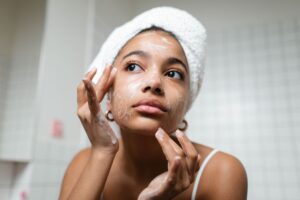
Dark spots after acne form because inflammation triggers your skin to overproduce melanin, the pigment that gives skin its color. When a pimple develops, your immune system rushes inflammatory cells to the area to fight bacteria and heal the wound. This inflammatory response stimulates melanocytes””the cells responsible for melanin production””to go into overdrive, depositing excess pigment in the surrounding tissue. The result is post-inflammatory hyperpigmentation (PIH), those flat, discolored marks that linger long after the acne itself has healed. For example, someone with a deep cystic breakout on their cheek might find that even after the swelling subsides completely, a brown or purple-gray mark remains visible for months.
The severity of these dark spots depends on several factors: your skin tone, how inflamed the original pimple was, and whether you picked at or squeezed the blemish. People with darker skin tones are particularly susceptible because their melanocytes are more active and responsive to inflammatory triggers. However, PIH can affect anyone regardless of ethnicity. This article explores the biological mechanisms behind post-acne dark spots, which types of acne are most likely to leave marks, how skin tone influences hyperpigmentation, and what factors make dark spots worse or help them fade faster. Understanding why these spots form is the first step toward preventing them and choosing effective treatments that address the root cause rather than just masking the discoloration.
Table of Contents
- Why Does Inflammation from Acne Cause Hyperpigmentation?
- Which Types of Acne Are Most Likely to Leave Dark Marks
- How Skin Tone Affects Post-Acne Discoloration
- Factors That Make Post-Acne Dark Spots Worse
- The Role of Hormones and Genetics in Hyperpigmentation
- How Acne Scarring Differs from Dark Spots
- Future Directions in Treating Post-Inflammatory Hyperpigmentation
- Conclusion
Why Does Inflammation from Acne Cause Hyperpigmentation?
The connection between acne and dark spots comes down to your skin’s wound-healing response. When a pore becomes clogged with oil, dead skin cells, and bacteria, your immune system treats it as an injury. White blood cells flood the area, releasing inflammatory chemicals called cytokines and prostaglandins. These same chemicals that help fight infection also signal nearby melanocytes to ramp up melanin production as a protective measure””your skin essentially trying to shield itself from perceived damage. This process is an evolutionary leftover from when darkening skin helped protect wounds from UV radiation during healing.
Unfortunately, the melanin doesn’t always distribute evenly or fade quickly once deposited. The pigment can become trapped in the dermis (deeper skin layer) or remain concentrated in the epidermis (upper layer), creating visible discoloration. Epidermal hyperpigmentation typically appears brown and fades within several months, while dermal hyperpigmentation looks more gray or blue-gray and can persist for years without treatment. A useful comparison: think of PIH like a bruise, except instead of blood pooling under the skin, it’s melanin. Just as some people bruise more easily than others, some people are more prone to hyperpigmentation based on their individual melanocyte activity and skin type.
Which Types of Acne Are Most Likely to Leave Dark Marks
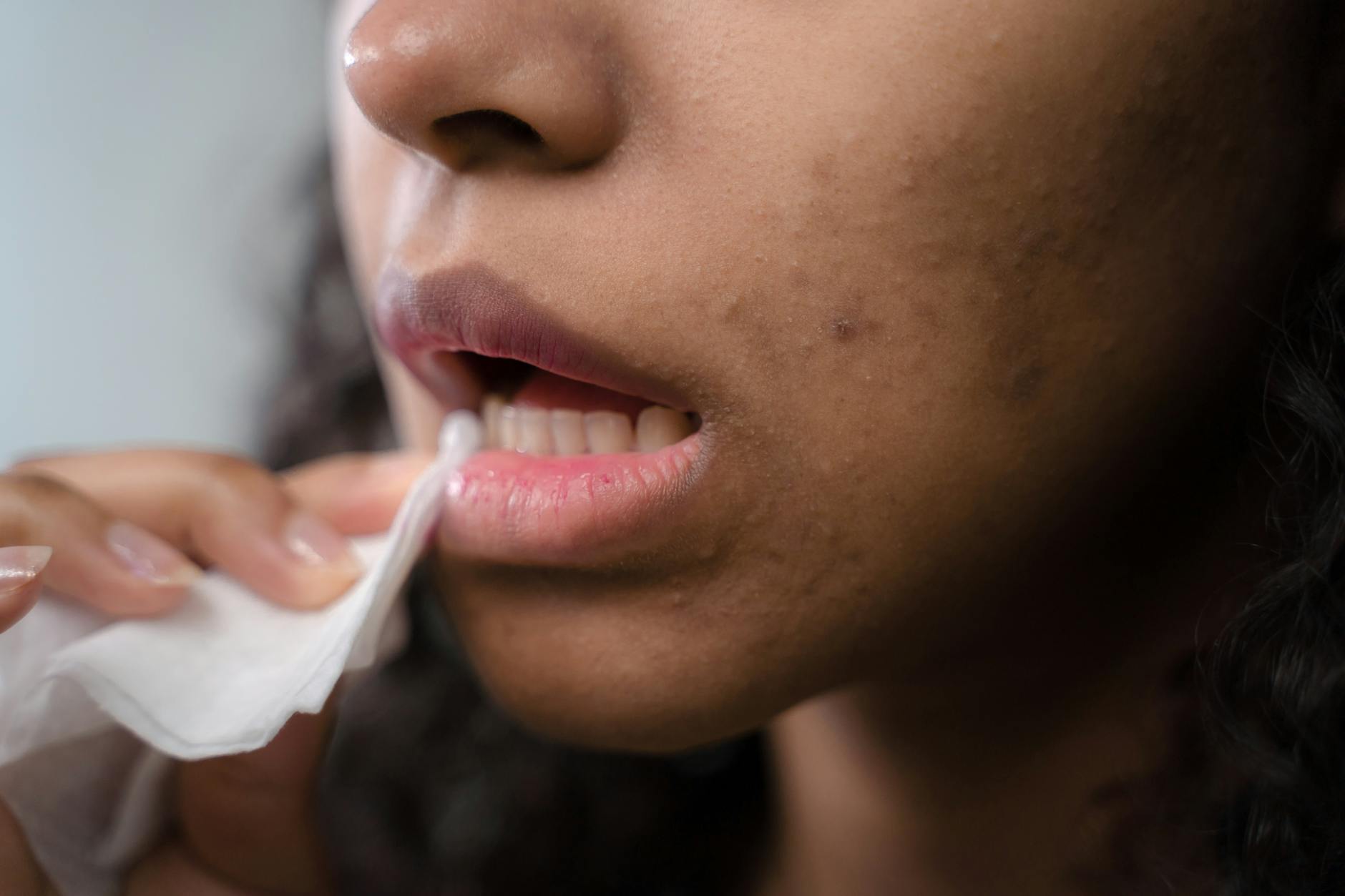
Not all acne creates equal hyperpigmentation risk. Inflammatory acne””papules, pustules, nodules, and cysts””carries a much higher chance of leaving dark spots than non-inflammatory comedones (blackheads and whiteheads). The deeper and more inflamed the lesion, the more melanin your skin produces in response. A small whitehead that resolves in a few days rarely leaves any lasting mark, while a painful nodule that takes weeks to heal almost always leaves some degree of discoloration. Cystic acne poses the greatest PIH risk because these lesions form deep within the skin, involve significant inflammation, and take the longest to heal.
The extended inflammatory period gives melanocytes more time to deposit excess pigment. Picking, squeezing, or attempting to pop cystic acne dramatically worsens this outcome””the additional trauma introduces more inflammation and can push bacteria and debris deeper into the skin, prolonging the healing process and intensifying pigment production. However, even mild acne can leave dark spots if the skin is repeatedly irritated. Someone who habitually touches, rubs, or applies harsh products to their breakouts may develop PIH from acne that would otherwise have healed without a trace. The limitation here is that even with perfect hands-off care, some inflammatory acne will still leave marks simply because of how aggressively the individual’s melanocytes respond to inflammation.
How Skin Tone Affects Post-Acne Discoloration
Melanin-rich skin tones face a significantly higher risk of developing PIH because darker skin contains more active melanocytes that respond more robustly to inflammatory signals. On the Fitzpatrick scale (which classifies skin types from I to VI based on melanin content and sun response), types III through VI experience post-acne hyperpigmentation far more frequently and severely than types I and II. Someone with type VI skin might develop a dark spot from a minor papule that would leave no trace on type I skin. The color of the resulting dark spot also varies by skin tone. On lighter skin, PIH typically appears pink, red, or light brown.
On medium skin tones, spots tend to look brown or tan. On darker skin, hyperpigmentation can range from dark brown to almost black, and the marks are often more prominent and longer-lasting. This disparity means that acne treatment protocols should be approached differently depending on skin type””aggressive treatments that might benefit lighter skin can trigger even more hyperpigmentation in darker skin tones. For example, a person with deep brown skin who uses a high-concentration chemical peel without proper preparation may find that the treatment itself causes new dark spots, creating a frustrating cycle. Dermatologists recommend that patients with Fitzpatrick types IV-VI start with lower concentrations of active ingredients and increase gradually, even if this means slower initial results.

Factors That Make Post-Acne Dark Spots Worse
Sun exposure is the single biggest factor that darkens and prolongs PIH. Ultraviolet radiation stimulates melanocytes regardless of whether they’re already overactive, so sun exposure on healing acne essentially doubles down on pigment production. A dark spot that might fade in three months with diligent sun protection could persist for a year or more with regular unprotected sun exposure. This is why dermatologists emphasize broad-spectrum SPF 30+ sunscreen as non-negotiable for anyone dealing with hyperpigmentation. Picking at acne creates additional trauma and extends the inflammatory phase, giving melanocytes more time to deposit pigment.
Even “successful” extractions that remove a whitehead cleanly cause micro-damage that can trigger PIH in susceptible individuals. The temptation to squeeze is understandable, but the tradeoff is significant: a pimple that might have resolved in five days could leave a dark mark lasting five months because of a moment of picking. Certain skincare products can also worsen PIH. Anything that irritates the skin””overly harsh cleansers, excessive exfoliation, high-concentration retinoids introduced too quickly””creates inflammation that can darken existing spots or create new ones. The warning here is that products marketed for treating acne and dark spots can backfire if used too aggressively. More is not better when it comes to active ingredients on sensitized, healing skin.
The Role of Hormones and Genetics in Hyperpigmentation
Hormonal fluctuations directly influence both acne severity and melanocyte activity, creating a compounding effect on dark spot formation. Estrogen, progesterone, and androgens all affect melanin production, which is why many women notice worse hyperpigmentation around their menstrual cycle, during pregnancy, or when taking hormonal birth control. Pregnancy-related melasma (the “mask of pregnancy”) demonstrates how powerfully hormones can stimulate melanocytes””and the same hormonal shifts that cause melasma can intensify PIH from acne. Genetic factors determine baseline melanocyte sensitivity and activity.
Some families show strong patterns of hyperpigmentation, with multiple generations experiencing persistent dark spots after any skin injury, not just acne. If your parents or siblings develop dark spots easily, you likely will too. This genetic predisposition cannot be changed, but knowing you’re prone to PIH should inform how aggressively you treat active acne (prioritize anti-inflammatory approaches) and how carefully you protect healing skin from additional triggers. A limitation worth noting: hormonal and genetic factors mean that some individuals will develop PIH despite doing everything “right.” Perfect skincare, immediate acne treatment, and religious sun protection still won’t fully prevent dark spots in highly susceptible people””though these measures will significantly reduce severity and duration.

How Acne Scarring Differs from Dark Spots
Many people confuse PIH with acne scars, but these are fundamentally different conditions requiring different treatments. Dark spots are purely pigmentation changes in otherwise intact skin””the skin texture remains smooth and level. True acne scars involve actual structural damage to the skin, creating indentations (atrophic scars like ice pick, boxcar, or rolling scars) or raised tissue (hypertrophic or keloid scars). While PIH will eventually fade on its own, acne scars are permanent without procedural intervention.
For example, someone might have both a dark spot and an indented scar from the same cystic breakout. The dark discoloration will gradually lighten over 6-12 months, but the textural depression will remain indefinitely. Treatments like retinoids and vitamin C can help fade PIH but do little for atrophic scarring, which typically requires procedures like microneedling, laser resurfacing, or dermal fillers. Knowing which type of mark you’re dealing with prevents wasted money on products that can’t address the actual problem.
Future Directions in Treating Post-Inflammatory Hyperpigmentation
Research into PIH treatment continues to advance, with newer approaches targeting melanin production at multiple points in the pathway. Tranexamic acid, originally a medication for heavy menstrual bleeding, has shown promising results for hyperpigmentation by interfering with the interaction between keratinocytes and melanocytes. Cysteamine, a naturally occurring compound, offers another mechanism for inhibiting melanin synthesis with potentially fewer side effects than traditional hydroquinone.
The growing understanding of the skin microbiome’s role in inflammation may also yield new prevention strategies. If specific bacterial strains influence how strongly skin responds to acne with inflammation””and consequently with pigment production””probiotic or prebiotic topicals could become part of PIH prevention protocols. For now, the fundamentals remain clear: treat acne early to minimize inflammation, protect skin from sun exposure, avoid picking, and use evidence-based brightening ingredients with patience and consistency.
Conclusion
Post-acne dark spots form because your skin’s inflammatory response to acne triggers excessive melanin production””a biological protective mechanism that unfortunately leaves visible discoloration behind. The severity of these marks depends on the type and depth of acne, your skin tone and genetics, how much additional trauma the skin experiences, and environmental factors like sun exposure. Understanding that PIH is an inflammatory response, not permanent scarring, offers reassurance that these spots will fade, though the timeline varies widely based on individual factors.
The practical takeaways are straightforward: treat inflammatory acne promptly to shorten the inflammatory phase, resist picking or squeezing blemishes, protect healing skin with daily broad-spectrum sunscreen, and introduce brightening treatments gradually rather than aggressively. For those with darker skin tones or known hyperpigmentation tendencies, prioritizing anti-inflammatory approaches over harsh active ingredients helps prevent the treatment from becoming part of the problem. With the right approach, most post-acne dark spots will fade significantly within several months to a year.