

Aloe vera can modestly speed up the healing of acne lesions, but it works best as a supporting treatment rather than a standalone solution. The plant’s anti-inflammatory and wound-healing properties help reduce redness and irritation while promoting skin repair, which means existing pimples may resolve somewhat faster than they would without treatment. However, aloe vera does not address the root causes of acne””excess sebum, clogged pores, and bacterial overgrowth””so expecting it to clear breakouts on its own will lead to disappointment. Someone dealing with a few inflamed pimples after a stressful week might find that applying pure aloe gel twice daily helps those spots calm down and fade within five to seven days rather than lingering for two weeks, but someone with persistent hormonal acne will need additional treatments to see real improvement.
The scientific evidence supporting aloe vera for acne is promising but limited. Most studies have examined aloe vera as an adjunct to conventional treatments like tretinoin or benzoyl peroxide rather than as a primary acne therapy. What the research does confirm is that aloe vera accelerates wound healing, reduces inflammation, and has mild antibacterial effects””all properties that benefit acne-prone skin without the harsh side effects of many traditional treatments. This article covers how aloe vera actually works on acne, which types of breakouts respond best, how to use it effectively, potential drawbacks, and how it compares to other natural and conventional options.
Table of Contents
- How Does Aloe Vera Work to Heal Acne Lesions?
- Which Types of Acne Respond Best to Aloe Vera Treatment?
- Choosing Between Pure Aloe Vera and Commercial Aloe Products
- Potential Drawbacks and Limitations of Aloe Vera for Acne
- Combining Aloe Vera with Other Acne Treatments
- What to Expect: Realistic Timeline for Results
- Conclusion
How Does Aloe Vera Work to Heal Acne Lesions?
Aloe vera contains over 75 active compounds that contribute to its skin-healing reputation. The gel inside the plant’s leaves includes polysaccharides like acemannan, which stimulate skin cell regeneration and wound repair. Glycoproteins reduce inflammation and pain, while anthraquinones provide mild antibacterial and antiviral activity. Salicylic acid occurs naturally in aloe, though in concentrations far lower than those found in commercial acne treatments. Together, these compounds create a soothing, anti-inflammatory effect that helps calm irritated acne lesions. The mechanism most relevant to acne healing is aloe vera’s ability to modulate the inflammatory response.
When a pore becomes clogged and infected, the immune system triggers inflammation””the redness, swelling, and tenderness characteristic of pimples. Aloe vera inhibits cyclooxygenase and reduces prostaglandin production, dampening this inflammatory cascade. A 2014 study published in the Journal of Clinical and Aesthetic Dermatology found that combining aloe vera gel with tretinoin produced significantly better outcomes than tretinoin alone, with less irritation and faster resolution of inflammatory lesions. However, aloe vera’s antibacterial properties are relatively weak compared to benzoyl peroxide or prescription antibiotics. While it can inhibit Cutibacterium acnes (the bacteria implicated in acne) in laboratory settings, its effects on living skin are less dramatic. This makes aloe vera better suited for reducing inflammation and speeding the healing of existing spots rather than preventing new breakouts from forming.
Which Types of Acne Respond Best to Aloe Vera Treatment?
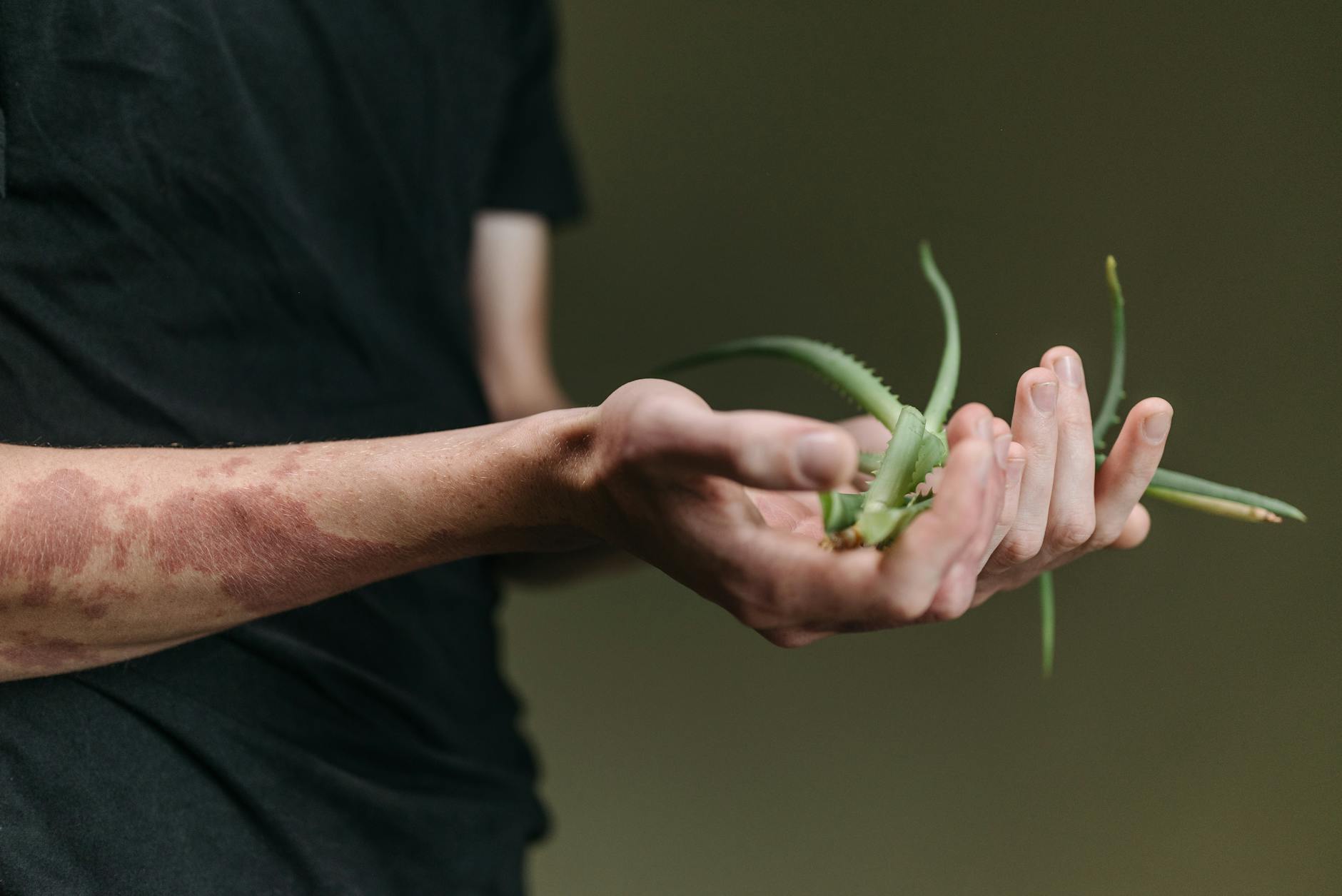
Mild inflammatory acne””the occasional papules and pustules that most people experience””responds most favorably to aloe vera. These lesions are characterized by redness and mild swelling without deep infection, making them ideal candidates for aloe’s anti-inflammatory effects. If you develop a cluster of small pimples after using a new product or during your menstrual cycle, applying aloe vera can help reduce their appearance and duration. Post-inflammatory hyperpigmentation, the dark marks left behind after pimples heal, may also fade faster with aloe vera use. The gel contains aloin and other compounds that inhibit tyrosinase, the enzyme responsible for melanin production.
This means aloe vera can serve double duty: speeding initial healing and reducing the likelihood of lasting marks. Someone with medium to dark skin, who is more prone to post-inflammatory hyperpigmentation, might find this benefit particularly valuable. However, if you have moderate to severe acne with deep cysts, nodules, or widespread inflammation, aloe vera alone will not provide adequate treatment. These forms of acne require interventions that address bacterial overgrowth and abnormal skin cell turnover at a deeper level. Using aloe vera as your only treatment for cystic acne wastes valuable time and may allow scarring to develop. In these cases, aloe vera should supplement prescription treatments rather than replace them.
Choosing Between Pure Aloe Vera and Commercial Aloe Products
The concentration and purity of aloe vera dramatically affect its efficacy for acne. Pure aloe vera gel extracted directly from the plant contains the highest levels of active compounds, but it requires access to fresh plants and some preparation effort. Commercial aloe gels vary widely in quality””some contain as little as 10 percent actual aloe while padding the ingredient list with water, thickeners, and fragrances that may irritate acne-prone skin. When shopping for commercial aloe products, look for those listing aloe barbadensis leaf juice or gel as the first ingredient. Avoid products containing alcohol, artificial fragrances, or dyes, which can dry out skin and trigger additional breakouts.
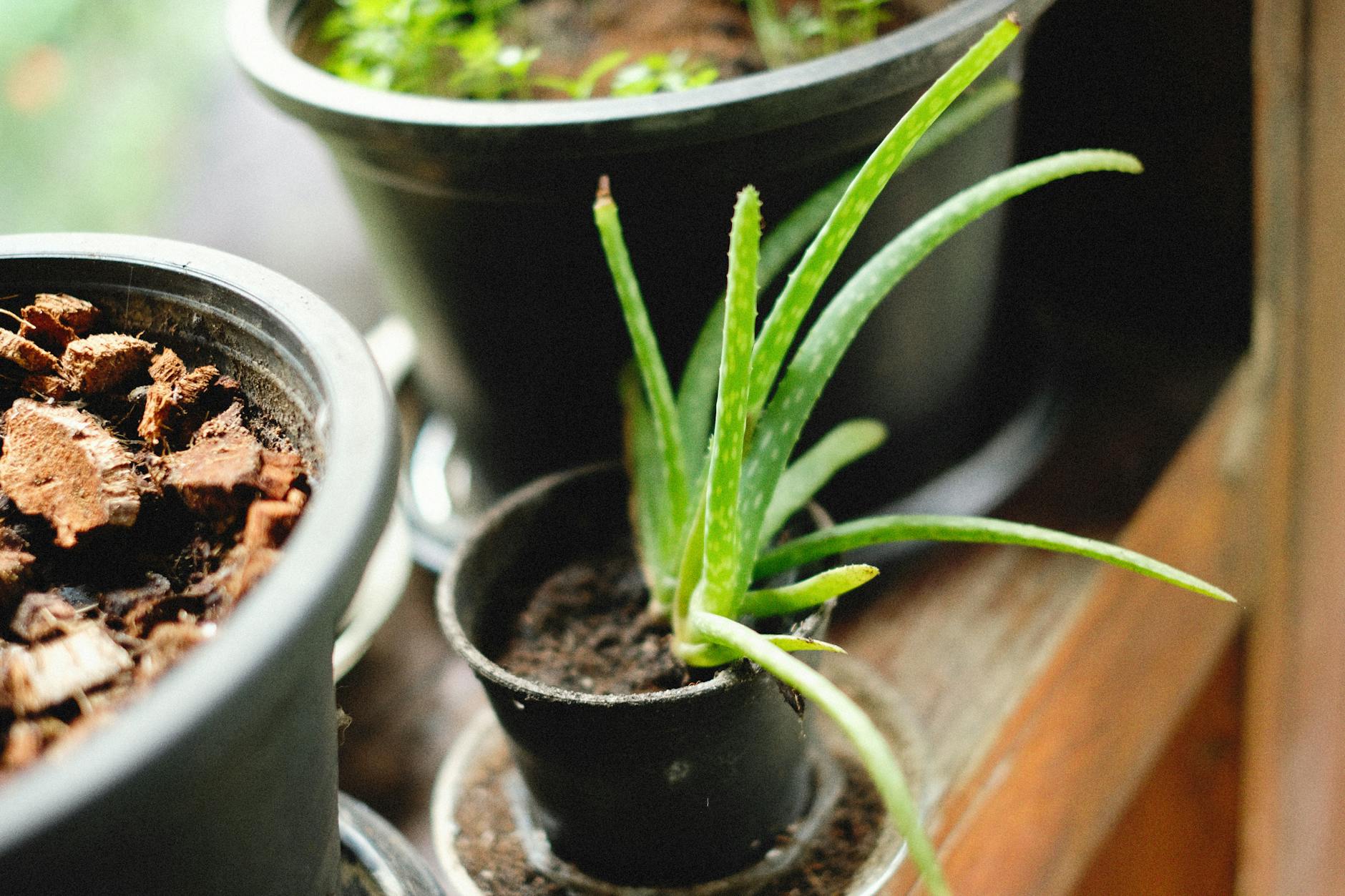
Some products marketed as “aloe vera gel” contain added ingredients like tea tree oil or salicylic acid, which may enhance acne-fighting properties but also increase the risk of irritation. A product like pure inner leaf aloe gel without added colors or fragrances typically costs more but delivers better results for acne-prone skin. The tradeoff between fresh and commercial aloe involves convenience versus potency. Fresh aloe gel begins losing active compounds within hours of extraction, so it must be used immediately or frozen for later use. Commercial products contain stabilizers that preserve efficacy for months, making them more practical for daily use. If you have an aloe plant at home, using fresh gel for acute flare-ups while keeping a quality commercial product for maintenance offers the best of both approaches.
Potential Drawbacks and Limitations of Aloe Vera for Acne
Despite its gentle reputation, aloe vera is not universally well-tolerated. Some people develop contact dermatitis from aloe, experiencing redness, itching, or hives after application. This reaction is more common with products containing additives but can occur even with pure aloe gel. Before incorporating aloe into your routine, patch test on your inner forearm for 24 to 48 hours to check for sensitivity. Aloe vera’s occlusive properties present another concern for certain skin types.
The gel forms a thin film on the skin that locks in moisture””beneficial for dry or irritated skin but potentially problematic for very oily, acne-prone skin. If you notice increased breakouts or a greasy feeling after using aloe, your skin may not tolerate full-face application. Limiting use to spot treatment or evening-only application often resolves this issue. The biggest limitation of aloe vera for acne is what it cannot do: regulate sebum production, exfoliate dead skin cells, or kill acne-causing bacteria effectively. Relying solely on aloe vera while avoiding proven treatments like salicylic acid, benzoyl peroxide, or retinoids means missing out on interventions that address acne’s underlying causes. Aloe vera is a complementary treatment, not a replacement for evidence-based acne therapy, and expecting otherwise leads to frustration and prolonged breakouts.
Combining Aloe Vera with Other Acne Treatments
Aloe vera’s soothing properties make it an excellent companion to treatments that cause dryness or irritation. Benzoyl peroxide, while highly effective at killing acne bacteria, often leaves skin red, flaky, and uncomfortable. Applying aloe vera gel 15 minutes after benzoyl peroxide has dried can mitigate these side effects without interfering with the medication’s efficacy. A similar approach works with salicylic acid cleansers or leave-on treatments.
For prescription retinoid users, aloe vera offers particular value during the adjustment period. Tretinoin and adapalene cause significant irritation for the first four to twelve weeks of use, leading many people to abandon treatment before seeing results. Using aloe vera as a buffer””applying it before or after the retinoid, or mixing a small amount together””reduces peeling and discomfort while maintaining the retinoid’s acne-fighting benefits. One clinical study found that patients using aloe vera alongside tretinoin experienced 25 percent less irritation than those using tretinoin alone, with comparable or superior acne clearance.

What to Expect: Realistic Timeline for Results
Setting appropriate expectations prevents discouragement and product-hopping. If using aloe vera as a spot treatment for individual pimples, you may notice reduced redness and faster flattening within three to five days. Inflammatory papules respond fastest, while larger pustules take longer to resolve. Do not expect deep cysts to shrink dramatically””aloe vera lacks the potency to affect lesions rooted in the deeper dermis.
For overall skin improvement, consistent use over four to six weeks provides a fair trial period. Benefits accumulate gradually: less redness during flare-ups, faster healing times, reduced post-inflammatory marks, and generally calmer skin. Keep in mind that aloe vera will not prevent new breakouts from forming, so evaluating its effectiveness means tracking how existing pimples heal rather than counting new ones. If after six weeks you see no improvement in healing time or skin calmness, aloe vera may not be the right adjunct treatment for your particular acne type.
Conclusion
Aloe vera earns its place in acne care as a gentle, anti-inflammatory treatment that helps existing pimples heal faster and reduces irritation from harsher therapies. Its wound-healing polysaccharides, anti-inflammatory compounds, and mild antibacterial properties make it well-suited for calming mild to moderate inflammatory acne and minimizing post-inflammatory marks. The key is understanding what aloe vera can and cannot do: it soothes and speeds healing, but it does not address the fundamental factors driving breakouts.
For best results, incorporate aloe vera as one component of a comprehensive acne routine rather than relying on it exclusively. Pair it with proven actives like salicylic acid, benzoyl peroxide, or prescription retinoids to address the root causes of acne while using aloe to manage irritation and promote healing. Choose high-quality, minimally processed aloe products, patch test before full application, and give treatment at least four to six weeks before evaluating effectiveness. With realistic expectations and proper use, aloe vera can meaningfully contribute to clearer, calmer skin.