
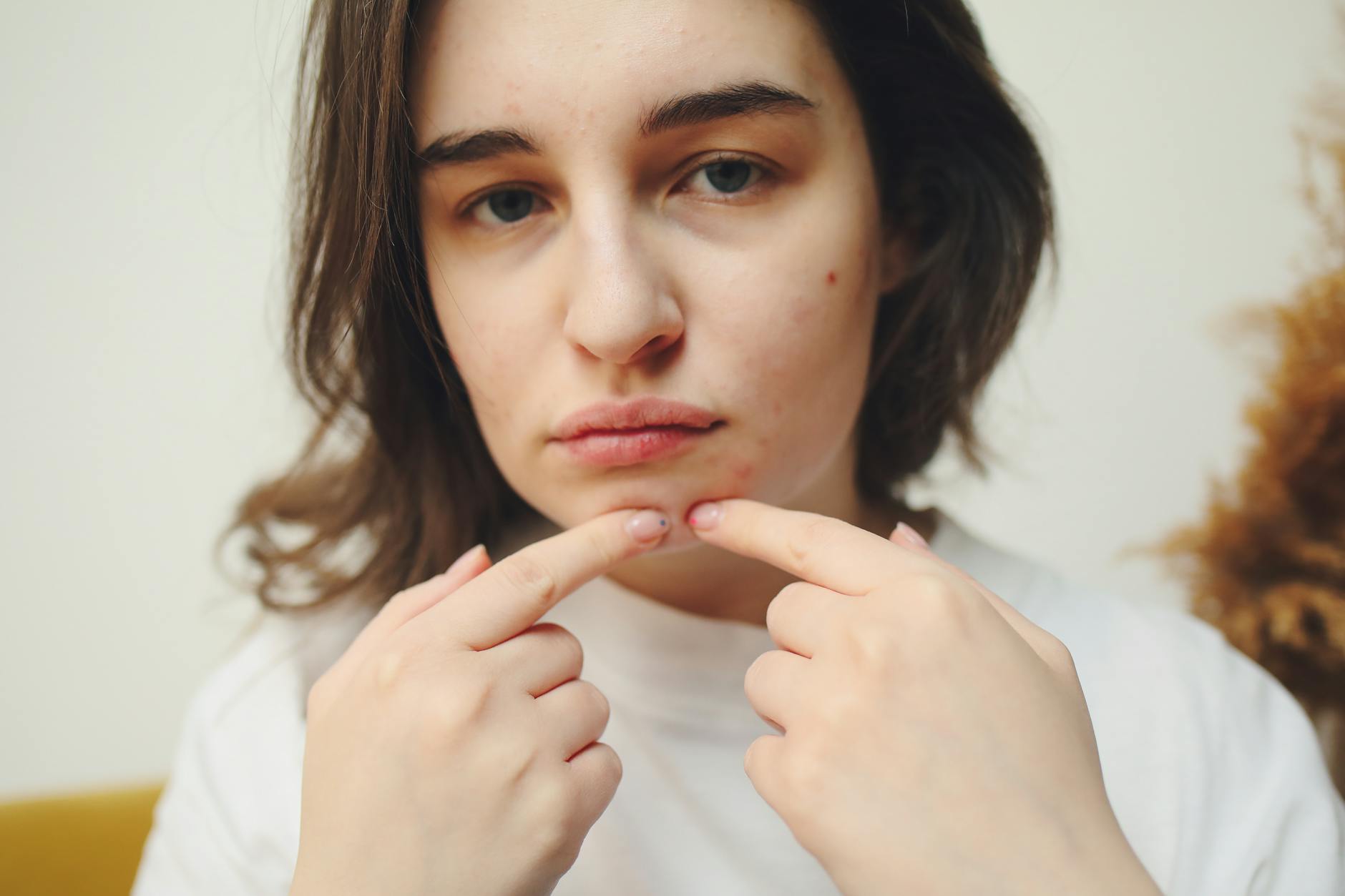
Acne doesn’t technically “spread” from one body part to another in the way an infection might””it’s not contagious, and you can’t transmit it to someone else through contact. However, the same underlying factors that trigger a breakout in one area can simultaneously cause pimples to appear elsewhere, creating the appearance of spreading. The primary mechanisms behind acne appearing in new areas include pore-to-pore connections (where multiple pores share a single oil gland), cyst rupture that releases inflammatory contents into surrounding tissue, and bacterial transfer from touching or picking at existing blemishes. Consider someone who develops a few pimples on their chin and, out of frustration, squeezes them before they’re ready.
The pressure can push debris and bacteria beneath the skin, clogging neighboring pores connected to the same oil gland. Within days, what started as two or three spots has become a cluster of eight or ten. This isn’t the acne “spreading” in an infectious sense””it’s the same pathogenic process repeating in adjacent tissue that was primed for breakouts. This article examines the biological mechanisms that cause acne to appear in new areas, the four pathogenic factors driving every breakout, how skin microbiome imbalances contribute to persistent acne, and practical strategies to prevent new blemishes from forming. We’ll also address why some body areas are more acne-prone than others and the growing concern of antibiotic resistance in acne treatment.
Table of Contents
- Why Does Acne Seem to Spread After Picking or Squeezing?
- The Four Pathogenic Factors Behind Every Breakout
- How Skin Microbiome Imbalances Trigger New Breakouts
- Which Body Areas Are Most Vulnerable to Acne?
- The Growing Problem of Antibiotic Resistance in Acne Treatment
- Why Adult Acne Is Becoming More Common
- What Current Research Reveals About Acne Prevention
- Conclusion
Why Does Acne Seem to Spread After Picking or Squeezing?
When you pop a pimple, you’re not just releasing pus to the surface””you’re often forcing inflammatory debris deeper into the skin. Multiple pores may be connected to a single sebaceous (oil) gland, meaning that material pushed beneath the surface can travel through these connections and clog adjacent pores. This is why what seems like an innocent extraction can result in a cluster of new pimples appearing in the same general area within days. Cystic acne presents an even greater risk. If a cyst ruptures””whether from picking, squeezing, or sometimes spontaneously””the infected contents spill into surrounding tissue.
This localized spread of bacteria and inflammatory material can trigger multiple new breakouts in the immediate vicinity. The comparison to an infectious disease doesn’t quite fit, but the practical result looks similar: one lesion becomes many. The lesson here is counterintuitive for many people. Leaving blemishes alone often results in faster healing and fewer total pimples than attempting to extract them. However, this advice comes with a caveat: properly performed extractions by a trained dermatologist or esthetician using sterile technique rarely cause this kind of spreading. It’s the at-home picking with unwashed hands that creates problems.
The Four Pathogenic Factors Behind Every Breakout
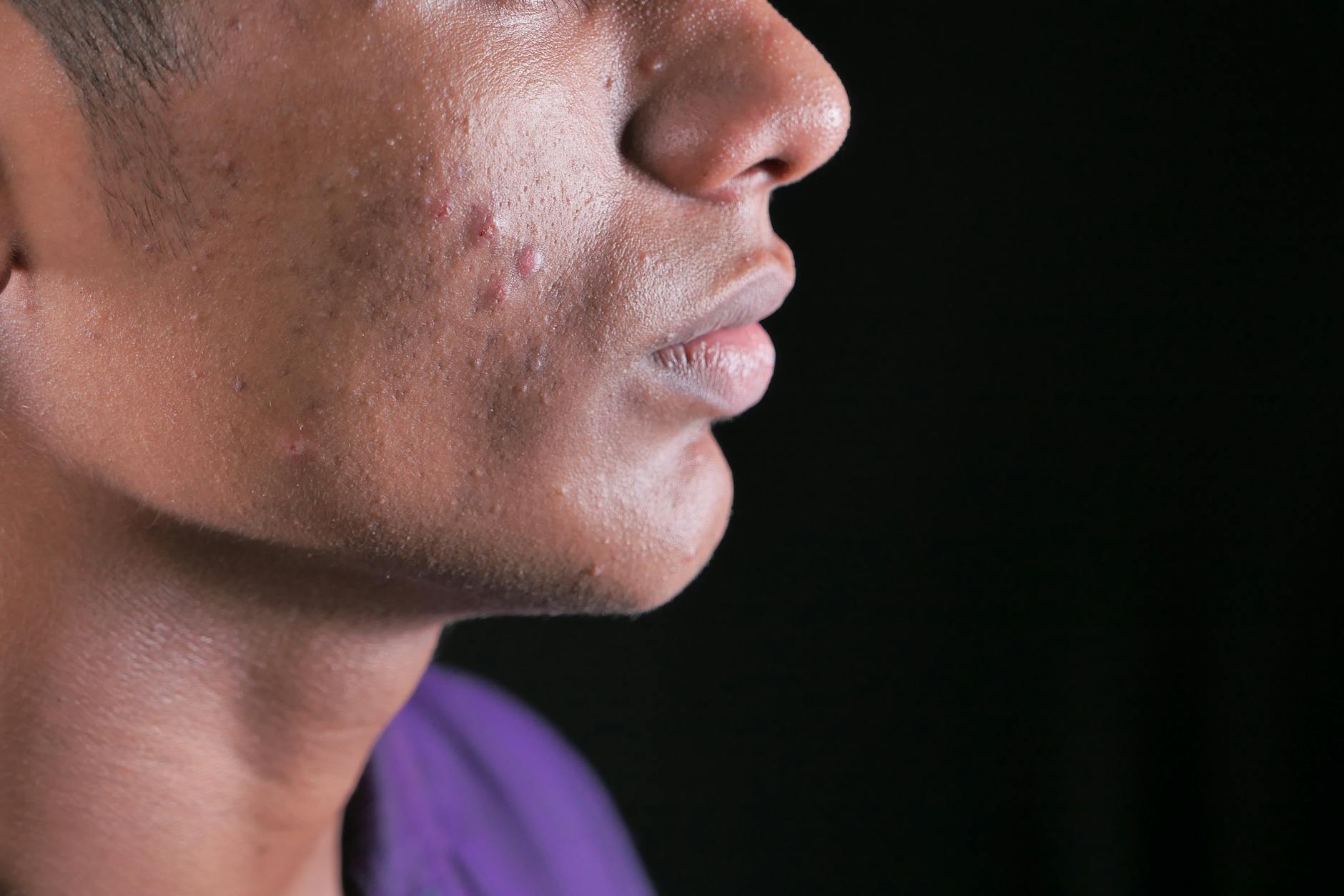
According to 2025 dermatology research, acne develops when four specific factors combine in the skin. First, sebaceous glands produce excessive sebum, the oily substance that normally lubricates skin and hair. Second, abnormal keratosis occurs””skin cells that should shed normally instead accumulate in hair follicle openings, forming plugs. Third, *Cutibacterium acnes* bacteria proliferate within these clogged, oil-rich environments. Fourth, the immune system mounts an inflammatory response to the bacterial overgrowth. Understanding these four factors explains why acne can appear in new areas simultaneously.
If your hormones trigger increased sebum production across your entire face, you now have the first factor active everywhere. Add stress-related immune changes that promote inflammation, and suddenly areas that were clear become vulnerable. The breakouts didn’t “spread” from your chin to your forehead””both areas independently met the conditions for acne formation. This framework also reveals a limitation of single-target treatments. A product that only addresses bacteria won’t help if your primary issue is excessive cell buildup in follicles. Similarly, sebum-reducing treatments won’t fully resolve acne if inflammation is the dominant factor. Effective treatment often requires addressing multiple pathogenic factors simultaneously.
How Skin Microbiome Imbalances Trigger New Breakouts
Research shows that overgrowth of *C. acnes* leads to decreased populations of beneficial bacteria on the skin, creating a dysbiosis””an imbalance””linked to impaired skin barrier function. Acne-prone skin doesn’t just have more *C. acnes*; it has less microbial diversity overall. Specifically, acne-associated bacterial strains include SLST classes A, C (phylotype IA1), and F (IA2), while healthy skin maintains more varied bacterial populations. This matters because your skin’s microbiome varies by location.
Your forehead, nose, chin, cheeks, and jawline each have somewhat different bacterial communities. When one area develops dysbiosis favoring acne-promoting strains, the imbalance doesn’t automatically transfer to other areas. However, touching your face can physically transfer these problematic bacterial strains from an acne-prone zone to an area that was previously balanced. For example, someone with persistent chin acne who habitually rests their chin on their hand while working might notice breakouts appearing on their cheeks where their fingers touch. The bacteria weren’t “infectious” in the traditional sense, but the physical transfer of acne-associated *C. acnes* strains””combined with the oils and dead skin cells also transferred””created conditions for new breakouts in a previously clear area.

Which Body Areas Are Most Vulnerable to Acne?
Acne appears most commonly on the face””particularly the nose, chin, forehead, cheeks, and area around the lips””as well as the neck, back, chest, and upper arms. These areas share a common feature: high concentrations of sebaceous glands. The face alone contains approximately 400-900 sebaceous glands per square centimeter in some zones, compared to minimal glands on areas like the palms and soles (which is why you never get acne there). The tradeoff between different affected areas involves treatment accessibility and social visibility.
Facial acne is easier to treat with topical products since you can see what you’re doing and reach every spot, but it’s also the most visible and often causes the greatest psychological impact. Back acne (sometimes called “bacne”) is less visible in daily life but notoriously difficult to treat effectively””you can’t easily see or reach the affected areas, and the skin is thicker, sometimes requiring stronger formulations. Chest acne occupies a middle ground. It’s more accessible than back acne but often complicated by friction from clothing and the tendency to sweat in this area during physical activity. Upper arm acne frequently gets confused with keratosis pilaris, a different condition involving keratin buildup that creates rough, bumpy skin but isn’t true acne.
The Growing Problem of Antibiotic Resistance in Acne Treatment
Resistance to erythromycin has reached approximately 60% in *C. acnes*, making this once-reliable antibiotic increasingly ineffective for many patients. This resistance developed over decades of antibiotic use for acne treatment, and it represents a significant limitation on treatment options. Patients who would have responded well to erythromycin a generation ago may now see little improvement. However, research has identified strategies to minimize resistance development.
Combining clindamycin with benzoyl peroxide reduces the emergence of resistant *C. acnes* strains by 52% compared to using clindamycin alone. Benzoyl peroxide works through oxidative mechanisms that bacteria cannot easily develop resistance against, making it an important component of combination therapy. The warning here is clear: using antibiotic acne treatments intermittently or stopping them prematurely promotes resistance development. If you start an antibiotic treatment, complete the prescribed course. Better yet, discuss with a dermatologist whether non-antibiotic options like retinoids, benzoyl peroxide, or other treatments might work for your specific situation, reserving antibiotics for cases where they’re truly necessary.
Why Adult Acne Is Becoming More Common
Adult acne cases increased 66.6% globally from 1990 to 2021, and 50% of women in their 20s continue to experience breakouts. This isn’t a matter of acne “spreading” to new demographics””rather, a combination of factors including dietary changes, increased stress levels, hormonal influences, and possibly environmental factors are making adult acne more prevalent than in previous generations.
For example, a woman who had clear skin throughout her teenage years might develop persistent chin and jawline acne in her late 20s, particularly around her menstrual cycle. This hormonal adult acne wasn’t “caught” from anyone or “spread” from anywhere””it emerged because the conditions in her body shifted to favor acne development. The pathogenic factors aligned in a way they hadn’t during adolescence.
What Current Research Reveals About Acne Prevention
With 85% of people ages 12-24 experiencing at least minor acne and up to 50 million Americans affected annually, research continues to focus on prevention alongside treatment. The 9.4% global prevalence overall””rising to 28.3% among those ages 16-24″”indicates that acne remains one of the most common skin conditions despite decades of available treatments. Current research, including 2025 discoveries about the RoxP protein produced by *C.
acnes*, is revealing new targets for intervention. Rather than simply killing bacteria (which promotes resistance and disrupts the healthy microbiome), future treatments may modulate bacterial behavior or support beneficial microbial populations. Understanding that acne doesn’t spread like an infection””but rather develops independently in areas where conditions allow””points toward holistic approaches that address the underlying factors across the entire skin surface, not just where current breakouts exist.
Conclusion
Acne appears in new areas not because it spreads contagiously, but because the same four pathogenic factors””excessive sebum, abnormal keratosis, bacterial proliferation, and inflammation””can develop simultaneously in multiple locations. Picking or squeezing existing blemishes can accelerate new breakout formation through pore-to-pore connections, cyst rupture, and bacterial transfer, but the underlying vulnerability was already present.
Preventing acne from appearing in new areas requires addressing these root causes rather than just treating individual pimples as they emerge. This means considering your overall skin microbiome health, avoiding habits that transfer bacteria between areas, and working with a dermatologist to develop a treatment plan that addresses multiple pathogenic factors””ideally using combination therapies that minimize antibiotic resistance. The rising rates of adult acne suggest that these considerations are becoming relevant for a broader population than ever before.