
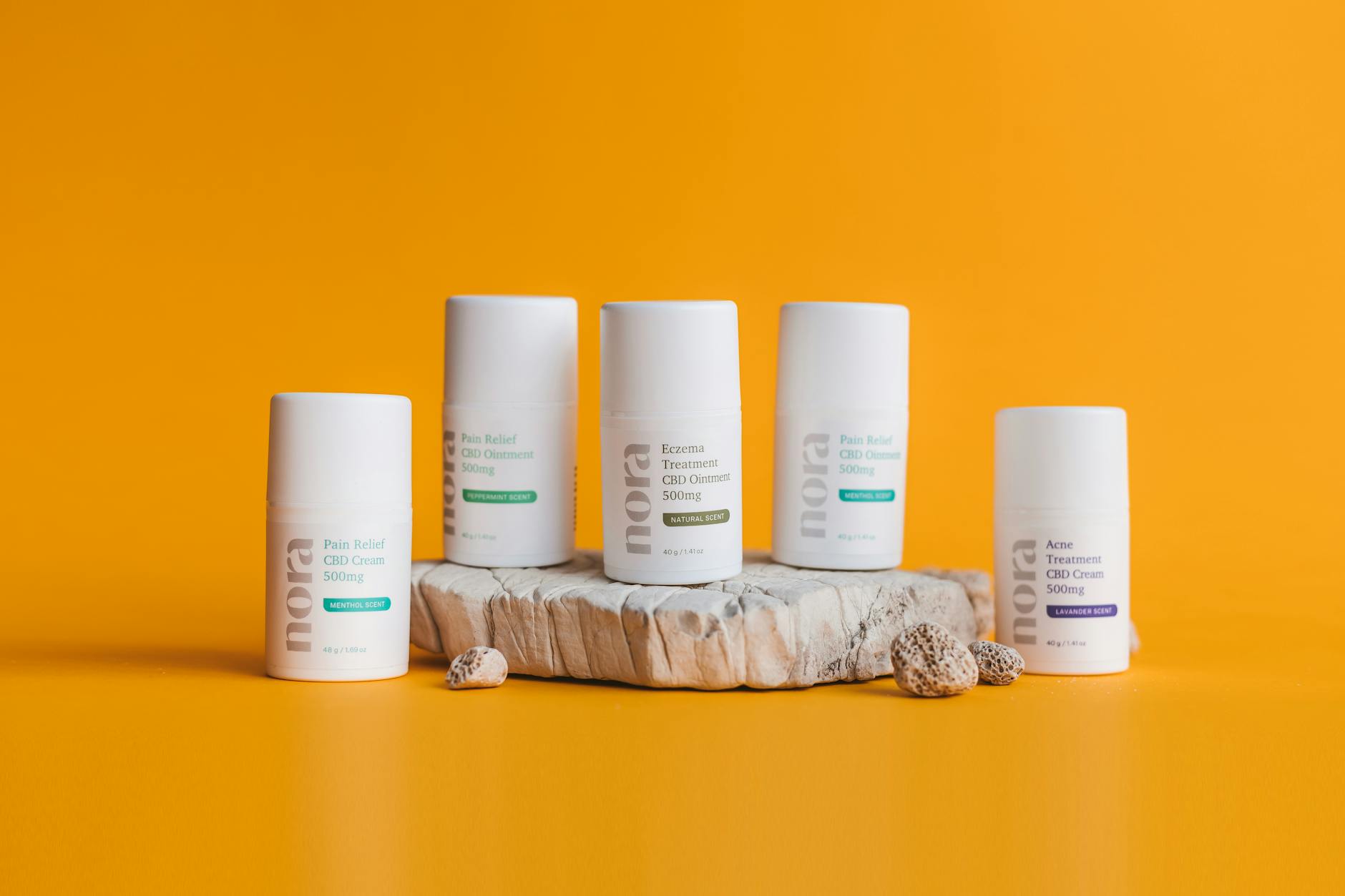
To prevent acne from workout headbands, focus on three fundamentals: choose moisture-wicking materials like polyester blends rather than cotton or non-breathable fabrics, wash your headband after every single workout, and cleanse your face before and immediately after exercise. These steps address the root causes of what dermatologists call acne mechanica””breakouts triggered by the combination of friction, trapped heat, and sweat that occurs when a headband presses against your forehead during physical activity. For example, switching from a cotton headband to one made of 89% polyester and 11% spandex can significantly reduce moisture buildup against your skin, while washing that headband after each use eliminates the bacteria-laden sweat residue that contributes to clogged pores.
The good news is that acne mechanica typically clears more easily than hormonal acne, often responding to over-the-counter treatments within four weeks. However, prevention remains far easier than treatment, which is why understanding the mechanics behind these breakouts matters. When sweat mixes with bacteria and friction from your headband, it creates the perfect environment for blocked follicles along your forehead, temples, and hairline. This article covers the specific causes behind headband-related breakouts, the best fabric choices for acne-prone skin, proper hygiene practices before and after workouts, treatment options when breakouts do occur, and when it makes sense to see a dermatologist.
Table of Contents
- Why Do Workout Headbands Cause Acne in the First Place?
- What Materials Should You Choose for Acne-Prone Skin?
- The Essential Hygiene Routine for Headband Wearers
- How Tight Should Your Workout Headband Actually Be?
- Treatment Options When Prevention Falls Short
- When Home Treatment Is Not Enough
- Building a Long-Term Prevention Strategy
- Conclusion
Why Do Workout Headbands Cause Acne in the First Place?
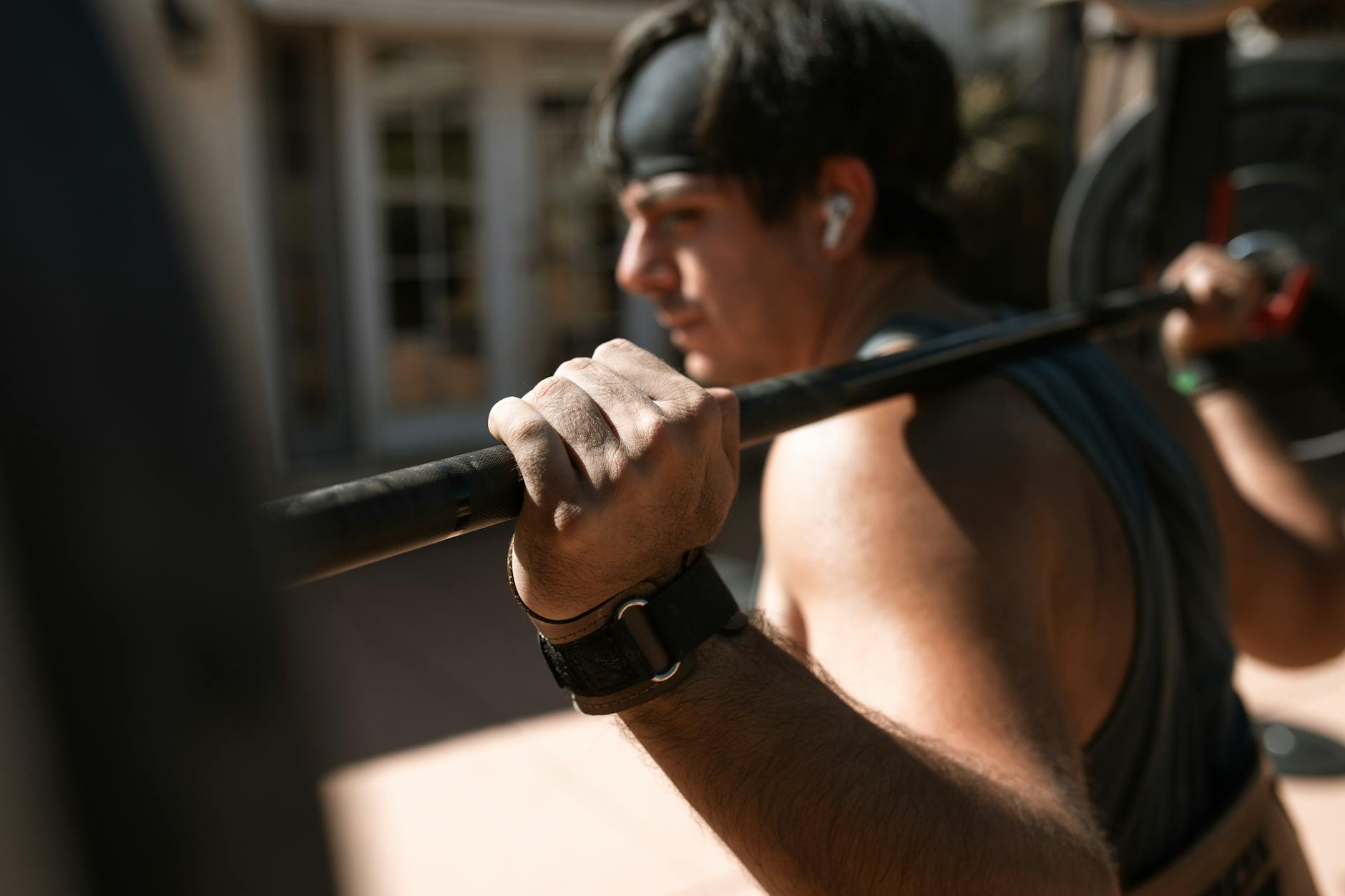
acne mechanica develops through a specific combination of factors that workout headbands create in abundance: friction against the skin, heat trapped beneath the fabric, and sweat accumulation that cannot evaporate properly. Unlike hormonal acne that originates from internal factors, mechanica breakouts result from external physical forces repeatedly irritating the skin and hair follicles. The forehead is particularly vulnerable because it already produces significant sebum, and adding a tight band of fabric that rubs back and forth during movement creates an ideal situation for pore blockage. The process works like this: your headband creates continuous friction against your skin while simultaneously trapping heat from your body and the surrounding environment. Sweat produced during exercise cannot evaporate efficiently through the fabric, so it pools against your skin and mixes with the bacteria naturally present on your face.
This warm, moist environment allows bacteria to proliferate while the friction pushes debris, dead skin cells, and sweat deeper into your follicles. Compare this to areas of skin without any covering during exercise””they can breathe, sweat evaporates naturally, and friction remains minimal. The breakouts that result often appear along the exact line where the headband sits, making them easy to identify. Some people develop traditional acne bumps, while others experience folliculitis (inflammation of hair follicles) or even fungal acne, which requires different treatment approaches. Understanding which type you have matters for treatment, but the prevention strategies remain largely the same regardless of the specific manifestation.
What Materials Should You Choose for Acne-Prone Skin?
Moisture-wicking synthetic fabrics represent the best choice for preventing headband-related breakouts. Look for headbands made primarily from polyester, nylon, or merino wool””materials engineered to pull sweat away from your skin and allow it to evaporate rather than trapping it against your face. An optimal blend includes approximately 89% polyester with 11% spandex, providing both moisture management and enough stretch for a comfortable fit without excessive tightness. These materials were specifically developed for athletic wear because they address the sweat-trapping problems inherent in natural fibers during exercise. However, moisture-wicking does not mean bacteria-resistant.
Even the best performance fabrics still harbor bacteria after a sweaty workout, which is why washing frequency matters just as much as material choice. Some people assume synthetic fabrics require less frequent washing than cotton, but the opposite is actually true for acne prevention””bacteria thrive in the synthetic fibers just as readily, and the residue from dried sweat remains problematic regardless of the base material. Avoid headbands made from non-breathable materials like rubber-backed fabrics, thick cotton that absorbs and holds moisture, or decorative materials not designed for athletic use. Cotton in particular seems like a natural, skin-friendly choice, but it absorbs sweat and holds it directly against your forehead rather than wicking it away. If you have particularly sensitive skin, consider placing a thin layer of clean, soft cotton padding between the headband and your skin as a barrier, though this requires changing the padding as frequently as you would wash the headband itself.
The Essential Hygiene Routine for Headband Wearers
Washing your headband after every single workout is non-negotiable for acne prevention. Dirty gear contains accumulated sweat, bacteria, and pore-clogging residue that transfers directly back onto your freshly cleansed skin the next time you wear it. Many people underestimate how much bacterial buildup occurs during even a moderate workout””wearing yesterday’s headband today essentially reapplies yesterday’s sweat and bacteria to your face. This single habit change eliminates one of the most significant contributors to mechanica breakouts. Beyond headband hygiene, your personal skincare routine around workouts matters considerably.
Cleanse your face with a gentle, non-comedogenic cleanser before exercising to remove makeup, skincare products, dirt, and excess oil that can mix with sweat and cause blockages. After your workout, shower as soon as possible using warm rather than hot water””hot water can strip your skin’s natural barrier and potentially worsen irritation from the friction you just experienced. If immediate showering is impossible, use salicylic acid pads or wipes to remove sweat from your face, particularly along the hairline and forehead where your headband sat. During your workout, keep a clean towel nearby and pat””never rub””sweat from your face periodically. Rubbing adds friction and can push sweat and bacteria deeper into pores, while gentle patting lifts moisture away without additional irritation. Consider limiting how long you wear your headband continuously if you notice breakouts developing despite good hygiene practices.

How Tight Should Your Workout Headband Actually Be?
The ideal headband fit is snug enough to stay in place during movement but loose enough that it does not press firmly into your skin. Overly tight headbands increase both friction and heat trapping, creating worse conditions for acne mechanica than a slightly looser fit that might occasionally need adjustment. Think of it as a tradeoff: a headband tight enough to never budge creates constant pressure and friction in the same location throughout your entire workout, while a slightly looser band distributes pressure differently as it shifts marginally. Many workout headbands feature adjustable designs or come in multiple sizes, and choosing the right size matters more than most people realize. If you find yourself constantly adjusting a headband because it slides, the solution is usually a different style or material rather than simply tightening it more.
Wide headbands distribute pressure across a larger area, which can reduce the concentrated friction that narrow bands create. However, wide bands also trap more heat across a larger skin surface, so the best choice depends on your specific situation and skin sensitivity. Pay attention to whether breakouts appear in a distinct line matching your headband placement. If they do, the fit may be too tight or the friction too concentrated. Experiment with different widths, materials, and tightness levels to find what works for your skin. Some people find that alternating between different headband styles prevents any single pressure pattern from causing consistent irritation.
Treatment Options When Prevention Falls Short
When acne mechanica develops despite preventive efforts, over-the-counter products containing salicylic acid offer effective treatment. This beta hydroxy acid penetrates into pores to dissolve the debris causing blockages and has specific efficacy for friction-related breakouts. Research indicates that applying a 2% salicylic acid solution nightly can clear acne mechanica within approximately four weeks for most people. This timeline is notably faster than many other acne types, reflecting the external rather than hormonal origin of these breakouts. The limitation of salicylic acid treatment is that it works best as part of an ongoing prevention strategy rather than a standalone cure.
If you continue wearing dirty headbands or using non-breathable materials, the acid can help manage symptoms but new breakouts will keep appearing. Think of it as treating the effect while the cause persists””effective for damage control but not a permanent solution. For best results, combine salicylic acid treatment with all the prevention measures discussed above. If your breakouts appear more like small, uniform bumps that itch rather than traditional pimples, you may have fungal acne rather than bacterial acne mechanica. Fungal acne does not respond to salicylic acid and requires antifungal treatment instead. This distinction matters for treatment selection, so if standard acne treatments are not working after a few weeks of consistent use, reconsider whether you have correctly identified the type of breakout you are experiencing.
When Home Treatment Is Not Enough
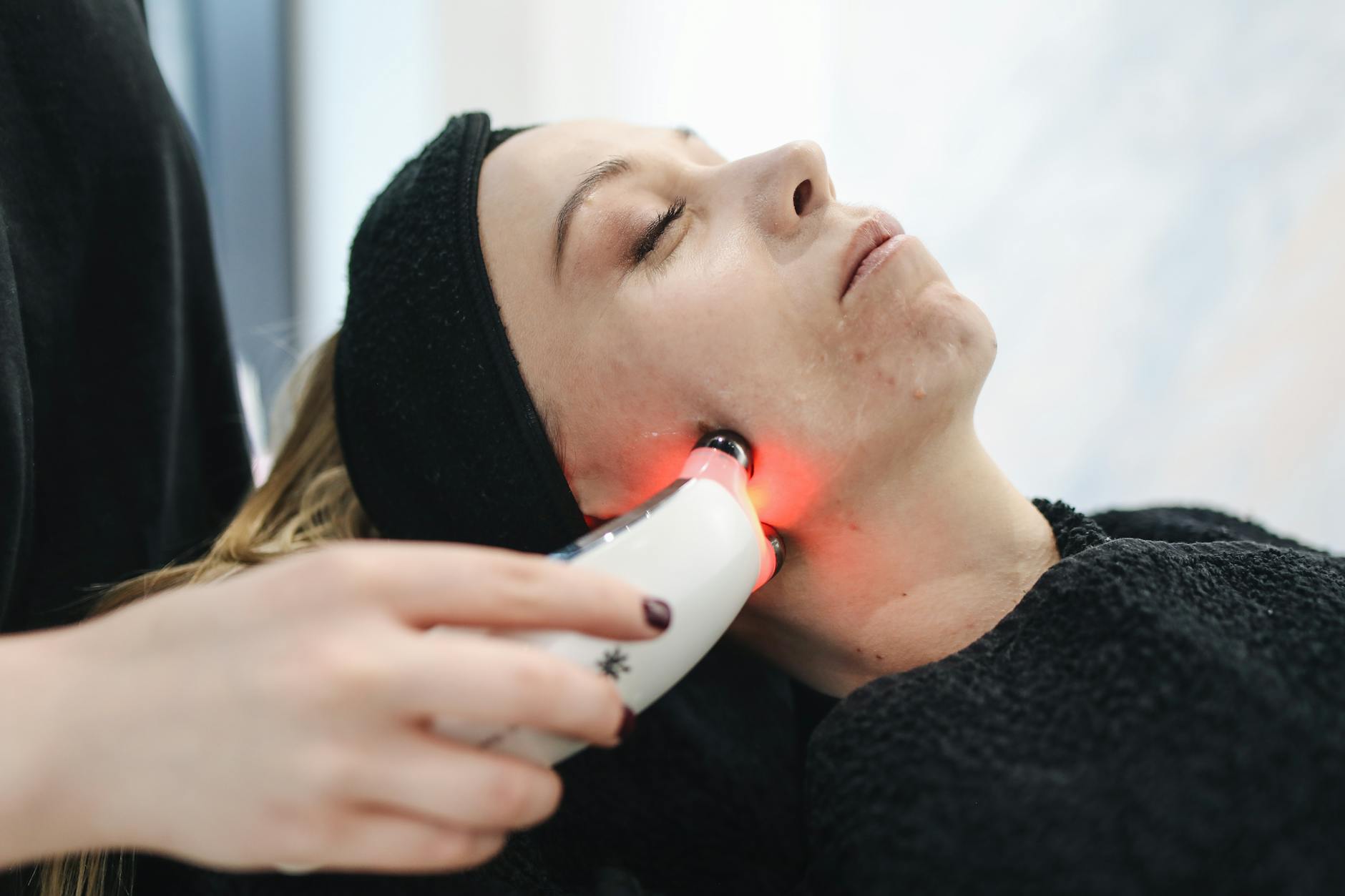
If acne mechanica persists after six to eight weeks of consistent home treatment and prevention measures, dermatologist consultation becomes appropriate. While most cases respond well to over-the-counter approaches, some people develop more stubborn breakouts that require prescription-strength treatments. Dermatologists can also confirm whether your breakouts are actually acne mechanica versus other conditions like rosacea, perioral dermatitis, or fungal infections that can look similar but require completely different treatments.
For example, someone might spend months treating assumed acne mechanica with salicylic acid while actually dealing with a fungal condition that worsens over time. A dermatologist can examine the breakouts, consider their pattern and appearance, and potentially take samples if the diagnosis is unclear. This becomes especially important if breakouts spread beyond the typical headband contact areas or if you develop symptoms like significant pain, spreading redness, or pustules that differ from your usual acne presentation.
Building a Long-Term Prevention Strategy
The most successful approach to preventing headband acne combines all the elements discussed into a sustainable routine. Purchase multiple moisture-wicking headbands so you always have a clean one available””owning just one or two makes the temptation to rewear sweaty gear much higher. Establish your pre-workout face washing as a non-skippable step, keep cleansing wipes in your gym bag for post-workout use when you cannot shower immediately, and make headband laundry part of your regular workout gear maintenance.
Consider tracking your breakouts for a few weeks if you are trying to identify what triggers them. Note which headband you wore, how long you exercised, how quickly you showered afterward, and where breakouts appeared. Patterns often emerge that help you identify specific factors contributing to your particular situation. What works for someone else may not work identically for you, and fine-tuning your approach based on your own data leads to better results than following generic advice alone.
Conclusion
Preventing acne from workout headbands requires attention to material choice, fit, and hygiene practices working together as a system. Choose moisture-wicking fabrics like polyester blends over cotton, ensure your headband fits snugly without pressing too tightly into your skin, and wash it after every single workout without exception. Cleanse your face before and after exercise, shower promptly when possible, and use salicylic acid products to treat any breakouts that develop despite your efforts.
The encouraging reality is that acne mechanica responds well to these straightforward prevention and treatment approaches. Unlike hormonal acne that can persist stubbornly despite best efforts, mechanica breakouts clear relatively quickly once you address their external causes. Give your prevention routine six to eight weeks of consistent application before concluding it is not working, and consult a dermatologist if breakouts persist beyond that timeframe or if you suspect something other than standard acne mechanica.