The best calming ingredients for irritated acne skin are niacinamide, centella asiatica (cica), azelaic acid, tea tree oil, aloe vera, and green tea extract. These ingredients share a critical dual function: they address acne at its source while simultaneously soothing the inflammation, redness, and sensitivity that often accompanies breakouts. Niacinamide stands out as particularly versatile, with clinical studies showing 82% of patients experienced improvement after 8 weeks of using a 4% gel formulation, achieving roughly 60% reduction in acne lesions. For someone dealing with angry, inflamed breakouts that leave skin feeling raw and reactive, starting with a 2-5% niacinamide serum offers a gentle entry point that calms irritation while regulating sebum production. What makes these ingredients especially valuable is their ability to treat acne without the harsh side effects associated with traditional treatments like benzoyl peroxide or retinoids.
Many people with acne-prone skin find themselves caught in a frustrating cycle: aggressive treatments clear breakouts but leave skin so irritated that the inflammation triggers more acne. The ingredients covered in this article break that cycle by working with your skin’s natural healing processes rather than against them. Centella asiatica, for instance, showed statistically significant improvements in hydration, redness, and skin elasticity within just 28 days in a 2025 clinical study. This article examines each calming ingredient in detail, including optimal concentrations backed by clinical research, realistic timelines for results, and important limitations you should know before incorporating them into your routine. You will also find guidance on combining these ingredients safely and choosing formulations appropriate for sensitive, acne-prone skin.
Table of Contents
- What Are the Most Effective Calming Ingredients for Acne-Prone Skin?
- How Niacinamide Calms Inflammation While Fighting Breakouts
- The Science Behind Centella Asiatica for Sensitive Acne Skin
- Azelaic Acid: A Prescription-Strength Option with Gentle Properties
- Tea Tree Oil: Natural Antimicrobial with Important Concentration Caveats
- Supporting Ingredients: Aloe Vera and Green Tea Extract
- Choosing and Combining Calming Ingredients Safely
- Conclusion
What Are the Most Effective Calming Ingredients for Acne-Prone Skin?
The most clinically validated calming ingredients for acne-prone skin fall into two categories: those with strong anti-inflammatory properties and those that combine antimicrobial action with soothing effects. Niacinamide leads the first category. A comprehensive 2026 literature review confirmed that this vitamin B3 derivative reduces oxidative stress, erythema, and inflammation while lowering sebum production. The optimal concentration ranges from 2-5% for sebum control and 5-10% for active acne treatment. A 2025 comparative study found niacinamide was associated with fewer and less severe adverse effects than fluorouracil, making it suitable for long-term use on reactive skin. Azelaic acid bridges both categories effectively. At concentrations of 15-20%, it delivers clinically meaningful improvements comparable to tretinoin 0.05%, benzoyl peroxide 5%, and erythromycin 2%, but with a gentler side effect profile.
A 2025 study testing a 10% azelaic acid nanocrystal hydrogel achieved a 36.51% success rate at week 8, with statistically significant results. When researchers combined azelaic acid with minocycline for moderate-to-severe acne, 90% of patients achieved good to excellent outcomes. However, the higher concentrations (15-20%) that produce the best results typically require a prescription in most countries, while over-the-counter formulations usually max out at 10%. Centella asiatica offers a different mechanism entirely. Its active compounds, including asiaticoside, madecassoside, asiatic acid, and madecassic acid, work through multiple signaling pathways including NF-κB and TGF-β/Smad to reduce inflammation and support skin barrier repair. A 28-day pilot study with 20 participants demonstrated statistically significant improvements (p < 0.001) in hydration, elasticity, redness, and pore size. Unlike some acne treatments that require weeks to show any effect, centella's calming benefits often become visible within a few days to one week, though improvements in acne scars take longer at 3-6 weeks.

How Niacinamide Calms Inflammation While Fighting Breakouts
Niacinamide works through multiple pathways that address both the inflammatory and bacterial components of acne. It inhibits the transfer of melanosomes to keratinocytes, reducing the post-inflammatory hyperpigmentation that often lingers after breakouts heal. Simultaneously, it strengthens the skin barrier by increasing ceramide production, which helps skin retain moisture and resist irritation from environmental stressors and other acne treatments. In a landmark 1995 study that remains influential in dermatological research, 4% niacinamide gel performed similarly to 1% clindamycin, a topical antibiotic, with approximately 60% reduction in acne lesions. The concentration you choose matters significantly. For general sebum reduction and preventive care, 2-5% formulations work well and carry minimal risk of irritation.
For active acne treatment, concentrations of 5-10% deliver stronger results but may cause mild tingling or flushing in some individuals during the first few weeks of use. Most people see improvements within 4-8 weeks of consistent application, though some notice reduced oiliness within the first two weeks. Niacinamide pairs well with most other skincare ingredients, including hyaluronic acid, vitamin C, and even retinoids, making it easy to incorporate into existing routines. However, niacinamide is not a miracle ingredient for everyone. People with extremely sensitive skin or rosacea may experience flushing, particularly with higher concentrations or products containing niacinamide combined with other active ingredients. If you notice persistent redness or warmth after applying a niacinamide product, try reducing the concentration or frequency of application before abandoning it entirely. Some individuals do better with 2% formulations applied twice daily rather than 10% applied once.
The Science Behind Centella Asiatica for Sensitive Acne Skin
Centella asiatica has moved from traditional medicine into mainstream dermatology based on accumulating clinical evidence. The plant’s therapeutic effects operate through several signaling pathways, including NF-κB, TGF-β/Smad, MAPK, Wnt/β-catenin, and STAT pathways. In practical terms, this means centella does not just mask inflammation; it interrupts the biochemical cascades that cause redness, swelling, and tissue damage in the first place. The 2025 clinical study using centella asiatica extracellular vesicles demonstrated this clearly, with participants showing measurable improvements in skin hydration, elasticity, redness, and pore size after just 28 days. What makes centella particularly valuable for acne-prone skin is its safety profile. It is generally well-tolerated across all skin types, including those with significant sensitivity or reactivity. Unlike tea tree oil or even niacinamide, which can cause reactions in some individuals, centella rarely triggers adverse effects.
This makes it an excellent choice for people whose skin has become sensitized from aggressive acne treatments or who have conditions like eczema or rosacea alongside their acne. Products marketed as “cica” creams or serums typically contain centella as their primary active ingredient. The timeline for results depends on what you are treating. Acute inflammation and redness often improve within days. For acne scars and post-inflammatory marks, expect to wait 3-6 weeks before seeing meaningful fading. One limitation worth noting: centella is primarily a soothing and healing ingredient rather than a direct acne fighter. It will not prevent new breakouts the way niacinamide or azelaic acid might. For best results, use centella alongside ingredients that address acne formation while letting it handle the calming and recovery aspects of your routine.

Azelaic Acid: A Prescription-Strength Option with Gentle Properties
Azelaic acid occupies a unique position among acne treatments. It offers efficacy comparable to prescription-strength retinoids and topical antibiotics while maintaining a side effect profile mild enough for sensitive skin. At 15-20% concentrations, clinical research shows it matches the performance of tretinoin 0.05%, benzoyl peroxide 5%, and erythromycin 2% for acne treatment. The global market for azelaic acid products exceeded 200 million USD in 2023 and is projected to surpass 415 million USD by 2033, reflecting growing recognition of its effectiveness. For irritated acne skin specifically, azelaic acid offers advantages over harsher alternatives. Unlike benzoyl peroxide, which bleaches fabrics and causes significant dryness in many users, azelaic acid rarely produces severe irritation.
Unlike retinoids, which typically require a weeks-long adjustment period of peeling and sensitivity, azelaic acid can be introduced without extensive “skin purging.” A 10% formulation tested in 2025 achieved a 36.51% success rate at week 8, demonstrating that even lower concentrations produce meaningful results when formulated properly as a nanocrystal hydrogel. The main limitation is access. Prescription formulations at 15-20% deliver the strongest results, but obtaining them requires a dermatologist visit in most regions. Over-the-counter options typically contain 10% or less, which still works but may require longer treatment duration to achieve comparable outcomes. Additionally, azelaic acid can cause mild stinging or itching when first applied, particularly on broken or heavily inflamed skin. This sensation usually diminishes with continued use, but if irritation persists beyond the first two weeks, reducing application frequency from twice daily to once daily often helps.
Tea Tree Oil: Natural Antimicrobial with Important Concentration Caveats
Tea tree oil demonstrates legitimate antimicrobial properties against acne-causing bacteria, but concentration matters enormously. The clinically effective concentration is 5%, yet most commercial products contain less than 0.5%, which may be insufficient to produce meaningful results. A randomized double-blind study of 60 patients found that 5% tea tree oil gel produced significant improvement in total acne lesion count over 45 days. A separate 12-week study showed mean total lesion counts dropping from 23.7 at baseline to 10.7 at study end, representing a 55% reduction. Comparisons with conventional treatments paint an encouraging picture. A trial involving 124 patients found that 5% tea tree oil performed comparably to 5% benzoyl peroxide for acne treatment, with notably fewer side effects. This makes tea tree oil appealing for those who find benzoyl peroxide too drying or irritating.
However, the American Academy of Dermatology’s 2024 guidelines state there is insufficient evidence to formally recommend tea tree oil for acne treatment. This does not mean it does not work; rather, the evidence base remains smaller than for pharmaceutical options, and quality varies significantly between products. Safety requires attention to concentration limits. Tea tree oil is generally safe at concentrations under 15%, while side effects including skin irritation, redness, and contact dermatitis have been reported at concentrations of 25% or higher. Never apply undiluted tea tree oil directly to skin. For irritated acne skin, starting with a properly formulated 5% product applied to a small test area helps identify any sensitivity before broader use. If you experience burning, swelling, or increased redness, discontinue use immediately. Tea tree oil works best as a complementary treatment alongside proven ingredients like niacinamide or azelaic acid rather than as a standalone acne solution.
Supporting Ingredients: Aloe Vera and Green Tea Extract
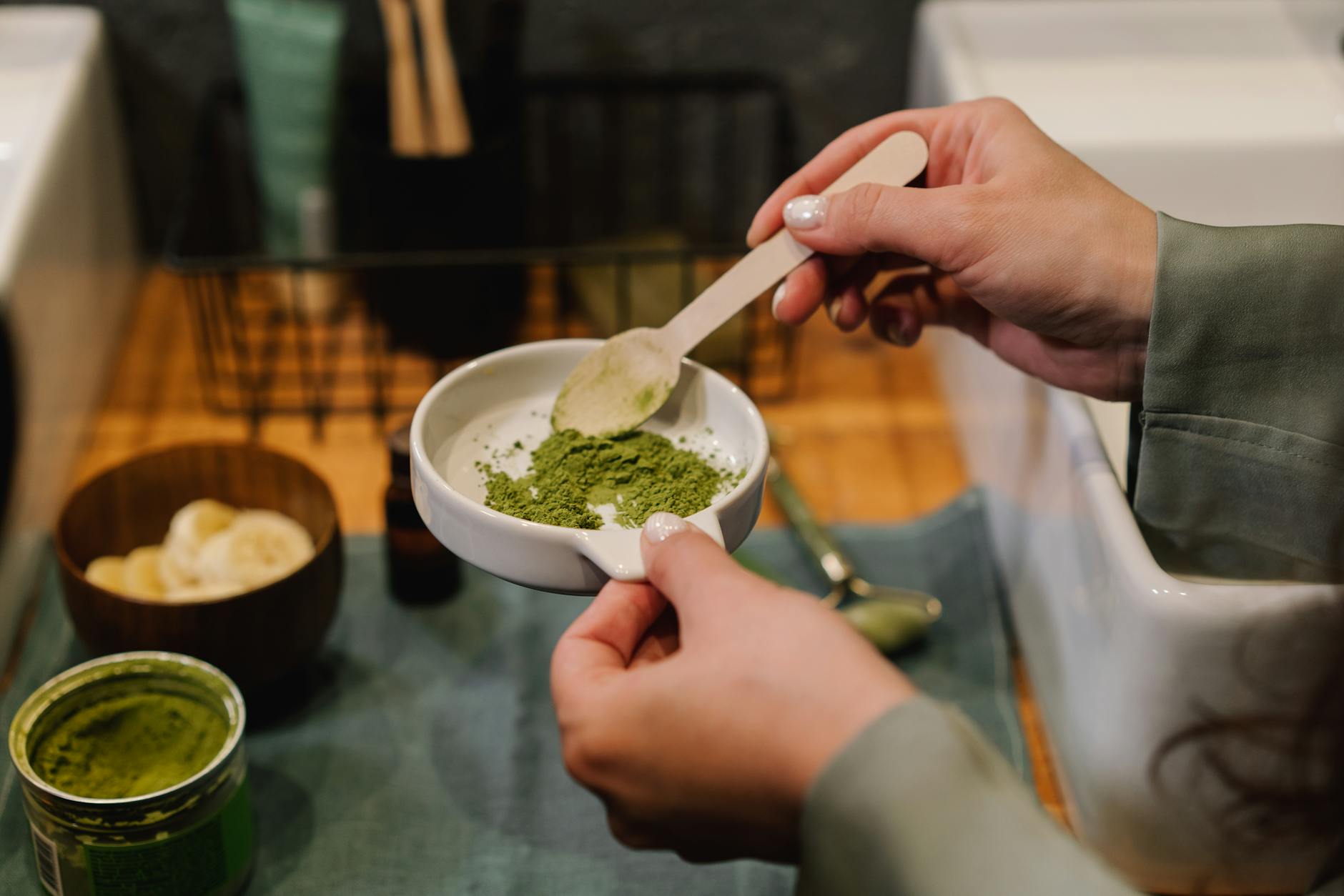
Aloe vera and green tea extract serve as valuable supporting players in a calming acne routine, even though neither has the robust clinical evidence base of niacinamide or azelaic acid. Aloe vera contains antioxidants and anti-inflammatory compounds that hydrate and cool skin while reducing redness and swelling. It works particularly well as an after-treatment soother, applied following potentially irritating actives like azelaic acid or tea tree oil to buffer the skin and prevent excessive dryness. Pure aloe gel can also serve as a lightweight moisturizer for those who find traditional creams too heavy or pore-clogging. Green tea extract brings high concentrations of catechins, powerful antioxidants that reduce redness and swelling while providing antibacterial activity against acne-causing organisms.
Unlike most topical ingredients, green tea can also be consumed orally for systemic antioxidant benefits, though topical application delivers more targeted results for skin-specific concerns. Products containing green tea extract work well as daily antioxidant protection, helping shield skin from environmental damage that can exacerbate inflammation and slow healing. Both ingredients are best understood as complementary rather than primary treatments. Someone with moderate inflammatory acne would likely see better results starting with niacinamide or azelaic acid, then adding aloe vera or green tea products to enhance comfort and recovery. For mild acne or maintenance after clearing active breakouts, these gentler options may provide sufficient control while keeping irritation to a minimum. They also make excellent choices for the “calming” step in more intensive routines that include prescription-strength treatments.
Choosing and Combining Calming Ingredients Safely
Building an effective routine for irritated acne skin requires matching ingredient choices to your specific concerns and tolerance level. For general recommendations, look for non-comedogenic, fragrance-free formulas that will not clog pores or trigger sensitivity reactions. Use lower concentrations of active ingredients when starting out, particularly with azelaic acid and tea tree oil, and choose pH-balanced formulas that maintain your skin’s natural protective acid mantle. Products combining acne-fighting actives with soothing ingredients like centella or aloe often provide better tolerability than single-ingredient treatments. When combining multiple calming ingredients, sequence matters. Water-based serums containing niacinamide should typically be applied before heavier creams containing centella or aloe. Azelaic acid can be applied morning or night depending on formulation texture and your other products.
Tea tree oil products, if used, work best as targeted spot treatments rather than all-over applications, reducing the risk of irritation from overexposure. Most people tolerate two to three active calming ingredients without problems, but introducing everything simultaneously makes it impossible to identify which product causes any adverse reactions. Add one new product every two to three weeks to monitor your skin’s response. The tradeoff between gentle and aggressive treatment deserves consideration. While the ingredients discussed here are all relatively mild, someone with severe inflammatory acne may need prescription-strength options that work faster, even at the cost of temporary irritation. Conversely, someone with mild acne who prioritizes skin comfort may achieve satisfactory results with centella and green tea alone. There is no universally correct answer; the best approach balances your acne severity, skin sensitivity, patience for slower results, and tolerance for potential side effects during treatment adjustment periods.
Conclusion
The most effective calming ingredients for irritated acne skin combine anti-inflammatory properties with mechanisms that address acne formation directly. Niacinamide remains the most versatile option, with 82% of study participants showing improvement and a gentle side effect profile suitable for long-term use. Centella asiatica provides rapid soothing effects within days while supporting skin barrier repair over weeks. Azelaic acid offers prescription-level efficacy with over-the-counter accessibility at lower concentrations.
Tea tree oil, when properly formulated at 5%, delivers antimicrobial benefits comparable to benzoyl peroxide with fewer harsh effects. Success with these ingredients depends on realistic expectations and patient application. Most require 4-8 weeks of consistent use before delivering their full benefits, and no single ingredient works optimally for everyone. Starting with lower concentrations, adding products one at a time, and choosing fragrance-free formulations reduces the risk of irritation while you identify what works for your skin. For persistent or severe acne, consultation with a dermatologist can help determine whether prescription-strength options or combination approaches would serve you better than over-the-counter products alone.