

The best lip products for acne-prone skin around the mouth are those formulated without comedogenic ingredients like coconut oil, lanolin, cocoa butter, and certain waxes that can migrate onto surrounding skin and clog pores. Mineral-based lip products, those with non-comedogenic oils like jojoba or sunflower seed oil, and formulas specifically labeled as non-acnegenic tend to be the safest choices. For example, a simple petroleum jelly-based lip balm without added fragrances or dyes has historically been recommended by dermatologists as a low-risk option, though even petroleum-based products can cause issues for some individuals if they seal bacteria against the skin. Perioral acne””breakouts concentrated around the lips, chin, and nasolabial folds””is notoriously stubborn, and lip products are often overlooked culprits.
The constant application and reapplication of balms, glosses, and lipsticks throughout the day means these products have extended contact with acne-prone zones. When ingredients from lip products transfer to surrounding skin through eating, talking, or simple migration, they can contribute to clogged pores and inflammation. This article covers which specific ingredients to avoid, how to identify truly non-comedogenic lip products, alternatives for different needs (hydration versus color), and how to adjust your routine if you’re actively treating perioral breakouts. Understanding the connection between your lip product choices and mouth-area acne can be the missing piece in an otherwise solid skincare routine. Many people diligently avoid pore-clogging ingredients in their moisturizers and sunscreens while unknowingly applying comedogenic lip balms multiple times daily.
Table of Contents
- What Makes Lip Products Safe or Unsafe for Acne Around the Mouth?
- Ingredients to Avoid in Lip Products When You Have Perioral Acne
- Non-Comedogenic Lip Balms and Their Key Characteristics
- How Lipsticks, Glosses, and Tinted Products Differ in Acne Risk
- Common Mistakes That Worsen Mouth-Area Breakouts
- Medicated and Treatment-Focused Lip Options
- Future Considerations and Evolving Formulations
- Conclusion
What Makes Lip Products Safe or Unsafe for Acne Around the Mouth?
The safety of a lip product for acne-prone skin comes down to its ingredient list and how those ingredients interact with the delicate, acne-susceptible skin surrounding your lips. Comedogenic ingredients””those known to clog pores””are the primary concern. Coconut oil ranks high on comedogenicity scales, yet it appears in countless “natural” lip balms marketed as gentle alternatives. Similarly, lanolin, derived from sheep’s wool, provides excellent moisture but has a moderate comedogenic rating that makes it problematic for breakout-prone individuals. Cocoa butter, shea butter in high concentrations, and certain synthetic emollients like isopropyl myristate and isopropyl palmitate are also frequent offenders. However, comedogenicity isn’t the only factor.
Fragrances and flavoring agents can cause irritation that exacerbates acne or triggers perioral dermatitis, a condition often confused with acne that presents as small red bumps around the mouth. Artificial dyes, particularly in tinted lip products, may also contribute to inflammation in sensitive individuals. The texture and wear of a product matters too””thick, occlusive glosses that spread easily beyond the lip line pose more risk than products that stay put. Comparing two popular lip balm categories illustrates this well: a typical drugstore balm might contain petrolatum, beeswax, and lanolin, while a “clean beauty” alternative might use coconut oil, shea butter, and essential oils. Neither is inherently safer for acne-prone skin. The drugstore option’s lanolin is moderately comedogenic, while the clean option’s coconut oil is highly comedogenic. This demonstrates why marketing claims matter less than actual ingredient analysis.
Ingredients to Avoid in Lip Products When You Have Perioral Acne
Building on the general categories above, here is a more specific breakdown of ingredients that dermatologists and estheticians commonly flag as problematic for acne around the mouth. Coconut oil and its derivatives (sodium lauryl sulfate derived from coconut, for instance) top most lists. Isopropyl myristate, isopropyl palmitate, and other isopropyl esters are used to improve texture but score high on comedogenicity tests. Algae extracts, sometimes marketed as beneficial, can trigger breakouts in susceptible individuals. Wheat germ oil, though nutrient-rich, is another hidden comedogenic culprit. Lanolin requires a nuanced discussion. While some sources rate it as moderately comedogenic, others argue that purified lanolin (often listed as “lanolin alcohol” or “acetylated lanolin”) is less likely to cause issues.
However, if you’re actively battling perioral acne, even moderate-risk ingredients may not be worth the gamble. The same applies to heavy waxes””while beeswax is generally considered safe, some individuals find that thick wax-based formulas create an occlusive seal that traps bacteria and sebum. The limitation here is significant: comedogenicity ratings were developed decades ago using rabbit ear assays, which don’t perfectly translate to human skin. Individual responses vary widely. A product that causes breakouts for one person may be completely fine for another. If you’ve eliminated other obvious causes of perioral acne and still struggle, consider that even a “non-comedogenic” ingredient might be your personal trigger. Patch testing a new lip product on a small area of skin near your jawline for a week before regular use can help identify problems before they spread.
Non-Comedogenic Lip Balms and Their Key Characteristics
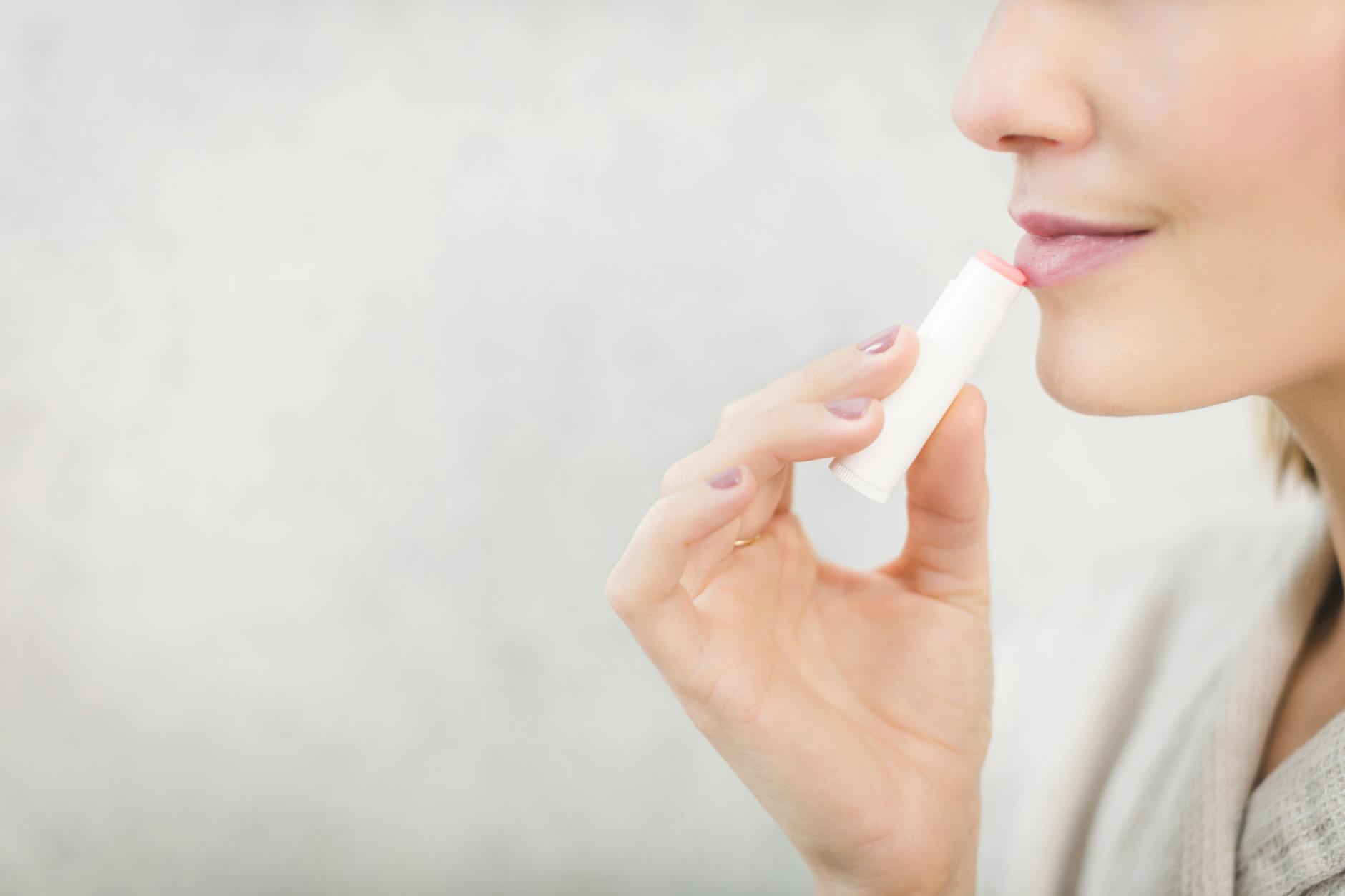
Non-comedogenic lip balms typically rely on ingredients with low or zero comedogenicity ratings. Petroleum jelly (petrolatum) remains one of the most dermatologist-recommended bases””despite its unglamorous reputation, it scores a zero on comedogenicity scales and provides effective moisture barrier protection. Mineral oil, similarly maligned in natural beauty circles, is also non-comedogenic. Jojoba oil, technically a wax ester that mimics skin’s natural sebum, is generally well-tolerated. Sunflower seed oil, squalane (derived from olives or sugarcane), and hemp seed oil also tend to be safe choices.
Look for products that explicitly state “non-comedogenic” or “won’t clog pores,” though these claims aren’t regulated and should be verified against the ingredient list. Simpler formulas with fewer ingredients reduce the chances of including a hidden trigger. Some dermatology-focused brands have developed lip products specifically for acne-prone patients, though availability and specific formulations change over time, so checking current offerings is advisable. A specific example: a basic lip balm containing only petroleum jelly, candelilla wax (a plant-based wax alternative to beeswax), and vitamin E would be a low-risk choice. Candelilla wax is not known to be comedogenic, vitamin E (tocopherol) is generally safe, and petroleum jelly provides the moisture seal. Compare this to a balm with the same base but added coconut-derived emollients, fragrance, and red dye””the risk profile increases substantially despite similar marketing claims.
How Lipsticks, Glosses, and Tinted Products Differ in Acne Risk
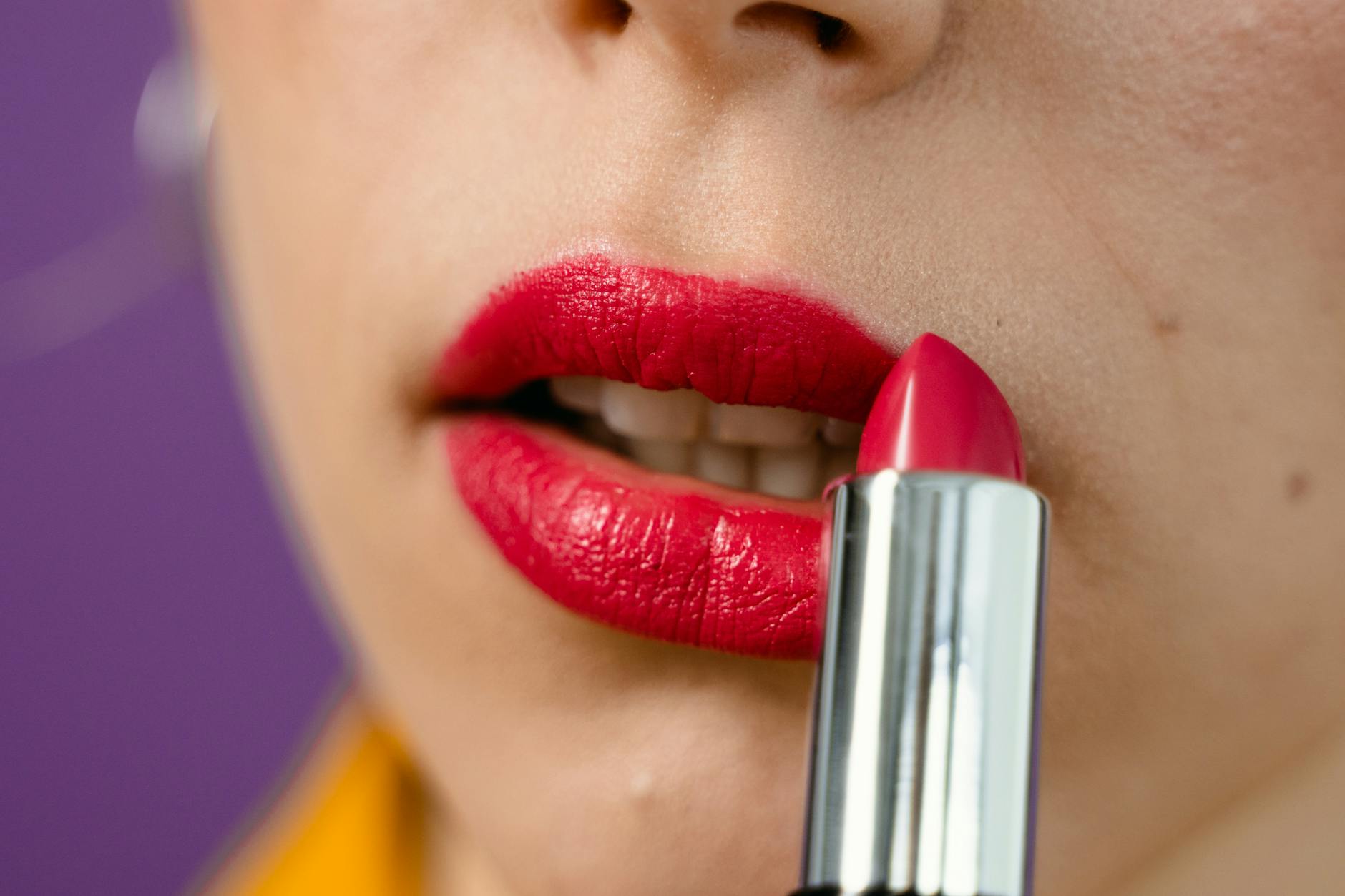
Moving beyond basic lip balms, color cosmetics for lips present their own challenges. Traditional lipsticks contain waxes, oils, and pigments that vary widely in comedogenic potential. Matte liquid lipsticks, which dry down and typically stay in place better than creamy formulas, might seem like a safer option since they’re less likely to migrate onto surrounding skin. However, the drying alcohols and film-forming agents in these products can cause irritation and compromise the skin barrier, potentially worsening perioral dermatitis or sensitizing the area. Lip glosses pose perhaps the highest risk for acne around the mouth. Their slippery, spreadable texture means they easily transfer beyond the lip line with eating, drinking, and everyday movement.
Many glosses rely heavily on oils””sometimes comedogenic ones””to achieve their signature shine. If you’re dealing with active perioral breakouts, glosses are generally worth avoiding until your skin stabilizes. The tradeoff between aesthetics and skin safety becomes apparent here. A lightweight, mineral-based lipstick in a satin finish may offer the best compromise””more staying power than a gloss, less drying than a matte liquid lip, and with careful ingredient selection, reasonably safe for acne-prone skin. Mineral pigments like iron oxides and titanium dioxide are not comedogenic. The challenge is finding products that combine these safe pigments with non-comedogenic moisturizing bases rather than cheaper, pore-clogging alternatives.
Common Mistakes That Worsen Mouth-Area Breakouts
Even with carefully selected lip products, certain habits can undermine your efforts. Over-application is a frequent issue””constantly reapplying lip balm, especially scented or flavored varieties, increases ingredient exposure and contact with perioral skin. Some dermatologists suggest that “lip balm addiction” creates a cycle where the lips feel dry, prompting more application, which causes more irritation or breakouts, which leads to perceived dryness. Breaking this cycle by reducing application frequency and switching to a minimal, unflavored formula can help. Failing to properly remove lip products, particularly long-wear or heavily pigmented options, is another mistake. Makeup left on overnight can migrate and mix with skin oils and bacteria.
Use a gentle, oil-free makeup remover or micellar water on and around the lips before your nighttime skincare routine. Be thorough but gentle””aggressive rubbing irritates the delicate perioral area. A warning that often goes unmentioned: toothpaste ingredients can contribute to perioral breakouts, and this sometimes gets conflated with lip product issues. Sodium lauryl sulfate (SLS), a foaming agent in most toothpastes, is a known irritant that can exacerbate perioral dermatitis and acne. If you’ve addressed your lip products and still see no improvement, switching to an SLS-free toothpaste may be the missing variable. Similarly, lip products used in conjunction with whitening toothpastes or mouthwashes can create compounding irritation.

Medicated and Treatment-Focused Lip Options
For those actively treating perioral acne with topical medications, lip product choices require extra consideration. Benzoyl peroxide and retinoids, common acne treatments, can cause significant dryness and irritation on and around the lips. In this context, a good occlusive lip product becomes more important””but so does choosing one that won’t counteract your treatment efforts by clogging pores. Some specialty lip balms contain acne-fighting or skin-soothing ingredients like niacinamide, salicylic acid in low concentrations, or ceramides to support the skin barrier.
These can serve dual purposes for acne-prone individuals. However, applying active ingredients designed for facial skin directly on the lips requires caution, as lip skin is thinner and more sensitive. Products specifically formulated for lip use with these ingredients are preferable to improvising with facial serums. A practical example: someone using prescription tretinoin for perioral acne might apply a thin layer of a ceramide-enriched, fragrance-free lip balm before their treatment to protect the lips from drying effects, then use the same balm during the day. Keeping the formula simple””ceramides, petrolatum, perhaps some soothing allantoin””avoids introducing new comedogenic risks while addressing treatment-related dryness.
Future Considerations and Evolving Formulations
The intersection of lip care and acne prevention continues to evolve as cosmetic science advances and consumer awareness grows. More brands are recognizing that “clean” or “natural” doesn’t automatically mean safe for acne-prone skin, leading to more thoughtful formulations that avoid both synthetic irritants and naturally-derived comedogenic ingredients.
Microbiome-friendly skincare concepts are also extending to lip products, with some newer formulas aiming to support healthy bacterial balance rather than just providing moisture. As ingredient transparency improves through apps and databases that decode cosmetic labels, consumers gain better tools for identifying potential triggers. However, the fundamental principle remains unchanged: for acne around the mouth, simpler is usually safer, and no marketing claim substitutes for reviewing the actual ingredient list against known comedogenic and irritating substances.
Conclusion
Choosing lip products safe for acne around the mouth requires moving beyond marketing claims to examine actual ingredients. Avoid known comedogenic culprits like coconut oil, lanolin, and isopropyl esters. Opt for simpler formulas based on petroleum jelly, mineral oil, or non-comedogenic plant oils like jojoba and sunflower seed oil.
Be especially cautious with lip glosses, which spread easily beyond the lip line, and remember that even “natural” products can clog pores. Beyond product selection, consider your overall habits: reduce application frequency if you’re constantly reapplying balm, thoroughly remove lip products at night, and investigate other potential causes like SLS-containing toothpaste. If you’re using acne treatments that dry out the lip area, choose a protective balm with minimal, non-comedogenic ingredients. With attention to these details, it’s entirely possible to keep lips comfortable and moisturized without sabotaging your efforts to clear perioral acne.