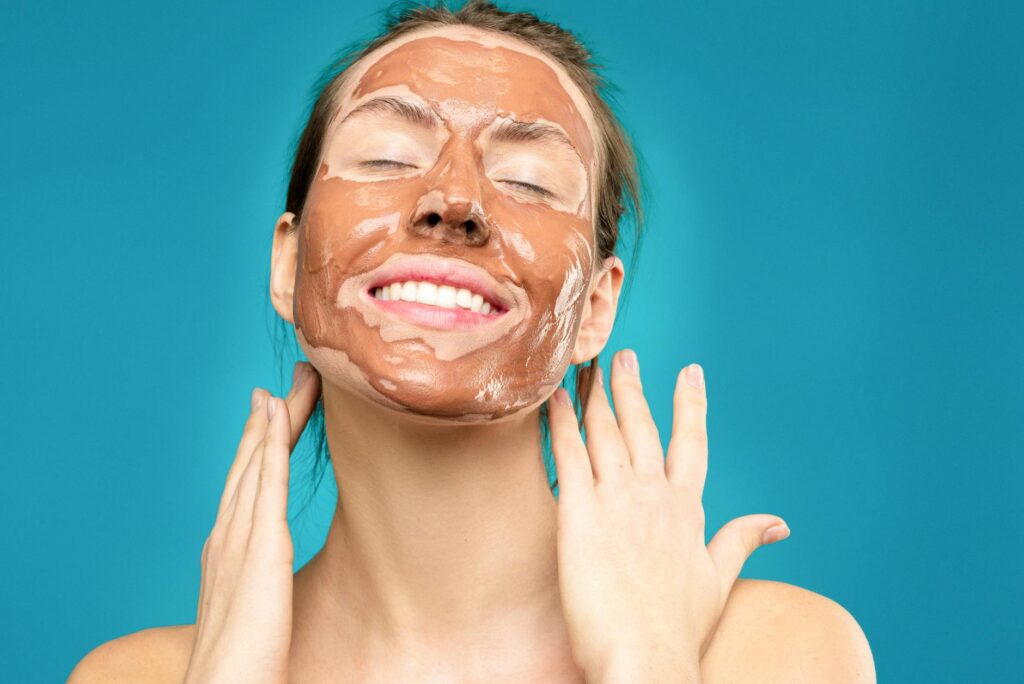
The best clay masks for drawing out acne impurities combine absorbent clays like kaolin and bentonite with active ingredients such as sulfur and salicylic acid. For most people dealing with clogged pores and breakouts, the Aztec Secret Indian Healing Clay stands out as the most accessible option at around $10 for a 15.5-ounce container, backed by over 73,000 five-star reviews on Amazon. For more stubborn acne, the Peter Thomas Roth Therapeutic Sulfur Mask offers 10% sulfur plus bentonite clay, a combination that dermatologists recommend for clearing pores without stripping the skin. If you’re looking for something gentler for sensitive skin, the Cetaphil Clay Mask provides bentonite and kaolin in a fragrance-free, hypoallergenic formula that works in just 5-10 minutes. These recommendations aren’t arbitrary.
A 2023 clinical study published in *Skin Research and Technology* followed 75 adults with oily and combination skin who used clay masks twice weekly for four weeks. The results showed significant improvement in both open and closed comedones, along with better sebum control, skin evenness, and surprisingly, improved hydration. This challenges the old assumption that clay masks inevitably leave skin parched. The science suggests that when formulated correctly, these masks can address multiple concerns simultaneously. This article breaks down exactly how different clay types work on acne-prone skin, which product combinations deliver results, and what dermatologists say about incorporating masks into your existing routine. You’ll also learn the limitations of clay masks and when they might not be the right choice for your specific skin concerns.
Table of Contents
- What Makes Clay Masks Effective at Drawing Out Acne Impurities?
- Comparing the Top Dermatologist-Recommended Clay Masks
- Why Clay Masks Should Complement, Not Replace, Your Acne Routine
- How Often Should You Use Clay Masks for Acne-Prone Skin?
- Common Mistakes When Using Clay Masks for Acne
- Budget-Friendly Options That Actually Work
- What to Expect From Consistent Clay Mask Use
- Conclusion
What Makes Clay Masks Effective at Drawing Out Acne Impurities?
The effectiveness of clay masks comes down to chemistry. According to Dr. Nazanin Saedi, a board-certified dermatologist and clinical associate professor at Thomas Jefferson University, bentonite clay works because of its large surface area and ionic charge. Bentonite is a hydrated aluminum magnesium silicate that essentially acts like a magnet for oil and debris trapped in pores. Kaolin clay operates differently, absorbing excess sebum more gently while helping to minimize the appearance of pores. When these clays dry on the skin, they create a pulling action that draws impurities to the surface. The addition of active ingredients transforms a basic clay mask into a targeted acne treatment.
Sulfur reduces inflammation and clears bacteria, which is why the Peter Thomas Roth formula with 10% sulfur has earned dermatologist endorsements. Salicylic acid, a beta hydroxy acid, penetrates into pores to dissolve the sebum plugs that cause blackheads and whiteheads. The Murad Rapid Relief Acne Sulfur Mask combines 5% sulfur with salicylic acid and kaolin clay, addressing multiple acne pathways in a single product. However, more isn’t always better. Research published in 2025 in *Pharmaceutical Sciences and Research* identified an optimal clay mask formula ratio of 0.8% kaolin to 0.2% bentonite. Higher concentrations of bentonite can be overly drying, particularly for those with combination skin where only certain areas produce excess oil. This finding suggests that the most effective masks balance absorbency with skin barrier protection.

Comparing the Top Dermatologist-Recommended Clay Masks
The Aztec Secret Indian Healing Clay offers pure, 100% natural calcium bentonite clay without additional active ingredients. This makes it highly customizable since you can mix it with apple cider vinegar or water depending on your skin’s tolerance. The tradeoff is that you’re getting raw clay without the buffering agents or complementary actives found in formulated products. For someone with resilient, oily skin, this straightforward approach works well. For sensitive or dry skin types, the intensity can cause irritation, redness, or excessive tightness. The Murad and Peter Thomas Roth options represent the opposite end of the spectrum.
These are professionally formulated products designed to deliver clinical-strength ingredients in a controlled manner. The Peter Thomas Roth Therapeutic Sulfur Mask’s 10% sulfur concentration is notably higher than what you’d find in most drugstore options, making it suitable for moderate to severe congestion. Murad’s 5% sulfur formula is less aggressive, potentially better for weekly maintenance rather than intensive treatment. The Cetaphil Clay Mask occupies a middle ground that’s often overlooked. Its fragrance-free, hypoallergenic formula with both bentonite and kaolin clays provides effective oil absorption without the sensory assault of stronger treatments. The 5-10 minute application time means less risk of over-drying, which matters because the longer a clay mask sits on skin, the more moisture it pulls. If you’ve tried clay masks before and found them too harsh, Cetaphil’s gentler approach might change your experience.
Why Clay Masks Should Complement, Not Replace, Your Acne Routine
Clay masks work best as part of a broader strategy rather than a standalone solution. According to guidance from MDacne, these masks should complement daily acne treatments containing salicylic acid and benzoyl peroxide. The reason is simple: clay masks provide periodic deep cleaning, but acne is a chronic condition that requires consistent daily management. Using a clay mask once or twice weekly removes accumulated debris, making your daily products more effective by ensuring they can actually reach the skin rather than sitting on top of buildup. Consider how this works in practice. Someone using a daily benzoyl peroxide wash and nightly retinoid might add a clay mask every Sunday evening. The mask clears out the week’s accumulated sebum and dead skin cells, essentially resetting the canvas.
The following days, the benzoyl peroxide and retinoid can work more efficiently because they’re not fighting through layers of gunk. This synergistic approach addresses both the immediate symptoms and the underlying causes of acne. The limitation here is that clay masks cannot treat inflammatory acne on their own. If you have red, swollen pimples or cystic acne, the drawing action of clay won’t address the bacterial infection or inflammation happening beneath the surface. In these cases, clay masks might even irritate already inflamed lesions. Stick to masks for blackheads, whiteheads, and general congestion. For inflammatory acne, you need targeted treatments with antibacterial and anti-inflammatory properties.
How Often Should You Use Clay Masks for Acne-Prone Skin?
The clinical study from 2023 that showed significant improvement in comedones used a twice-weekly application schedule over four weeks. This frequency appears to hit the sweet spot between effectiveness and skin tolerance. Using clay masks more often, particularly the stronger formulations, risks compromising the skin barrier. When the barrier is damaged, skin actually produces more oil to compensate, potentially worsening the congestion you’re trying to address. For oily skin that tolerates clay well, twice weekly is a reasonable starting point. For combination skin, once weekly may be sufficient, with application focused on the T-zone rather than the entire face. Dr.
Loretta Ciraldo recommends choosing clay masks without artificial colorants or dyes, which can cause additional irritation. This advice becomes especially important with frequent use, as cumulative exposure to irritating ingredients compounds over time. The comparison between intensive and maintenance approaches matters here. During a breakout or period of increased congestion, you might temporarily increase frequency to twice weekly with a gentler formula like Cetaphil. During clearer periods, dropping to once weekly or even every ten days prevents unnecessary drying while maintaining pore clarity. Pay attention to how your skin responds in the 24-48 hours after masking. Persistent tightness, flaking, or increased redness signals that you’re overdoing it.
Common Mistakes When Using Clay Masks for Acne
The most frequent error is leaving clay masks on until they’re completely dry and cracking. While it might feel like the mask is working harder at this stage, what’s actually happening is moisture being pulled from healthy skin tissue. The ideal removal point is when the mask is about 80% dry, still slightly tacky but no longer wet. At this stage, you’ve gotten the pore-clearing benefits without the excessive dehydration that triggers rebound oil production. Another mistake involves product selection based on marketing rather than formulation. A clay mask marketed for acne but loaded with fragrance, essential oils, or botanical extracts can do more harm than good. Essential oils like tea tree or peppermint might seem like acne-fighting additions, but they’re common irritants that can cause contact dermatitis in sensitive individuals. Dr.
Ciraldo’s advice to avoid artificial colorants extends to these unnecessary botanical ingredients as well. The most effective clay masks tend to have shorter ingredient lists focused on proven actives. Post-mask skincare also trips people up. After removing a clay mask, skin is temporarily more permeable and potentially sensitized. This is not the time to apply strong actives like retinoids or high-concentration vitamin C. Instead, follow with a hydrating, soothing product to restore moisture. Wait at least a few hours, or until the next day, before using your usual treatment products. Layering aggressive actives immediately after a clay mask is a recipe for irritation.
Budget-Friendly Options That Actually Work
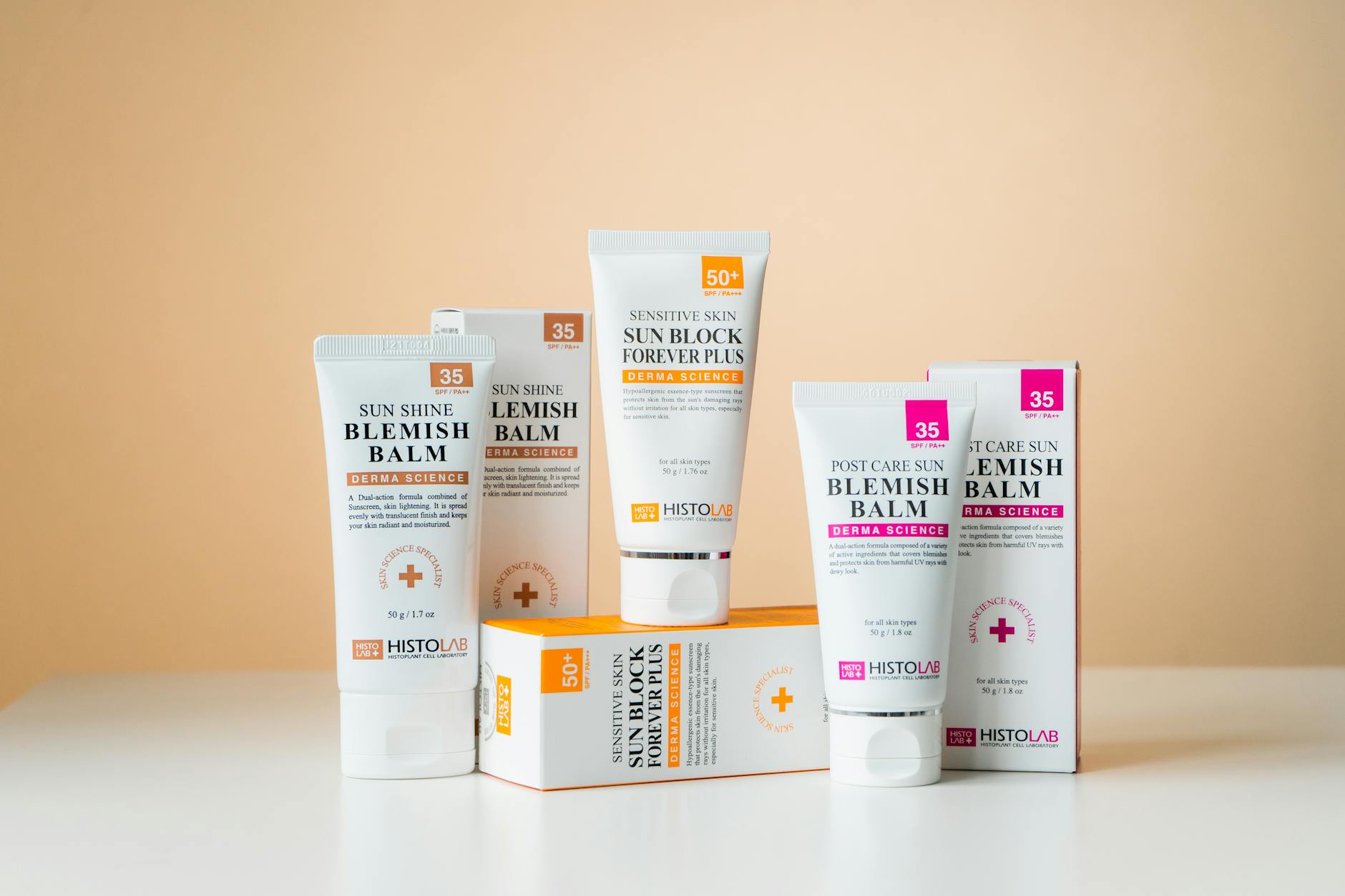
The Aztec Secret Indian Healing Clay at roughly $10 for 15.5 ounces represents exceptional value when you calculate cost per use. A single application requires about a tablespoon of powder, meaning one container provides dozens of treatments. Compared to the Peter Thomas Roth mask at a premium price point, you’re paying pennies per application for the Aztec clay.
The tradeoff is convenience and formulation sophistication, not necessarily effectiveness. The Cetaphil Clay Mask offers another affordable option with the advantage of being ready to use straight from the tube. For someone who doesn’t want to mix powder with liquid or measure proportions, this grab-and-go format has real practical value. The drugstore price point makes it accessible for consistent use without the financial commitment of department store skincare.
What to Expect From Consistent Clay Mask Use
Realistic expectations matter when starting any new skincare practice. The clinical research showed improvements in comedones, sebum control, and skin evenness after four weeks of twice-weekly use. This timeline suggests that you shouldn’t expect dramatic overnight results. Initial improvements in skin texture and reduced oiliness often appear within the first week or two, but meaningful reduction in blackheads and clogged pores takes longer.
Some people experience a temporary increase in breakouts during the first couple of weeks as impurities are drawn to the surface. This purging phase can be discouraging but typically resolves as the skin adjusts. If new breakouts persist beyond three to four weeks, the mask may not be right for your skin type, or you may be using it too frequently. Patience combined with observation is the most reliable approach to finding what works for your specific skin.
Conclusion
Clay masks earn their place in acne-fighting routines through genuine mechanisms: absorbent clays like bentonite and kaolin physically draw out oil and debris, while active ingredients like sulfur and salicylic acid address bacteria and clogged pores. The clinical evidence supports using these masks twice weekly as a complement to daily acne treatments. Product choice should match your skin type and concerns, from the budget-friendly intensity of Aztec Secret to the dermatologist-formulated precision of Peter Thomas Roth.
Start with a gentler option if you’re new to clay masks, pay attention to how your skin responds, and resist the urge to overdo frequency or leave masks on too long. The goal is sustained improvement over weeks, not dramatic results from a single application. Used correctly as part of a comprehensive routine, clay masks provide a level of deep cleaning that daily cleansers simply cannot match.