
Understanding what the best supplements for clear skin are has become increasingly important as research continues to reveal the profound connection between internal nutrition and external appearance. While topical treatments address surface-level concerns, the skin’s health fundamentally depends on the nutrients circulating through the bloodstream, feeding skin cells from within. This inside-out approach to skincare has gained significant traction among dermatologists and nutritionists who recognize that even the most sophisticated skincare routine cannot fully compensate for nutritional deficiencies. The frustration of dealing with persistent acne, dullness, premature aging, or inflammatory skin conditions often leads people to search beyond conventional treatments.
Many individuals follow rigorous skincare regimens yet still struggle with breakouts, uneven texture, or chronic redness. These ongoing issues frequently point to gaps in nutrition that topical products simply cannot bridge. Supplements offer a targeted way to address these internal deficiencies, providing concentrated doses of vitamins, minerals, and other compounds that support skin cell regeneration, collagen production, inflammation control, and barrier function. By the end of this article, readers will have a thorough understanding of which supplements have demonstrated efficacy for improving skin clarity, how these nutrients work at the cellular level, appropriate dosages based on current research, potential interactions and contraindications, and practical strategies for incorporating supplements into an existing skincare routine. The goal is to provide evidence-based guidance that empowers informed decisions about nutritional supplementation for healthier, clearer skin.
Table of Contents
- Which Supplements Are Best for Achieving Clear, Healthy Skin?
- How Vitamins and Minerals Support Skin Clarity at the Cellular Level
- The Gut-Skin Connection and Probiotic Supplements for Clearer Skin
- Choosing the Right Supplement Dosages for Skin Health
- Potential Supplement Interactions and Contraindications for Skin Supplements
- Collagen and Specialty Supplements for Skin Regeneration
- How to Prepare
- How to Apply This
- Expert Tips
- Conclusion
- Frequently Asked Questions
Which Supplements Are Best for Achieving Clear, Healthy Skin?
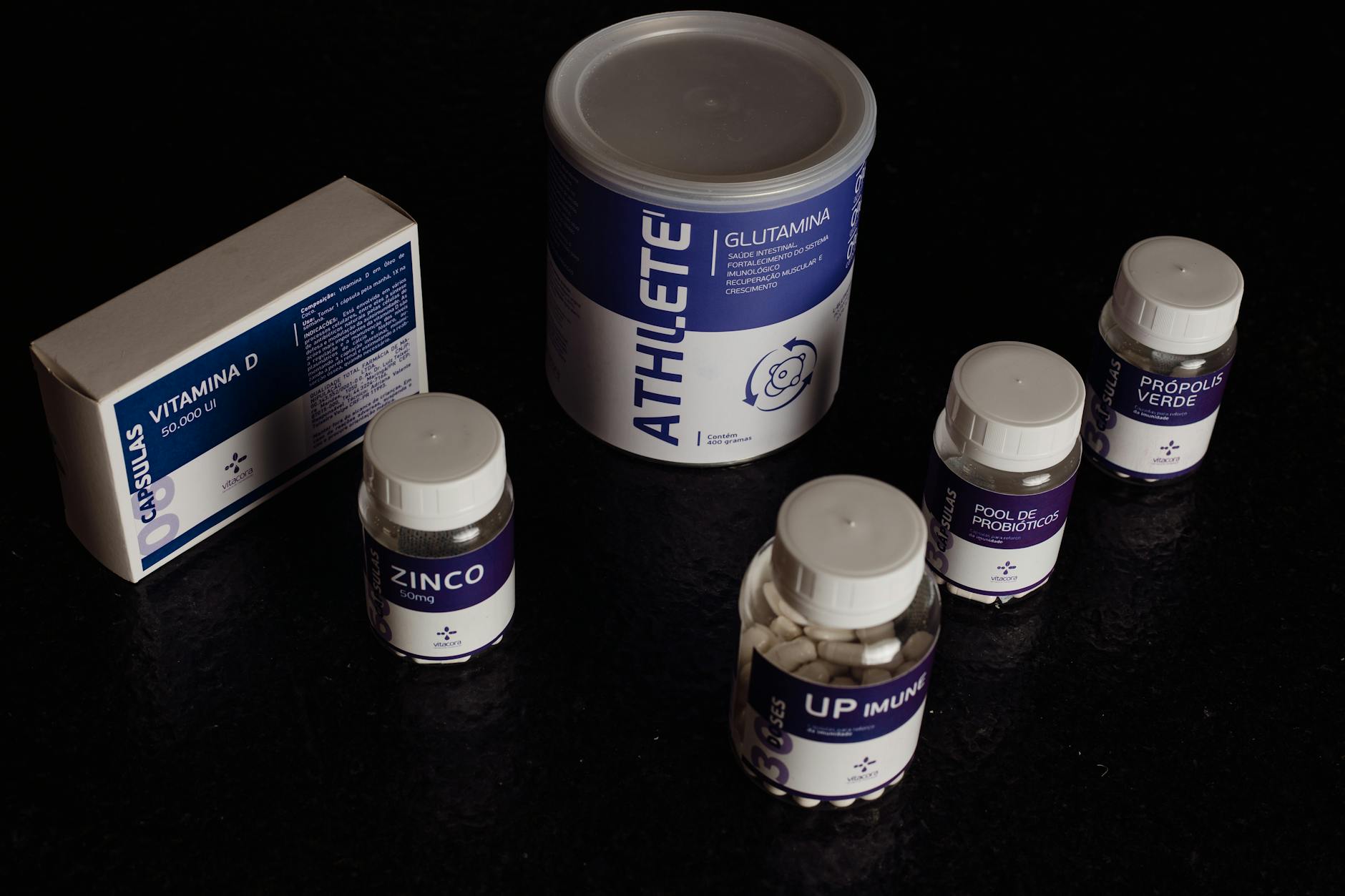
The supplements with the strongest evidence for promoting clear skin include zinc, omega-3 fatty acids, vitamin D, vitamin A, and probiotics. Each of these nutrients addresses different aspects of skin health, from reducing inflammation and regulating oil production to supporting the skin barrier and promoting cellular turnover. Zinc, in particular, has been studied extensively in the context of acne, with research published in the Journal of the American Academy of Dermatology showing that individuals with acne often have lower serum zinc levels than those with clear skin. Zinc plays a crucial role in regulating sebum production, reducing inflammatory markers, and supporting wound healing, making it especially valuable for acne-prone skin.
Omega-3 fatty acids, found abundantly in fish oil supplements, offer powerful anti-inflammatory benefits that can calm reactive skin conditions including acne, rosacea, and eczema. The body cannot produce these essential fatty acids on its own, yet they are critical for maintaining the lipid barrier that keeps skin hydrated and protected. Studies have shown that populations consuming diets high in omega-3s have significantly lower rates of inflammatory acne compared to Western populations with omega-6 dominant diets. The typical Western diet contains an omega-6 to omega-3 ratio of approximately 15:1, whereas a ratio closer to 4:1 or lower appears optimal for reducing systemic inflammation.
- Zinc regulates sebum production and has antibacterial properties that target acne-causing bacteria
- Omega-3 fatty acids reduce inflammatory cytokines and strengthen the skin barrier
- Vitamin D modulates immune function and has been linked to reduced acne severity in deficient individuals
- Vitamin A derivatives support cellular turnover and prevent pore clogging
- Probiotics balance gut microbiome health, which directly influences skin inflammation through the gut-skin axis
How Vitamins and Minerals Support Skin Clarity at the Cellular Level
Understanding the mechanisms by which supplements improve skin clarity requires examining their actions at the cellular level. vitamin A, whether consumed as preformed retinol or as beta-carotene that the body converts, influences gene expression in skin cells, promoting healthy differentiation and preventing the hyperkeratinization that leads to clogged pores. This vitamin also supports the production of new skin cells while facilitating the shedding of old ones, maintaining the smooth texture associated with clear skin. Deficiency in vitamin A manifests visibly as rough, dry skin prone to breakouts and slow wound healing.
Vitamin C serves as a cofactor in collagen synthesis, the structural protein that gives skin its firmness and resilience. Beyond its role in collagen production, vitamin C functions as a potent antioxidant, neutralizing free radicals generated by UV exposure, pollution, and metabolic processes. These free radicals damage cellular components and accelerate aging while promoting inflammation that can trigger or worsen acne. Research indicates that vitamin C also inhibits melanin production, helping to fade post-inflammatory hyperpigmentation, the dark marks left behind after acne lesions heal.
- Vitamin E works synergistically with vitamin C, regenerating its antioxidant capacity after it neutralizes free radicals
- B vitamins, particularly B3 (niacinamide) and B5 (pantothenic acid), support skin barrier function and regulate sebum
- Selenium activates antioxidant enzymes and may protect against UV-induced damage
- Copper peptides support collagen and elastin production while offering antimicrobial effects
The Gut-Skin Connection and Probiotic Supplements for Clearer Skin
The relationship between gut health and skin appearance has emerged as one of the most significant areas of dermatological research in recent decades. The gut-skin axis describes the bidirectional communication between the intestinal microbiome and skin health, with imbalances in gut bacteria correlating strongly with inflammatory skin conditions. Studies have found that individuals with acne are more likely to have altered gut microbiomes characterized by reduced bacterial diversity and overgrowth of certain species. This dysbiosis increases intestinal permeability, allowing inflammatory compounds to enter the bloodstream and trigger systemic inflammation that manifests on the skin.
Probiotic supplements containing specific strains such as Lactobacillus rhamnosus, Lactobacillus acidophilus, and Bifidobacterium bifidum have demonstrated benefits for skin clarity in clinical trials. A 2013 study published in Gut Pathogens found that participants taking a probiotic supplement experienced significant improvements in acne severity compared to placebo groups. The mechanisms appear to involve reduced systemic inflammation, improved nutrient absorption, production of antimicrobial peptides, and modulation of the immune response. Some probiotic strains also produce short-chain fatty acids that strengthen both the intestinal barrier and, indirectly, the skin barrier.
- Lactobacillus strains have shown particular efficacy for reducing inflammatory acne lesions
- Prebiotics, which feed beneficial gut bacteria, can enhance the effects of probiotic supplementation
- Fermented foods provide natural probiotics but may not deliver therapeutic doses consistently
- Gut healing protocols addressing intestinal permeability may amplify benefits for skin

Choosing the Right Supplement Dosages for Skin Health
Determining appropriate dosages for skin-supporting supplements requires balancing efficacy with safety, as both deficiency and excess can negatively impact skin health. For zinc, studies showing benefits for acne have used doses ranging from 30 to 50 milligrams of elemental zinc daily, with zinc gluconate and zinc picolinate forms demonstrating good absorption. However, long-term supplementation above 40 milligrams daily can interfere with copper absorption, potentially causing deficiency in this essential mineral. Starting with 15 to 30 milligrams daily and adjusting based on response represents a prudent approach, with periodic breaks to prevent mineral imbalances.
Omega-3 supplementation for skin benefits typically requires 1,000 to 2,000 milligrams of combined EPA and DHA daily, the active forms found in fish oil. This is significantly more than the amount many people consume through diet alone. When selecting fish oil supplements, purity matters considerably, as lower-quality products may contain oxidized oils or environmental contaminants. Third-party testing certifications from organizations such as IFOS (International Fish Oil Standards) indicate products meeting strict quality criteria. For those following plant-based diets, algae-derived omega-3 supplements provide EPA and DHA directly, bypassing the fish source.
- Vitamin D supplementation of 1,000 to 4,000 IU daily addresses deficiency common in northern latitudes
- Vitamin A from supplements should not exceed 10,000 IU daily to avoid toxicity, with beta-carotene offering a safer alternative
- Probiotic supplements should contain at least 1 billion CFU, though higher counts of 10 to 50 billion may be more effective for therapeutic purposes
- B vitamin complexes should be balanced to prevent imbalances between individual B vitamins
Potential Supplement Interactions and Contraindications for Skin Supplements
Before beginning any supplement regimen for skin health, understanding potential interactions with medications and existing health conditions is essential. Zinc supplements can interfere with the absorption of certain antibiotics, including tetracyclines and fluoroquinolones, medications sometimes prescribed for acne. Taking these supplements and medications at different times, typically separated by at least two hours, can minimize this interaction. High-dose zinc supplementation may also reduce the effectiveness of penicillamine, used for autoimmune conditions, and can interfere with copper and iron absorption when taken chronically.
Omega-3 fatty acids possess blood-thinning properties that may amplify the effects of anticoagulant medications such as warfarin, aspirin, and clopidogrel. While the interaction is typically mild at standard supplementation doses, individuals taking these medications should consult healthcare providers before adding fish oil to their routines. Vitamin A supplements carry particular risks for pregnant women, as excess intake can cause birth defects. Women who are pregnant or may become pregnant should avoid vitamin A supplements exceeding recommended daily allowances and should inform their healthcare providers about any supplementation.
- St. John’s Wort, sometimes taken for mood support, can increase skin sensitivity to sunlight
- High-dose vitamin E may interact with blood thinners and certain chemotherapy drugs
- Biotin supplements can interfere with certain laboratory tests, including thyroid panels
- Individuals with autoimmune conditions should approach immune-modulating supplements like vitamin D and probiotics with caution and medical guidance

Collagen and Specialty Supplements for Skin Regeneration
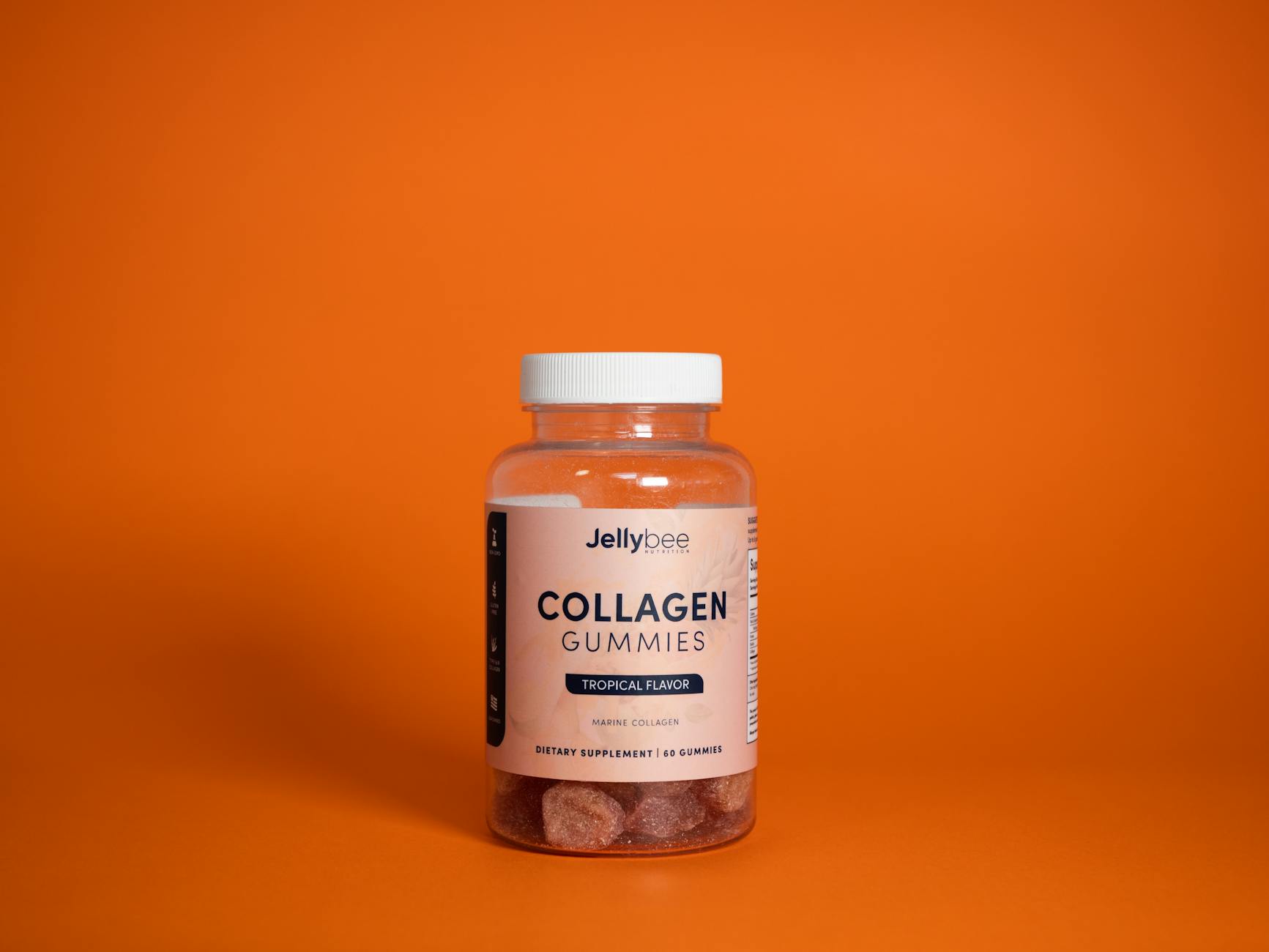
Collagen supplements have gained substantial popularity for skin health, with emerging research supporting their efficacy for improving skin elasticity, hydration, and potentially reducing fine lines. Hydrolyzed collagen peptides, broken down into smaller molecules for better absorption, appear in the bloodstream within hours of consumption and accumulate in skin tissue. A 2019 review of 11 studies involving over 800 participants found that collagen supplementation improved skin elasticity, hydration, and dermal collagen density compared to placebo treatments. For acne-prone skin specifically, collagen may support faster healing of lesions and reduce scarring.
Beyond collagen, several specialty compounds show promise for skin clarity. Astaxanthin, a carotenoid antioxidant derived from microalgae, demonstrates remarkable ability to protect skin from oxidative stress and UV damage. Evening primrose oil provides gamma-linolenic acid, an omega-6 fatty acid with anti-inflammatory properties distinct from the inflammatory omega-6s prevalent in processed foods. N-acetyl cysteine supports glutathione production, the body’s master antioxidant, while also having mucolytic properties that may help thin sebum in some individuals.
How to Prepare
- Assess current dietary intake by tracking food consumption for one to two weeks, identifying potential nutrient gaps that supplements should address rather than duplicating nutrients already abundant in the diet.
- Request blood testing through a healthcare provider for key markers including vitamin D, zinc, vitamin B12, and ferritin, providing objective data about deficiency states that supplementation should target.
- Review all current medications and existing supplements with a pharmacist or healthcare provider to identify potential interactions before adding new products to the routine.
- Research supplement brands thoroughly, prioritizing those with third-party testing certifications such as USP, NSF, or ConsumerLab, which verify that products contain what labels claim without harmful contaminants.
- Start with one new supplement at a time, introducing additional supplements only after two to four weeks, allowing clear observation of how each affects skin and overall health individually.
How to Apply This
- Take fat-soluble supplements including vitamins A, D, E, and omega-3s with meals containing dietary fat to dramatically improve absorption, as these nutrients require fat for transport across intestinal membranes.
- Separate zinc supplementation from meals high in phytates (found in whole grains and legumes) by at least two hours, as phytates bind zinc and reduce its bioavailability.
- Divide probiotic supplementation strategically, taking them either first thing in the morning on an empty stomach or immediately before bed, when stomach acid levels are lowest and bacterial survival through the digestive tract is highest.
- Maintain consistent timing for supplement intake, using pill organizers or phone reminders to build habits, as sporadic supplementation prevents reaching and maintaining therapeutic tissue levels.
Expert Tips
- Give supplements at least eight to twelve weeks before evaluating efficacy, as skin cell turnover cycles require time for internal changes to manifest externally.
- Keep a skin journal documenting supplement intake alongside photos and notes about breakouts, allowing identification of patterns and determination of which supplements produce noticeable improvements.
- Consider cycling supplements periodically, taking breaks of one to two weeks every few months, to prevent the body from down-regulating absorption mechanisms and to avoid accumulation of minerals like zinc.
- Address foundational factors including sleep quality, stress management, and hydration alongside supplementation, as these fundamentals influence how effectively the body utilizes supplemental nutrients.
- Store supplements properly according to label instructions, keeping most in cool, dry locations away from bathroom humidity, while refrigerating probiotics and fish oils to maintain potency.
Conclusion
The pursuit of clear skin through supplementation represents a sophisticated approach that addresses skin health from its foundation. The nutrients discussed throughout this article, from zinc and omega-3 fatty acids to probiotics and collagen peptides, each contribute distinct mechanisms that support skin clarity, whether by reducing inflammation, regulating sebum production, strengthening the skin barrier, or promoting healthy cellular turnover. The scientific evidence supporting targeted supplementation continues to grow, offering validated options for those who have found topical treatments alone insufficient.
Moving forward, the most effective strategy combines informed supplement selection with attention to dosing, timing, and potential interactions. Working with healthcare providers to identify personal deficiencies through testing, selecting quality products from reputable manufacturers, and maintaining patience during the weeks required for internal changes to reflect externally will yield the best outcomes. Clear skin achieved through nutritional optimization tends to be more stable and resilient than clarity dependent solely on topical interventions, representing an investment in both immediate appearance and long-term skin health.
Frequently Asked Questions
How long does it typically take to see results?
Results vary depending on individual circumstances, but most people begin to see meaningful progress within 4-8 weeks of consistent effort. Patience and persistence are key factors in achieving lasting outcomes.
Is this approach suitable for beginners?
Yes, this approach works well for beginners when implemented gradually. Starting with the fundamentals and building up over time leads to better long-term results than trying to do everything at once.
What are the most common mistakes to avoid?
The most common mistakes include rushing the process, skipping foundational steps, and failing to track progress. Taking a methodical approach and learning from both successes and setbacks leads to better outcomes.
How can I measure my progress effectively?
Set specific, measurable goals at the outset and track relevant metrics regularly. Keep a journal or log to document your journey, and periodically review your progress against your initial objectives.
When should I seek professional help?
Consider consulting a professional if you encounter persistent challenges, need specialized expertise, or want to accelerate your progress. Professional guidance can provide valuable insights and help you avoid costly mistakes.
What resources do you recommend for further learning?
Look for reputable sources in the field, including industry publications, expert blogs, and educational courses. Joining communities of practitioners can also provide valuable peer support and knowledge sharing.