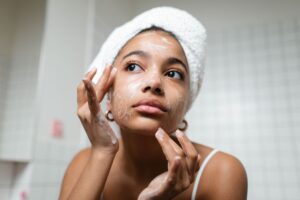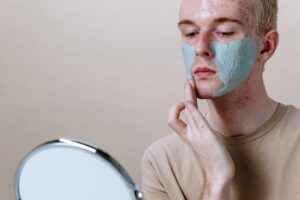
Adult onset acne after age twenty five affects millions of people who assumed their breakout days ended with adolescence. Unlike teenage acne, which typically resolves as hormonal fluctuations stabilize, adult acne often appears suddenly in individuals who may have had clear skin throughout their youth. This condition presents unique challenges because adult skin differs fundamentally from teenage skin in terms of oil production, cell turnover rate, and sensitivity to treatments. The experience of developing acne as an adult carries both physical and psychological weight. Many adults find themselves caught off guard, lacking the knowledge and products suited to mature skin that simultaneously breaks out and shows signs of aging.
The triggers for adult acne extend far beyond the simple explanation of “oily skin” that characterized teenage breakouts. Hormonal shifts, chronic stress, dietary factors, environmental exposures, and even certain medications can initiate or worsen adult acne. Women face particularly high rates of adult onset acne, with studies indicating that up to 22 percent of adult women experience clinical acne compared to only 3 percent of adult men. This article examines the root causes of adult onset acne, explores the biological mechanisms that make skin after twenty five vulnerable to breakouts, and provides practical guidance for identifying personal triggers. Readers will gain understanding of hormonal influences, lifestyle factors, and skincare mistakes that contribute to adult acne. The goal is to provide comprehensive information that enables informed decisions about treatment approaches, whether through lifestyle modification, over-the-counter products, or professional dermatological care.
Table of Contents
- Why Does Acne Suddenly Appear in Adults Over Twenty Five?
- Hormonal Causes of Adult Acne in Women and Men
- The Role of Stress and Cortisol in Adult Breakouts
- Dietary Factors That Trigger Acne After Age Twenty Five
- Skincare Mistakes That Cause Adult Acne to Persist
- Environmental and Lifestyle Factors Affecting Adult Skin
- How to Prepare
- How to Apply This
- Expert Tips
- Conclusion
- Frequently Asked Questions
Why Does Acne Suddenly Appear in Adults Over Twenty Five?
The sudden appearance of acne in adults over twenty five often catches people by surprise, but the mechanisms behind adult breakouts differ from teenage acne in important ways. While teenage acne primarily results from the surge of androgens during puberty that stimulate sebaceous glands, adult acne frequently stems from hormonal imbalances, chronic inflammation, and accumulated skin damage that manifests later in life. The sebaceous glands in adult skin remain responsive to hormonal signals, and fluctuations in estrogen, progesterone, testosterone, and cortisol can trigger overproduction of sebum even decades after puberty ends.
Adult skin also experiences slower cell turnover compared to younger skin. While teenage skin sheds dead cells approximately every two weeks, adult skin may take up to four weeks or longer to complete this cycle. This slower turnover means that dead skin cells accumulate more readily on the surface, mixing with sebum and creating the plugged follicles that become comedones. When bacteria colonize these plugged follicles, inflammation results, producing the papules, pustules, and cystic lesions characteristic of acne.
- **Hormonal sensitivity increases**: Adult skin may become more reactive to hormonal fluctuations due to receptor changes in sebaceous glands
- **Impaired barrier function**: Years of sun exposure, harsh products, and environmental damage compromise the skin barrier, making it more vulnerable to acne-causing bacteria
- **Chronic low-grade inflammation**: Stress, diet, and lifestyle factors promote systemic inflammation that manifests in the skin
- **Medication side effects**: Many medications prescribed to adults, including corticosteroids, lithium, and certain hormonal treatments, can induce acne

Hormonal Causes of Adult Acne in Women and Men
Hormonal fluctuations represent the primary driver of adult onset acne, particularly in women. The complex interplay between androgens, estrogens, and progesterone directly influences sebum production and skin cell behavior. Women experience cyclical hormonal changes throughout their menstrual cycle, with acne flares commonly occurring during the luteal phase when progesterone rises. Many women report that their adult acne follows predictable patterns aligned with their menstrual cycle, appearing along the jawline, chin, and lower face in the days before menstruation begins. Polycystic ovary syndrome (PCOS) represents one of the most common hormonal disorders affecting women of reproductive age and frequently causes persistent adult acne. PCOS involves elevated androgen levels that stimulate sebaceous glands and promote acne formation.
Women with PCOS often experience acne alongside other symptoms including irregular periods, hair growth on the face and body, and difficulty maintaining a healthy weight. Diagnosis and treatment of underlying PCOS can significantly improve adult acne outcomes. Men also experience hormonal acne, though through different mechanisms. Testosterone levels in men remain relatively stable after adolescence, but conversion of testosterone to dihydrotestosterone (DHT) by the enzyme 5-alpha reductase can drive sebum overproduction. Some men experience late-onset hormonal acne related to anabolic steroid use, testosterone replacement therapy, or natural fluctuations in hormone levels. Stress-related cortisol elevation affects both sexes equally, triggering sebaceous gland activity and promoting inflammation.
- **Menstrual cycle fluctuations**: Progesterone surges during the second half of the cycle increase sebum production
- **Perimenopause and menopause**: Declining estrogen levels allow androgens to have greater influence on skin
- **Pregnancy and postpartum**: Dramatic hormonal shifts can trigger or resolve acne unpredictably
- **Thyroid dysfunction**: Both hypothyroidism and hyperthyroidism affect skin health and acne development
The Role of Stress and Cortisol in Adult Breakouts
Chronic stress directly contributes to adult onset acne through multiple pathways, with cortisol playing a central role. When the body experiences stress, whether physical or psychological, the adrenal glands release cortisol as part of the fight-or-flight response. While acute stress responses evolved to help humans survive immediate threats, modern chronic stressors keep cortisol levels elevated for extended periods. This sustained cortisol elevation triggers sebaceous glands to produce more oil, impairs wound healing, and promotes inflammation throughout the body, including in the skin. The stress-acne connection creates a frustrating cycle for many adults.
Visible acne causes emotional distress, which elevates cortisol levels, which worsens acne, which increases stress. Breaking this cycle requires addressing both the skin condition and the underlying stress. Research published in dermatology journals has demonstrated that medical students experience significant acne flares during examination periods, and adults in high-stress occupations show higher rates of persistent acne compared to those in lower-stress work environments. Beyond cortisol, stress affects skin through behavioral pathways. Stressed individuals often sleep poorly, make less healthy food choices, neglect skincare routines, and engage in behaviors like face touching or picking that worsen acne. Stress also impairs immune function, potentially allowing acne-causing bacteria to proliferate more readily in follicles.
- **Cortisol increases sebum production**: Elevated cortisol directly stimulates sebaceous gland activity
- **Stress impairs skin healing**: Wounds and acne lesions take longer to resolve when cortisol remains elevated
- **Sleep deprivation compounds the problem**: Poor sleep raises cortisol and prevents skin repair processes that occur during rest

Dietary Factors That Trigger Acne After Age Twenty Five
The relationship between diet and adult acne has gained increasing scientific support in recent years, overturning decades of dermatological orthodoxy that dismissed food as irrelevant to skin health. High glycemic index foods, dairy products, and certain dietary patterns can trigger or worsen adult onset acne through mechanisms involving insulin, insulin-like growth factor 1 (IGF-1), and systemic inflammation. Understanding these dietary connections provides adults with practical tools for managing breakouts through nutrition modification. High glycemic foods cause rapid blood sugar spikes that trigger insulin release. Elevated insulin increases IGF-1, which stimulates sebaceous glands and promotes skin cell proliferation.
Studies comparing traditional diets with low glycemic loads to Western diets rich in refined carbohydrates have found significantly lower acne rates in populations consuming fewer processed foods. Specifically, white bread, sugary cereals, white rice, and sweet beverages have been associated with increased acne severity. Dairy consumption, particularly skim milk, correlates with acne in multiple large-scale studies. The mechanism likely involves hormones naturally present in cow’s milk, including androgens and growth factors, that survive pasteurization and influence human skin. Whey protein supplements, popular among fitness-focused adults, concentrate these dairy hormones and have been implicated in acne flares. Some individuals also react to specific food sensitivities that may not rise to the level of true allergies but still provoke inflammatory responses in the skin.
- **High glycemic index foods**: White bread, sugary drinks, processed snacks spike insulin and worsen acne
- **Dairy products**: Milk, cheese, and whey protein contain hormones that affect sebaceous glands
- **Omega-6 fatty acid excess**: Western diets high in vegetable oils promote inflammation
- **Insufficient omega-3 intake**: Lack of anti-inflammatory fatty acids from fish and other sources may contribute to acne
Skincare Mistakes That Cause Adult Acne to Persist
Many adults inadvertently worsen their acne through well-intentioned but misguided skincare practices. The skincare mistakes that cause adult acne to persist often stem from applying teenage acne strategies to mature skin or overcorrecting with harsh treatments that damage the skin barrier. Adult skin requires a different approach than teenage skin, balancing acne treatment with anti-aging concerns and respecting the skin’s more delicate barrier function. Over-cleansing and over-exfoliation represent the most common errors. Adults who remember battling oily skin as teenagers often continue using harsh, stripping cleansers that remove all oil from the skin surface. This aggressive cleansing paradoxically triggers rebound oil production as sebaceous glands attempt to compensate for the depletion.
Similarly, excessive physical or chemical exfoliation damages the stratum corneum, the skin’s protective outer layer, allowing bacteria to penetrate more easily and moisture to escape. The resulting compromised barrier cannot defend against acne-causing organisms effectively. Using products that are too heavy or comedogenic poses the opposite problem. Adults concerned about aging may apply rich creams, heavy oils, or layered serums that clog pores and feed acne bacteria. Certain ingredients, including coconut oil, cocoa butter, and isopropyl myristate, have high comedogenic ratings and should be avoided by acne-prone adults. Even products marketed as “anti-acne” may contain fragrances, dyes, or other irritants that inflame sensitive adult skin.
- **Over-cleansing**: Stripping natural oils triggers rebound sebum production
- **Harsh scrubs and exfoliants**: Physical abrasion damages the skin barrier and spreads bacteria
- **Comedogenic moisturizers**: Heavy creams and certain oils clog pores despite marketing claims
- **Inconsistent routine**: Skipping treatment or frequently switching products prevents therapeutic benefits
Environmental and Lifestyle Factors Affecting Adult Skin
Environmental exposures and daily habits influence adult acne development in ways that often escape notice. Air pollution, particularly in urban environments, deposits particulate matter on the skin that can penetrate pores and trigger inflammatory responses. Studies in cities with high pollution levels have documented increased acne rates compared to rural areas with cleaner air. Fine particulate matter measuring 2.5 micrometers or smaller proves especially problematic, as these tiny particles penetrate deeply into follicles. Occupational exposures also contribute to adult acne. Adults who work around oils, greases, chlorinated compounds, or coal tar derivatives may develop occupational acne even without prior acne history.
Healthcare workers who wear masks for extended periods have experienced increased rates of “maskne,” acne localized to areas covered by protective equipment. The combination of friction, trapped humidity, and bacterial proliferation under masks creates ideal conditions for breakouts. Lifestyle habits including smoking, alcohol consumption, and exercise patterns affect skin health and acne. Smoking constricts blood vessels, depriving skin of oxygen and nutrients while accelerating aging. Alcohol dehydrates the body and disrupts hormone balance. Exercise generally benefits skin by reducing stress and improving circulation, but sweat left on the skin provides a growth medium for bacteria if not promptly cleansed.
How to Prepare
- **Document your breakout patterns**: Keep a detailed journal for at least one menstrual cycle (or thirty days for men) noting when breakouts occur, their location on your face, and any correlation with menstruation, stress, food intake, or product use. This documentation reveals personal triggers that generic advice cannot identify.
- **Assess your current products**: Gather every product that touches your face, including cleansers, moisturizers, sunscreens, makeup, and hair products. Check ingredient lists for known comedogenic ingredients like coconut oil, isopropyl myristate, and lauric acid. Online comedogenic databases can help evaluate unfamiliar ingredients.
- **Evaluate your diet for one week**: Without making changes, simply record everything you eat and drink for seven days. Note consumption of dairy products, high glycemic foods, and processed items. This baseline helps identify dietary patterns that may correlate with breakouts.
- **Schedule a medical evaluation**: Before beginning treatment, consult with a dermatologist or primary care physician to rule out underlying conditions like PCOS, thyroid disorders, or medication-induced acne. Blood tests measuring hormone levels, blood sugar, and inflammatory markers provide valuable diagnostic information.
- **Photograph your skin**: Take clear photos of your face in consistent lighting before starting any new treatment. These baseline images allow objective assessment of improvement that daily mirror checks cannot provide. Acne improvement often occurs gradually, making progress difficult to perceive without photographic evidence.
How to Apply This
- **Implement one change at a time**: When modifying your skincare routine or diet, change only one variable every two weeks. This methodical approach allows you to identify which specific change produces results. Starting multiple new products or dietary restrictions simultaneously makes it impossible to determine what actually helps.
- **Apply treatment products to dry skin**: After cleansing, wait until skin is completely dry before applying active ingredients like retinoids or benzoyl peroxide. Wet skin increases penetration and can cause excessive irritation. Apply a pea-sized amount to the entire affected area, not just individual pimples, to prevent new breakouts from forming.
- **Build tolerance gradually with active ingredients**: Start using retinoids or acids every third night for two weeks, then every other night for two weeks, then nightly if tolerated. This gradual introduction minimizes irritation, peeling, and the temporary worsening that can occur when starting potent treatments.
- **Practice consistent timing for hormonal evaluation**: If tracking menstrual cycle correlations, note your cycle day alongside skin observations. Most hormonally-driven acne appears between days twenty and twenty eight of the cycle. Sharing this information with healthcare providers helps determine whether hormonal treatment approaches may be appropriate.
Expert Tips
- **Spot treat with contact therapy**: Instead of leaving benzoyl peroxide on overnight, apply a thin layer for ten minutes, then rinse off. This short-contact approach kills bacteria effectively while minimizing drying and irritation, making benzoyl peroxide suitable for sensitive adult skin.
- **Consider your pillowcase material and cleanliness**: Silk or satin pillowcases create less friction against skin than cotton and absorb less oil and bacteria. Regardless of material, change pillowcases at least twice weekly to prevent reintroduction of bacteria and oil to freshly cleansed skin.
- **Address the “acne plus aging” paradox strategically**: Adult skin often needs both anti-acne and anti-aging ingredients. Layer a retinoid at night for both concerns, use niacinamide during the day for pore minimization and brightening, and always apply broad-spectrum sunscreen, as many acne treatments increase photosensitivity.
- **Recognize that location reveals causation**: Acne concentrated on the jawline, chin, and lower cheeks typically indicates hormonal origins. Breakouts on the forehead often relate to hair products or friction from hats. Acne around the mouth may connect to toothpaste ingredients or food sensitivities. Use location patterns to guide investigation of causes.
- **Understand that improvement takes twelve weeks minimum**: Adult acne treatments require at least three months of consistent use before final judgment. The skin cycle takes approximately four weeks, meaning it takes several cycles for treatment effects to become visible. Abandoning treatment before this timeframe prevents accurate assessment of efficacy.
Conclusion
Adult onset acne after age twenty five results from a complex interplay of hormonal fluctuations, lifestyle factors, dietary influences, and skincare practices that differs substantially from teenage acne. Understanding that adult skin faces unique challenges, including slower cell turnover, accumulated environmental damage, and increased sensitivity, allows for more targeted and effective treatment approaches. The hormonal component, particularly in women, often requires medical evaluation and may benefit from prescription treatments that address root causes rather than just symptoms.
The path to clearer adult skin requires patience, systematic evaluation of personal triggers, and consistent application of appropriate treatments. Rather than viewing adult acne as a failure or embarrassment, recognizing it as a common condition affecting millions of adults enables a more productive, solution-focused mindset. Whether through dietary modification, stress management, improved skincare practices, or medical intervention, most adult acne responds well to treatment when the underlying causes are correctly identified and addressed. The key lies in approaching the condition methodically, making one change at a time, and allowing sufficient time for treatments to demonstrate their effects.
Frequently Asked Questions
How long does it typically take to see results?
Results vary depending on individual circumstances, but most people begin to see meaningful progress within 4-8 weeks of consistent effort. Patience and persistence are key factors in achieving lasting outcomes.
Is this approach suitable for beginners?
Yes, this approach works well for beginners when implemented gradually. Starting with the fundamentals and building up over time leads to better long-term results than trying to do everything at once.
What are the most common mistakes to avoid?
The most common mistakes include rushing the process, skipping foundational steps, and failing to track progress. Taking a methodical approach and learning from both successes and setbacks leads to better outcomes.
How can I measure my progress effectively?
Set specific, measurable goals at the outset and track relevant metrics regularly. Keep a journal or log to document your journey, and periodically review your progress against your initial objectives.
When should I seek professional help?
Consider consulting a professional if you encounter persistent challenges, need specialized expertise, or want to accelerate your progress. Professional guidance can provide valuable insights and help you avoid costly mistakes.
What resources do you recommend for further learning?
Look for reputable sources in the field, including industry publications, expert blogs, and educational courses. Joining communities of practitioners can also provide valuable peer support and knowledge sharing.