
How to Identify Acne Triggers
Acne breakouts often point to specific triggers in your body or environment. By tracking patterns in where and when pimples appear, you can pinpoint what causes them and make changes for clearer skin.
Start by keeping a simple daily journal. Note the location of new pimples on your face, what you ate that day, your stress levels, sleep quality, menstrual cycle if applicable, and any skincare or makeup products used. Over two to four weeks, look for patterns. For example, pimples that pop up in the same spot after eating certain foods or during stressful times reveal your personal triggers.
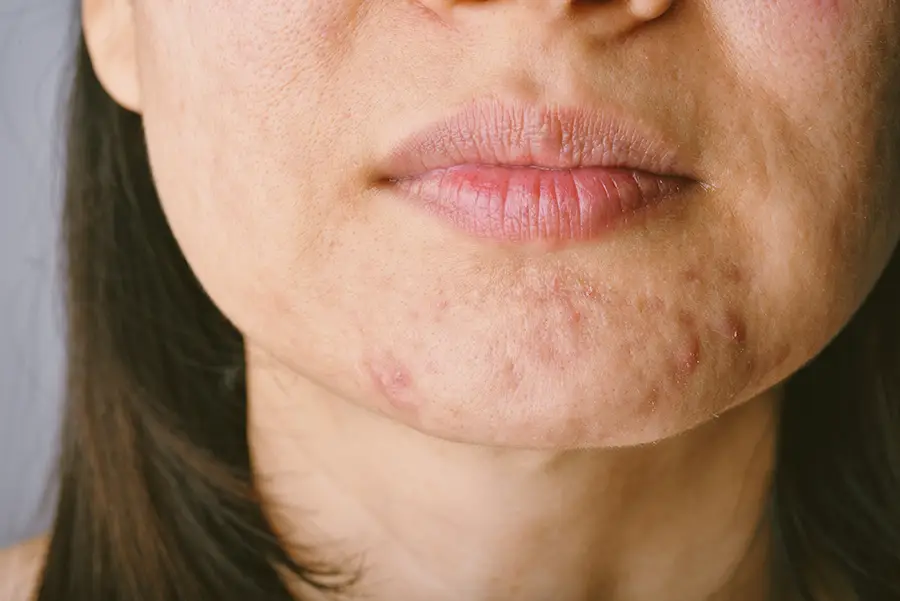
Use face mapping to decode breakout zones. This method links face areas to possible internal or external causes. Forehead pimples often tie to poor digestion, high stress, or foods like refined sugars and dairy that upset your gut. Cheeks may signal issues from dirty pillowcases, pollution, respiratory problems, or dietary habits. The T-zone, including forehead, nose, and chin, can show overactive oil production from diet or environment. Jawline and chin breakouts frequently mean hormonal shifts, like those during menstruation, pregnancy, menopause, or conditions such as PCOS.
Pay attention to hormones as a major trigger. When androgen hormones rise compared to estrogen, your skin makes more oil, clogging pores and sparking inflammation. This leads to deep, painful acne on the lower face, neck, chest, or back. Track cycles or life changes like stress, which boosts cortisol and worsens oil production.
Examine your diet closely. High-sugar foods, white carbs, dairy, and fried or processed items can spike inflammation, disrupt hormones, or increase oil. Test by cutting one group, like dairy, for a week and watch your skin. Note if breakouts improve.
Consider your skin type and products. Oily skin produces excess sebum, mixing with dead cells and bacteria to form pimples, especially in the T-zone. Combination skin gets breakouts where oil is highest. Sensitive skin flares from fragrances, harsh ingredients, weather, or stress. Switch to non-comedogenic products and introduce new ones slowly.
Watch for other lifestyle factors. Stress raises hormones that fuel oil and inflammation. Poor sleep, high-glycemic diets, heavy makeup, over-exfoliation, humidity, sweating, or even waxing can clog pores or cause reactions. Clean phone screens, pillowcases, and brushes weekly.
Once you spot patterns, test fixes one at a time. Reduce suspect foods, manage stress with exercise or sleep, or adjust skincare. If breakouts persist or scar, see a dermatologist for targeted help.
Sources
https://www.tataneu.com/pages/fashion/beauty-skincare/how-to-decode-face-maps-for-acne-and-skin-health
https://www.medicaldaily.com/hormonal-acne-adults-acne-causes-skin-hormones-explained-474128
https://londondermatologyclinics.com/cystic-acne-your-guide-to-causes-and-management/
https://www.tataneu.com/pages/fashion/beauty-skincare/master-face-mapping-decode-acne-causes-with-your-diet
https://worldofasaya.com/blogs/acne/how-to-identify-which-skin-type-causes-pimples
https://www.waxwax.com/blogs/waxing-101/pimples-acne-after-waxing-troubleshooting