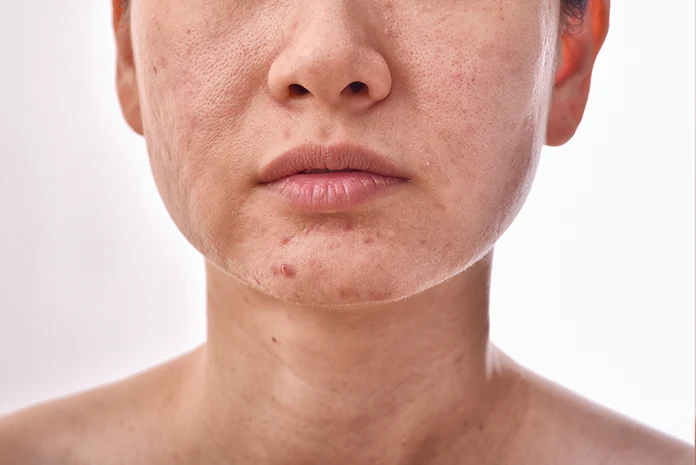
How Acne Treatments Are Becoming More Targeted
The acne treatment landscape is shifting dramatically. Instead of one-size-fits-all solutions, the industry is moving toward personalized approaches that address specific types of acne and individual skin needs.
For years, acne sufferers relied on generic products containing salicylic acid or benzoyl peroxide. These ingredients still work, but modern dermatology recognizes that acne manifests differently from person to person. Someone dealing with hormonal breakouts needs a different approach than someone with cystic acne or sensitive skin prone to inflammation. This realization is driving innovation across the skincare market.
Active ingredients are becoming more sophisticated. Niacinamide, retinoids, and alpha hydroxy acids now appear in formulations designed for specific concerns. Companies are also exploring plant-based alternatives like tea tree oil and willow bark extract, responding to consumer demand for cleaner, more natural options. The focus has shifted from simply killing bacteria to regulating the skin microbiome and improving overall skin texture.
One emerging technology gaining attention is Spongilla, derived from freshwater sponges. This platform creates microscopic spicules that penetrate the skin to deliver active ingredients, unclog pores, and stimulate exfoliation. The technology has been clinically validated through Phase 3 trials for moderate-to-severe acne, and companies are planning to bring over-the-counter products using this approach to market in 2026.
The market is also seeing a rise in hybrid treatments that combine acne-fighting actives with anti-aging benefits or skin-barrier repair properties. This addresses a growing segment of adult acne sufferers who need multi-functional products. Rather than choosing between treating acne and preventing aging, consumers can now find formulations that do both.
Personalization extends beyond ingredients. Advanced serums with targeted actives and microbiome-balancing products are gaining traction as consumers seek solutions tailored to their specific acne conditions. Brands are responding by offering products designed for hormonal breakouts, sensitive skin acne, and persistent cystic acne rather than treating all acne the same way.
Professional treatments are also becoming more refined. Lasers like Fraxel and IPL, radiofrequency microneedling, and chemical peels continue to evolve, offering faster and more noticeable results for acne scars. At-home devices incorporating LED light therapy are bringing some of these professional-grade benefits to consumers, with red and near-infrared light penetrating deeper into the skin to stimulate collagen production and smooth scarring.
Consumer preferences are shaping this evolution. Research shows that 68 percent of consumers prioritize ingredient transparency in acne products, and 62 percent factor sustainability into their purchases. Brands are responding with biodegradable packaging and clean-label formulations that avoid harsh synthetic ingredients.
The shift toward targeted acne treatments reflects a broader understanding that skin health is complex and individual. Rather than relying on broad-spectrum approaches, the industry is investing in science-backed solutions that address the root causes of different acne types and the unique needs of each person’s skin.
Sources
https://www.nasdaq.com/articles/dermata-therapeutics-launch-first-otc-acne-kit-mid-2026
https://www.cosmopolitan.com/style-beauty/beauty/g69703004/best-treatments-for-acne-scars/
https://www.dermatologytimes.com/view/drugs-to-watch-in-2026
https://www.intelmarketresearch.com/acne-improving-skincare-s-market-22970