How Acne Research Is Moving Beyond Surface Skin
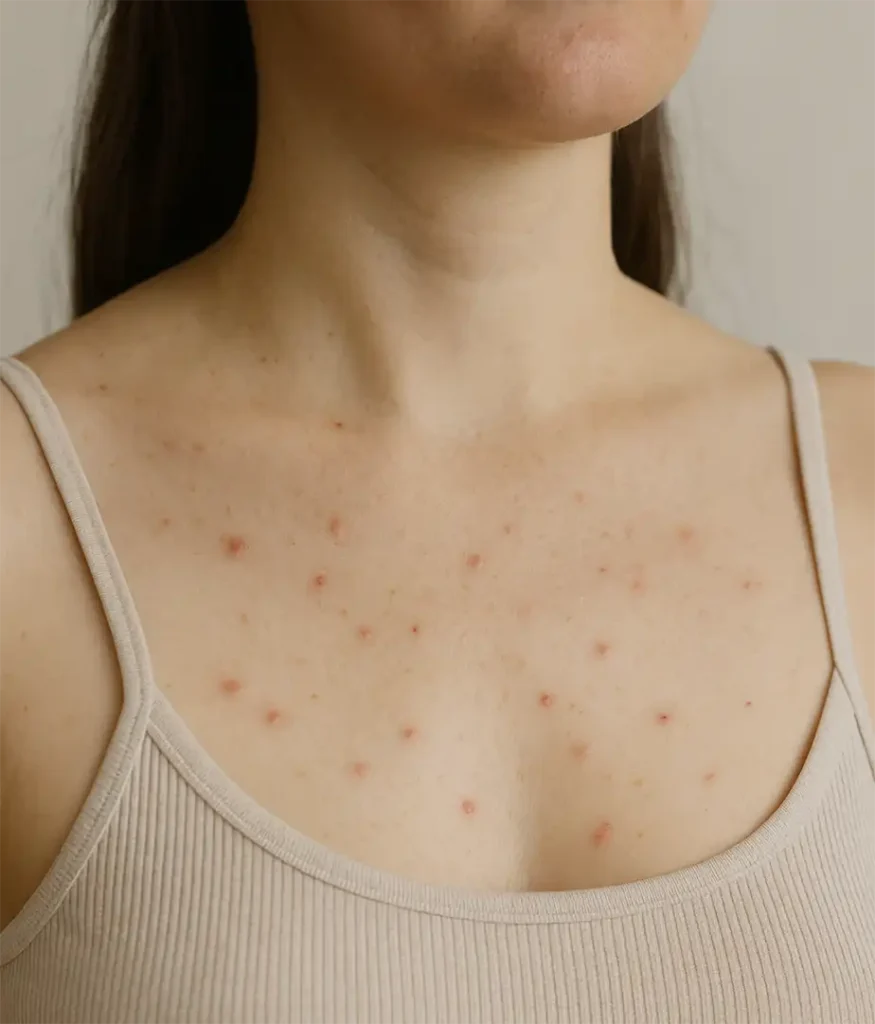
Acne has long been seen as a surface problem, treated with creams and cleansers that target pimples and oil. But new research shows it runs much deeper, linked to hidden inflammation, gut health, hormones, and even the skin’s inner repair systems. Scientists are now digging into these root causes to create better, longer-lasting fixes.
Inflammation sits at the heart of stubborn acne. It does not just cause redness or breakouts; it keeps acne cycling back even after treatments clear the skin. Experts point out that chronic inflammation from inside the body fuels acne that never fully goes away, along with pigmentation and slow healing. This inflammation often starts with blood sugar swings, poor gut balance, missing nutrients, hormone shifts, or constant stress. When the body stays stressed, the skin shows it through flare-ups that resist surface fixes.
Treatments are shifting to calm this deep inflammation first. Instead of harsh scrubs that can make things worse, gentler options pair peels or exfoliation with repair steps. For example, studies on acids like glycolic and salicylic show they help post-acne marks, but only when inflammation is under control to avoid rebounds. The goal is skin that builds resilience, heals fast, and holds results without endless cycles of breakouts.
Researchers are exploring body-wide links too. Hormones play a big role: blood sugar spikes trigger inflammatory acne, while estrogen changes add pigmentation. Gut issues and stress add fuel, so some approaches now include advice on diet and lifestyle alongside topicals. This inside-out method helps skin respond better to therapies.
Breakthrough ingredients target deeper repair. Salmon DNA, known as polynucleotides or PDRN, boosts skin texture, elasticity, and healing. It comes from purified salmon sources and promotes wound repair and anti-aging effects right in the skin layers. Exosomes, tiny packets from cells, are another 2026 game-changer, delivering repair signals to fix damage from within. DNA repair enzymes are gaining attention too, possibly rivaling sunscreen by fixing UV harm at a cellular level.
Microneedling and hyaluronic acid serums fit into this shift. Trials show microneedling improves rejuvenation with high satisfaction and safety. HA serums hydrate deeply, plump skin, smooth fine lines, and strengthen the barrier, all key for acne-prone skin moving past surface care.
The big change is holistic care. Estheticians and doctors now read skin as a signal of body health, using tools like LED therapy or non-invasive resurfacing only after stabilizing inflammation. This builds skin that tolerates treatments and stays clear longer.
Sources
https://drdahabra.com/a-complete-guide-to-non-surgical-skincare/
https://lneonline.com/inflammation-is-the-common-thread/
https://www.whowhatwear.com/beauty/skin/skincare-trends-2026
https://procelltherapies.com/blog/