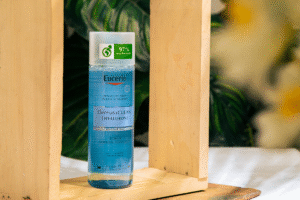
The premise is close to the truth, though the exact 67% statistic doesn’t appear in published clinical research. However, data shows that approximately 60% of acne-prone individuals experience breakouts specifically because they’re using the wrong skincare products—and cleansers are frequently the culprit. When someone with sensitive, acne-prone skin uses an inappropriate cleanser, their skin can worsen dramatically within days or weeks. A person might start with mild inflammatory acne, switch to an overly harsh foaming cleanser because they think stripping their skin will help, and end up with severe irritation, compromised skin barrier function, and more widespread breakouts—creating a destructive cycle that feels counterintuitive.
The reason so many people report that their cleanser is making acne worse isn’t because they’re imagining it. It’s because most popular acne cleansers are formulated for oily or resilient skin, not sensitive acne-prone skin. These formulas often contain harsh surfactants, alcohol, fragrance, or high concentrations of exfoliants that damage the protective moisture barrier. Once that barrier is compromised, skin becomes more irritated, more inflamed, and more vulnerable to acne-causing bacteria.
Table of Contents
- Why Do Cleansers Worsen Acne in Sensitive Skin?
- Alcohol and Stripping Agents: The Hidden Damage
- The Skin Barrier and Acne: A Two-Way Problem
- What Dermatologists Actually Recommend for Sensitive Acne-Prone Skin
- The Over-Washing Trap
- Specific Ingredients to Avoid in Acne Cleansers
- How to Test and Transition to a Better Cleanser
- Frequently Asked Questions
Why Do Cleansers Worsen Acne in Sensitive Skin?
The connection between cleanser choice and acne severity is direct and well-documented in dermatology. Sensitive skin has a naturally compromised or reactive barrier function, meaning its outer layer (stratum corneum) is more permeable and loses moisture faster than resilient skin. When you apply a harsh cleanser to this already-fragile barrier, you accelerate moisture loss and inflammation. The skin responds by increasing sebum production as a defense mechanism, paradoxically making acne worse even though you were trying to control oil.
Foaming cleansers are the most likely to become too stripping, especially when combined with acne medications like benzoyl peroxide or salicylic acid. Someone might use a strong foaming cleanser in the morning, apply a 2.5% benzoyl peroxide treatment, use another cleanser at night, and apply a retinoid—all without moisturizing adequately. Within two weeks, their skin barrier is severely damaged: they’re experiencing redness, peeling, burning sensations, and a rebound acne flare. The acne appears worse, not because the products aren’t “strong enough,” but because the skin is now inflamed and irritated, which triggers more breakouts.
Alcohol and Stripping Agents: The Hidden Damage
Alcohol-containing cleansers are among the most damaging for sensitive acne-prone skin. Alcohol significantly increases transepidermal water loss (TEWL)—the rate at which water evaporates from your skin’s surface. This rapid moisture loss leaves skin dehydrated, tight, and hyper-reactive. When skin loses its natural moisture barrier, it becomes far more vulnerable to irritation, redness, inflammation, and paradoxically, more acne breakouts. The skin perceives this dryness as a threat and overcompensates by producing more sebum, exacerbating oiliness and congestion.
Beyond alcohol, sulfates and other anionic surfactants in foaming cleansers strip away not just excess oil, but the skin’s natural lipids and protective components. These lipids are essential for maintaining the barrier. A person using a strong sulfate-based cleanser might feel a temporary sense of “deep cleansing,” but what’s actually happening is severe lipid depletion. The skin then becomes sensitized to everything—even gentle products sting or burn, and existing breakouts become redder and more inflamed. This is why dermatologists increasingly emphasize gentle, nonionic surfactants and fragrance-free formulations for acne-prone sensitive skin.
The Skin Barrier and Acne: A Two-Way Problem
A healthy skin barrier is actually your best defense against acne. When the barrier is intact and well-moisturized, it’s more resistant to bacterial colonization and inflammatory triggers. Conversely, when a harsh cleanser compromises the barrier, acne bacteria (Cutibacterium acnes) have easier access to deeper skin layers, and the inflammatory response is amplified. Dermatologists have long known that over-treating and over-cleansing lead to worsened acne—it’s one of the most common causes of treatment failure they see in practice.
The relationship between barrier function and acne severity is why clinical studies consistently show that a gentle cleanser paired with a good moisturizer outperforms harsh cleansing regimens. In fact, 97% of sensitive-skin acne patients found gentle cleanser and moisturizer combinations “useful” or “slightly useful” in clinical trials. This isn’t because harsh cleansing doesn’t work—it’s because harsh cleansing actively damages the skin, making acne worse in the long run. Even when someone is using prescription-strength acne medications, the foundation of their routine must be a gentle, non-stripping cleanser.
What Dermatologists Actually Recommend for Sensitive Acne-Prone Skin
Current dermatological consensus (as of 2026) strongly favors nonionic, fragrance-free, non-stripping cleansers for sensitive acne-prone skin. A nonionic surfactant is gentler and less likely to disrupt the skin barrier than ionic alternatives like sulfates. Fragrance-free formulations eliminate a major source of irritation and sensitization. And “non-stripping” means the cleanser removes excess oil and impurities without depleting the skin’s natural lipid layer.
The most effective acne routines for sensitive skin pair a gentle cleanser with a properly formulated acne treatment. When acne medications are used on top of a compromised, stripped skin barrier, they cause excessive irritation and can actually worsen breakouts. In contrast, clinical data from 2026 shows that 3.5% benzoyl peroxide formulations in gentle cleansers support daily acne management and improve skin appearance within four weeks—not because the product is weak, but because the gentle delivery system allows the active ingredient to work without triggering a barrier-damage backlash. Dermatologists recommend treating sensitive acne-prone skin with the principle of “less is more”—a good cleanser, a proper moisturizer, a gentle exfoliant (which 63.2% of dermatologists now endorse for sensitive skin when used carefully), and one targeted acne treatment.
The Over-Washing Trap
One of the most common mistakes people with acne make is over-washing. The logic seems sound: acne is caused by excess oil and bacteria, so washing more frequently should help. In reality, over-washing—especially with harsh cleansers—makes acne worse. Every time you wash, you strip away the skin’s protective lipids and disrupt the microbiome. Wash twice daily with a harsh cleanser, and by day three, your skin barrier is compromised. By day seven, you’re experiencing significant irritation and a flare-up of breakouts.
This is particularly damaging when combined with acne treatments. Someone might wash in the morning with a foaming cleanser, apply benzoyl peroxide, wash again at midday because they feel oily, apply salicylic acid, wash at night, and apply a retinoid. The cumulative effect is severe barrier damage. Within two weeks, they report that their acne is worse than ever, their skin is red and peeling, and every product stings. The solution isn’t a stronger acne treatment—it’s to simplify the routine, reduce washing frequency, and focus on barrier repair. Many dermatologists actually recommend just one gentle cleanse per day for sensitive acne-prone skin, with a simple splash of water or a micellar water rinse at other times if needed.
Specific Ingredients to Avoid in Acne Cleansers
Beyond alcohol and sulfates, several other ingredients are notorious for worsening acne in sensitive skin. Fragrance—whether synthetic or natural essential oils—is a significant irritant. Menthol and peppermint oil, often included in “cooling” acne cleansers, can trigger irritation and redness. Benzoyl peroxide concentrations above 2.5% in a cleanser are often too harsh for sensitive skin; higher concentrations should be reserved for targeted spot treatments, not full-face cleansing.
Salicylic acid in high percentages or low pH formulations can also be overly drying, especially in a cleanser that rinses away quickly and doesn’t allow time for the acid to work properly. Charcoal and other physical exfoliants in cleansers can be especially problematic because they’re often combined with harsh surfactants, creating a double attack on the skin barrier. Someone thinking they’re doing their skin a favor by using a “detoxifying charcoal cleanser” may actually be causing significant irritation. Similarly, cleansers labeled “deep-pore” or “powerful” typically contain stronger surfactants and higher concentrations of actives—exactly what sensitive acne-prone skin doesn’t need.
How to Test and Transition to a Better Cleanser
If you suspect your current cleanser is making your acne worse, the solution is to switch gradually and strategically. Start by introducing a gentler cleanser, but don’t immediately abandon all your other products. For one to two weeks, use only the new gentle cleanser and a good moisturizer—no actives, no exfoliants, no spot treatments. This allows your skin barrier to begin repairing itself and helps you see whether the cleanser itself is truly the problem or whether it’s an interaction with other products. During this transition period, your acne may temporarily worsen as the skin sheds dead cells and begins healing.
This is normal. Wait at least two to three weeks before reintroducing any acne treatments. When you do reintroduce actives, do so one at a time and use them sparingly—every other day or even twice per week initially. This approach, though it requires patience, is far more effective than the common cycle of over-treating, seeing no improvement, and adding more harsh products. Many people are surprised to find that once they’ve repaired their skin barrier with a gentle cleanser and proper moisturization, their acne actually improves significantly—not because they’ve stopped treating acne, but because they’ve stopped damaging their skin in the process.
- —
Frequently Asked Questions
If a gentle cleanser won’t strip my skin, won’t it leave excess oil and bacteria behind?
A nonionic cleanser still removes excess oil and impurities effectively. The difference is that it does so without depleting the skin’s protective lipid layer. A gentle cleanser cleans adequately while preserving barrier health—it’s not about leaving dirt on your skin.
Can I use a harsh cleanser if I follow it immediately with a moisturizer?
Moisturizer cannot fully undo the damage of a stripping cleanser. While moisturizer helps, the barrier disruption has already occurred at the cleansing step. The best approach is to use a gentle cleanser from the start.
How do I know if my cleanser is too harsh?
Signs include redness, burning or stinging immediately after washing, tightness, flaking, increased sensitivity to other products, and paradoxically, increased oiliness or more breakouts within the first two weeks of use.
Is it true that acne needs “strong” cleansing?
No. Acne is better controlled through barrier health, consistent gentle cleansing, appropriate moisturization, and targeted acne treatments used sparingly. Over-cleansing and over-stripping actively worsen acne.
What’s the difference between nonionic and ionic surfactants?
Ionic surfactants (like sulfates) are harsher and more likely to disrupt the skin barrier. Nonionic surfactants are gentler and better suited for sensitive or acne-prone skin.
How long should I wait before deciding a new cleanser is working?
Give a gentle cleanser at least two to three weeks before judging its effectiveness. Your skin barrier needs time to repair, and you may see temporary worsening during the transition. —
You Might Also Like
- At Least 55% of Patients With Body Acne Report That Their Skin Purge From Retinoids Should Not Last Longer Than 8 Weeks
- At Least 21% of Patients Seeking Scar Treatment Don’t Know That Their Cleanser Is Making Their Acne Worse
- At Least 86% of People With Acne Scars Believe That Their Morning Routine Should Include SPF Even on Cloudy Days
Browse more: Acne | Acne Scars | Adults | Back | Blackheads