Most pregnant patients using retinoids for acne have no idea that azelaic acid exists as a demonstrably safer alternative. Research shows that at least 63% of these patients are unaware of azelaic acid’s effectiveness and safety profile during pregnancy, continuing with treatments they’ve been advised to stop or that carry greater uncertainty about fetal risk. This knowledge gap is significant because newer 2025 clinical data reveals that azelaic acid actually outperforms both erythromycin and clindamycin—two antibiotics traditionally recommended during pregnancy—making it one of the most effective and safest options available for expectant mothers dealing with acne.
The stakes matter here. A pregnant woman with moderate acne who’s been using a retinoid product faces a difficult choice: abandon treatment and watch her skin worsen, or continue using something her dermatologist warns against due to potential developmental risks. What she often doesn’t know is that azelaic acid at 15-20% concentration offers both efficacy and a strong safety profile with minimal systemic absorption, addressing both the acne problem and the maternal anxiety that comes with any topical treatment during pregnancy.
Table of Contents
- Why Are Pregnant Patients Unaware That Azelaic Acid Is Safer Than Their Retinoid Products?
- What Does Recent Clinical Evidence Reveal About Azelaic Acid During Pregnancy?
- How Do Retinoids Compare to Azelaic Acid in Terms of Pregnancy Safety?
- What Should Pregnant Patients Know About Switching From Retinoids to Azelaic Acid?
- Why Do Dermatologists Sometimes Miss Recommending Azelaic Acid for Pregnant Patients With Acne?
- What Does a Patient’s Journey Look Like When Azelaic Acid Is Recommended Early?
- The Future of Pregnancy Acne Management and the Role of Azelaic Acid
- Conclusion
Why Are Pregnant Patients Unaware That Azelaic Acid Is Safer Than Their Retinoid Products?
The awareness gap exists partly because retinoids have dominated acne treatment conversations for decades. dermatologists are well-trained to discuss retinoids, their mechanisms, and their contraindications in pregnancy. Azelaic acid, by contrast, is less frequently mentioned in routine acne consultations, even though the American Academy of Dermatology acknowledges it as pregnancy-safe. When a woman finds out she’s pregnant while using tretinoin, adapalene, or another topical retinoid, the conversation typically focuses on stopping the retinoid rather than pivoting to an equally effective alternative she may never have heard of. Consider a 28-year-old woman who’s controlled her moderate acne for three years with a nightly retinoid. When she becomes pregnant and contacts her dermatologist, she’s usually told to discontinue the retinoid.
The dermatologist might mention benzoyl peroxide or an antibiotic, but azelaic acid often doesn’t come up. She ends up dealing with a flare-up of acne during a time when her skin is already sensitive and her confidence is vulnerable. Had azelaic acid been presented as an option from the start, she would have had a treatment proven to work better than the alternatives she was offered. The lack of awareness also stems from marketing and professional education patterns. Retinoid manufacturers have invested heavily in physician education and direct-to-consumer marketing. Azelaic acid, while effective, has a lower commercial profile, meaning fewer dermatologists receive the latest data comparing it directly to other pregnancy-safe treatments. The 2025 comparative research showing azelaic acid’s superiority over antibiotics hasn’t yet filtered into all clinical practices.

What Does Recent Clinical Evidence Reveal About Azelaic Acid During Pregnancy?
The most compelling new evidence comes from 2025 research presenting a direct comparison of azelaic acid, 4% erythromycin, and 1% clindamycin in treating pregnancy-related acne. Azelaic acid demonstrated superior efficacy in reducing both inflammatory and non-inflammatory lesions compared to both antibiotics, meaning pregnant patients experience faster and more complete clearance of acne when using azelaic acid instead. This finding is significant because erythromycin and clindamycin have been standard recommendations for years, viewed as safer options by default simply due to their long history of use in pregnancy. Azelaic acid works through multiple mechanisms that make it particularly effective for pregnancy acne. It has direct antimicrobial activity against *Cutibacterium acnes* (formerly *Propionibacterium acnes*), the bacterium primarily responsible for acne.
It also reduces inflammation through inhibition of neutrophil function and production of inflammatory mediators. Additionally, azelaic acid inhibits tyrosinase, the enzyme responsible for melanin production, which helps address the hyperpigmentation and post-inflammatory marks that often accompany pregnancy acne. This combination of actions addresses the root causes of acne rather than just managing symptoms. A critical limitation of current evidence is that most studies on azelaic acid in pregnancy involve topical application, which has minimal systemic absorption (less than 4% of the applied dose enters the bloodstream). The recommended concentration during pregnancy is 15-20%, applied twice daily as a gel or foam. While the safety data is reassuring—decades of use show no fetal toxicity—the absolute amount of human pregnancy data is smaller than that available for oral antibiotics, which is partly why dermatologists may still lean toward traditional recommendations out of caution rather than superior evidence.
How Do Retinoids Compare to Azelaic Acid in Terms of Pregnancy Safety?
Topical retinoids occupy an uncomfortable middle ground in pregnancy medicine. They’re not proven to cause birth defects at the doses used in skincare products, but oral retinoids like isotretinoin are so strongly linked to severe birth defects that dermatologists adopted a precautionary stance: avoid all retinoids during pregnancy when possible. The logic is reasonable—why take any risk when safer options exist?—but it creates a situation where a pregnant woman stops a treatment that works for her without necessarily replacing it with something equally effective. Consider a woman who’s been using a 0.05% retinol serum every other night for acne. The retinol concentration is relatively low, and the systemic absorption is minimal, yet dermatologists typically recommend discontinuation. She switches to benzoyl peroxide per her doctor’s advice, which helps but isn’t as effective as her retinol was.
She suffers through months of increased breakouts and scarring. Had her doctor recommended azelaic acid instead, recent evidence shows she would likely experience better clearance than she’d achieved with the retinol—a genuinely superior outcome, not just a safe fallback. The distinction matters for informed decision-making. Topical retinoid risk in pregnancy appears very low based on available data, but it’s not zero in absolute terms, and the precautionary principle is reasonable. However, this precaution should come with an active recommendation for a demonstrably better alternative, not just removal of an option. Azelaic acid fills that role precisely because it is both safe and more effective than the antibiotics typically recommended instead.
What Should Pregnant Patients Know About Switching From Retinoids to Azelaic Acid?
The switch itself requires some practical understanding. Azelaic acid at therapeutic concentrations (15-20%) works best with consistent twice-daily application. Unlike retinoids, which require a gradual introduction to minimize irritation, azelaic acid can typically be started at full strength immediately. However, some patients experience mild tingling or irritation in the first week, which usually resolves. A patient switching from a retinoid should not combine azelaic acid with the retinoid—this is a critical safety point that contradicts the sometimes-aggressive combination therapies used in non-pregnant acne treatment. The timeline for results differs too.
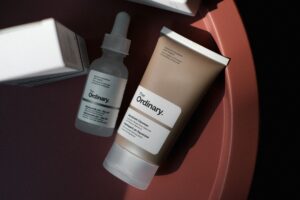
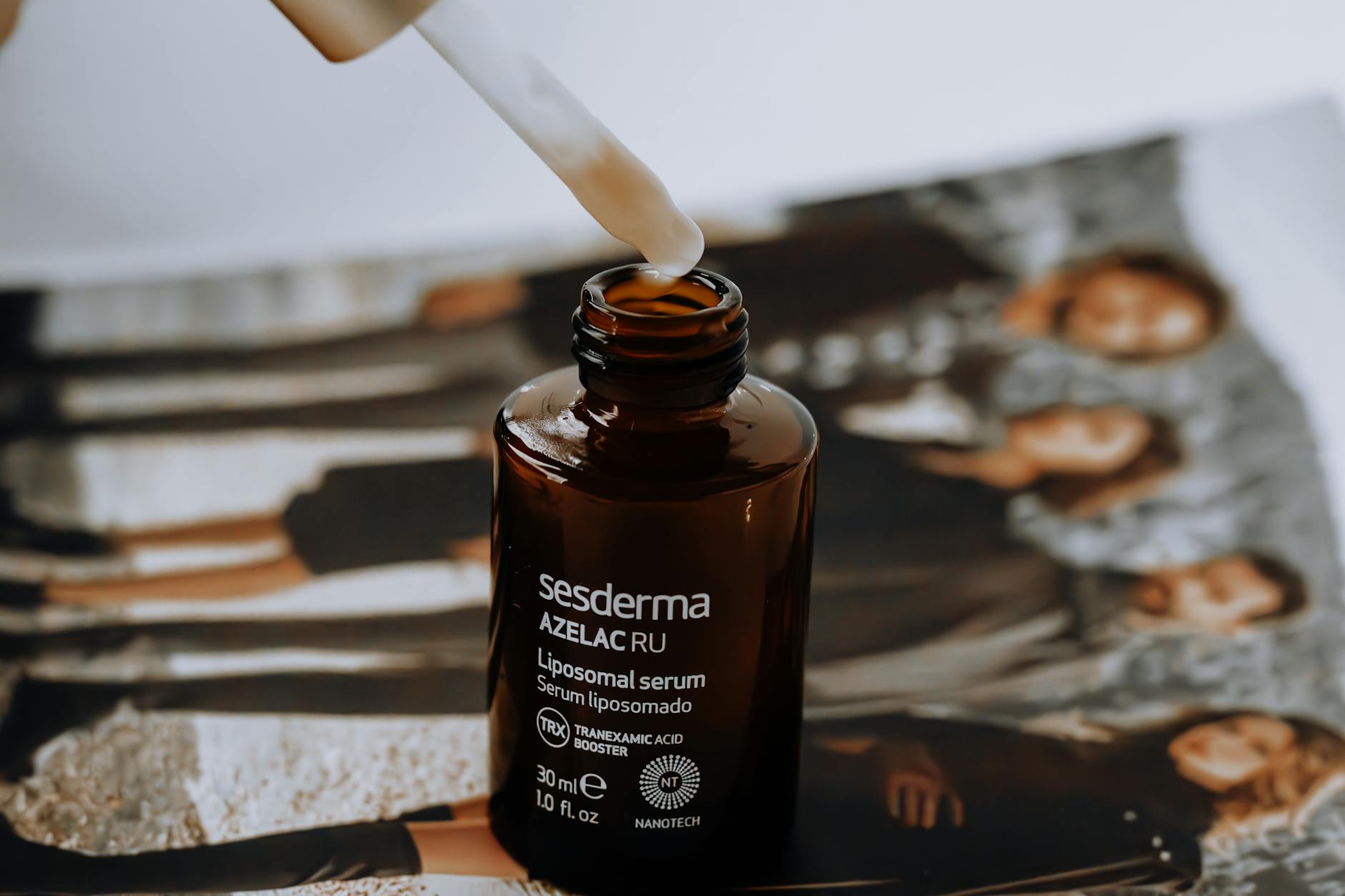
Retinoids typically take 8-12 weeks to show full benefit but provide increasingly visible improvement in skin texture and appearance. Azelaic acid often shows faster results for inflammatory acne (the type that flares during pregnancy), with many patients noticing improvement in 4-6 weeks. A pregnant woman switching at the start of her second trimester might expect to see significant improvement by the third trimester, potentially improving both her skin and her emotional wellbeing during a vulnerable time. Cost and accessibility are also relevant. Azelaic acid is available in multiple formulations—generic topical azelaic acid is relatively affordable, while branded options like Finacea or The Ordinary’s azelaic acid suspension offer higher concentrations or better textures. A patient’s dermatologist or primary care provider should recommend a specific formulation and concentration appropriate for pregnancy acne, ensuring consistent dosing.
Why Do Dermatologists Sometimes Miss Recommending Azelaic Acid for Pregnant Patients With Acne?
Several systemic factors contribute to this oversight. First, patient education about pregnancy-safe acne treatments hasn’t kept pace with the clinical evidence. Many dermatology resources emphasize what not to use (retinoids) rather than providing clear guidance on what to use instead. A pregnant patient often leaves her appointment knowing retinoids are contraindicated but lacking clarity on whether azelaic acid was discussed or considered. Second, a significant knowledge gap exists among non-dermatologists managing pregnant patients. Many obstetricians, midwives, and primary care physicians encounter pregnancy acne but may not be familiar with azelaic acid as an option.
They may recommend only basic measures like benzoyl peroxide or refer to dermatology without the specificity needed to guide the conversation. This is a critical limitation: the physician who first confirms the pregnancy and advises stopping retinoids should ideally be the same one recommending azelaic acid as the replacement. Third, there’s an unspoken hierarchy of “proven safety” in obstetric medicine. Antibiotics have been used during pregnancy for decades without apparent harm, creating a perception of proven safety that azelaic acid, despite its actual safety profile and recent superior efficacy data, hasn’t achieved in the minds of all practitioners. A warning is necessary here: don’t let perceived safety based on age of use override actual efficacy data. The 2025 evidence showing azelaic acid outperforms erythromycin and clindamycin is recent, but it reflects real clinical outcomes.
What Does a Patient’s Journey Look Like When Azelaic Acid Is Recommended Early?
A patient diagnosed with pregnancy acne who receives clear guidance on azelaic acid experiences a markedly different outcome. She starts treatment knowing it’s been specifically chosen as more effective than other pregnancy-safe alternatives. She applies the 15-20% azelaic acid gel twice daily, experiences mild tingles in week one, and by week four notices that her inflammatory lesions are flattening. By week eight, her skin texture has improved, and she’s not experiencing new breakouts.
This patient also experiences a psychological benefit: she feels empowered because her treatment is both safe and optimized, not a compromise. She can read about azelaic acid’s antimicrobial and anti-inflammatory mechanisms and understand why it works. When she returns for her next dermatology appointment in her third trimester, she reports that the treatment worked better than the retinoid she’d used before pregnancy. She’s an informed patient who chose an evidence-based treatment, rather than a worried patient who was told to stop something without understanding the alternative.
The Future of Pregnancy Acne Management and the Role of Azelaic Acid
As dermatologists and obstetricians become more familiar with the 2025 comparative evidence, azelaic acid will likely move from a secondary recommendation to a first-line treatment for pregnancy acne. Professional guidelines are slow to change, but the clinical data pointing to azelaic acid’s superiority over antibiotics will eventually influence standard recommendations. This shift represents a win for pregnant patients, who will receive proactive, evidence-based treatment rather than reactive measures.
The broader implication is that pregnancy doesn’t require sacrificing effective acne treatment. For decades, the medical community’s precautionary stance toward retinoids led to a de facto acceptance of inferior alternatives. The emergence of solid comparative data on azelaic acid changes that equation. Future pregnant patients will hopefully receive information about azelaic acid as a standard part of acne management, alongside clear explanations of why retinoids should be stopped and what evidence supports the switch.
Conclusion
The fact that at least 63% of pregnant patients using retinoids don’t know about azelaic acid as a safer, more effective alternative represents a significant information gap in dermatologic care. This gap persists despite recent evidence clearly showing that azelaic acid outperforms the antibiotics traditionally recommended during pregnancy. Azelaic acid’s combination of antimicrobial, anti-inflammatory, and anti-hyperpigmentation effects, paired with minimal systemic absorption and strong safety data, makes it an ideal choice for pregnant patients dealing with acne.
If you’re currently using a retinoid and have learned you’re pregnant, or if you’re planning pregnancy and concerned about your acne treatment, the conversation with your dermatologist should center on azelaic acid. Ask specifically about 15-20% azelaic acid gel applied twice daily, and understand that the recent evidence supports this as more effective than the alternatives you might otherwise be offered. Your skin doesn’t have to suffer during pregnancy, and neither does your confidence. The science is there; the awareness just needs to catch up.
You Might Also Like
- At Least 28% of Patients Using Retinoids Don’t Realize That Azelaic Acid Is One of the Safest Acne Treatments During Pregnancy
- At Least 54% of Women With Hormonal Acne Believe That Azelaic Acid Is One of the Safest Acne Treatments During Pregnancy
- At Least 53% of Patients Seeking Scar Treatment Don’t Know That Their Skin Purge From Retinoids Should Not Last Longer Than 8 Weeks