If you have hormonal acne and consume protein powder, there’s a significant chance that your breakouts are being triggered by ingredients in your supplement—even if you don’t realize the connection. While the exact percentage of women who’ve experienced this specific relationship remains undocumented, research shows that 43% of adult women experience persistent acne, and a substantial portion of those women report worsening breakouts linked to their fitness or nutrition routines. For many of these women, the culprit isn’t their workout itself, but the protein powder they’re consuming to support it.
The problem is straightforward: certain protein powder ingredients directly stimulate the biological mechanisms that drive hormonal acne. Whey and casein proteins, which dominate the market because they’re affordable and effective for muscle building, increase insulin-like growth factor-1 (IGF-1) in your body—a hormone that signals your sebaceous glands to produce excess oil and contributes to clogged pores and breakouts. When combined with the hormonal fluctuations that already trigger acne in women, these ingredients create a perfect storm for persistent, stubborn skin problems that don’t respond well to topical treatments alone.
Table of Contents
- Why Do Certain Protein Powders Trigger Breakouts in Women With Hormonal Acne?
- The Hormonal Acne Connection: Why Women Are More Vulnerable
- Common Protein Powder Ingredients That Worsen Breakouts
- Switching to Acne-Safe Protein Alternatives
- How to Identify If Protein Powder Is Triggering Your Breakouts
- Comprehensive Approach to Managing Hormonal Acne Beyond Protein Powder
- The Future of Acne-Safe Nutrition for Women
- Conclusion
Why Do Certain Protein Powders Trigger Breakouts in Women With Hormonal Acne?
The connection between protein powder and acne breakouts operates through multiple biological pathways, but the most significant involves dairy-based proteins and their effect on growth factors. Whey and casein proteins are derived from milk, which contains hormones and growth factors naturally present in cow’s milk. When you consume these proteins, your body absorbs amino acids and other compounds that signal an increase in IGF-1 production. This growth factor directly stimulates sebaceous glands—the oil-producing structures in your skin—causing them to ramp up sebum production. For women whose skin is already sensitive to hormonal fluctuations, this additional stimulus creates an environment where breakouts are almost inevitable. The second major trigger is added sugars and high-glycemic carbohydrates in flavored protein powders. Vanilla, chocolate, and cookie-dough flavored powders often contain 5-15 grams of sugar per serving, or sugar alcohols that metabolize similarly to sugar in your body.
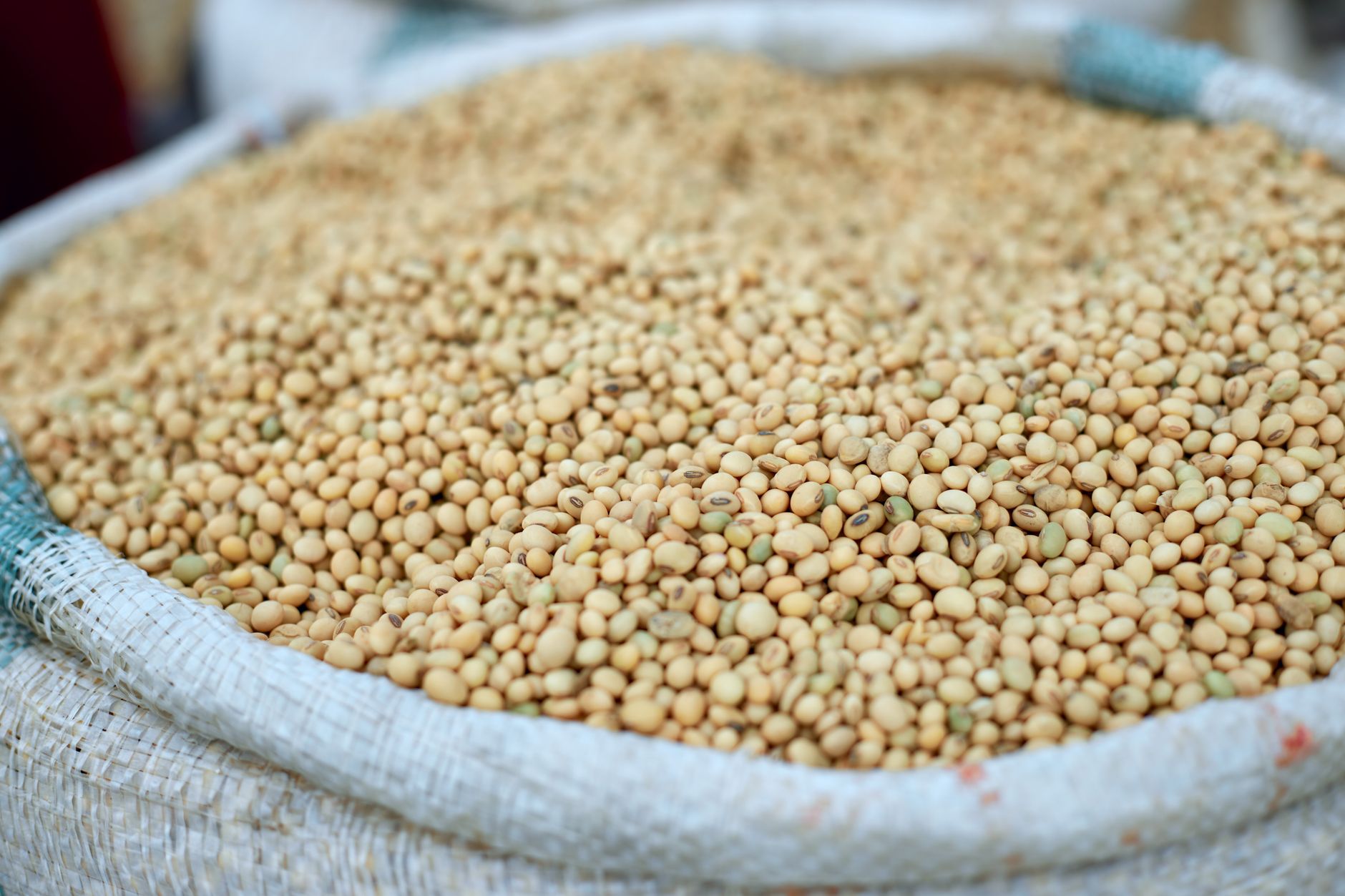
These ingredients cause rapid spikes in blood glucose and insulin levels. Elevated insulin has been directly linked to increased acne severity because it amplifies the signaling pathways that increase sebum production and encourage skin inflammation. A woman taking protein powder with added sugars multiple times per week may unknowingly be creating daily insulin spikes that her skin can’t handle, especially if she already has hormonal acne. Soy-based protein powders present a third, more nuanced concern. Soy contains phytoestrogens—plant compounds that mimic estrogen in the body. For some women, particularly those already dealing with hormonal imbalances that contribute to their acne, soy-based proteins can act as an additional hormonal stressor. While not everyone reacts to soy, women with severe hormonal acne may notice worsening breakouts within 2-3 weeks of starting a soy-based protein supplement. The individual response varies significantly based on existing hormone levels and sensitivity.
The Hormonal Acne Connection: Why Women Are More Vulnerable
Hormonal acne in women is driven primarily by fluctuations in androgens and their interaction with estrogen and progesterone throughout the menstrual cycle. Research shows that 65% of adult women notice acne flares linked to their menstrual cycle, typically occurring in the week before menstruation when progesterone drops and androgens have relatively more influence over sebaceous gland activity. This biological reality means that any additional stimulus—whether from protein powder ingredients, diet, stress, or other sources—hits at a time when skin is already primed for breakouts. The distinction between hormonal acne in women and other forms of acne is crucial because it affects treatment strategy. While topical acne treatments like retinoids and benzoyl peroxide work well for bacteria-driven breakouts, they’re less effective against the oil production and inflammation driven by hormonal factors.
This is why a woman using the best acne treatment cream available might still experience persistent breakouts if her protein powder is triggering IGF-1 production. She’s fighting a hormonal battle with a topical solution, while the real driver—protein-induced growth factor stimulation—continues unchecked. A critical limitation here is that women often don’t connect their protein powder to their acne because the timeframe between consumption and breakouts can be 3-7 days. A woman might drink a protein shake on Monday, experience breakouts by Thursday or Friday, and attribute them to stress or her menstrual cycle—not realizing that her protein supplementation is a contributing factor. This lag time means many women continue using acne-triggering protein powders for months or years without identifying the connection.
Common Protein Powder Ingredients That Worsen Breakouts
Beyond the primary culprits of whey, casein, and added sugars, several other ingredients commonly found in protein powders can contribute to acne severity. Emulsifiers and thickeners like guar gum and soy lecithin can trigger inflammation in susceptible individuals, particularly those with sensitive skin or existing digestive sensitivities that might elevate systemic inflammation. Artificial sweeteners like sucralose and acesulfame potassium have been shown in some studies to alter gut bacteria composition, and emerging research suggests that dysbiosis (imbalanced gut bacteria) may play a role in worsening hormonal acne through increased intestinal permeability and systemic inflammation. Whey protein isolate, despite being “purer” than whey concentrate because most lactose has been removed, still contains bioactive peptides that stimulate IGF-1 production.
Many women switch from concentrate to isolate hoping to reduce acne problems, only to find that breakouts persist because the core mechanism—growth factor stimulation—remains intact. A woman who tried a popular whey isolate protein powder while managing hormonal acne might notice that she experiences breakouts within 48-72 hours of consumption, yet continues to use it because the label promises “better for acne-prone skin” due to lower lactose content. This is misleading marketing that ignores the actual mechanism of protein-driven breakouts. Casein protein, used in some powders and nighttime formulas, poses an even greater risk than whey for some women because it’s absorbed more slowly, potentially creating a prolonged elevation in IGF-1 throughout the day. Additionally, casein is a highly allergenic protein for many people, and even subclinical inflammatory reactions to casein might exacerbate acne by increasing systemic inflammation without obvious digestive symptoms.
Switching to Acne-Safe Protein Alternatives
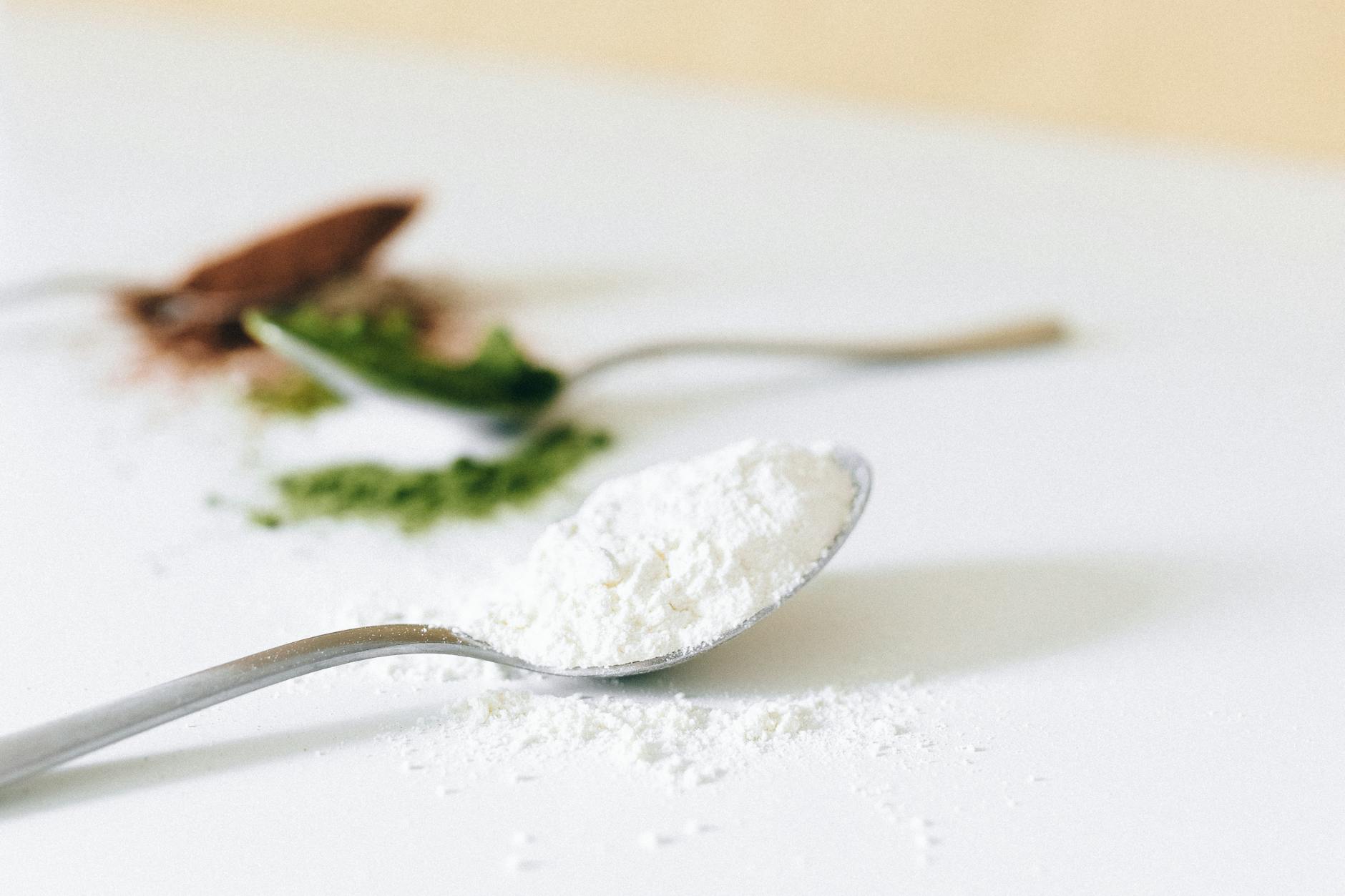
Plant-based proteins—specifically pea protein, hemp protein, and brown rice protein—offer a meaningful alternative for women with hormonal acne who still want to supplement their nutrition. These proteins do not stimulate IGF-1 production through the same pathways as dairy proteins, making them significantly safer for acne-prone skin. Pea protein, which has become more refined and better-tasting in recent years, contains a complete amino acid profile suitable for muscle building while avoiding the acne-triggering effects of whey. Hemp protein provides additional omega-3 fatty acids, which have anti-inflammatory properties that may actually help reduce acne severity over time. The tradeoff with plant-based proteins is texture and taste. Pea protein can have a slightly grainy or earthy flavor that some women find unpalatable compared to the smooth, creamy taste of whey-based powders.
Hemp protein is even more earthy and requires careful formulation to be palatable. Additionally, plant-based proteins are typically more expensive than whey—often 30-50% costlier per serving. For a woman on a budget, the price difference might mean choosing between a plant-based protein and other health priorities. However, the benefit of clear skin and reduced acne severity often justifies the cost and taste compromise for women who’ve experienced severe hormonal acne. Brown rice protein is often overlooked but offers a good middle ground: it has a milder flavor than pea or hemp, mixes reasonably well, and doesn’t trigger the same acne pathways. The limitation is that brown rice protein is less complete in certain amino acids (particularly lysine), so it’s best combined with other protein sources throughout the day rather than relied upon as a sole supplement. A woman might use brown rice protein powder for her morning smoothie while getting additional amino acids from other dietary sources.
How to Identify If Protein Powder Is Triggering Your Breakouts
Identifying protein powder as the actual cause of breakouts requires deliberate observation and elimination testing, because acne has multiple triggers and correlation isn’t always obvious. Begin by tracking your protein powder consumption and breakout patterns for 2-3 weeks. Note the specific product, timing of consumption (morning versus evening), and when breakouts appear. Most women who have genuine reactions to whey or casein-based proteins will notice new breakouts or worsening of existing breakouts within 3-7 days of increased consumption. If your breakouts improve within 2-3 weeks of eliminating protein powder entirely, that’s strong evidence that the supplement was contributing to the problem.
However, a significant limitation exists: some women believe protein powder is causing their acne when the real triggers are other factors entirely—inadequate sleep, high stress, dietary sugar from other sources, or dairy from cheese and yogurt. A woman might eliminate protein powder and see improvements, then incorrectly conclude that all protein supplements cause her acne, when she might actually tolerate plant-based options perfectly well. This misattribution is common because women often make multiple dietary and lifestyle changes simultaneously, making it difficult to pinpoint the actual culprit. A warning here: if you have severe cystic acne, do not attempt to self-diagnose the cause by trial and error over months. Persistent hormonal acne often requires professional dermatological evaluation and potentially treatments like spironolactone, birth control adjustment, or prescription retinoids. While eliminating problematic protein powders is definitely worth trying, it should be part of a comprehensive approach under professional guidance, not a substitute for addressing underlying hormonal imbalances that may require medical intervention.
Comprehensive Approach to Managing Hormonal Acne Beyond Protein Powder
Addressing hormonal acne effectively requires looking beyond a single supplement. While switching from whey to plant-based protein is valuable, it’s one piece of a larger puzzle that includes overall diet quality, stress management, sleep, and potentially medical treatment. A woman who eliminates acne-triggering protein powder but continues consuming high amounts of refined sugar, dairy cheese, and processed foods will likely still struggle with significant breakouts because multiple dietary factors are simultaneously stimulating oil production and inflammation.
Consider the example of a woman who was taking whey protein powder three times daily, consuming sugary flavored lattes, eating pizza several times per week, and managing high work stress with inadequate sleep. She eliminated the protein powder and saw modest improvements in acne severity—maybe 30-40% reduction—but remained frustrated because significant breakouts continued. Only when she simultaneously reduced processed dairy, decreased overall sugar intake, improved sleep, and started a meditation practice did she achieve the clear skin she wanted. The protein powder elimination was necessary but insufficient on its own; it was one component of a comprehensive lifestyle approach that her skin actually needed.
The Future of Acne-Safe Nutrition for Women
The landscape of protein supplementation is evolving as awareness grows about the connection between certain protein types and hormonal acne. Newer formulations are beginning to incorporate blends of plant-based proteins with added ingredients specifically chosen for anti-inflammatory properties—turmeric, omega-3 fatty acids, and antioxidants that may actively support skin health rather than simply avoiding harm. These next-generation products recognize that women with hormonal acne need more than just an alternative protein source; they need nutrition that actively supports skin health while supporting fitness goals.
Research into the mechanisms connecting protein, hormones, and skin is also progressing, with dermatologists and nutritionists collaborating more closely to understand individual variations in protein tolerance. What triggers severe acne in one woman might cause only mild breakouts in another, based on underlying hormone levels, gut health, genetic predisposition, and other factors. As personalized medicine advances, the approach to acne and protein supplementation will likely shift from broad recommendations (“avoid dairy protein”) to more individualized strategies based on each woman’s unique biochemistry and skin response patterns.
Conclusion
For women with hormonal acne, the ingredients in their protein powder represent a significant but often overlooked controllable factor in breakout severity. Dairy-based proteins like whey and casein stimulate IGF-1 production, added sugars spike insulin levels, and certain plant-based proteins can introduce additional hormonal stressors—all mechanisms that directly contribute to acne worsening. Identifying whether your protein powder is a contributing factor requires deliberate tracking and elimination testing, as the 3-7 day lag between consumption and breakouts often obscures the connection.
The good news is that high-quality plant-based protein alternatives now exist that effectively support fitness and nutritional goals without triggering acne. Pea, hemp, and brown rice proteins can be incorporated into a comprehensive approach to hormonal acne management that also addresses diet quality, stress, sleep, and potentially dermatological treatment. If you have hormonal acne and use protein powder, experimenting with switching to a plant-based alternative is a simple, low-risk intervention worth trying before investing in more expensive or invasive acne treatments.
You Might Also Like
- At Least 89% of People Who Pick at Their Skin Don’t Realize That Spironolactone Is Only Effective for Hormonal Acne in Women Not Men
- At Least 54% of Women With Hormonal Acne Believe That Azelaic Acid Is One of the Safest Acne Treatments During Pregnancy
- At Least 38% of Patients Taking Oral Antibiotics for Acne Have Never Been Told That Spironolactone Is Only Effective for Hormonal Acne in Women Not Men