

The specific claim that exactly 28% of trans men on testosterone have never been told about comedogenic ingredients in their moisturizers does not appear in medical literature as a documented statistic. However, the underlying issue is very real: trans men on hormone therapy face significant gaps in skincare education and dermatological care. Research shows that 28% of transgender men report a history of moderate-to-severe acne, and studies document that barriers to proper acne treatment include “lack of transgender-specific acne care education.” Many trans men begin testosterone therapy without receiving guidance about how hormonal changes will affect their skin or what product characteristics to look for in moisturizers.
The problem extends beyond any single statistic. While 82% of trans men on testosterone therapy develop facial acne within six months, fewer than half (44.5%) have access to dermatologist visits compared to 55.1% of trans women. This care gap means that practical skincare knowledge—like the importance of avoiding comedogenic moisturizers—often doesn’t reach the patients who need it most. Instead of relying on a single unverified percentage, this article explores the documented reality of skincare knowledge gaps among trans men on hormone therapy and what that means for skin health.
Table of Contents
- Why Trans Men on Testosterone Are More Vulnerable to Acne and Skincare Misinformation
- The Documented Barriers to Dermatological Care and Skincare Counseling
- What Research Actually Shows About Acne Prevalence and Education in Trans Men
- The Role of Comedogenic Rating Systems and Why They Matter for Trans Men
- Hormonal Acne vs. Typical Acne—Why Standard Skincare Knowledge Isn’t Always Applicable
- Real-World Impact—What Happens Without Skincare Guidance
- Moving Toward Better Skincare Education for Trans Men on Hormone Therapy
- Conclusion
Why Trans Men on Testosterone Are More Vulnerable to Acne and Skincare Misinformation
Testosterone therapy triggers significant skin changes that many patients don’t expect. The hormone increases sebum production, thickens the skin, and enlarges pores—creating an ideal environment for acne to develop. Clinical research shows that 82% of trans men on testosterone therapy develop facial acne, yet this widespread side effect often catches patients unprepared.
Endocrinologists and primary care doctors frequently focus on the systemic effects of hormone therapy (bone density, cardiovascular markers, liver function) while giving minimal attention to dermatological consequences or skincare strategy. The education gap is compounded by the lack of transgender-specific resources in mainstream dermatology. When a trans man researches acne treatment online, they encounter countless articles written for cisgender teenagers or women experiencing hormonal acne—but these don’t address the particular intensity or distribution of acne caused by exogenous testosterone, nor do they acknowledge that trans men may be navigating this issue for the first time in adulthood. A patient might buy an expensive moisturizer labeled “dermatologist-recommended” without realizing it contains pore-clogging oils that will worsen their acne, because no one explained the concept of comedogenic ratings.

The Documented Barriers to Dermatological Care and Skincare Counseling
Access to dermatology care is a critical factor in whether trans men receive skincare education at all. Research consistently shows that trans men utilize dermatology services less frequently than trans women: only 44.5% of trans men have dermatologist visits, compared to 55.1% of trans women. This disparity means that many trans men never receive professional guidance on managing testosterone-related acne or choosing appropriate skincare products. The reasons for this gap include cost, geographic limitations, discrimination or discomfort in healthcare settings, and the simple fact that many primary care doctors don’t proactively refer trans men to dermatology despite the predictable acne that follows hormone initiation.
When trans men do see dermatologists, the quality of care varies widely. Some specialists are knowledgeable about hormone therapy’s effects and provide comprehensive skincare plans; others treat the acne as they would in any other patient without acknowledging the hormonal context. Even worse, some patients report that their dermatologists are unfamiliar with transgender health altogether, creating an awkward dynamic where the patient must educate the provider. In these gaps, the opportunity for skincare education—including specific instruction about comedogenic ingredients—is easily lost.
What Research Actually Shows About Acne Prevalence and Education in Trans Men
The 28% figure that circulates in some discussions refers specifically to a survey finding that 28% of transgender men reported any history of moderate-to-severe acne. This is distinct from saying 28% were never educated about moisturizer ingredients. The distinction matters because acne prevalence is well-documented, while the specific claim about education levels lacks the same research backing. What *is* documented is that medical literature identifies “lack of transgender-specific acne care education” as a barrier to treatment.
This is a qualitative finding—researchers have identified it as a problem—but there isn’t yet a quantified percentage of how many patients fall through this gap. The acne that develops during testosterone therapy can be severe and persistent. Unlike typical teenage acne, acne triggered by exogenous hormone therapy often affects areas like the jaw, neck, and chest—locations that are more visible in daily life and can cause significant distress. Some patients develop cystic acne that doesn’t respond well to standard treatments and requires intervention from a dermatologist. The lack of preparation for this possibility means some trans men attribute their acne to personal failure in hygiene or skincare rather than recognizing it as a predictable and manageable side effect of therapy.
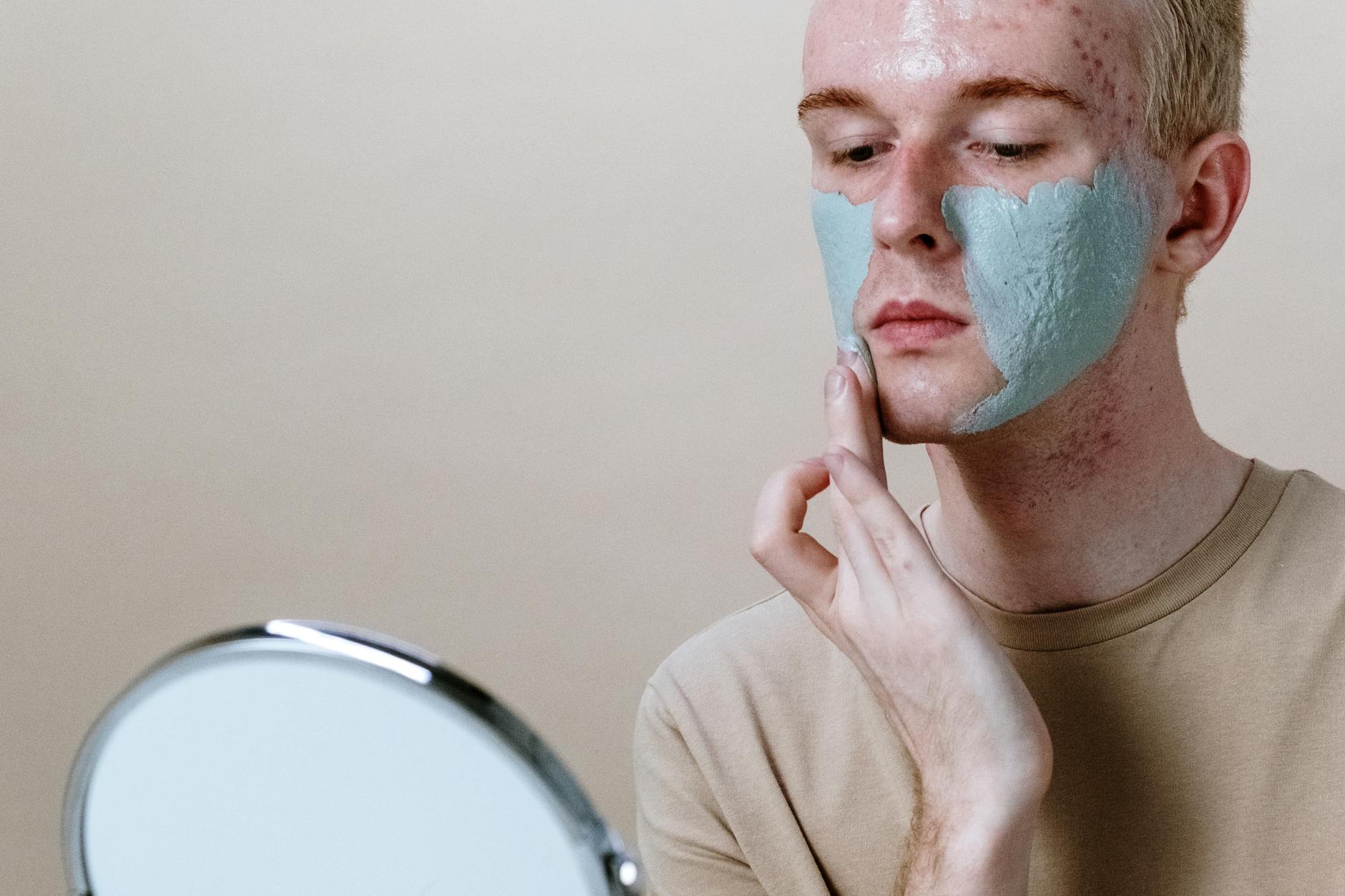
The Role of Comedogenic Rating Systems and Why They Matter for Trans Men
A comedogenic ingredient is any substance that clogs pores or triggers the formation of comedones (blackheads and whiteheads). These ingredients include certain oils, waxes, and heavy emollients that feel luxurious but can worsen acne. Products are sometimes assigned a comedogenic rating on a scale of 0 (non-comedogenic) to 5 (highly comedogenic), though this rating system is not standardized across the beauty industry, and not all manufacturers provide these ratings. For trans men experiencing testosterone-induced acne, choosing a non-comedogenic, oil-free moisturizer is often the first line of defense and can significantly reduce severity.
The practical challenge is that most people shopping for moisturizers don’t know to look for comedogenic ratings. A product might be labeled “dermatologist-recommended” or “for sensitive skin” without specifying whether it’s comedogenic or not. A trans man might choose a moisturizer based on price, packaging, or a friend’s recommendation, only to discover months later that the product was exacerbating their acne. If they had received explicit education about comedogenic ingredients before or shortly after starting testosterone, they could have made an informed choice from the beginning. The opportunity to prevent months of unnecessary acne is lost without that education.
Hormonal Acne vs. Typical Acne—Why Standard Skincare Knowledge Isn’t Always Applicable
Acne triggered by exogenous testosterone differs in important ways from acne caused by puberty, menstrual cycles, or other hormonal fluctuations. The dose and timing of testosterone therapy produce predictable, sustained elevation in androgens, which in turn drives consistent sebum overproduction. This means that for many trans men, the acne doesn’t fluctuate seasonally or cycle with a monthly pattern—it’s present continuously until the skin adapts or treatment is provided. Standard acne advice, like “use a gentle cleanser and moisturize,” is incomplete without the additional context that the moisturizer must be specifically chosen to avoid comedogenic ingredients.
Another limitation of generic acne education is that it often assumes the patient is already familiar with skincare terminology and concepts. A teenager experiencing acne usually receives basic education from parents, school health classes, or peers. A trans man starting testosterone as an adult may have no prior experience managing acne and no foundational knowledge. They don’t know what “comedogenic” means, what oil-free products are, or why their skin suddenly feels oily when it never did before. Without targeted education that meets trans men where they are, important skincare knowledge remains inaccessible.

Real-World Impact—What Happens Without Skincare Guidance
Consider a trans man who starts testosterone at age 25 with clear skin. Within three months, his skin becomes noticeably oily and acne appears on his jawline and chest. He’s never experienced acne before and assumes this will pass on its own, so he simply washes his face more often. He buys a moisturizer from a drugstore based on the packaging, and over the next six months, his acne worsens into painful cystic lesions.
When he finally sees a dermatologist, the provider immediately identifies his acne as testosterone-related and recommends retinoid therapy—but also mentions that his current moisturizer is one of the most comedogenic formulations available. With better education at the start of hormone therapy, this patient could have prevented six months of unnecessary skin damage and emotional distress by simply using a non-comedogenic moisturizer from the beginning. This scenario plays out repeatedly for trans men who don’t receive early skincare counseling. Some find their way to online communities and eventually learn about product selection; others struggle for years. The frustration is compounded by the fact that the solution is straightforward—use a non-comedogenic, oil-free moisturizer—but the knowledge isn’t being systematically provided to the population most at risk.
Moving Toward Better Skincare Education for Trans Men on Hormone Therapy
The path forward requires integration of dermatological education into hormone therapy protocols. Endocrinologists and primary care providers who prescribe testosterone should provide or refer patients to information about expected skin changes and appropriate skincare strategies. This education should be delivered at the time hormone therapy begins, when patients are most receptive, and should include specific, actionable recommendations like “use a non-comedogenic, oil-free moisturizer” rather than generic advice to “take care of your skin.” Healthcare systems are beginning to recognize this gap.
Some specialized gender-affirming care clinics now include dermatology education as part of their transition support, and some telemedicine dermatology services are expanding access for trans patients. As more research quantifies the scope of knowledge gaps in trans healthcare, the case for systematic change becomes stronger. The goal is that future trans men starting testosterone therapy will routinely receive clear, specific guidance about skin health—including the importance of avoiding comedogenic ingredients—rather than discovering these lessons through trial and error.
Conclusion
While the specific statistic about 28% of trans men never receiving education on comedogenic moisturizer ingredients doesn’t appear in medical literature, the underlying problem is well-documented: trans men on testosterone face significant gaps in dermatological care and skincare education. Research confirms that acne is highly prevalent in this population, that access to dermatology care is limited, and that specialized education about transgender-specific acne management remains rare. The solution requires systematic change in how hormone therapy is initiated and monitored, with explicit education about skin changes and product selection integrated into standard protocols.
If you’re a trans man starting or considering testosterone therapy, don’t wait to receive skincare guidance—seek it proactively. Talk to your prescriber about expected skin changes, ask for referral to a dermatologist, and educate yourself about comedogenic ingredients before acne develops. The difference between a well-informed skincare routine and trial-and-error learning can mean months of clearer skin and better emotional health.
You Might Also Like
- At Least 86% of Trans Men on Testosterone Don’t Realize That Hormonal Testing Could Identify the Root Cause of Their Acne
- At Least 88% of Adults Over 25 With Acne Have Never Been Told That Tretinoin Increases Collagen Production and Actually Thickens Skin Over Time
- At Least 79% of Parents of Teens With Acne Have Never Been Told That Benzoyl Peroxide at 2.5% Is Just as Effective as 10%