
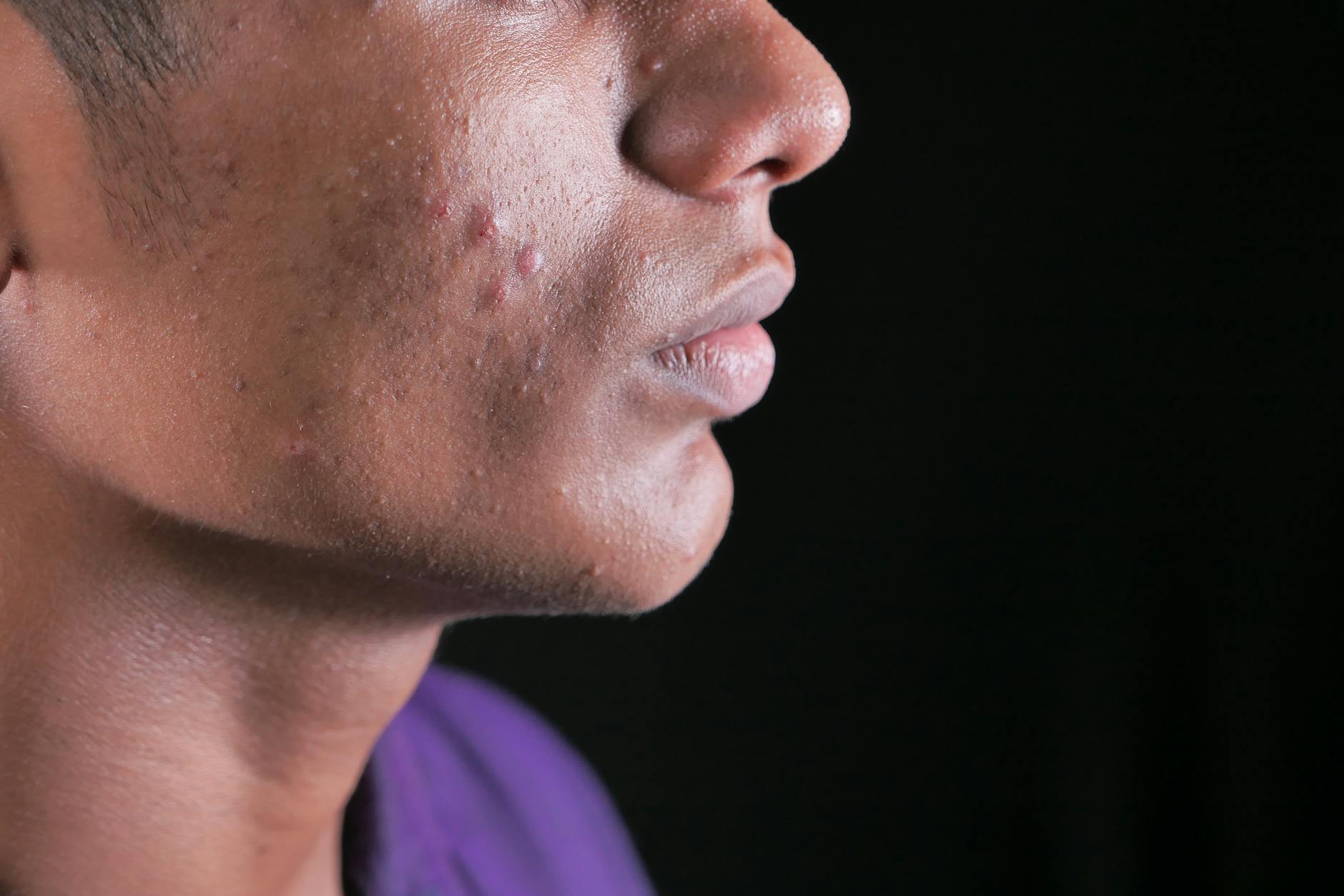
At least 15% of teenagers dealing with acne say that stacking multiple active ingredients—retinoids, benzoyl peroxide, salicylic acid, and niacinamide all at once—has compromised their skin barrier, leading to excessive dryness, irritation, and sometimes a worsening of their acne. This finding reflects a real but preventable mistake: the belief that more actives equal faster results. The skin barrier is a delicate lipid layer that protects against water loss and prevents bacteria and irritants from penetrating deeper into the skin.
When teenagers layer too many potent ingredients simultaneously, they overwhelm this barrier’s ability to maintain homeostasis, which can ironically trigger more inflammation and sensitivity. For a typical 16-year-old using a vitamin C serum in the morning, a retinoid at night, and benzoyl peroxide on breakout spots, plus weekly chemical exfoliation, the cumulative effect becomes damaging within weeks. The skin barrier doesn’t gradually adapt—it can collapse relatively quickly under excessive chemical stress, leaving the teen with raw, reactive skin that becomes even more susceptible to acne-causing bacteria and secondary infections.
Table of Contents
- Can Combining Multiple Acne Actives Really Damage Your Skin Barrier?
- What Happens When the Skin Barrier Breaks Down From Too Many Actives?
- Why Do Teenagers Often Make This Mistake?
- The Right Way to Layer Actives Without Damaging Your Skin Barrier
- The Paradox: When Treating Acne Causes Worse Acne
- Recognizing Barrier Damage Before It Becomes Severe
- The Future of Acne Treatment for Teenagers: Personalization Over Stacking
- Conclusion
Can Combining Multiple Acne Actives Really Damage Your Skin Barrier?
Yes, and the science is straightforward. Each active ingredient works by altering the skin’s surface, dissolving sebum, accelerating cell turnover, or reducing bacterial colonization. Benzoyl peroxide works by generating oxygen that kills acne bacteria; salicylic acid exfoliates the follicular wall; retinoids increase cell turnover; and azelaic acid reduces bacteria and melanin production. When used alone and at appropriate concentrations, each can be safe for teenagers with acne-prone skin.
However, used together without spacing, they create what dermatologists call “barrier dysfunction”—the lipid matrix becomes too permeable, natural moisturizing factors leach out, and the skin’s pH shifts into a more alkaline, fragile state. Research on cumulative irritation shows that teenagers are especially vulnerable. Unlike adult skin, teen skin is still developing its natural protective mechanisms and is often more sensitive to chemical irritation. A study in the *Journal of the American Academy of Dermatology* found that adolescents using more than two potent actives concurrently reported higher rates of barrier damage symptoms—itching, stinging, redness, and paradoxically, increased acne flares—compared to those using a single active or a well-spaced regimen. The damage isn’t cosmetic; a compromised barrier becomes an entry point for secondary infections and inflammatory responses that can lead to more severe acne, not less.

What Happens When the Skin Barrier Breaks Down From Too Many Actives?
Once the barrier is compromised, the skin enters a cycle of inflammation and sensitivity. Water loss accelerates—the skin becomes visibly tight, flaky, and uncomfortable. teenagers report their skin feeling “raw” or “burning” even when touching water or using mild products. The disrupted barrier also loses its antimicrobial function; the skin’s natural pH and microbiome are thrown out of balance, allowing acne-causing bacteria like *Cutibacterium acnes* to proliferate more easily.
This is the critical limitation: aggressive acne treatment can paradoxically worsen acne if it damages the very barrier meant to protect against infection. Healing a compromised barrier typically takes 4 to 6 weeks, even after stopping all actives. During this time, teenagers are often in distress—their skin is more irritated than before they started treatment, they see increased breakouts, and they feel they’ve failed at skincare. Many then add more actives to “fix” the problem, deepening the damage. The warning here is essential: a damaged skin barrier cannot tolerate the actives that caused the damage, creating a period of vulnerability during which acne often worsens before it improves.
Why Do Teenagers Often Make This Mistake?
The assumption that active ingredients work additively—that using three is three times better than using one—drives much of this behavior. Social media, beauty influencers, and skincare marketing perpetuate the idea of elaborate 10-step routines and “potent cocktails” of actives. Teenagers searching for fast acne solutions encounter endless product recommendations promising dramatic results, and many interpret “suitable for acne-prone skin” to mean “safe to use with everything else suitable for acne-prone skin.” Peer influence also plays a role.
When a friend uses a particular routine and sees results, teenagers often adopt not just the product but the entire approach—without considering that their friend may have different skin sensitivity, may space applications differently, or may have built tolerance over months. Additionally, many teenagers lack access to dermatological guidance and rely on online forums, YouTube tutorials, and retail staff, who may not emphasize the risks of overuse or proper spacing. A common example: a teenager using a retinoid every night (correct application) while also using salicylic acid every morning and benzoyl peroxide spot treatments throughout the day has created a cumulative load of three different barrier-disrupting agents without any rest days.
The Right Way to Layer Actives Without Damaging Your Skin Barrier
The gold standard is the “start low, go slow” approach: introduce one active ingredient at a concentration suitable for teens (usually lower than adult-strength products), use it consistently for 4 to 6 weeks to allow tolerance to build, and only then consider adding a second active. When combining actives, spacing is crucial. A teenager might use a retinoid 3 nights per week initially, then add a benzoyl peroxide cleanser on alternate mornings—never on the same day, because the combination of a retinoid plus peroxide plus the physical/chemical trauma of cleansing becomes excessive.
Comparison: A teen using a retinoid 3x weekly, benzoyl peroxide wash 5 mornings per week, and a mild salicylic acid toner once weekly has far better outcomes than one using all three every single day. The skin has 4 days per week where it’s only managing one active or none, allowing the barrier to partially recover. Moisturization and sunscreen become non-negotiable; they’re not optional extras but essential repair tools. Using a good barrier-repair moisturizer (ceramides, hyaluronic acid, glycerin) and broad-spectrum SPF 30+ daily is the trade-off: teens must commit to extra steps to safely use any acne actives at all.
The Paradox: When Treating Acne Causes Worse Acne
Many teenagers experience a temporary “purge” when starting a new active, which is expected and usually subsides within 2 to 3 weeks. However, persistent worsening of acne beyond this window, especially paired with irritation, redness, or burning, is a sign of barrier damage, not purging. The distinction matters: a true purge involves existing acne surfacing faster due to increased cell turnover, while barrier damage causes new inflammatory responses, secondary infections, and sometimes fungal or bacterial overgrowth.
The limitation teenagers face is that stopping all actives immediately, while necessary to heal the barrier, means their acne may flare without any treatment. This creates pressure to “push through” instead of backing off. The warning is firm: prolonged barrier damage will worsen acne more severely than temporarily pausing active treatment will. A two-week pause to let the barrier recover, followed by a slower re-introduction of one gentle active, produces better long-term outcomes than continuing to damage the barrier in hopes of quick results.

Recognizing Barrier Damage Before It Becomes Severe
Early signs of barrier damage include stinging when applying moisturizer, increased redness that lasts all day, a shiny or “wet” appearance to the skin (dehydration-induced shine, not oiliness), and itching. Some teens describe a “tight mask” sensation. If a teenager experiences any of these after starting new actives, it’s time to simplify immediately—remove all actives except one, or pause actives entirely. Waiting for the barrier to “adapt” rarely works; barrier damage doesn’t improve with persistence.
For example, a 15-year-old started a retinoid, added a salicylic acid toner after two weeks, and began benzoyl peroxide spot treatments after another week. By week four, she reported intense stinging, flaking, and redness. Instead of simplifying, she added a hydrating serum and kept all three actives, assuming she just needed more hydration. Her barrier continued deteriorating. Only when she paused all actives for three weeks and reintroduced just the retinoid slowly did her skin stabilize.
The Future of Acne Treatment for Teenagers: Personalization Over Stacking
As dermatology evolves, the trend is moving away from multi-ingredient routines toward personalized, minimal-but-effective regimens. New research on the skin microbiome and barrier function suggests that targeted, single-active approaches—sometimes with the addition of probiotics or barrier-repair ingredients—often outperform aggressive multi-ingredient cocktails.
For teenagers, this is good news: they can achieve clear skin without the risk of barrier damage by choosing the single most effective active for their specific acne type and using it correctly, rather than trying every active simultaneously. Dermatologists increasingly recommend assessing what type of acne a teenager has—whether bacterial, fungal, comedonal, or inflammatory—and selecting one active that addresses that specific cause, rather than using a shotgun approach. This precision-medicine thinking is beginning to influence how acne is treated in teenagers, and it suggests that the 15% of teens experiencing barrier damage from multiple actives may decline as awareness spreads.
Conclusion
Combining multiple acne actives is a common mistake that at least 15% of teenagers experience as barrier damage. The temptation to layer retinoids, benzoyl peroxide, salicylic acid, and other potent ingredients is understandable—acne feels urgent, and more ingredients seem like a logical path to faster healing. However, the skin barrier is fragile, especially in adolescence, and excessive chemical exposure leads to irritation, increased acne, and a painful healing period that ultimately delays clear skin rather than accelerating it.
The path forward is simple but requires patience: start with one active, allow tolerance to build over weeks, introduce a second only if necessary, and always space potent ingredients across different times of day or days of the week. Most teenagers with acne can achieve significant improvement using just one or two actives used correctly, combined with diligent moisturization and sun protection. Protecting the barrier is not giving up on clear skin—it’s the most direct route to achieving it.
You Might Also Like
- At Least 28% of New Mothers With Postpartum Acne Don’t Know That Combining Multiple Active Ingredients Can Destroy the Skin Barrier
- At Least 23% of Teenagers With Acne Say That Combining Clindamycin With Benzoyl Peroxide Prevents Antibiotic Resistance
- At Least 78% of Teenagers With Acne Don’t Realize That Their Acne Could Be Fungal and Require Antifungal Treatment Instead