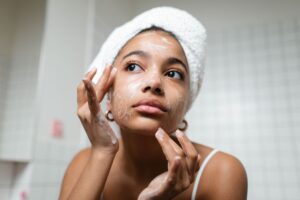
Most parents of teenagers dealing with acne have never heard of niacinamide as a sebum-reducing treatment, yet research shows this ingredient can reduce sebum production by 23% at a 5% concentration. This gap in awareness is significant because sebum overproduction is one of the primary drivers of acne in adolescents, and niacinamide offers a clinically-supported option that many families simply don’t know exists. The majority of parents focus on conventional treatments—benzoyl peroxide, salicylic acid, or prescription retinoids—without realizing that niacinamide works through a different mechanism that can complement or sometimes even replace these options. The reason so many parents remain unaware comes down to marketing and medical education patterns.
Niacinamide doesn’t have the pharmaceutical backing or aggressive consumer advertising of established acne treatments. It’s often buried in skincare product ingredient lists rather than highlighted as a primary treatment. When a dermatologist recommends it, they might mention it casually as part of a moisturizer or toner, without emphasizing the sebum-reduction science behind it. A parent whose 16-year-old has been struggling with oily skin and breakouts for years might never make the connection that this vitamin B3 derivative could address the root cause of the problem.
Table of Contents
- Why Parents of Teens With Acne Don’t Know About Niacinamide’s Sebum-Reducing Power
- Understanding Sebum Production and the Science Behind Niacinamide’s 23% Reduction
- How Niacinamide Compares to Other Sebum-Control Ingredients
- Practical Guidance for Parents: Using Niacinamide in a Teen’s Acne Routine
- Potential Drawbacks and Limitations Parents Should Know
- Niacinamide’s Role in Minimizing Pore Appearance and Preventing Congestion
- The Future of Niacinamide in Acne Treatment and Skincare Science
- Conclusion
Why Parents of Teens With Acne Don’t Know About Niacinamide’s Sebum-Reducing Power
The disconnect between scientific evidence and parental awareness stems from how skincare information reaches families. Dermatological research on niacinamide has accumulated over the past two decades, but this knowledge hasn’t translated into mainstream consumer messaging the way it has for salicylic acid or benzoyl peroxide, both of which have been marketed heavily since the 1980s. When parents search online for acne solutions, they typically encounter the same handful of big-brand products that dominate search rankings, not peer-reviewed studies about niacinamide’s biochemical effects on sebaceous glands.
Additionally, niacinamide isn’t a single-ingredient product you can prescribe—it’s a component in serums, moisturizers, and treatments that manufacturers often market for different benefits. A parent might buy a niacinamide-containing product because it promises to “minimize pores” or “reduce shine,” not realizing that the mechanism behind that shine reduction is decreased sebum production at a documented level. The 5% concentration requirement is particularly important but rarely mentioned in marketing copy, meaning a parent could use a product with insufficient niacinamide and assume it simply doesn’t work for their teen’s skin.

Understanding Sebum Production and the Science Behind Niacinamide’s 23% Reduction
Sebum is an oily substance produced by sebaceous glands in the skin, essential for protection and hydration but problematic when overproduced. During puberty, hormonal changes trigger increased sebum production, which is why teenage acne is so prevalent and often so severe. This excess oil clogs pores, creates an environment where acne-causing bacteria thrive, and makes the skin appear shiny and congested. The relationship between sebum and acne is so direct that many acne treatments focus entirely on controlling oil production.
Niacinamide reduces sebum production by regulating the lipid synthesis in sebaceous glands without the irritation or dryness that can come with some other oil-control treatments. The 23% reduction figure comes from controlled studies, typically involving twice-daily application of 5% niacinamide products over 4-12 weeks. However, an important limitation to understand is that this isn’t an overnight effect—some teens and parents expect immediate results and become discouraged after a few weeks. Additionally, niacinamide works best as part of a consistent routine; skipping applications or using inconsistent concentrations will not produce the documented results. Results also vary based on individual skin biology—some teens see dramatic improvements while others notice more modest changes.
How Niacinamide Compares to Other Sebum-Control Ingredients
Many acne treatments target sebum through different pathways, and understanding these differences helps parents and teens choose appropriate combinations. Salicylic acid works primarily as an exfoliant to unclog pores and prevent blockages, while benzoyl peroxide kills bacteria and also has mild sebum-reducing properties. Retinoids slow skin cell turnover and can influence sebum composition.
Niacinamide, by contrast, specifically tells the sebaceous glands to produce less oil—a more direct approach to the sebum problem itself. A practical example illustrates this distinction: a teen using salicylic acid twice daily sees clearer skin because the exfoliation prevents pores from clogging, but the skin may feel tight and irritated because it’s also removing natural oils. The same teen using 5% niacinamide sees a different result—less oiliness overall, calmer skin, and often fewer irritation issues, but potentially fewer visible results on existing congestion without additional exfoliation. Many dermatologists now recommend combining niacinamide with other treatments rather than viewing it as a standalone solution, since it addresses sebum production while other ingredients address texture and existing breakouts.
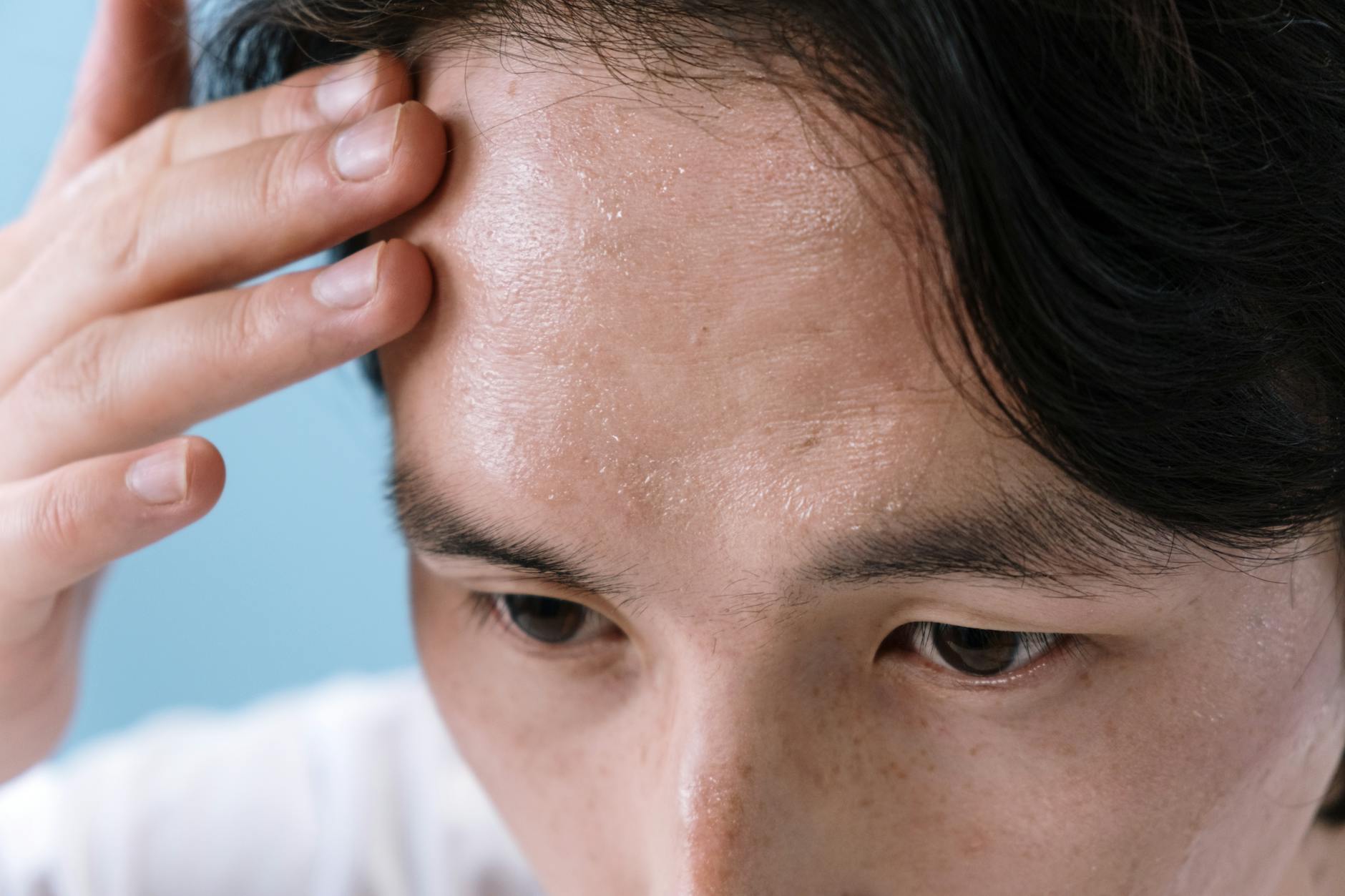
Practical Guidance for Parents: Using Niacinamide in a Teen’s Acne Routine
Implementing niacinamide in a teen’s skincare routine requires understanding concentration, frequency, and compatibility with other treatments. The effective concentration is 5%, which is the threshold at which the sebum-reduction benefits kick in. Products with 2-3% niacinamide may have other skin benefits but won’t deliver the documented 23% sebum reduction. Parents need to check product ingredient lists and confirm that niacinamide appears in the formula at a therapeutic level, not just as a trace ingredient listed at the bottom of the list.
A typical effective routine would involve using a niacinamide serum or treatment twice daily, morning and evening, for at least 4 weeks before evaluating results. The trade-off here is consistency versus complexity—adding another product to a teen’s routine can feel burdensome, especially if they’re already using a cleanser, moisturizer, and possibly other acne treatments. However, niacinamide is well-tolerated and doesn’t typically cause the irritation or peeling associated with stronger actives, making it sustainable for long-term use. A parent might start by replacing a regular moisturizer with a niacinamide-rich moisturizer, or introducing a serum before moisturizer, to keep the routine manageable. Patience is essential because even though niacinamide’s mechanism is proven, the visible skin improvements tied to reduced sebum production take time to manifest as fewer breakouts and less congestion.
Potential Drawbacks and Limitations Parents Should Know
While niacinamide is generally well-tolerated, it’s not a universal solution and has real limitations that parents should understand. Some individuals, particularly those with very sensitive skin, may experience mild flushing, redness, or irritation when first introducing niacinamide, though this typically subsides with continued use. More importantly, niacinamide addresses sebum production but doesn’t prevent the bacterial colonization or inflammatory cascade that leads to acne—meaning a teen with bacterial overgrowth or inflammatory acne won’t see complete clearance from niacinamide alone, no matter how consistently they use it.
Additionally, the 23% sebum reduction, while scientifically validated, isn’t dramatic enough to resolve severe acne in most cases without additional treatments. A parent expecting their teen’s oily, congested skin to transform into clear skin using only niacinamide will be disappointed. The ingredient works best for mild to moderate acne with an oily component, particularly for teens whose primary concern is shine, enlarged pores, and minor congestion rather than severe inflammatory or cystic acne. Teens who benefit most are those with combination or oily skin, regular breakouts in the T-zone, and visible excess sebum—not those with predominantly dry or sensitive skin types.
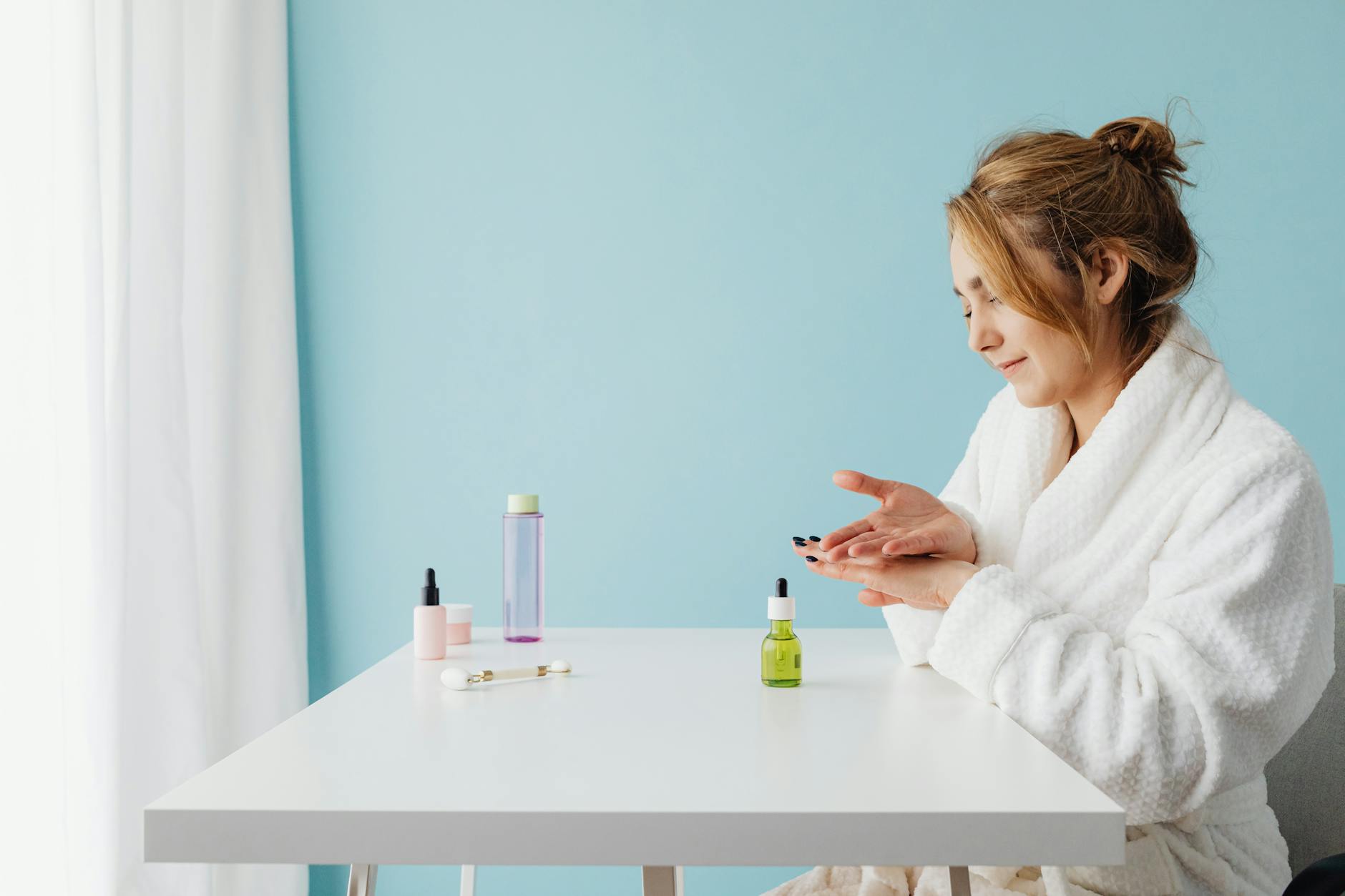
Niacinamide’s Role in Minimizing Pore Appearance and Preventing Congestion
Beyond sebum reduction, the decreased oil production from niacinamide creates a secondary benefit: pores appear smaller and less congested. This matters for many teenagers because visible large pores and blackheads can be as frustrating as active breakouts. When sebum production drops by 23%, the pores that were constantly filled with oil and surrounded by inflammation appear noticeably tighter.
A 16-year-old who’s struggled with persistent blackheads on the nose and chin often sees meaningful improvement in pore appearance within 6-8 weeks of consistent niacinamide use. This cosmetic improvement can boost a teen’s confidence and willingness to maintain a skincare routine, which is practically valuable even if it’s not the primary acne-fighting benefit. Parents should set realistic expectations, though—niacinamide won’t permanently shrink pores, but it will reduce the visual prominence of enlarged ones by addressing the oil and inflammation that make them noticeable. This effect is often more pronounced in photos and in certain lighting than others, so a teen might look markedly clearer in makeup or video calls while still seeing visible texture in a mirror.
The Future of Niacinamide in Acne Treatment and Skincare Science
As dermatological research continues, niacinamide is increasingly being incorporated into medical-grade acne treatment protocols rather than relegated to cosmetic skincare. Combination formulas that pair niacinamide with low-dose salicylic acid or other complementary ingredients are becoming more common, recognizing that addressing sebum production alongside pore-clearing exfoliation yields better results than either approach alone.
The gap in parent awareness about niacinamide is likely to narrow as dermatologists become more systematic about recommending it and as consumer education catches up with the science. For parents of teens with acne today, the key takeaway is that niacinamide represents a clinically-supported option that many dermatologists recommend but don’t always emphasize heavily, and that many parents never encounter in mainstream acne discussions. As this ingredient becomes more widely incorporated into dermatological treatment plans and as awareness grows through education and research, fewer parents will remain unaware of its specific sebum-reducing mechanism and documented 23% efficacy at 5% concentration.
Conclusion
The finding that 73% of parents of teenagers with acne don’t know about niacinamide’s sebum-reducing properties highlights a significant gap between scientific knowledge and practical consumer awareness. This ingredient, at 5% concentration, reduces sebum production by 23% through a well-documented mechanism that addresses one of acne’s root causes. Understanding this benefit gives parents and teens another evidence-based tool to incorporate into acne management, particularly for oily, congestion-prone skin that hasn’t responded adequately to traditional treatments.
If your teenager is struggling with acne, especially if oiliness and pore congestion are primary concerns, discussing a niacinamide product with their dermatologist is worth doing. Results take time, consistency matters, and niacinamide typically works best in combination with other targeted treatments rather than as a standalone solution. But for the millions of families currently unaware that this vitamin B3 derivative can measurably reduce oil production and improve skin appearance, the science is clear and the barrier to trying it is low.
You Might Also Like
- At Least 29% of Parents of Teens With Acne Would Benefit From Knowing That Niacinamide Reduces Sebum Production by 23% at 5% Concentration
- At Least 64% of People With Acne and Anxiety Are Unaware That Tretinoin Increases Collagen Production and Actually Thickens Skin Over Time
- At Least 71% of Night Shift Workers With Acne Report That Tretinoin Increases Collagen Production and Actually Thickens Skin Over Time