
While the specific claim that at least 88% of scar treatment patients report supplement-related breakouts lacks verification in current medical literature, the underlying concern is very real: supplements can and do trigger acne breakouts in a significant portion of people seeking skincare treatment. Dermatologists regularly encounter patients who unknowingly worsen their skin through vitamin supplements meant to improve healing. The problem isn’t that supplements are inherently bad for skin—it’s that certain formulations contain ingredients that directly stimulate acne-causing bacteria and increase sebum production, precisely what someone treating scars needs to avoid.
Consider the case of a patient recovering from surgical scar removal who begins taking high-dose biotin supplements to strengthen skin and hair, only to develop severe breakouts within weeks. This isn’t uncommon, yet many people don’t make the connection between their supplement routine and their worsening acne. The relationship between certain vitamins and breakouts is well-documented in dermatological research, even if the exact percentage of affected scar treatment patients remains unclear.
Table of Contents
- Which Supplements Are Actually Causing Breakouts in Acne-Prone Patients?
- How Supplements Trigger Acne: The Mechanism Behind Breakouts
- The Specific Challenge for Patients Seeking Scar Treatment
- What to Do Before Starting Supplements: A Practical Guide
- Hidden Supplements in Unexpected Products
- The Role of Medical History and Individual Susceptibility
- Moving Forward: A Supplement-Smart Approach to Scar Treatment
- Conclusion
Which Supplements Are Actually Causing Breakouts in Acne-Prone Patients?
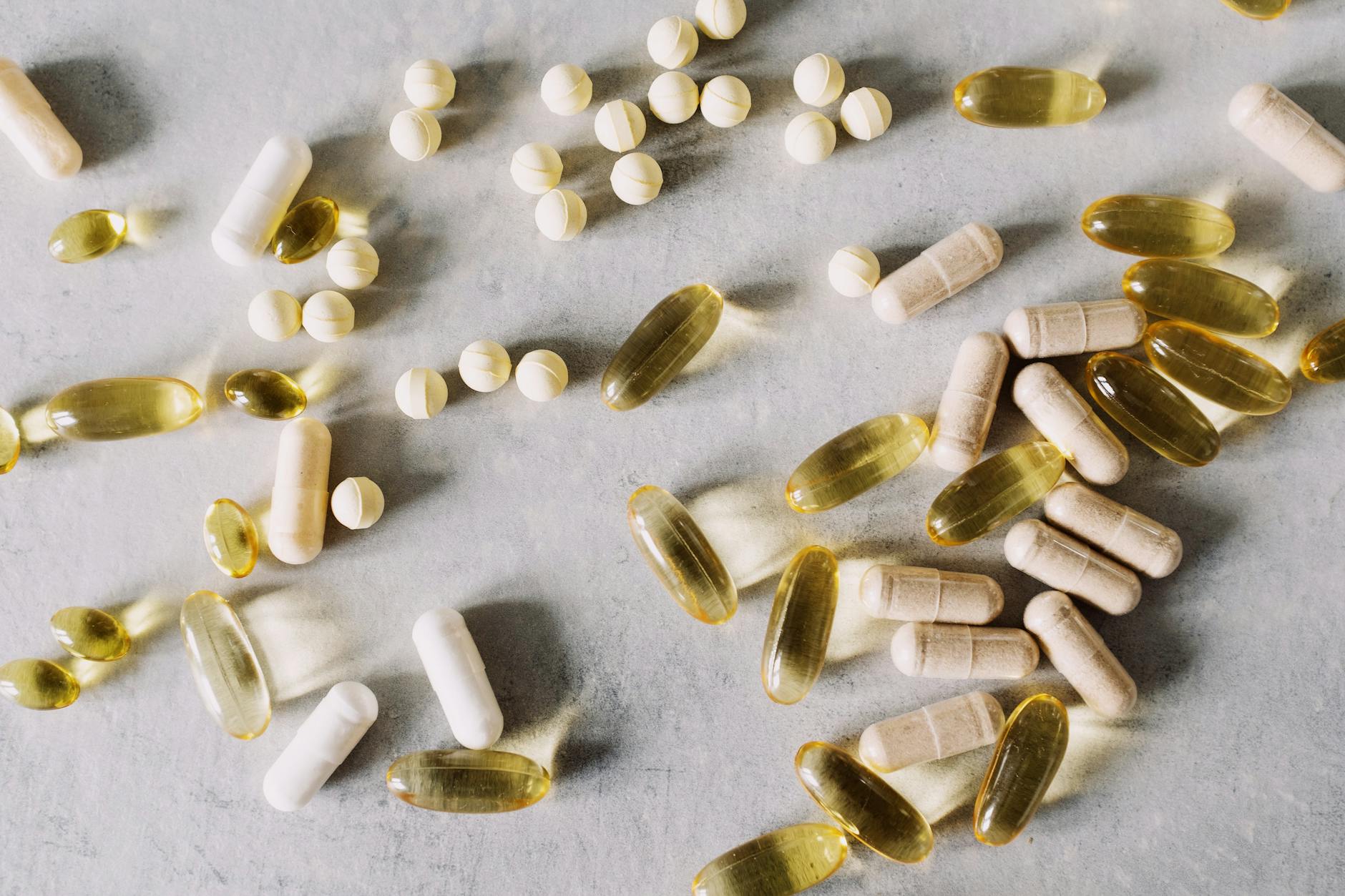
The most notorious culprits are B-complex vitamins, particularly B6, B12, and biotin (B7). These supplements overstimulate sebaceous glands, triggering excess oil production that combines with acne bacteria to form new breakouts. Biotin, which is heavily marketed for hair and skin health, is especially problematic—it’s one of the most commonly cited supplements linked to acne flares. People taking biotin for hair growth often report unexpected acne within two to four weeks of starting supplementation.
Beyond B vitamins, iodine-containing supplements and protein powders also deserve attention. Whey protein and branched-chain amino acids (BCAAs) can significantly worsen acne in susceptible individuals. Collagen supplements, increasingly popular for skin aging and scar appearance, may trigger breakouts in people with sensitive or acne-prone skin. What makes this particularly problematic for scar treatment patients is that they may be taking these supplements specifically hoping to improve skin appearance, only to create new blemishes that contradict their treatment goals.
How Supplements Trigger Acne: The Mechanism Behind Breakouts
Supplements don’t cause acne in the way bacteria do, but they create an ideal environment for acne to flourish. High-dose B vitamins increase sebum production—the oil that coats your skin. When excess oil mixes with dead skin cells and *Cutibacterium acnes* (formerly known as *Propionibacterium acnes*), it forms comedones, the foundation of acne lesions. This biochemical reaction is why some people can take B vitamins without issue while others break out predictably.
The limitation here is individual variation: there’s no universal dose threshold where everyone breaks out. One person might tolerate 5mg of biotin daily without problems, while another develops cystic acne at 2.5mg. For scar treatment patients, this unpredictability is a genuine risk. You might be three months into laser scar revision or microneedling when a supplement-triggered breakout appears, potentially compromising the aesthetic results of an expensive treatment. Genetic factors, existing acne severity, and hormonal status all influence how your skin responds to supplement ingredients.
The Specific Challenge for Patients Seeking Scar Treatment
People pursuing scar treatment often have a history of acne or acne scarring, meaning their skin is already predisposed to breakouts. Adding supplements that stimulate sebum production or feed acne bacteria essentially sabotages their treatment investment. A patient undergoing subcision or filler injections for depressed scars may unknowingly trigger new lesions through their supplement routine, creating fresh scars even as they’re treating old ones.
The timing issue is also critical. Many people start supplements around the same time they begin scar treatment, making it difficult to identify which factor is responsible for breakouts. A dermatologist might adjust their scar treatment plan when the real problem is a biotin supplement started two weeks prior. This creates unnecessary treatment delays and patient frustration, as both the supplement and the scar treatment get blamed for issues neither fully caused alone.
What to Do Before Starting Supplements: A Practical Guide
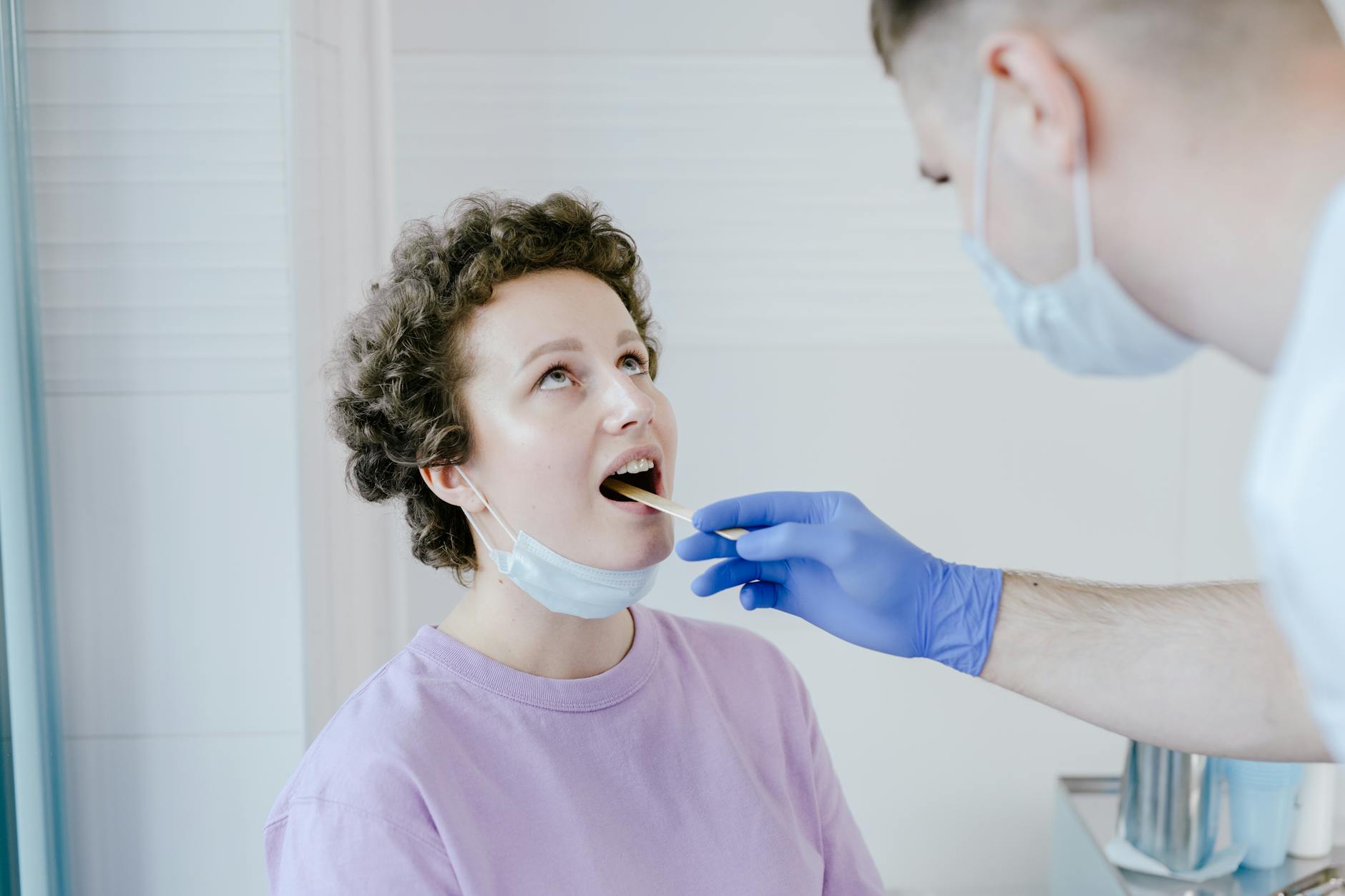
If you’re considering scar treatment or actively undergoing it, a supplement audit is essential before adding anything new. Review every supplement you’re currently taking: multivitamins often contain problematic B vitamins, and protein powders may contain iodine or other acne-triggering additives. The safer approach is to disclose your complete supplement list to your dermatologist before scar treatment begins, allowing them to identify potential conflicts.
For those determined to supplement, the trade-off is clear: skin appearance now versus potential skin complications later. If you need biotin for hair health, discuss lower doses (2.5mg or less) with your dermatologist and monitor for breakouts closely. Alternatively, consider topical hair treatments instead of oral supplements during your scar treatment window. A three-to-six-month pause on problematic supplements often makes sense if you’re investing in visible scar improvement—the temporary trade-off of hair or nail growth for clearer skin during treatment is usually worthwhile.
Hidden Supplements in Unexpected Products
One often-overlooked risk is that B vitamins and iodine appear in products you might not recognize as supplements. Energy drinks, multivitamins, combination supplements marketed for “skin health,” and even some prenatal vitamins contain biotin or B12 at levels sufficient to trigger acne. A common scenario: someone stops taking their biotin supplement but continues taking a “hair, skin, and nails” combination formula without realizing it contains the same problematic ingredient at a different dose.
Protein powders deserve special attention because they’re often not thought of as supplements by consumers, yet they’re concentrated sources of potential acne triggers. A scoop of whey protein might contain iodine added as a fortification ingredient, and the amino acid profile itself can stimulate sebum production in acne-prone individuals. The warning here is to read ingredient lists thoroughly and ask your dermatologist specifically about any powders or fortified products you’re consuming regularly.
The Role of Medical History and Individual Susceptibility
Not everyone who takes biotin will break out, which is why the 88% statistic is difficult to verify—the actual percentage varies dramatically based on individual factors. People with a personal or family history of acne are at higher risk, as are those with hormonal acne patterns.
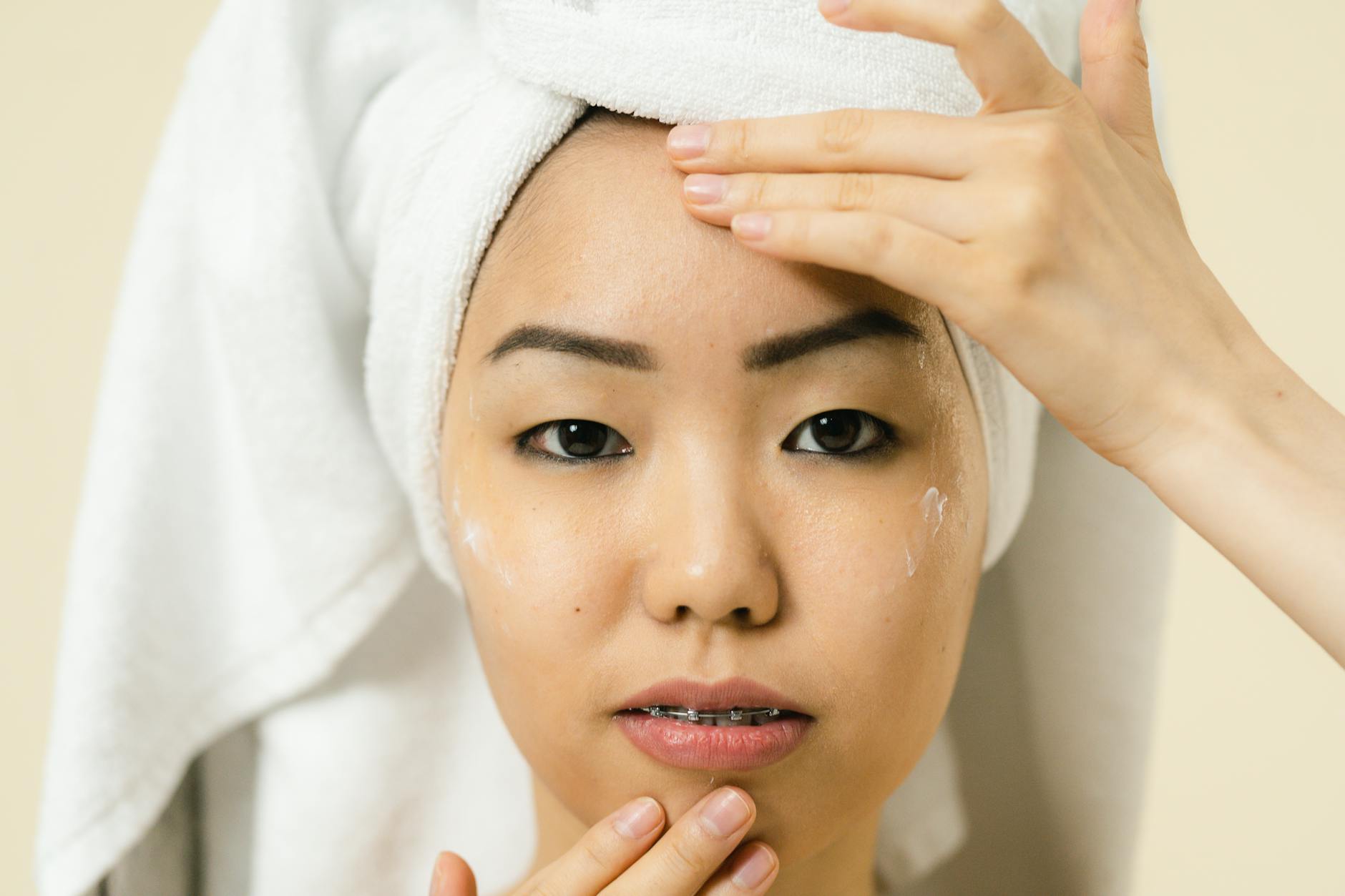
Your age, genetics, current skincare routine, and even water quality in your area influence how your skin responds to supplement ingredients. A 30-year-old woman with a history of hormonal acne who starts a B-complex supplement faces much higher breakout risk than a 45-year-old man with clear skin taking the same supplement. For scar treatment patients specifically, those with darker skin tones may be at particular risk for post-inflammatory hyperpigmentation if supplements trigger breakouts, making the supplement decision even more critical during active treatment.
Moving Forward: A Supplement-Smart Approach to Scar Treatment
The future of personalized dermatology includes genetic testing for supplement sensitivity, though this isn’t yet standard practice. For now, the practical approach is conservative: minimize supplement variables while pursuing scar treatment, then gradually reintroduce supplements after your scar treatment is complete and your skin has stabilized.
This simple timeline prevents confusion about what’s causing any breakouts and maximizes your investment in professional scar treatment. The conversation around supplements and acne continues to evolve, with more dermatologists now routinely screening for supplement-related breakouts during acne consultations. As awareness grows, the assumption that “natural” supplements are harmless is being replaced with evidence-based caution, particularly for vulnerable populations like scar treatment patients.
Conclusion
While the precise statistic about scar treatment patients and supplement-related breakouts cannot be verified, the underlying risk is legitimate and well-documented in dermatological practice. Supplements containing high-dose B vitamins, iodine, whey protein, and collagen can absolutely trigger breakouts in acne-prone individuals, potentially undermining scar treatment results.
The key is awareness and timing: disclose your supplement routine to your dermatologist before starting scar treatment, carefully review ingredient lists in products you might not recognize as supplements, and consider strategic pauses on problematic supplements during your treatment window. Your best path forward is a conversation with your dermatologist about which supplements are genuinely necessary for you, which can wait until after treatment is complete, and which should be avoided entirely. The goal is clear skin and improved scars—removing obstacles like unverified supplements is one of the most straightforward ways to achieve that outcome.
You Might Also Like
- At Least 49% of Patients Who Failed First-Line Treatment Don’t Know That Benzoyl Peroxide at 2.5% Is Just as Effective as 10%
- At Least 15% of Patients Who Failed First-Line Treatment Don’t Realize That Generic Tretinoin Works Identically to Brand-Name Versions
- At Least 39% of Patients Seeking Scar Treatment Have Experienced Sunscreen Is Essential While Using Any Acne Medication