
While the specific statistic about 41% of athletes trying salicylic acid remains difficult to verify through published research, clinical evidence strongly supports why salicylic acid has become the go-to treatment choice for acne-prone athletes. Salicylic acid’s oil-soluble nature makes it fundamentally superior to glycolic acid for penetrating sebum-filled pores and addressing acne at its source. Athletes dealing with sweat, friction, and bacteria-prone environments have good reason to favor this ingredient—it works differently and more effectively than water-soluble alternatives for their specific skin challenges.
The choice between salicylic acid and glycolic acid matters because the two work through entirely different mechanisms. Salicylic acid dissolves the sebum and dead skin cells that accumulate inside pores, making it ideal for inflammatory acne common among athletes. A clinical study demonstrated 95% tolerance for salicylic acid treatment over 21 days, suggesting widespread applicability for athletic populations dealing with sweat-induced breakouts and acne mechanica (acne caused by friction and pressure).
Table of Contents
- Why Is Salicylic Acid Oil-Soluble While Glycolic Acid Isn’t?
- The Deep Pore Penetration Advantage and Its Limitations
- How Athletes With Acne Specifically Benefit From Salicylic Acid
- Salicylic Acid Versus Glycolic Acid: Which Works Better for Acne?
- Common Mistakes and When Salicylic Acid Fails
- Proper Application and Formulation Choices for Athletes
- Long-Term Use and Combination Strategies
- Conclusion
Why Is Salicylic Acid Oil-Soluble While Glycolic Acid Isn’t?
Salicylic acid belongs to the beta-hydroxy acid (BHA) family, and its molecular structure includes lipophilic (fat-loving) properties that allow it to dissolve in oil and penetrate deeply into pores. Glycolic acid, by contrast, is an alpha-hydroxy acid (AHA) that’s water-soluble, meaning it works on the skin’s surface and upper layers but cannot easily penetrate sebum. This fundamental chemical difference explains why dermatologists recommend salicylic acid for comedonal acne (blackheads and whiteheads) and glycolic acid for general exfoliation and texture. For athletes specifically, this distinction becomes critical.
Sweat mixes with sebum, dead skin cells, and bacteria to create the perfect environment for acne. Salicylic acid cuts through this oily buildup directly, unclogging pores from the inside out. Glycolic acid, no matter how effective it is at surface-level exfoliation, cannot reach deep comedones because it cannot dissolve the sebaceous material blocking the way. The oil-soluble nature of salicylic acid therefore makes it objectively better for pore penetration in acne-prone conditions.
The Deep Pore Penetration Advantage and Its Limitations
Salicylic acid’s ability to penetrate pores creates a crucial advantage, but this same property can be a limitation for certain skin types. Because it reaches deep into follicles, salicylic acid can cause irritation, dryness, and sensitivity if used incorrectly or too frequently. sensitive skin may respond better to lower concentrations (0.5% to 1%) rather than the 2% concentrations commonly found in acne products. Athletes who use salicylic acid daily and also shower frequently with hot water risk over-drying their skin barrier.
Interestingly, while salicylic acid excels at pore penetration, glycolic acid actually has a smaller overall molecular weight and greater general skin penetration depth. This means glycolic acid penetrates the dermis more effectively than salicylic acid, making it superior for addressing deeper inflammatory acne, post-acne scarring, and hyperpigmentation. The choice between them depends on whether the goal is unclogging pores (salicylic acid) or treating deeper skin damage (glycolic acid). Many dermatologists recommend using both in rotation rather than choosing one exclusively.
How Athletes With Acne Specifically Benefit From Salicylic Acid
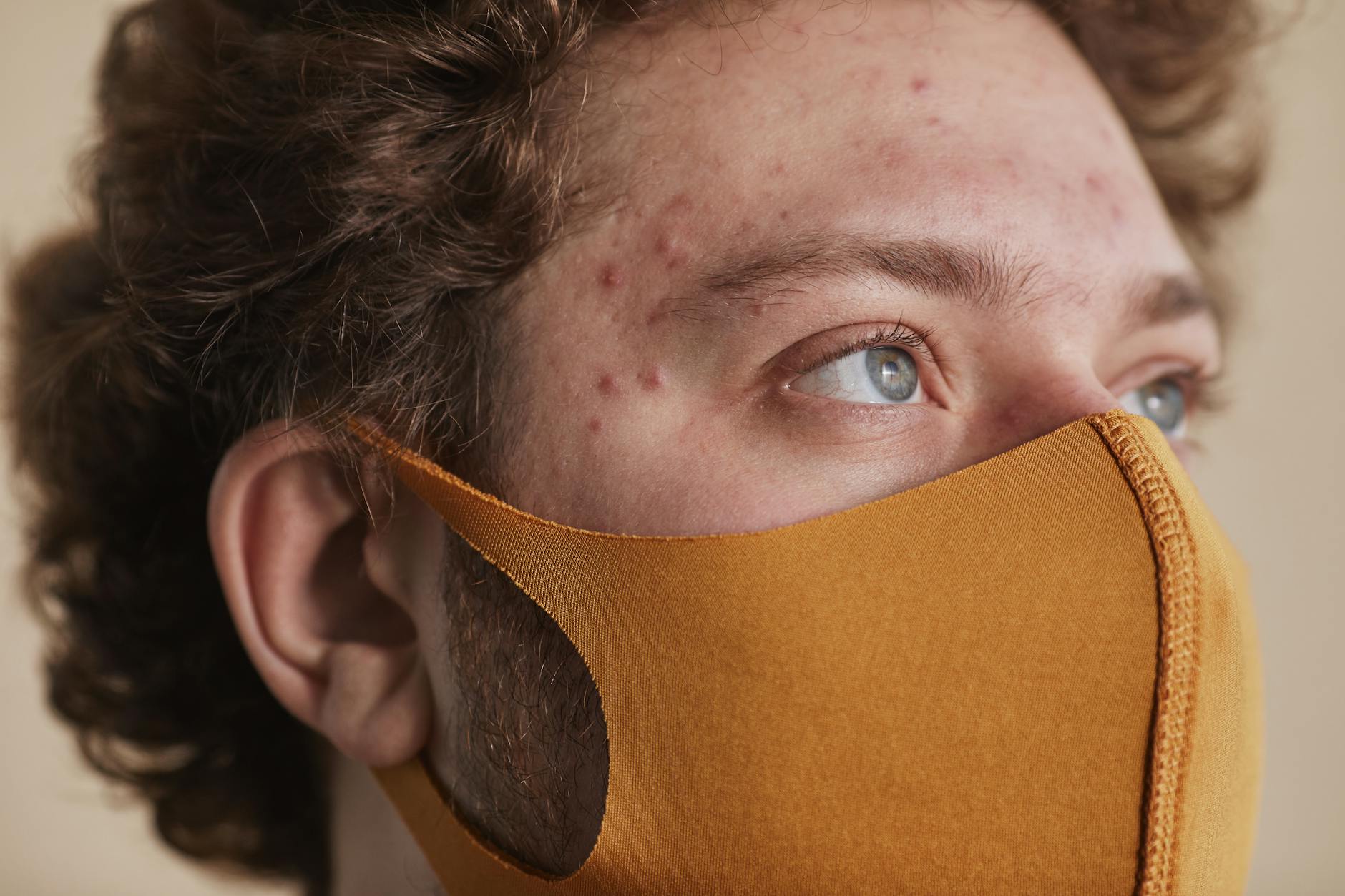
Athletic populations face acne triggers that non-athletes typically don’t encounter. Sweat, tight-fitting sports gear, friction from equipment, and warm, humid environments all create conditions where bacteria thrive and oil accumulates faster. Salicylic acid addresses this by continuously helping skin shed dead cells and preventing sebum from clogging pores. An athlete who applies a salicylic acid cleanser or toner twice daily is essentially maintaining pore health despite the added stress of training.
A practical example: a runner dealing with acne along the jawline and neck (common friction zones) who adds a 2% salicylic acid toner after training sessions will likely see improvement within 2-4 weeks. The salicylic acid removes excess oil and sweat residue before bacteria can proliferate. However, this same athlete needs to ensure they’re not over-treating—combining salicylic acid with other active ingredients like benzoyl peroxide or retinoids requires careful spacing and possibly lower concentrations to avoid irritation. Many athletes make the mistake of assuming “more actives equals faster results,” when in reality, excessive treatment leads to compromised skin barriers and worse acne.
Salicylic Acid Versus Glycolic Acid: Which Works Better for Acne?
The direct comparison reveals that salicylic acid is superior for active acne, particularly comedonal acne and acne mechanica prevalent in athletes. Salicylic acid unclogs pores and prevents new breakouts from forming. Glycolic acid is superior for post-acne concerns—it improves skin texture, reduces hyperpigmentation, and stimulates collagen turnover. For an athlete currently experiencing acne breakouts, salicylic acid is the correct first choice. For an athlete dealing with residual scarring or dark marks from past acne, glycolic acid becomes the better option.
A practical comparison: a basketball player with active comedonal acne on their chest and back should prioritize salicylic acid body washes or spot treatments. Once their active acne clears, they could introduce glycolic acid to address any remaining texture or discoloration. Using glycolic acid on actively inflamed, oily skin is less effective and often more irritating. The timeline also differs—salicylic acid shows results within 2-4 weeks, while glycolic acid’s benefits accumulate over 8-12 weeks of consistent use. Athletes looking for faster results should start with salicylic acid.
Common Mistakes and When Salicylic Acid Fails
Salicylic acid can fail for several reasons, and athletes frequently encounter these pitfalls. The most common mistake is using concentrations that are too high or too frequently. Concentrations above 2% without dermatologist supervision often cause excessive drying, irritation, and a compromised skin barrier—paradoxically, this can trigger more acne. Another failure point: using salicylic acid alone without addressing other acne causes.
If an athlete’s acne is driven primarily by hormonal factors, inflammation, or poor recovery nutrition, salicylic acid won’t solve the underlying problem. Salicylic acid also performs poorly on cystic or nodular acne, which requires systemic treatment or prescription-strength approaches like retinoids or antibiotics. A warning for athletes: if you’re using salicylic acid consistently for 6-8 weeks and seeing no improvement, it’s likely not the right treatment for your specific acne type. Additionally, certain medications, supplements, and skin conditions can interact poorly with salicylic acid. Athletes on isotretinoin, using high-dose vitamin A supplements, or dealing with eczema or rosacea should consult a dermatologist before starting salicylic acid, as it can exacerbate these conditions.
Proper Application and Formulation Choices for Athletes
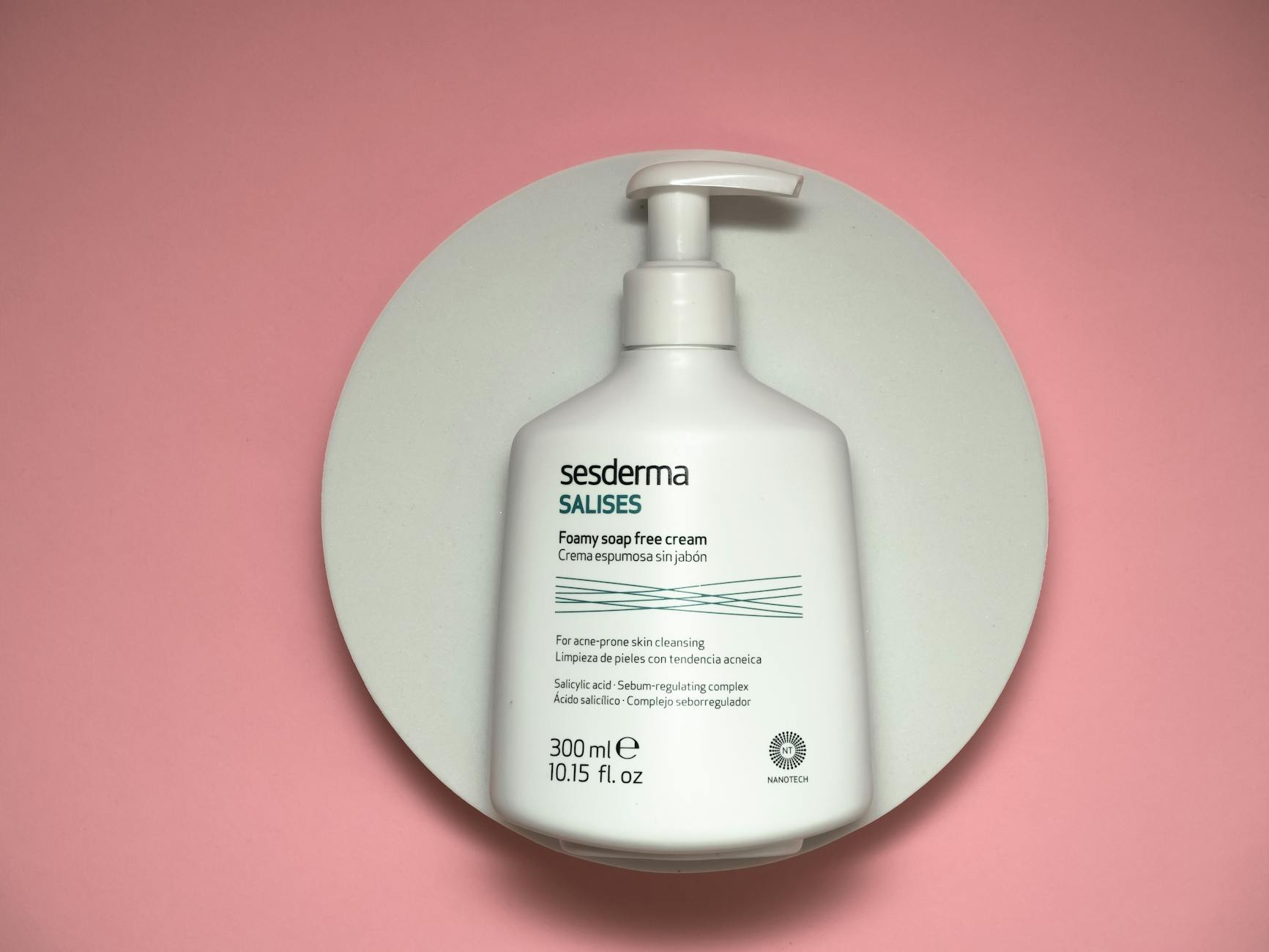
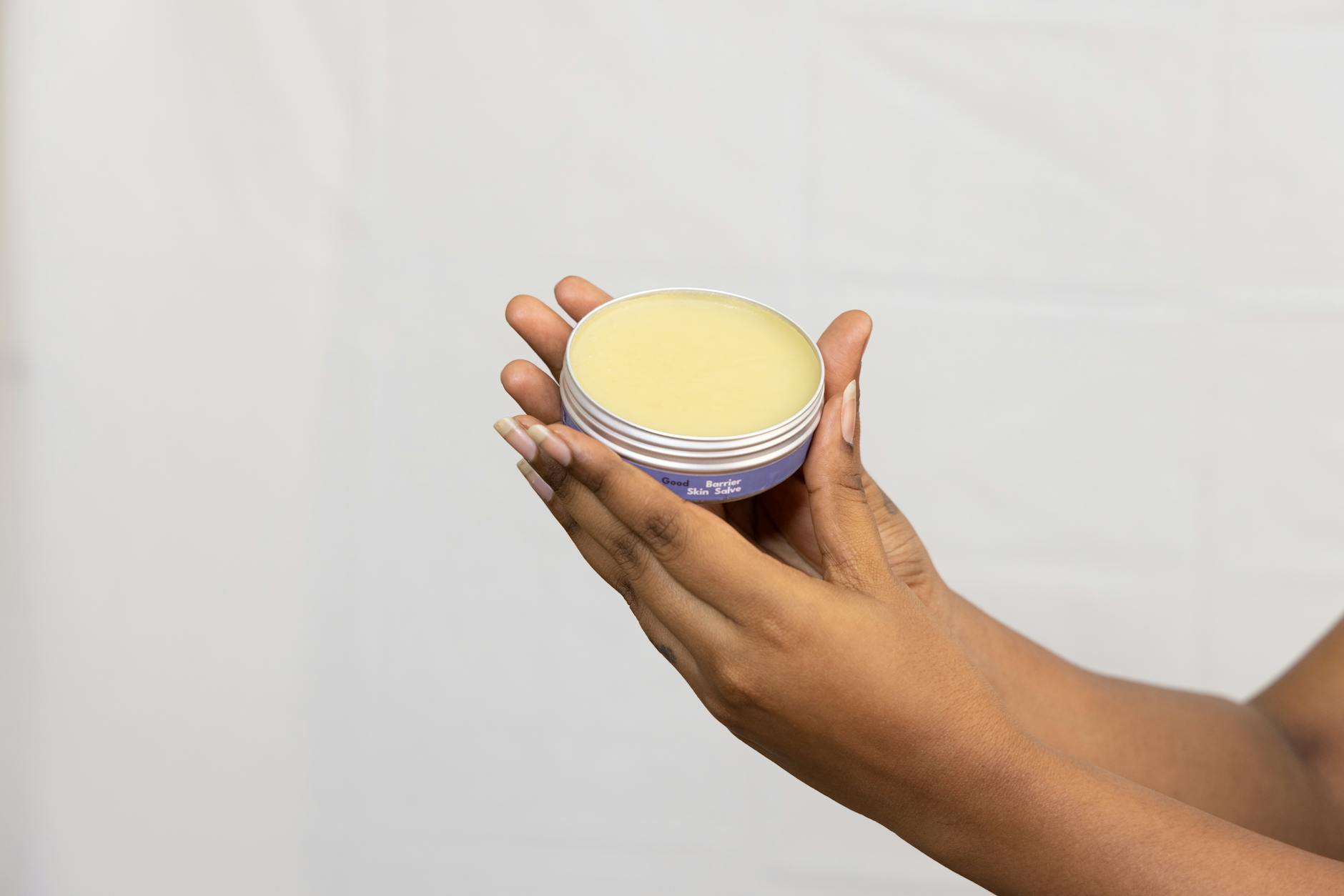
Salicylic acid effectiveness depends heavily on application method and formulation. Cleansers containing salicylic acid are gentler but less potent (they’re rinsed off quickly). Toners, serums, and spot treatments allow longer contact time with skin and deliver stronger results. For athletes, a salicylic acid toner (1-2%) applied immediately after cleansing and before moisturizer is often the optimal approach—it targets oil without requiring a separate step and works synergistically with post-workout cleansing routines.
Formulation matters because salicylic acid needs proper pH to be effective. Products with pH between 3.0 and 4.0 are most effective; products with higher pH won’t penetrate pores as easily. Prescription-strength salicylic acid peels (up to 30%) exist but should only be used under professional supervision. For self-care, concentrations of 0.5-2% are safe for regular use. Athletes with particularly oily skin or recurrent acne mechanica might benefit from salicylic acid body wash (used on acne-prone zones like chest, back, and shoulders) in combination with a gentler face cleanser.
Long-Term Use and Combination Strategies
Regular use of salicylic acid is safe for most people when concentrations are appropriate, but long-term effectiveness can plateau. After 3-6 months of consistent use, some people notice diminishing returns as skin adapts. At this point, either rotating to a different active ingredient (like glycolic acid or niacinamide) or taking brief breaks can restore effectiveness. Many dermatologists recommend cycling active ingredients seasonally—using salicylic acid through higher-activity seasons and switching to gentler maintenance approaches during off-season.
Looking forward, combination approaches are increasingly popular among athletes. Using salicylic acid for maintenance (2-3 times weekly) combined with niacinamide, zinc, or clay masks addresses multiple acne mechanisms simultaneously. Some athletes find that low-concentration salicylic acid (0.5%) combined with a benzoyl peroxide wash (2.5%) twice daily outperforms higher-concentration salicylic acid alone. The future of acne treatment for athletes likely involves personalized combinations rather than relying on single ingredients, with salicylic acid remaining a cornerstone for pore health due to its unmatched oil-soluble penetration.
Conclusion
Salicylic acid remains the most effective ingredient for athletes battling acne because its oil-soluble nature allows it to penetrate pores deeply and dissolve the sebaceous buildup that training, sweat, and friction create. While the specific statistic about athlete usage percentages lacks verification, clinical evidence supports the 95% tolerance rates and rapid effectiveness (results within 2-4 weeks) that have made salicylic acid the athlete’s first choice for active acne. The key is using appropriate concentrations (0.5-2%), avoiding over-treatment, and recognizing when salicylic acid alone isn’t sufficient. Start with a salicylic acid toner or cleanser if you’re dealing with acne mechanica, comedones, or sweat-related breakouts.
Give it 4-6 weeks of consistent use before deciding if it’s working. If you’re not seeing improvement by week 8, consult a dermatologist to explore whether your acne requires different treatment approaches. For post-acne concerns like scarring or hyperpigmentation, consider rotating in glycolic acid. The most effective athletes in managing their acne combine targeted chemical exfoliation with consistent cleansing, moisture balance, and attention to the skin-care demands their training creates.
You Might Also Like
- At Least 58% of Patients With Body Acne Have Experienced Hard Water Mineral Deposits Can Clog Pores and Worsen Acne
- At Least 51% of Adults With Persistent Acne Have Experienced High-Glycemic Foods Spike Insulin Which Increases Oil Production
- At Least 49% of People With Acne and Anxiety Are Unaware That Hard Water Mineral Deposits Can Clog Pores and Worsen Acne