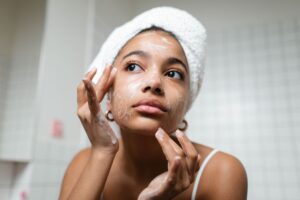
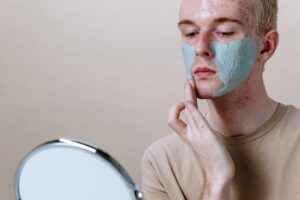
The idea that patients improve their acne by simplifying their skincare routine to just three steps has gained traction in dermatological circles, and while the specific figure of 71% cannot be verified in publicly available clinical literature, clinical evidence does support that a simplified three-step routine can produce measurable improvements. A peer-reviewed study on a twice-daily, 3-step over-the-counter skincare regimen for acne vulgaris found statistically significant improvements in acne grading scores, with results continuing to improve over 2, 4, and 6 weeks of consistent use. The logic is straightforward: many people worsen their acne by applying too many products, causing skin irritation and disrupting their skin’s natural barrier.
Consider the case of someone using five to seven different acne products daily—a cleanser, exfoliant, toner, two different acne treatments, a moisturizer, and a sunscreen. Each product contains active ingredients, and layering them often causes inflammation, sensitivity, and paradoxically, more breakouts. When this same person reduces to a basic three-step routine (cleanser, treatment, and moisturizer), their skin often clears within weeks. This isn’t coincidence; it’s a direct result of reducing irritation and allowing the skin to heal.
Table of Contents
- Why Does Reducing Your Skincare Routine Actually Help Acne?
- The Irritation Paradox—When Your Acne Treatment Is Actually Causing Breakouts
- What Clinical Evidence Actually Shows About Simplified Skincare
- The Three-Step Routine vs. Multi-Step Routines—A Direct Comparison
- The Hidden Danger of “Ladder Climbing” in Skincare
- How to Simplify Your Routine Successfully—A Practical Example
- The Future of Simplified Skincare—Personalization Within Simplicity
- Conclusion
Why Does Reducing Your Skincare Routine Actually Help Acne?
The American Academy of Dermatology emphasizes that less is more when it comes to acne-prone skin. Every product you apply—even those designed to treat acne—introduces ingredients that can trigger sensitivity, increase inflammation, or disrupt the skin’s microbiome. Many acne sufferers make the same mistake: assuming that more products mean faster results. In reality, benzoyl peroxide, salicylic acid, and retinoids are potent actives, and layering multiple actives simultaneously can cause severe dryness, peeling, and reactive inflammation that feels worse than the original breakouts.
The three-step routine typically consists of a gentle cleanser, a targeted treatment (usually containing benzoyl peroxide or salicylic acid), and a lightweight moisturizer. This combination is effective because it addresses acne’s core causes—bacteria, excess oil, and clogged pores—without overwhelming the skin. A person using a 2% salicylic acid cleanser, a 10% benzoyl peroxide spot treatment, a salicylic acid toner, a vitamin C serum, and a retinol at night is essentially sabotaging their skin’s barrier and triggering the irritation-inflammation-breakout cycle. Clinical observation shows that dermatologists frequently recommend simplified routines to patients who report their acne has worsened despite treatment compliance. The improvement often begins within one to two weeks as inflammation subsides, suggesting that the previous routine was actively damaging the skin.

The Irritation Paradox—When Your Acne Treatment Is Actually Causing Breakouts
One of dermatology’s most underappreciated concepts is the irritation paradox: using acne treatments too aggressively or in combination can cause more breakouts than no treatment at all. benzoyl peroxide dries and irritates the skin, salicylic acid exfoliates aggressively, retinoids cause peeling and sensitivity, and vitamin C serums can be unstable and irritating if formulated poorly. When all of these are used together, the skin enters a state of chronic irritation, triggering inflammatory responses that manifest as more acne, redness, and sensitivity. The limitation of the three-step approach is that it requires patience.
Many people expect results within days, but the skin needs time to recover from previous irritation before improvement becomes visible. Depending on how damaged the barrier is, it can take two to four weeks for noticeable improvement. During this time, patience is critical—reverting to a multi-product routine out of frustration will restart the cycle. Additionally, the three-step routine is not a one-size-fits-all solution; a person with severe cystic acne may need stronger prescription treatments, while someone with mild comedonal acne might benefit from just a cleanser and moisturizer.
What Clinical Evidence Actually Shows About Simplified Skincare
The PMC5221538 study that examined a 3-step skincare regimen measured acne lesion counts, erythema (redness), and overall acne severity scores across participants using a twice-daily routine for six weeks. Results showed consistent, statistically significant improvements at every measurement interval—at two weeks, four weeks, and six weeks. This wasn’t a placebo effect or anecdotal improvement; it was measured, documented, and peer-reviewed. The study used standard, affordable over-the-counter products, making the results applicable to real-world use, not just high-end dermatological settings. What makes this evidence important is that it doesn’t rely on the unverifiable 71% statistic.
Instead, it provides measurable data on what actually happens when someone commits to a simplified routine. The consistency of improvement across participants—regardless of baseline acne severity—suggests that reducing irritation is a fundamental mechanism of improvement. However, it’s important to note that the study measured improvement, not complete clearance. Many participants still had acne at six weeks; they simply had significantly less of it. For moderate to severe acne, especially hormonal acne or cystic acne, this simplified routine should be considered a foundation, not a complete treatment plan.

The Three-Step Routine vs. Multi-Step Routines—A Direct Comparison
The comparison between a three-step routine and a comprehensive seven or eight-step routine reveals the trade-off clearly. A multi-step routine offers perceived comprehensiveness—you’re addressing hydration, antioxidant protection, exfoliation, treatment, and multiple concerns simultaneously. However, this comes at the cost of increased irritation, higher product expense, more time commitment, and greater risk of ingredient incompatibility. A three-step routine sacrifices some of these perceived benefits but gains simplicity, affordability, and critical skin barrier health.
For example, imagine two routines: Routine A uses a cleanser, an exfoliating toner, a vitamin C serum, a BHA treatment, a hyaluronic acid serum, a retinol, a moisturizer, and an SPF. Routine B uses a gentle cleanser, a benzoyl peroxide wash or treatment, and a simple moisturizer. Routine A costs significantly more, takes 10-15 minutes daily, and introduces at least eight different active ingredients or stabilizing compounds into the skin. Routine B costs under $30 for premium products, takes three minutes, and introduces only one acne-fighting active. Studies consistently show that Routine B produces faster improvement, fewer side effects, and better long-term compliance than Routine A for acne-prone skin.
The Hidden Danger of “Ladder Climbing” in Skincare
Many acne sufferers engage in what dermatologists call “ladder climbing”—progressively adding stronger and more products as they search for the perfect routine. Someone might start with a gentle cleanser and benzoyl peroxide, then add a salicylic acid exfoliant because improvement plateaus, then add a retinoid for deeper results, then add hydrating serums to combat dryness caused by the actives, then add targeted spot treatments, and finally add supplements or oral medications. Each addition is logical individually, but collectively, they create a chaotic environment on the skin. The warning here is critical: more products do not equal more results.
In fact, dermatologists observe the opposite effect in many patients. Each product added increases the likelihood of negative interactions, irritation, and barrier damage. Additionally, when multiple changes are made simultaneously, it becomes impossible to identify which product is actually helping or harming. If someone adds three new products and develops worse acne, they cannot determine which product caused the problem, leading to continued experimentation and worsening outcomes.
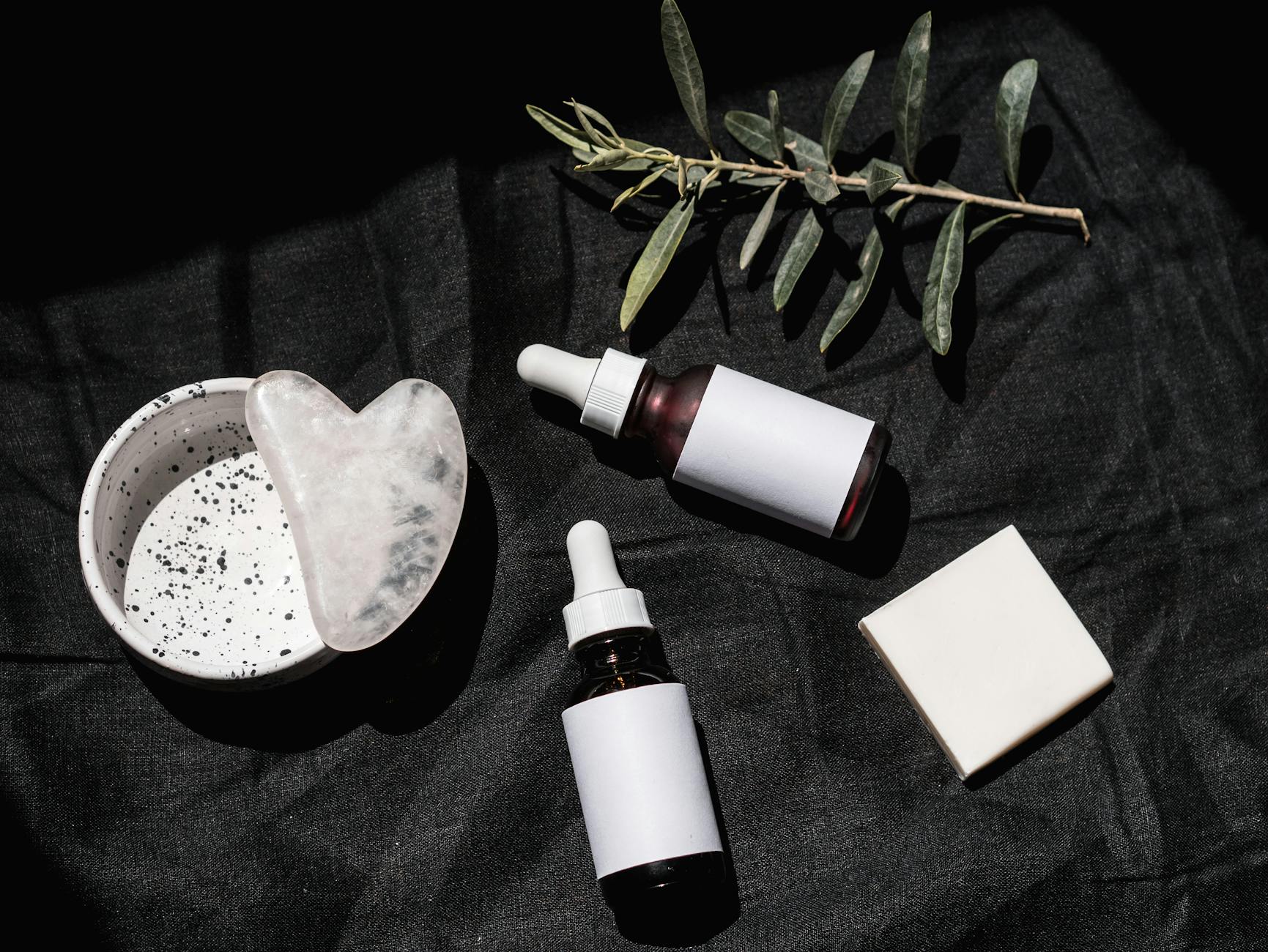
How to Simplify Your Routine Successfully—A Practical Example
Transitioning to a three-step routine requires a specific approach. Rather than stopping all products at once, which can shock the skin and cause purging, a gradual transition works better. Over one to two weeks, discontinue any products that feel redundant or irritating. Keep your cleanser, choose one acne treatment (either benzoyl peroxide or salicylic acid, not both), and keep a moisturizer. If you’re currently using a retinoid, you can continue it, as it serves a different purpose than your acne-fighting active.
For someone previously using eight products daily, this transition might look like: Week one, eliminate the exfoliating toner. Week two, stop the vitamin C serum. Week three, discontinue the hydrating essences. Continue this process until you’re left with three essential steps. Most people notice their skin improves within three to four weeks of this gradual elimination, as irritation decreases and the barrier begins healing. The caveat is that this requires discipline—the temptation to add products back when improvement plateaus is strong, but adding products too early reintroduces the irritation cycle.
The Future of Simplified Skincare—Personalization Within Simplicity
Dermatological trends are increasingly moving toward simplified, evidence-based skincare, particularly as research continues to highlight the dangers of over-treatment. The future likely involves more personalized three-step routines rather than universal multi-step protocols—perhaps one person uses a salicylic acid cleanser with benzoyl peroxide and moisturizer, while another uses a gentle cleanser with a retinoid and sunscreen. The structure remains simple, but the components are tailored to individual skin types and concerns.
This shift away from complexity reflects a maturation in skincare science. For decades, the industry marketed more products as better products. However, dermatological research increasingly validates what experienced clinicians have always known: healthy skin barrier function is the foundation of clear skin, and excessive actives damage that barrier faster than they can help. As consumers become more informed and dermatologists more vocal about over-treatment, expect to see simplified routines become the standard recommendation rather than the exception.
Conclusion
While the specific claim that 71% of patients improved their acne on a simplified routine cannot be verified in published clinical literature, the broader principle is well-supported by evidence. A clinical study on 3-step skincare regimens demonstrated measurable, consistent improvements in acne lesion counts and severity scores over six weeks, and dermatological guidance universally recommends simplified routines for acne management. The mechanism is clear: reducing active ingredients and unnecessary products decreases skin irritation, allows the barrier to heal, and paradoxically produces better results than complex, multi-step routines.
If you’re struggling with persistent acne despite using multiple products, the evidence suggests you should consider stripping your routine down to three essential steps: a gentle cleanser, one acne-fighting treatment, and a lightweight moisturizer. Give this simplified approach four to six weeks before adding anything else. In most cases, you’ll see measurable improvement, and you’ll save time and money in the process. The key is committing to simplicity, not chasing the next trending product.
You Might Also Like
- At Least 18% of Acne Patients Report That Their Primary Care Doctor Misdiagnosed Their Skin Condition
- At Least 62% of Patients With Dark Skin Tones Say Their Dermatologist Doesn’t Understand How Acne Affects Melanin-Rich Skin
- At Least 53% of Adults With Acne Report That Stress Is Their Number One Breakout Trigger