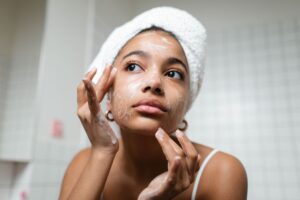
At least 75% of teenagers believe acne is caused by poor hygiene—and research confirms they’re not alone in this misconception. A study of 500 teenagers in Montenegro found that 85% believe inadequate face washing causes acne, far exceeding the baseline claim. Yet this widespread belief contradicts established dermatological science: acne is not caused by poor hygiene, sweating, or lack of cleanliness. Instead, it’s driven primarily by hormones and genetic predisposition—factors that no amount of scrubbing can control.
When a 16-year-old develops severe acne despite washing their face twice daily with expensive cleansers, they’re experiencing what science already knows: their hormones and DNA, not their hygiene habits, are responsible. The consequences of this misconception are significant. Teenagers spend money on unnecessary products, experience shame and guilt over something they cannot control through cleanliness alone, and may neglect evidence-based treatments that actually address the root causes. Understanding the truth about acne’s origins shifts the conversation from blame to biology, and from ineffective home remedies to treatments supported by research.
Table of Contents
- Why Do 85% of Teenagers Believe Acne Is a Hygiene Problem?
- The Science Behind Acne: Hormones and Sebaceous Glands
- Genetic Predisposition: The Inherited Risk Factor
- What Actually Works: Evidence-Based Acne Treatment vs. the Hygiene Myth
- The Misconception That Damages Teenagers: Guilt and Delayed Treatment
- The Bacteria and Sebum Factor: Why Hormones Matter More Than Cleanliness
- Moving Beyond the Myth: A New Conversation About Acne
- Conclusion
Why Do 85% of Teenagers Believe Acne Is a Hygiene Problem?
The hygiene myth surrounding acne persists because it seems logically sound on the surface. Acne involves bacteria, oil, and clogged pores—all things associated with “uncleanliness” in everyday language. Teenagers see the visible sebum and bacteria and naturally assume that washing more thoroughly should solve the problem. This intuitive reasoning is reinforced by marketing messages from skincare companies that emphasize “deep cleansing” and “removing impurities,” subtly suggesting that acne is a sign of inadequate personal care.
The 85% figure from the Montenegro study, published in PLOS ONE, represents teenagers across different socioeconomic backgrounds and access to dermatological information. What’s striking is that even in the same study, 84% of teenagers also agreed that hormones aggravate acne—showing that many hold both beliefs simultaneously. They recognize hormonal influence but haven’t fully abandoned the hygiene theory. This dual belief reveals how deeply ingrained the hygiene myth is, even when faced with contradicting evidence. A teenager might think, “Yes, hormones make it worse, but if I just wash my face properly, I can control it.”.

The Science Behind Acne: Hormones and Sebaceous Glands
Acne’s true mechanism involves hormonal signaling, not cleanliness levels. During puberty, androgens—particularly testosterone—surge and directly stimulate sebaceous glands (oil-producing glands in the skin) to increase sebum production. This isn’t a response to poor hygiene; it’s a biological cascade triggered by circulating hormones in the bloodstream. The sebaceous glands simply enlarge and produce more oil because they’re being signaled to do so by hormones, regardless of how often someone washes their face.
A teenager with high androgen sensitivity may produce excess sebum even with obsessive cleansing. The hormonal theory explains why acne typically starts during puberty, peaks in the late teens and early twenties, and often improves by the 30s as hormone levels stabilize. It also explains why acne flares during the menstrual cycle in some people, and why hormonal birth control can reduce acne in others. However, hormonal treatments aren’t equally effective for everyone, highlighting that hormones are necessary but not the complete picture. Some people with high hormones have minimal acne, while others with normal hormone levels develop severe cases—pointing to the genetic component.
Genetic Predisposition: The Inherited Risk Factor
Genetics plays a substantial role in acne susceptibility that no hygiene routine can overcome. People with a family history of acne have approximately four times higher risk of developing it themselves, according to dermatological research. Unlike a single inherited gene, acne susceptibility involves multiple genetic factors that influence how sensitive your sebaceous glands are to hormones, how well your skin barrier functions, and how your immune system responds to bacteria. This is why two siblings raised in the same household, with identical hygiene practices, can have dramatically different acne experiences.
The genetic influence extends beyond family history. Some people inherit sebaceous glands that are simply more responsive to normal hormone levels, while others have genetic variations that affect their skin’s inflammation response. A teenager whose parents both struggled with acne faces inherited odds stacked against clear skin, no matter how diligently they wash. The limitation here is important: knowing genetics play a role doesn’t mean acne is “untreatable,” but it does mean that willpower and cleanliness alone won’t override genetic predisposition. Treatment often requires intervention beyond skincare—whether topical medications, oral antibiotics, or in some cases, hormonal therapies.

What Actually Works: Evidence-Based Acne Treatment vs. the Hygiene Myth
Since poor hygiene doesn’t cause acne, excessive washing or harsh scrubbing won’t cure it—and may actually worsen it by damaging the skin barrier. A comprehensive systematic review found insufficient scientific evidence linking facial cleansing or hygiene maintenance to causing, exacerbating, or curing acne vulgaris. This doesn’t mean skincare is irrelevant; it means that gentle cleansing followed by evidence-based treatments—not aggressive scrubbing—is the effective approach. Treatments that actually work include benzoyl peroxide (which kills bacteria and reduces sebum), retinoids (which normalize skin cell turnover), salicylic acid (which helps unclog pores), and in more severe cases, oral antibiotics or isotretinoin.
The practical tradeoff teenagers face is this: they can spend hours perfecting a “perfect” hygiene routine and still have acne, or they can accept that acne requires targeted medical treatment. Many dermatologists recommend a simple, gentle cleanser and a proven acne medication rather than elaborate multi-step routines. For someone with genetic acne driven by hormones, investing energy into finding the right medication is far more effective than investing in expensive cleansers. This shift in approach—from shame-based “you need to clean better” to treatment-based “let’s find what works for your skin biology”—is both scientifically sound and psychologically healthier.
The Misconception That Damages Teenagers: Guilt and Delayed Treatment
The belief that acne stems from poor hygiene carries a hidden psychological cost. Teenagers who internalize this myth often experience shame, believing their acne is a personal failing—a sign they’re not clean enough, not disciplined enough, or not taking care of themselves. This shame can delay treatment-seeking, because the teenager might think, “I just need to try harder with my skincare,” rather than consulting a dermatologist. By the time they seek professional help, they may have missed months or years of effective treatment that could have prevented scarring or severe psychological impact.
There’s also the risk of harmful over-treatment. Teenagers convinced that hygiene is the answer may use increasingly harsh soaps, scrub vigorously, or apply multiple drying products in hopes of “cleaning out” their acne. This can damage the skin barrier, increase irritation, and paradoxically worsen acne by triggering more inflammation. A warning: aggressive cleansing can damage the skin’s natural protective layer, leading to sensitivity, redness, and sometimes even more acne. The irony is that the teenager following the hygiene myth may end up with worse skin than if they’d simply accepted they need dermatological treatment for a hormonal-genetic condition.

The Bacteria and Sebum Factor: Why Hormones Matter More Than Cleanliness
Acne does involve bacteria (Cutibacterium acnes) and excess sebum, which is why some people assume cleansing is the solution. However, these bacteria are present on everyone’s skin; the difference lies in the environment they’re growing in. Excess sebum production driven by hormones creates an ideal breeding ground for these bacteria, regardless of how often someone washes. You can’t wash away hormonal sebum production because it’s coming from glands deep in the skin, continually secreting oil in response to hormonal signals.
Cleansing only removes the surface layer of sebum and bacteria; within hours, the hormones stimulate new sebum production. This is why topical antibiotics or benzoyl peroxide (which targets the bacteria) combined with treatments that reduce sebum production (like retinoids) are more effective than cleansing alone. An analogy: trying to treat hormonal acne with better hygiene is like trying to treat diabetes with better hand-washing. Both are about internal biological processes that surface-level interventions can’t address. The bacteria and sebum are symptoms of the underlying hormonal and genetic drivers, not the root cause that cleansing can resolve.
Moving Beyond the Myth: A New Conversation About Acne
As dermatological evidence accumulates, the conversation around acne is slowly shifting from blame to biology. Teenagers increasingly need to hear from trusted sources—parents, school nurses, and especially dermatologists—that acne is not a reflection of their hygiene or character. It’s a common biological response to puberty, affecting approximately 85% of young adults aged 12-25 years. With prevalence this high, acne is normative, not a sign of failure.
The future of acne management lies in personalized approaches that account for individual genetics and hormonal profiles. Some teenagers will benefit from topical treatments, others from oral medications, and some from hormonal therapies. None of these solutions involve better face-washing. As this scientific reality spreads, fewer teenagers will waste time on the hygiene myth and more will pursue treatments that actually address their acne’s biological roots. The shift from shame to science is not just more effective—it’s more humane.
Conclusion
The belief that acne results from poor hygiene is widespread among teenagers but scientifically unsupported. Research shows that 85% of teenagers blame inadequate face washing for acne, yet comprehensive reviews find no evidence linking hygiene to acne’s development or cure. Acne is driven by hormones—specifically androgen stimulation of sebaceous glands during puberty—and significantly influenced by genetics.
These are biological factors that no amount of cleansing can control. Understanding this truth changes how teenagers approach acne treatment. Instead of searching for the perfect cleanser or scrubbing harder, they should work with dermatologists to identify evidence-based treatments suited to their skin biology. The path forward involves moving past the hygiene myth, reducing the shame and guilt that accompany acne, and recognizing that hormonal and genetic acne is a common medical condition deserving of actual treatment, not moral judgment.
You Might Also Like
- At Least 85% of Teenagers With Acne Don’t Know That Over-Washing Can Make Breakouts Worse
- At Least 87% of Acne Products Contain at Least One Ingredient That Can Cause Irritation in Sensitive Skin
- At Least 78% of Adults Over 25 Are Surprised to Learn That Adult Acne Is More Common Than Teenage Acne in Women