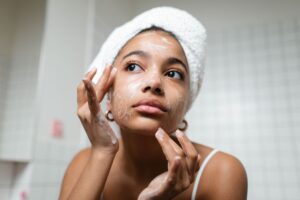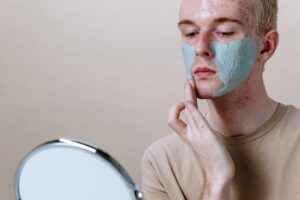
The statistic is striking, and it catches many people off guard: adult acne is actually more common than teenage acne in women. At least 78% of adults over 25 are surprised to learn this fact, according to recent research. Most people grow up assuming that acne is a rite of passage of adolescence—something that clears up naturally once your teenage years end. But the reality is far different. For millions of women, acne doesn’t disappear after the school dances and prom dates. Instead, it emerges or persists well into their 20s, 30s, 40s, and beyond.
This misconception shapes how adults approach their skin health. A 30-year-old woman dealing with breakouts for the first time might believe something is wrong with her, or assume she’s not caring for her skin properly. In reality, she’s part of a majority. Adult acne, particularly in women, is the norm rather than the exception. Sarah, a marketing manager, developed severe cystic acne at 28 after having clear skin throughout her teenage years—a common pattern that left her confused about why her skin was suddenly rebelling. Understanding the prevalence of adult acne is the first step toward addressing it effectively. When you know that your experience is shared by millions of other adults, the shame or frustration often diminishes, and you can focus on finding real solutions.
Table of Contents
- Why Is Adult Acne More Common Than Teenage Acne in Women?
- The Hormonal Reality Behind Adult Female Acne
- Adult Acne Triggers That Teenagers Don’t Usually Face
- Treatment Approaches for Adult Acne Are Different From Teenage Acne
- The Psychological Impact of Adult Acne Often Exceeds Teenage Acne
- How Social Media and Marketing Have Perpetuated the Teenage Acne Myth
- The Future of Adult Acne Treatment and Prevention
- Conclusion
Why Is Adult Acne More Common Than Teenage Acne in Women?
The surprising prevalence of adult acne in women stems from hormonal complexity that doesn’t resolve with age. While teenage acne is primarily driven by puberty’s hormonal surge—specifically androgens that increase oil production—adult acne is triggered by a different set of hormonal shifts. Menstrual cycles, pregnancy, perimenopause, and even stress-related cortisol fluctuations all influence adult skin. This means that a woman’s acne can persist through her 20s and 30s as her body navigates these ongoing hormonal changes, whereas a teenage boy’s acne typically improves as his hormone levels stabilize. Additionally, adult skin has accumulated years of environmental damage, product buildup, and inflammatory factors. The cumulative effect of sun exposure, pollution, and years of skincare products creates a different acne landscape than teenage skin experiences.
Where a 16-year-old’s acne might respond quickly to basic cleansing and benzoyl peroxide, a 35-year-old’s acne often involves deeper inflammatory patterns that require targeted, sophisticated treatment approaches. studies show that adult women account for a significant portion of acne cases, while the percentage of affected teenage girls has remained relatively stable or even declined slightly as skincare awareness has improved. Lifestyle factors unique to adulthood also play a role. Stress from work and relationships, irregular sleep patterns, dietary choices, and the cumulative effects of birth control use all influence adult acne in ways that teenage acne usually doesn’t encounter. A woman starting a high-stress job might develop acne for the first time in years, not because she’s suddenly neglecting her skin, but because her body is responding to chronic stress with increased sebum production and inflammation.

The Hormonal Reality Behind Adult Female Acne
Hormonal acne in adult women follows patterns that are distinctly different from teenage acne, and recognizing these patterns is crucial for effective treatment. Many adult women notice their acne flares around their menstrual cycle—usually in the week or two before their period, when progesterone rises and sebum production increases. This cyclical pattern is a hallmark of adult acne that teenagers rarely experience in such a pronounced way. For some women, hormonal acne is their only acne concern; for others, it’s a component of a larger acne picture that also includes comedonal acne or bacterial acne. One important limitation to understand is that traditional acne treatments don’t always work well for purely hormonal acne. A prescription retinoid or antibiotic might help with bacterial acne, but they may not fully resolve acne that’s driven by hormonal fluctuations.
Women with severe hormonal acne sometimes need to address the underlying hormonal issue through birth control, spironolactone, or other hormonal medications—not just topical or oral antibiotics. This represents a fundamentally different treatment approach than what works for teenage acne, which typically responds well to conventional acne medications. Perimenopause and menopause introduce another hormonal complexity. As estrogen declines in the years leading up to menopause, some women experience their worst acne ever, even if they had clear skin for decades. Others find that their acne finally clears once they reach postmenopause. The unpredictability of how hormonal changes will affect individual skin is a key challenge in managing adult acne. A woman cannot simply assume that her acne will improve with time, as it might have in her teenage years.
Adult Acne Triggers That Teenagers Don’t Usually Face
Adult life introduces acne triggers that are specific to adult responsibilities and circumstances. Career stress is a significant factor—the ongoing pressure of meetings, deadlines, and workplace politics creates chronic stress that elevates cortisol levels, which in turn increases sebum production and skin inflammation. A woman starting a demanding job in her late 20s might develop acne that persists until she changes roles or learns to manage stress differently. This type of acne is almost impossible for teenagers to experience because they’re not under the same type of chronic workplace stress. Birth control represents another uniquely adult factor. While some hormonal birth controls improve acne, others make it worse. A woman switching to a different pill at 26 might trigger an acne breakout that she hasn’t experienced since adolescence.
The relationship between birth control and acne is complex and highly individual—the pill that cleared a friend’s skin might worsen yours. This represents a treatment variable that teenagers typically don’t navigate, making adult acne management more complicated. Dietary patterns and nutrition also shift in adulthood. A woman eating a college cafeteria diet of processed foods might have had acne then, but clearing it up through better nutrition in her 20s. Later, stress eating or changes in diet can trigger acne again. Additionally, the emergence of food sensitivities with age—or changes in how your body processes certain foods—can directly influence breakouts. Some women find that dairy, high-glycemic foods, or excess sugar triggers their acne; these sensitivities often emerge in adulthood rather than during the teenage years.

Treatment Approaches for Adult Acne Are Different From Teenage Acne
The treatment strategy for adult acne must account for skin that has different characteristics than teenage skin. Adult skin is often more sensitive, more prone to irritation, and more concerned with anti-aging ingredients than teenage skin. A treatment plan that aggressively dries out the skin might work fine for a 16-year-old but could damage a 40-year-old’s skin barrier, worsening both acne and visible signs of aging. This means adult acne treatment often requires a more nuanced, combination approach—blending acne-fighting ingredients with hydrating and anti-aging components. Retinoids, for example, are extremely effective for adult acne, but they require careful introduction and monitoring in ways that might not be necessary for teenage acne. A dermatologist treating an adult woman with acne will often recommend starting with a lower-strength retinoid, building tolerance gradually, and pairing it with hydrating products.
In contrast, a teenager might tolerate a stronger retinoid without the same precautions. Additionally, adult acne treatment must sometimes address the root hormonal cause through medications like spironolactone or birth control adjustment, whereas teenage acne treatment rarely involves these systemic hormonal approaches. The timeline for results also differs. Adult acne, particularly hormonal acne, can take 3 to 6 months to show significant improvement, even with appropriate treatment. This is longer than the typical 2 to 3 months it might take for teenage acne to respond to basic treatments. The patience required for adult acne treatment is substantial, and many adults give up on treatments before they’ve had adequate time to work.
The Psychological Impact of Adult Acne Often Exceeds Teenage Acne
While teenage acne is socially distressing, adult acne often carries a different psychological burden. A teenager with acne is surrounded by peers who are also dealing with skin issues, making it feel normalized. An adult woman with acne, by contrast, often feels isolated—particularly if she had clear skin as a teenager and assumed acne would never affect her. The surprise and sense of unfairness can be significant. Additionally, adult acne appears at a time when women are often more concerned about professional appearance, dating, and self-image than they might have been in their teens. A critical warning about adult acne is that it can lead to serious psychological effects including anxiety, depression, and social withdrawal.
Studies have documented that adult women with acne report higher levels of depression and lower quality of life than teenagers with acne. The shame can be amplified by the false belief that acne is a teenager’s problem and that having it as an adult means you’re not caring for yourself properly. This misconception is damaging and inaccurate. Adult acne is not a sign of poor hygiene or poor skincare—it’s often a sign of normal physiological and hormonal processes. Seeking professional help, whether from a dermatologist or therapist, can be important for adults dealing with moderate to severe acne. The psychological component should not be minimized or ignored as superficial. For some women, acne significantly impacts their quality of life and self-confidence, and addressing it medically is a legitimate health priority.

How Social Media and Marketing Have Perpetuated the Teenage Acne Myth
The cultural narrative around acne has been shaped largely by marketing and media that focus heavily on teenage acne. Skincare companies have historically targeted teenagers and young adults, creating the impression that acne is a problem that should be solved by your early 20s. This narrative is reinforced by social media, where filtered, edited images present an unrealistic standard of adult skin.
Women scrolling through Instagram see 35-year-old influencers with flawless skin and internalize the belief that adult acne is abnormal or shameful. In reality, the prevalence of adult acne means that many of those polished Instagram accounts belong to women using professional makeup artists, filters, or dermatological treatments that aren’t immediately visible. This creates a distorted perception of what normal adult skin looks like. When a woman develops acne at 30, her brain compares her skin to these idealized images and concludes something is wrong with her, when in fact she’s experiencing a completely normal physiological process that affects the majority of adult women.
The Future of Adult Acne Treatment and Prevention
As awareness grows about the prevalence of adult acne, the skincare and dermatological industries are increasingly tailoring treatments specifically for adult skin. New approaches combine acne-fighting ingredients with anti-aging and skin barrier support, acknowledging that adults need treatments that address multiple skin concerns simultaneously. Ongoing research into the hormonal triggers of adult acne is also opening new treatment possibilities, moving beyond the traditional approaches that worked well for teenage acne.
The conversation around adult acne is also shifting toward destigmatization and normalization. As more women openly discuss their adult acne experiences, the surprise and shame associated with it diminish. This cultural shift, combined with advancing dermatological treatments, means that adults dealing with acne today have more options and more support than previous generations.
Conclusion
The statistic that 78% of adults over 25 are surprised to learn that adult acne is more common than teenage acne in women reflects a significant gap between reality and perception. Adult acne is not an anomaly or a sign of failure—it’s a common, often predictable response to the hormonal, environmental, and lifestyle factors that are unique to adult life. Understanding this prevalence is the crucial first step toward addressing adult acne with the right treatment approach and without unnecessary shame or self-judgment. If you’re an adult woman dealing with acne, know that your experience is shared by millions.
Whether your acne is driven by hormones, stress, lifestyle factors, or a combination of these, effective treatments exist. The key is working with a dermatologist who understands adult acne and can develop a treatment plan tailored to your specific situation—not a one-size-fits-all teenage acne approach. Start by documenting your acne patterns, noting when breakouts occur in relation to your menstrual cycle or major life stressors, and bring this information to your dermatology appointment. Clear skin is possible at any age, but it often requires a different strategy than what worked in your teens.