Yes, the vast majority of people have tried popping a pimple. According to a survey of 2,000 American women commissioned by Truly Beauty, over 80% of women admit to popping pimples—and those who do pop them an average of 65 times per year. But dermatologists are clear: it’s one of the worst things you can do for your skin.
When you squeeze a pimple with your fingers, you’re bypassing every natural defense your skin has, damaging its protective barrier, pushing bacteria deeper into the skin, and triggering inflammation that leads to more severe breakouts, prolonged healing, and permanent scarring. This article explores why so many people pop pimples despite knowing better, what damage actually happens beneath the surface, the alarming “Triangle of Death” warning dermatologists have been emphasizing, and what you should do instead. We’ll also look at whether there’s ever a truly safe way to extract a pimple, and what the timeline for recovery and scarring really looks like.
Table of Contents
- Why Do So Many People Pop Pimples If Dermatologists Say Not To?
- What Actually Happens Inside Your Skin When You Pop a Pimple?
- The “Triangle of Death” Warning Dermatologists Are Now Emphasizing
- How Long Does the Damage Last After You Pop a Pimple?
- Why Cystic Acne Is Especially Dangerous to Pop
- What You Should Do Instead of Popping
- Is There Any Safe Way to Pop a Pimple at Home?
- Conclusion
Why Do So Many People Pop Pimples If Dermatologists Say Not To?
The simple truth is that popping feels immediate and satisfying in a way that “doing nothing” or “wait for it to heal” doesn’t. When you see a whitehead, the temptation to squeeze is almost irresistible—and that’s because the visible buildup creates genuine pressure and irritation. You’re not imagining the desire; your skin actually is inflamed and uncomfortable, and popping provides instant psychological relief, even if it causes damage you can’t see yet.
The 80% statistic reveals something important: this isn’t a niche behavior or a sign of poor skincare habits. It’s what the majority of people do, especially women. The pressure to have clear skin, combined with the visual and tactile trigger of a visible blemish, overrides what most people know (intellectually) is a bad idea. The problem is that the immediate gratification of seeing a whitehead disappear completely masks the weeks of damage that follow—redness, swelling, potential scarring, and new breakouts that result from bacteria being driven deeper into the skin.

What Actually Happens Inside Your Skin When You Pop a Pimple?
According to the American Academy of Dermatology, popping a pimple ruptures the follicle wall and forces bacteria, sebum, and dead skin cells deeper into the surrounding tissue. Your skin barrier is designed to keep bacteria out and moisture in; when you puncture it with a fingernail or squeeze, you’ve breached that defense. The pressure you apply doesn’t just remove the contents of the pimple—it drives infected material into the dermis, the deeper layer of skin where it causes inflammation and can trigger new acne lesions nearby. This is where scarring enters the picture. The deeper the bacteria travels, the more severe the inflammatory response.
Pitted scars, which are the most common type of acne scars, form when the skin heals from deep inflammation. The collagen that rebuilds the skin underneath doesn’t fully restore the original structure, leaving a depression. Once a scar forms, professional treatments like microneedling, laser therapy, or fillers are often needed to improve appearance. The lesson: preventing the scar in the first place is infinitely easier than treating it later. However, if a pimple is already infected or showing signs of cystic acne (deep, painful, no white center), the damage risk is significantly higher, which is why dermatologists are especially adamant about not touching these.
The “Triangle of Death” Warning Dermatologists Are Now Emphasizing
In early 2026, dermatologists began circulating urgent warnings about the dangers of popping pimples in a specific facial area: the zone from the bridge of the nose down to the corners of the mouth. This area is called the “Triangle of Death” because of its unique blood vessel and nerve pathways that connect directly to the brain. The concern isn’t theoretical—a viral case highlighted the real risks when a woman developed extreme facial swelling after attempting to pop what she thought was a small cystic pimple beneath her nostril. The swelling was severe and required medical attention.
The reason this area is particularly dangerous relates to how infections spread in the face. The veins in this region drain toward the brain without the valves that exist elsewhere in the circulatory system. If bacteria from a popped pimple enters these veins, it can travel directly to the brain and cause serious infections like meningitis or cavernous sinus thrombosis. You don’t need to have a serious infection for complications to occur—even a minor infection in this zone can cause significant facial swelling and systemic symptoms. This makes the Triangle of Death rule simple: don’t pop pimples in this area under any circumstances, and if a blemish appears there, see a dermatologist instead.

How Long Does the Damage Last After You Pop a Pimple?
The timeline for recovery after popping varies depending on how deep the inflammation goes. A superficial pimple that you pop might settle down in 7 to 10 days, but the redness and irritation often linger for weeks. Post-inflammatory erythema (the red mark left behind) can take 3 to 6 months to fade completely, especially if you have fair skin. For people with darker skin tones, post-inflammatory hyperpigmentation—brown or darker marks—often appears instead of red marks, and these can take up to 2 years to fully disappear.
This means that a moment of satisfaction from popping a pimple can result in a visible blemish or mark that lasts for months or years. Scarring, of course, is permanent without professional intervention. If the popping caused significant inflammation or if you’ve picked at the same spot multiple times, collagen damage occurs and a pitted scar forms. The longer scarring persists and the deeper it is, the more aggressive the professional treatment needs to be. Someone who popped pimples regularly throughout their teenage years and early twenties might find themselves spending thousands of dollars on laser treatments or microneedling in their thirties to correct damage that was preventable.
Why Cystic Acne Is Especially Dangerous to Pop
Cystic acne is a different beast entirely. These are large, painful bumps that sit deep beneath the skin surface and have no white or yellow center to “pop.” Many people don’t realize this and attempt to squeeze them anyway, which is when serious consequences occur. The American Academy of Dermatology specifically warns that popping cystic acne pushes bacteria deeper into the skin, where it becomes trapped and can cause infection or trigger entirely new breakouts around the original site. Cystic acne is already inflamed and compromised; adding pressure and bacteria from your fingernails only amplifies the problem.
The risk of permanent scarring from cystic acne is particularly high because the inflammation extends so deep. Even if you resist the urge to pop and let the cyst heal on its own, it can still scar. But if you pop it, you’ve virtually guaranteed that scarring will occur and that it will likely be more severe. A dermatologist can treat cystic acne with oral medications, topical retinoids, chemical peels, or in severe cases, intralesional steroid injections that reduce inflammation without requiring extraction. These professional approaches address the root cause rather than just puncturing the surface.

What You Should Do Instead of Popping
If you feel the urge to pop a pimple, you have several better options. The first is simply to leave it alone. Apply a spot treatment with salicylic acid, benzoyl peroxide, or sulfur, and cover it with a patch if you’re worried about touching it. Hydrocolloid patches (pimple patches) work by creating a protective barrier, absorbing fluid, and flattening the pimple without you having to do anything.
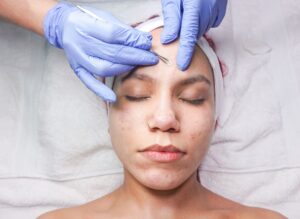
They’re inexpensive and actually prevent the bacteria from spreading. If a pimple has already come to a white head and you absolutely cannot resist, the safest option is to see a dermatologist or esthetician for professional extraction using sterile instruments under proper lighting and magnification. They’ll use techniques that minimize trauma to surrounding skin and won’t leave your fingernails’ bacteria behind. Some dermatologists can also use warm compresses or topical treatments to draw out the contents without manual pressure. A professional extraction takes five minutes and costs far less than treating the resulting scarring, infection, or hyperpigmentation.
Is There Any Safe Way to Pop a Pimple at Home?
The dermatological consensus is clear: it’s always safer not to pop. However, there are harm-reduction approaches if you’re determined. If a pimple has a clear white center and you’re going to attempt extraction regardless of advice, the safest method involves sterilizing your hands and the area with rubbing alcohol, using a clean lancet or needle (not dirty fingernails), applying gentle pressure from the sides rather than squeezing from above, and immediately applying an antibiotic ointment and bandage. Even with these precautions, you’re still damaging your skin barrier and risking scarring.
The reality is that most people don’t follow these precautions. They use dirty nails, apply excessive pressure, don’t disinfect, and then pick at the area repeatedly over days. Each of these steps increases the risk of permanent damage. As dermatologists increasingly emphasize—especially regarding the Triangle of Death area—the safest approach is to accept that pimples are temporary and self-limiting, while scars are potentially permanent. Modern dermatology offers so many effective acne treatments that there’s no reason to risk scarring yourself.
Conclusion
While 80% of women admit to popping pimples and do so an average of 65 times per year, dermatologists remain consistent in their message: it’s the worst thing you can do for your skin. The immediate satisfaction of extraction is vastly outweighed by the damage—a compromised skin barrier, bacteria driven deeper into the dermis, prolonged inflammation, post-inflammatory marks that last months or years, and permanent scarring that requires expensive professional treatment to correct. The recent warnings about the Triangle of Death underscore how serious popping can be in certain facial areas.
Your best path forward is to treat acne with proven topical and oral medications, protective patches, professional treatments when needed, and most importantly, patience. A pimple will heal on its own within 7 to 10 days without your intervention; the scars you create by popping will last a lifetime. If you struggle with the urge to pop, speak with a dermatologist about stronger acne treatments that will reduce the number of pimples you’re tempted to touch in the first place.