

No, drinking green tea will not clear your acne. While green tea contains powerful antioxidants that your body benefits from, the amount of acne-fighting compounds in a cup of tea is too minimal to make a meaningful difference.
However, when green tea extract is applied directly to your skin in topical form, the research shows real results: clinical studies demonstrate that topical green tea extract can reduce inflammatory acne lesions by up to 89% over eight weeks. The distinction is crucial because many people assume that drinking green tea for acne will deliver the same benefits they read about online, but the evidence tells a different story. This article breaks down what the research actually shows about green tea and acne, explains why topical application works while drinking it doesn’t, and clarifies what green tea can and cannot do in your acne treatment plan.
Table of Contents
- How Does Green Tea’s EGCG Actually Fight Acne?
- Topical Green Tea Extract: What the Research Actually Shows
- Why Drinking Green Tea Won’t Clear Your Acne
- How to Use Topical Green Tea Extract for Acne
- What Topical Green Tea Cannot Do (The Critical Limitation)
- Green Tea Extract and Your Broader Acne Strategy
- The Future of Green Tea in Acne Treatment
- Conclusion
How Does Green Tea’s EGCG Actually Fight Acne?
The active compound in green tea that matters for acne is EGCG (epigallocatechin gallate), a powerful antioxidant that has three key properties for skin health: it reduces inflammation, kills acne-causing bacteria, and decreases sebum production. Sebum is the oily substance your skin produces; when it combines with dead skin cells and bacteria, it clogs pores and triggers acne breakouts. EGCG works in multiple ways simultaneously—it acts as an antimicrobial agent that inhibits Propionibacterium acnes (the primary bacteria behind acne), while also lowering lipid levels in skin tissue to reduce sebum excretion. This combination is why researchers have been studying green tea as a potential acne treatment for over a decade.
The anti-androgenic properties of EGCG add another layer of effectiveness. Androgens are hormones that trigger sebum production, and EGCG actively suppresses this hormonal signaling in skin cells. For someone with hormonal acne (especially common in women around menstruation), this mechanism is potentially relevant. However, it’s important to understand that while these properties are scientifically documented, they need to reach your skin cells in sufficient concentration to actually make a difference—which is where the topical versus oral distinction becomes critical.

Topical Green Tea Extract: What the Research Actually Shows
When researchers conducted systematic reviews and meta-analyses of clinical trials testing topical green tea extract, the results were measurable and consistent. Studies using concentrations of 1 to 5% EGCG applied directly to the skin showed that non-inflammatory lesions (blackheads and whiteheads) decreased by 79% and inflammatory lesions (red, swollen pimples) decreased by 89% after eight weeks compared to the beginning of treatment. These aren’t marginal improvements—they represent significant acne reduction. The studies that produced these results were randomized controlled trials, which is the gold standard for medical research, making this evidence stronger than simple testimonials or anecdotal reports.
Safety is another advantage of topical green tea extract that emerged from the research. Unlike prescription acne medications such as isotretinoin (Accutane), which can cause severe side effects, or even benzoyl peroxide, which can cause irritation and dryness in many users, topical green tea extract application resulted in no significant adverse events across the studies reviewed. This means you can apply it without worrying about the burning, peeling, or photosensitivity that other acne treatments cause. However, this safety profile comes with an important caveat: effectiveness varies between individuals, and topical green tea extract works best for mild to moderate acne, not severe cystic acne that requires prescription medication.
Why Drinking Green Tea Won’t Clear Your Acne
Here’s where the science makes a clear distinction: oral green tea extract intake showed minimal effect on acne compared to topical application. When researchers compared these two approaches directly, topical application was significantly more effective. The reason is straightforward—your digestive system breaks down most of the beneficial compounds in green tea before they can reach your skin. Your stomach acid and liver metabolism reduce the bioavailability of EGCG, meaning only a tiny fraction of what you drink actually enters your bloodstream in a form that could benefit your skin.
In studies where participants took green tea supplements orally, any acne improvements that did occur were limited to specific facial areas: primarily the nose, perioral area (around the mouth), and chin. These limited results suggest that whatever EGCG does reach the skin systemically is either ineffective for most acne-prone areas or insufficient in concentration to make a visible difference. Compare this to topical studies where 79-89% reductions occurred across treated areas, and the contrast is stark. A dermatologist might recommend drinking green tea for overall health benefits, but they would not recommend it as an acne treatment strategy based on the current evidence.

How to Use Topical Green Tea Extract for Acne
If you decide to try topical green tea extract, the research points toward specific application methods for best results. Look for products containing 1-5% EGCG concentration, as this is the range tested in clinical studies. Apply it twice daily to clean, dry skin, either as a toner, serum, or cream formulation—the studies didn’t show a significant advantage of one product type over another, so choose based on your skin type and personal preference. For oily or acne-prone skin, a lightweight serum or lotion is often preferable; for dry skin, a cream formulation may work better.
The practical advantage of topical green tea extract is that it can work alongside your existing acne treatment routine. Unlike some acne medications that conflict with each other, topical green tea extract won’t negatively interact with benzoyl peroxide, salicylic acid, or prescription retinoids. In fact, adding it as a supplementary treatment while using your primary acne medication may enhance results, though you should consult your dermatologist about your specific routine. One important limitation to know: results take time. The clinical studies measured improvement after eight weeks, so you need to commit to consistent application for at least two months before evaluating whether it’s working for your skin.
What Topical Green Tea Cannot Do (The Critical Limitation)
While topical green tea extract shows real benefits for mild to moderate inflammatory acne, it is not a replacement for proven acne medications. This is the most important takeaway from the research. Someone with severe cystic acne, acne that causes significant scarring, or acne that hasn’t improved with over-the-counter treatments needs prescription options like isotretinoin, oral antibiotics, or hormonal birth control—not a natural topical extract. Green tea works best when it complements medical treatment, not when it replaces it.
The research also reveals significant evidence gaps that should temper your expectations. Scientists have noted that while studies of high quality have been conducted, larger sample sizes and longer follow-up periods are still needed to fully understand topical green tea extract’s long-term efficacy and its place in comprehensive acne treatment protocols. Some studies lasted only eight weeks; acne is often a chronic condition requiring management over months or years. Additionally, most studies have tested green tea extract in isolation—we have less robust data on how it performs in real-world scenarios where people combine it with multiple other treatments, use it inconsistently, or have different skin types and acne severity levels.
Green Tea Extract and Your Broader Acne Strategy
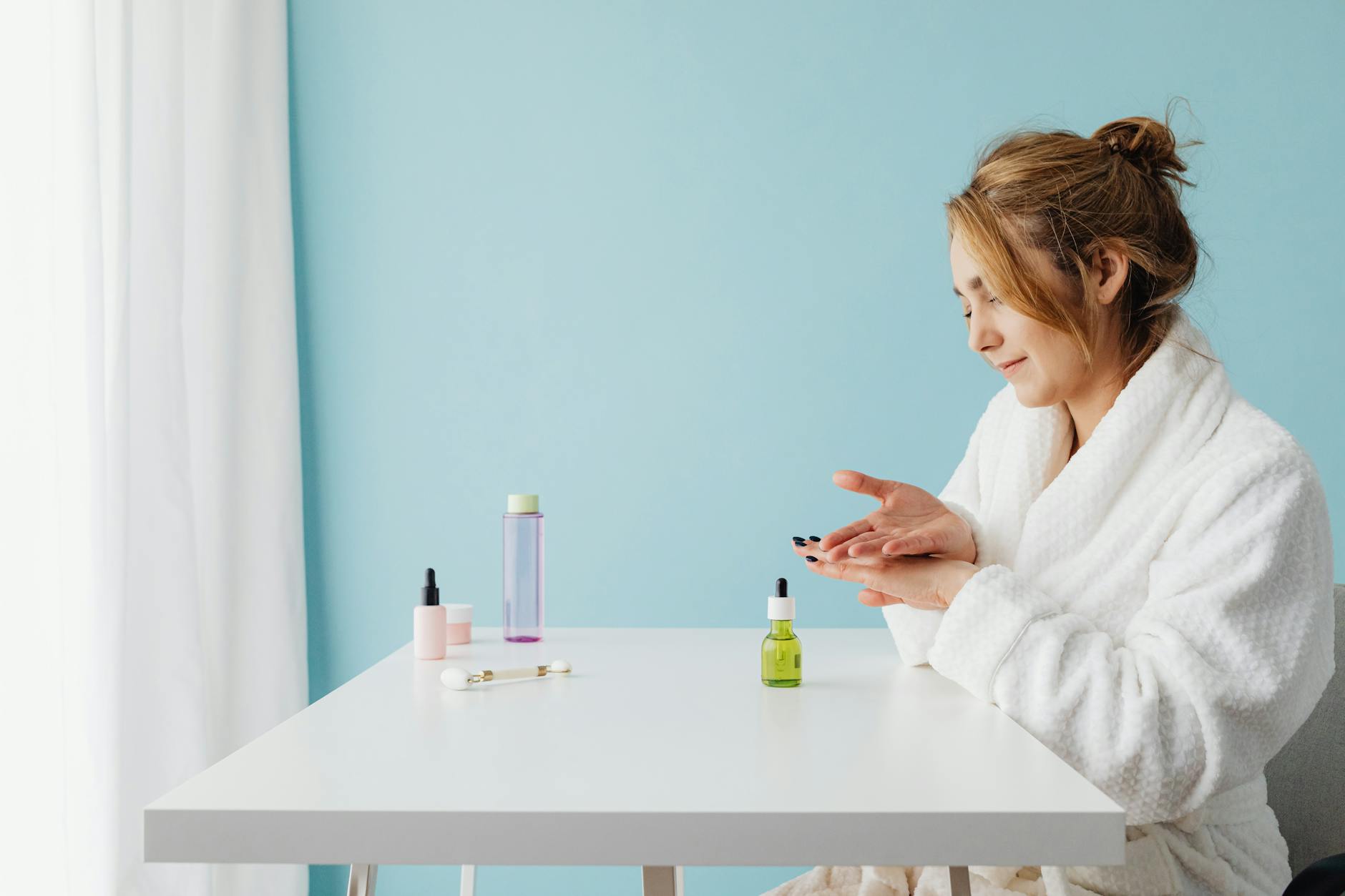
Think of topical green tea extract as one tool in a larger acne-fighting toolkit, not the centerpiece. A comprehensive acne approach typically starts with proper cleansing (a gentle cleanser twice daily), followed by treatment products (benzoyl peroxide, salicylic acid, or retinoids depending on acne type), and then supportive ingredients like green tea extract. For example, a realistic routine might be: gentle cleanser, benzoyl peroxide 2.5% for inflammatory acne, followed by a green tea extract serum, and finally a lightweight moisturizer.
This layered approach addresses acne from multiple angles—the benzoyl peroxide kills bacteria directly, the green tea provides anti-inflammatory support, and the moisturizer prevents the irritation that acne treatments often cause. Your diet and overall health matter too, though not in the way many wellness blogs suggest. Drinking green tea for general antioxidant benefits is worthwhile for your overall health, and some research suggests that high antioxidant intake may support skin health, but this is a completely separate benefit from topical treatment. If you enjoy green tea, drink it for its general wellness benefits—just don’t expect it to clear your acne from the inside.
The Future of Green Tea in Acne Treatment
The dermatological community has taken notice of green tea extract’s potential. Major medical organizations, including the Journal of the American Academy of Dermatology, have published work examining beneficial effects of tea polyphenols for skin health, signaling that this is a legitimate area of medical inquiry, not fringe alternative medicine. As research continues, scientists are exploring whether combining green tea extract with other proven acne ingredients (like combining it with benzoyl peroxide in the same formulation) could produce superior results compared to using them separately.
Looking forward, the gap between natural and conventional acne treatment is narrowing. Rather than viewing green tea extract as an alternative to medical acne treatments, dermatologists increasingly see it as a complementary option that fits into evidence-based protocols. This shift reflects a broader move toward personalized medicine where patients can choose treatment combinations based on their specific acne type, skin sensitivity, and lifestyle preferences.
Conclusion
The bottom line is clear: drinking green tea will not clear your acne, but applying topical green tea extract can provide meaningful support for mild to moderate inflammatory acne. The research demonstrates 79-89% reductions in acne lesions with topical application at appropriate concentrations, making it a legitimate supplementary treatment. However, this benefit only materializes through topical use, not by consuming green tea as a beverage or supplement.
If you have acne, start with proven treatments (a gentle cleanser, appropriate treatment products like benzoyl peroxide or salicylic acid, and moisturizer), and then consider adding topical green tea extract as a complementary step if you want additional anti-inflammatory support. Before adding any new product to your routine, check the ingredient list to ensure it contains EGCG or green tea extract at a meaningful concentration, and give it at least eight weeks of consistent use before determining if it’s working for your skin. If your acne is severe, doesn’t respond to over-the-counter treatments, or causes scarring, see a dermatologist for prescription options rather than relying on natural extracts alone. Green tea extract is a genuinely useful tool with scientific backing, but like any skincare ingredient, it works best as part of a comprehensive, medically-informed acne strategy.
You Might Also Like
- Fact Check: Do Probiotics Clear Acne? Early Research Is Promising but No FDA-Approved Probiotic Acne Treatment Exists
- Fact Check: Can Turmeric Masks Clear Acne? Anti-Inflammatory Properties Exist but Clinical Evidence for Acne Is Weak
- Fact Check: Can Tea Tree Oil Replace Benzoyl Peroxide? One Study Shows Similar Results at 5% Concentration but Slower