Adult acne in men does indeed concentrate heavily along the jawline and neck, and shaving directly makes the problem worse. The jawline is a particularly vulnerable zone for male acne because this area experiences multiple acne drivers simultaneously: hormonal sensitivity in the skin, increased oil production from facial hair follicles, moisture trapping under facial hair, and frequent mechanical irritation from daily shaving. For example, a 35-year-old man might develop persistent red bumps and whiteheads along his lower jaw, then notice they become angry, inflamed, and sometimes bleed after shaving—a pattern driven both by hormones and by the shaving process itself damaging already-compromised skin. This article explains why men’s acne gravitates to the jawline and neck, how shaving amplifies the problem, and what practical changes can actually reduce breakouts in these stubborn areas.
Table of Contents
- Why Does Adult Male Acne Cluster on the Jawline and Neck?
- How Shaving Directly Worsens Jawline Acne
- The Unique Challenge of Treating Acne in High-Shave Areas
- Practical Shaving Strategies for Men With Jawline Acne
- Common Mistakes That Worsen Jawline Acne
- Product Considerations for Sensitive, Acne-Prone Facial Hair Areas
- Long-Term Management and When Professional Help Is Needed
- Conclusion
- Frequently Asked Questions
Why Does Adult Male Acne Cluster on the Jawline and Neck?
The jawline and neck represent a hormonal acne hotspot for adult men because these areas contain higher densities of sebaceous glands—the glands that produce skin oil—and they are exquisitely sensitive to androgens, the male hormones that surge during puberty and remain elevated in adulthood. Even though most men stop getting acne on their cheeks or forehead by their mid-twenties, the jawline and neck often remain problem areas well into the 30s, 40s, and beyond because these zones never fully outgrow their hormonal sensitivity. Additionally, the skin along the jaw and neck is typically thinner and more delicate than cheek skin, making it more reactive to irritation and more likely to develop inflamed lesions rather than simple blackheads. The beard area compounds the problem.
When facial hair grows, it traps heat, moisture, and bacteria right against the skin surface—essentially creating a warm, humid environment that bacteria love. Men who shave regularly expose fresh hair follicles daily, and those follicles become irritated, inflamed, and prone to infection. A 28-year-old man with a heavy beard area might find that his jawline acne improves noticeably during a week-long vacation when he stops shaving, only to flare again the moment he returns to his regular grooming routine. This pattern directly demonstrates that the shaving process, not just the beard itself, is a major driver of jawline acne in men.

How Shaving Directly Worsens Jawline Acne
Shaving damages jawline acne in multiple, compounding ways. First, the razor blade—whether manual, electric, or cartridge—creates micro-cuts and micro-tears in the skin surface. If you already have acne lesions, whiteheads, or inflamed bumps on your jawline, shaving directly scrapes, cuts, or pops these lesions, introducing bacteria from the blade and your skin into open wounds. Second, shaving removes the protective outer layer of skin (the stratum corneum), leaving the jaw and neck temporarily more vulnerable to irritation and bacterial invasion. Third, the act of shaving causes localized inflammation as the body responds to the trauma—this inflammation can last hours or days, making existing acne lesions redder, angrier, and more painful.
The irritation doesn’t stop at the blade. Shaving cream, aftershave balms, and other grooming products often contain alcohol, fragrance, or menthol that further irritate freshly shaved, acne-prone skin. A 40-year-old man using a traditional aftershave splash on jawline acne will experience immediate stinging and redness—not a sign of cleanliness, but a sign of chemical irritation on damaged skin. Additionally, the practice of shaving re-stimulates hair follicles daily, forcing new hairs to emerge through already-inflamed, clogged pores. This constant mechanical stimulation keeps the jawline and neck in a state of chronic low-grade inflammation, making it nearly impossible for existing acne to heal.
The Unique Challenge of Treating Acne in High-Shave Areas
Treating jawline acne in men is harder than treating acne elsewhere because of the shaving conflict: most effective acne treatments—including retinoids, salicylic acid, and benzoyl peroxide—increase skin sensitivity and cause mild peeling or dryness. Using these treatments while shaving daily creates a brutal combination: the treatment thins and sensitizes the skin, then shaving immediately traumatizes that sensitized skin, causing pain, irritation, and potential bleeding. Many men abandon acne treatments after a few days because the combination feels unbearable.
However, if you don’t treat the acne, it persists and often worsens. The catch-22 is real: treat it with proven actives and shaving becomes painfully irritating, or skip treatment and the acne never clears. Additionally, the jawline and neck have poorer blood flow than the face, meaning healing is slower and acne scars are more common in this region. A man with moderate jawline acne who shaves aggressively while using tretinoin might develop permanent indented scars within months—damage that could have been prevented with gentler shaving practices.

Practical Shaving Strategies for Men With Jawline Acne
If you have jawline acne, the first change is to reduce shaving frequency. This doesn’t mean growing a full beard, but it does mean considering a longer interval between shaves—every other day instead of daily, or switching to an electric trimmer that cuts hair above the skin surface rather than flush with it. An electric trimmer leaves stubble but avoids the micro-cuts and skin trauma of a blade; many men with jawline acne find this the single most impactful change they can make. If you must shave daily, use the gentlest possible technique: a single-blade safety razor (not a multi-blade cartridge that requires multiple passes), shave in the direction of hair growth (not against it), and use just enough pressure that the blade glides rather than scrapes. Pre-shave prep matters enormously.
Soften facial hair with warm water for 2-3 minutes before shaving—this reduces the force needed to cut hair, reducing traumatic shaving. Use a shaving cream or gel without fragrance, alcohol, or menthol; a simple, plain shaving cream is infinitely better than an aftershave or balm with active ingredients. After shaving, skip the aftershave splash, cologne, or balm. Instead, wait 15-20 minutes for the skin to calm, then apply a gentle, non-comedogenic moisturizer if needed. A 32-year-old man with persistent jawline acne switched from cartridge razors and aftershave to a single-blade safety razor and plain shaving cream, then waited to apply acne treatment until 30 minutes post-shave—his jawline acne reduced by 60% within three weeks, with no medication change.
Common Mistakes That Worsen Jawline Acne
Many men with jawline acne make the situation worse through well-intentioned but counterproductive habits. The most common: shaving too closely or with too many passes. Trying to achieve a perfectly smooth jawline when you have active acne is fighting against biology—the more closely you shave, the more you irritate the skin, and the more likely you are to cut or nick existing lesions. Another major mistake is applying acne treatment immediately after shaving. If you use salicylic acid, benzoyl peroxide, or tretinoin right after shaving, you’re applying an irritating chemical to freshly damaged, raw skin—this causes intense burning, flaking, and sometimes chemical burns. The treatment needs to wait until the skin has recovered, which takes at least 30-60 minutes.
A third mistake is using hot water to shave. Hot water opens pores and softens hair, but it also increases skin irritation and inflammation, especially if you have acne. Warm water (not hot) is sufficient and causes less damage. Many men also make the error of shaving against the grain to get a closer shave, which increases irritation and ingrown hairs—a particular problem on the neck where skin is thinner. Finally, some men continue using harsh aftershaves, astringents, or heavily medicated balms after shaving, which compounds irritation. A 29-year-old man with severe jawline acne was using a multi-blade razor, shaving against the grain with hot water, applying salicylic acid immediately after shaving, then finishing with a menthol aftershave—he had no idea he was deliberately amplifying the acne through his own routine.
Product Considerations for Sensitive, Acne-Prone Facial Hair Areas
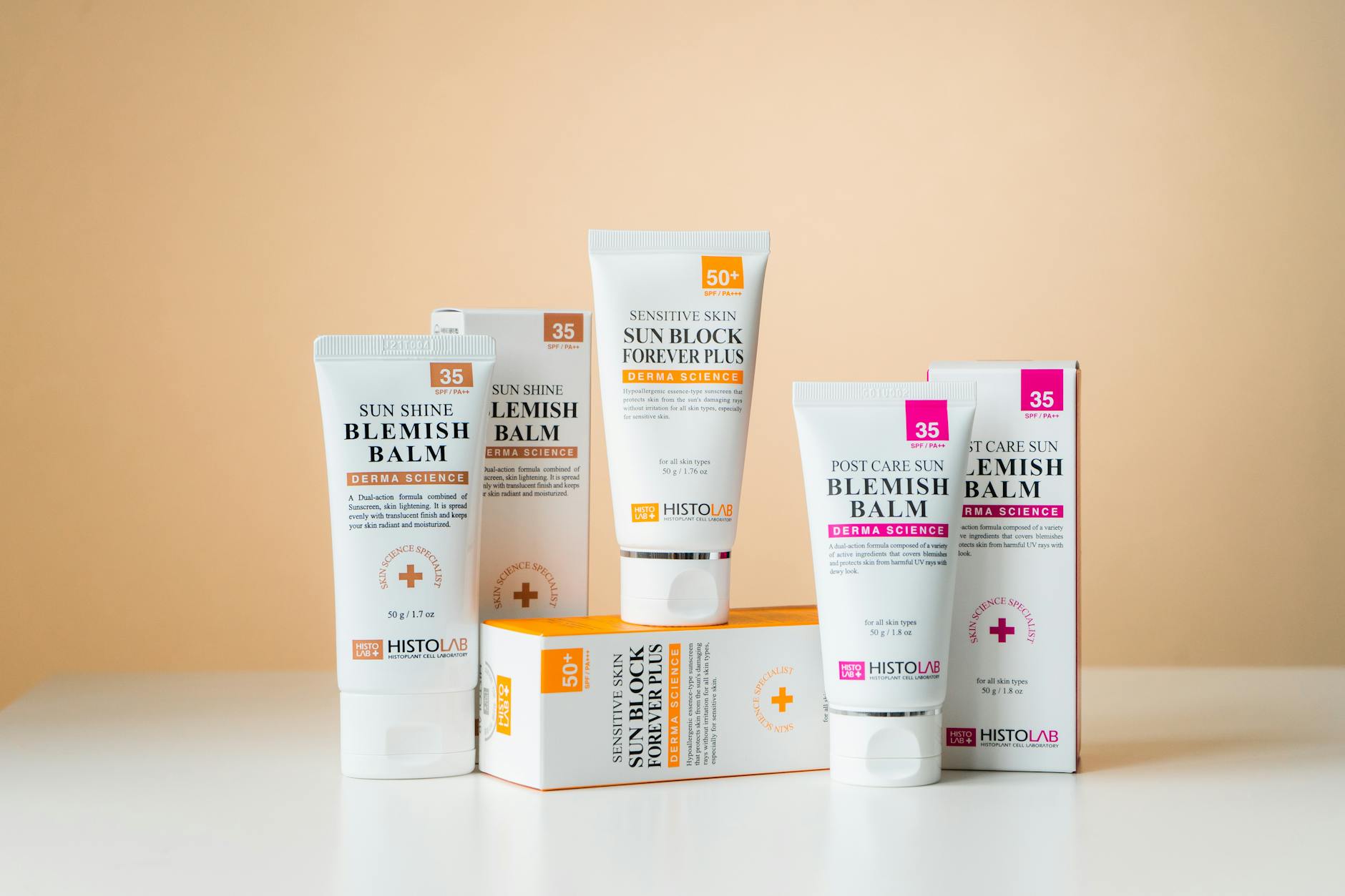
If you’re treating jawline acne with active ingredients, the timing and formulation matter intensely. Benzoyl peroxide is highly effective against acne bacteria, but it can cause significant irritation in the shaving zone—consider using it only on non-shaving days or on alternate days. Salicylic acid is gentler but still irritating if applied to freshly shaved skin; a 2% concentration is adequate and less irritating than 10%. Tretinoin (retinoic acid) is extremely effective for acne and skin texture, but it must be introduced very slowly in the shaving area—many dermatologists recommend starting with the lowest concentration (0.025%) and applying it just 2-3 times per week initially, on nights when you won’t shave the next day.
A practical approach for jawline acne is to use a simpler, less irritating routine in the shaving area specifically. For example: gentle cleanser, benzoyl peroxide 2.5% (low concentration), non-comedogenic moisturizer, and sunscreen. Reserve stronger treatments like tretinoin for non-shaving areas or for times when you’re not shaving frequently. Many men see better results from this simplified approach than from aggressive multi-step routines that continually irritate the jaw and neck.
Long-Term Management and When Professional Help Is Needed
Jawline acne in adult men often requires a combination approach: gentler shaving practices, topical acne treatment, and sometimes professional intervention. If you’ve adjusted your shaving routine and used appropriate acne treatments for 6-8 weeks without significant improvement, it’s time to see a dermatologist. Persistent jawline acne in adult men can sometimes indicate underlying hormonal issues (elevated testosterone, hormonal sensitivity) or bacterial resistance that requires oral antibiotics, isotretinoin (Accutane), or hormonal medications like spironolactone—options that a dermatologist can evaluate and prescribe.
Additionally, dermatologists can offer professional treatments specifically suited to inflamed, shave-irritated skin: azelaic acid (which reduces both inflammation and bacterial colonization), oral antibiotics combined with benzoyl peroxide, or even laser or light-based treatments that reduce inflammation and bacteria without requiring daily topical application to sensitive skin. The long-term goal is to break the cycle of shaving irritation → inflamed acne → more shaving trauma. For many men, this requires professional guidance to find the right combination of gentler shaving, appropriate actives, and sometimes systemic treatment.
Conclusion
Adult acne on the jawline and neck in men is a genuine dermatological pattern driven by hormonal sensitivity, skin inflammation, and the repeated trauma of daily shaving. Shaving absolutely worsens this acne—not through the simple removal of facial hair, but through the mechanical damage, inflammation, and constant re-irritation of fragile, acne-prone skin. The good news is that significant improvement is often possible with three key changes: reducing shaving frequency or switching to gentler shaving methods, adjusting the timing and type of acne treatments to avoid freshly shaved skin, and committing to a longer healing window before judging whether treatment is working.
If you’ve struggled with jawline acne as an adult man, the first step is to experiment with shaving practices: try every-other-day shaving, use a single-blade razor and plain shaving cream, and wait 30-60 minutes after shaving before applying acne treatment. Most men see noticeable improvement within 3-4 weeks of these changes alone. If the acne persists despite changes to shaving and routine topical treatment, don’t delay in consulting a dermatologist—persistent jawline acne sometimes reflects hormonal patterns or bacterial resistance that requires prescription-strength intervention.
Frequently Asked Questions
Can I use benzoyl peroxide right after shaving?
No. Benzoyl peroxide on freshly shaved skin causes significant irritation, burning, and sometimes chemical burns. Wait at least 30-60 minutes after shaving, until the skin has calmed, before applying benzoyl peroxide or other acne treatments.
Would growing a beard eliminate jawline acne?
Possibly, but not reliably. Some men find their acne improves significantly when they stop shaving, while others develop acne under the beard due to trapped moisture and bacteria. If acne improves without shaving, it suggests shaving trauma is a major driver—and you can achieve similar results by reducing shave frequency rather than committing to a full beard.
Is an electric trimmer better than a razor for jawline acne?
Yes, generally. Electric trimmers cut hair above the skin surface, avoiding the micro-cuts and trauma of a blade. They leave visible stubble but are significantly less irritating to acne-prone skin. Many men with jawline acne find electric trimmers to be the most practical middle ground.
Can I use salicylic acid and retinoids together on my jawline acne?
Not immediately and not on freshly shaved skin. Both are irritating individually and can be synergistically irritating in combination. If you want to use both, apply salicylic acid in the morning and tretinoin at night, and don’t shave on nights when you apply tretinoin. Start with low concentrations and low frequencies (twice weekly) and increase gradually.
How long should I wait for jawline acne to improve after changing my shaving routine?
Most men see noticeable improvement within 2-4 weeks of gentler shaving practices. However, if acne is severe or you’re also using acne medication, allow 6-8 weeks before concluding that your routine changes alone aren’t working.
Should I use aftershave or balm if I have jawline acne?
No. Skip aftershave, cologne, balms, and other grooming products on your jawline and neck if you have acne. These products typically contain alcohol, fragrance, or menthol that irritate freshly shaved, acne-prone skin. Wait until your skin is calm, then apply only a gentle, fragrance-free moisturizer if needed.
You Might Also Like
- At Least 80% of Acne Scars Can Be Improved With Professional Treatment…But Most Insurance Won’t Cover It
- At Least 15% of Acne Patients Develop Post-Inflammatory Hyperpigmentation…Dark Spots Can Last Months or Years
- Teen Acne Peaks Between Ages 14 and 19…Early Treatment Reduces Scarring Risk by Up to 50%