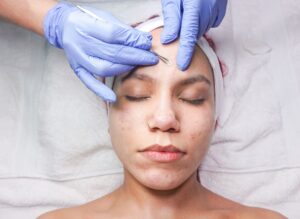
Yes, acne can come back in your 40s, and yes, there’s a scientific reason why. When a man in his mid-forties suddenly finds himself dealing with breakouts he thought he’d left behind in his 20s, the culprits are usually the same hormonal shifts and stress responses that triggered teenage acne—except this time, they’re often amplified by life’s mounting pressures.
Over 40% of adults experience acne breakouts at some point, and approximately 12% of men in their 40s report active acne, making it far more common than most assume. This article breaks down why adult-onset acne hits men later in life, how stress and hormones intersect to trigger breakouts, and what actually helps. We’ll explore the specific biological mechanisms at play, the lifestyle factors that accelerate skin problems, and practical strategies to reduce breakouts without resorting to prescription solutions for every case.
Table of Contents
- Why Does Adult-Onset Acne Strike Men After Age 25?
- How Testosterone and Androgens Create the Perfect Condition for Acne
- The Stress-Acne Connection: How Cortisol and Androgens Work Together
- Lifestyle Factors That Intensify Adult Acne in Middle-Aged Men
- Why Adult Acne in Men Persists Longer Than Teenage Acne
- Genetic and Gender Differences in Adult Acne Susceptibility
- When to Seek Professional Help and Long-Term Acne Management
- Conclusion
Why Does Adult-Onset Acne Strike Men After Age 25?
Over 10% of men experience acne breakouts after their 25th birthday, defying the assumption that acne is purely a teenage problem. The prevalence jumps to about 12% by the time men reach their 40s—a stubborn reminder that hormonal skin problems don’t simply vanish with age. Unlike women, whose acne patterns fluctuate with monthly hormonal cycles, men tend to have acne for longer, continuous periods lasting from puberty well into early or mid-adulthood.
This means that for some men, acne isn’t a phase they outgrow; it’s a chronic condition they manage. The reason adult-onset acne is less discussed than teenage acne has more to do with social expectation than actual prevalence. Men expect their skin to clear up by their early 20s, so when breakouts return at 45, they’re often surprised and sometimes embarrassed. However, the biological mechanisms are straightforward: testosterone and related androgens continue circulating in men’s bodies throughout adulthood, and when life stress spikes—whether from career pressures, relationship challenges, or health concerns—these hormones intensify, triggering exactly the same oil production and pore-clogging that caused teenage acne.

How Testosterone and Androgens Create the Perfect Condition for Acne
Testosterone and its related hormones, called androgens, directly stimulate the sebaceous glands in your skin to produce more oil (sebum). When these glands are overactive, they flood hair follicles with excess oil, which clogs pores and creates an ideal environment for bacteria to multiply. The result is the inflammatory response we recognize as acne. research shows that approximately 72% of people with acne have excess androgen hormones, including elevated testosterone. Moreover, three specific hormones—testosterone, androstenedione, and cortisol—show a direct correlation with acne severity; higher concentrations of these hormones correlate with worse breakouts.
Here’s the practical limitation: not every man with high testosterone develops acne. Genetics play a significant role; if your parents struggled with acne, your skin is more likely to be sensitive to androgen fluctuations. Additionally, some men’s skin cells are simply more responsive to androgen signaling. Androgens don’t just increase oil production—they also make skin cells stickier, causing them to clog pores more easily. This dual mechanism (excess oil plus cellular stickiness) is why acne can persist even when a man tries basic cleansing routines. A man with genetically acne-prone skin and moderate testosterone elevation might experience severe breakouts, while another man with the same testosterone levels remains clear.
The Stress-Acne Connection: How Cortisol and Androgens Work Together
When stress hits, your body initiates a cascade of hormonal responses designed for survival in dangerous situations. The adrenal glands release cortisol, often called the stress hormone, which increases sebaceous gland activity and boosts oil production. At the same time, chronic stress elevates androgen levels themselves—your body produces more testosterone and related hormones as part of the fight-or-flight response. This dual punch (increased cortisol plus elevated androgens) is why many men notice their skin deteriorates during stressful periods.
A man might have clear skin during a relaxed vacation, then experience a breakout flare-up within days of returning to a high-pressure work environment. The stress-acne link becomes even more problematic because stress-induced hormonal imbalances don’t just trigger oil production; elevated cortisol levels can disrupt other hormones in the body, creating a cascade of skin-related inflammation. For middle-aged men, stress is often chronic rather than acute—years of career pressures, financial worries, or personal challenges create sustained cortisol elevation that continuously dysregulates the hormonal environment of the skin. This is why anti-acne strategies for stressed adults often include stress reduction techniques rather than topical treatments alone. However, it’s important to note that topical treatments can still help control the acne once hormonal stress has triggered it; stress reduction prevents the initial trigger, but doesn’t automatically reverse acne already in progress.

Lifestyle Factors That Intensify Adult Acne in Middle-Aged Men
While hormones are the root cause, lifestyle choices either accelerate or reduce breakout severity. Diet plays a significant role; foods high in sugar and saturated fat can amplify hormonal fluctuations and increase inflammation, making acne worse. A man eating a diet heavy in processed foods and refined carbohydrates will likely experience more severe breakouts than one who emphasizes vegetables, lean proteins, and whole grains. Skincare product choice matters more in adulthood than many realize—using harsh soaps or heavy moisturizers designed for women’s thinner skin can irritate male skin and trigger inflammatory acne. Additionally, shaving technique directly impacts acne severity. Using dull razor blades causes micro-injuries and ingrown hairs, which trigger inflammation and can worsen acne in the facial area.
Sleep deprivation compounds hormonal problems. When sleep is insufficient, cortisol levels remain elevated, and testosterone production can actually increase—a double negative for acne-prone skin. A man sleeping 5 hours per night will likely experience worse acne than one sleeping 7-8 hours, all else being equal. Sexual activity and exercise intensity also subtly affect testosterone levels in adult men; high-intensity training can temporarily elevate testosterone, as can increased sexual activity, both of which can trigger breakouts in sensitive individuals. The tradeoff here is real: exercise is essential for managing stress (which reduces acne long-term), but intense exercise can temporarily spike testosterone and trigger breakouts short-term. Most men find that the stress-reduction benefits of regular exercise outweigh the temporary hormonal spikes.
Why Adult Acne in Men Persists Longer Than Teenage Acne
One of the frustrating aspects of adult-onset acne is its persistence. Men often expect acne to resolve as quickly as it did (or would have) during adolescence, but adult acne typically lasts longer and requires more deliberate intervention. This happens because the underlying causes—chronic stress, sustained hormonal patterns, and accumulated lifestyle factors—are more entrenched in adulthood than they are in the teenage years. A teenager might clear up acne by improving sleep and reducing sugar intake; an adult man with years of chronic stress, established poor sleep habits, and a high-stress career may need more comprehensive intervention.
Additionally, adult male skin is thicker and has different oil distribution patterns than teenage skin, which means acne can penetrate deeper and become more stubborn. A warning worth noting: over-the-counter acne treatments designed for teenagers (like high-strength benzoyl peroxide) can over-dry adult male skin, leading to irritation and sometimes worse breakouts. Men in their 40s often benefit from gentler topical treatments combined with lifestyle changes rather than aggressive spot treatments. The reality is that adult acne in men often requires addressing the root causes (stress, sleep, diet) rather than relying solely on topical acne products.

Genetic and Gender Differences in Adult Acne Susceptibility
Men and women both experience adult-onset acne, but the patterns differ. Women experience a spike in acne breakouts around their menstrual cycle due to hormonal fluctuations, whereas men experience more consistent acne patterns that vary primarily with overall stress levels and lifestyle. Interestingly, women in the 40-49 age group experience acne at a higher rate (26.3%) compared to men in the same age group (12%), likely due to perimenopause and additional hormonal shifts. For men, genetic predisposition plays a larger role; if acne ran in your family, adult-onset acne is more likely to affect you.
Some men carry genetic sensitivity to androgens in their skin cells, meaning their sebaceous glands respond more dramatically to normal testosterone levels. Understanding your personal risk factors can help tailor your approach. A man with a family history of acne and high stress should prioritize stress management and sleep quality more aggressively than one without this genetic background. This isn’t to say genetics are destiny—lifestyle interventions can still significantly reduce breakout severity even in genetically predisposed individuals.
When to Seek Professional Help and Long-Term Acne Management
For many men, adult-onset acne improves with consistent stress reduction, better sleep, improved diet, and appropriate skincare. However, if breakouts are severe, widespread, or causing emotional distress, dermatological evaluation is warranted. A dermatologist can determine whether hormonal medications, prescription topicals, or other interventions are appropriate.
In some cases, acne in middle-aged men signals underlying hormonal imbalances worth investigating medically, particularly if breakouts are accompanied by other symptoms like fatigue or mood changes. The long-term perspective on adult acne in men should emphasize sustainability over quick fixes. Short-term topical treatments can manage active breakouts, but lasting improvement typically comes from addressing stress, sleep quality, diet, and skincare habits. Many men find that committing to stress-reduction practices—whether through regular exercise, meditation, or lifestyle adjustments—yields skin improvements that no topical product alone could achieve.
Conclusion
Adult-onset acne at 45 isn’t a sign of poor hygiene or immaturity; it’s a predictable biological response to hormonal activation and stress. The combination of elevated androgens (particularly testosterone) and stress-induced cortisol elevation creates the exact conditions that triggered acne in adolescence, except now the stress is often chronic and the hormonal environment is more entrenched. With approximately 12% of men in their 40s experiencing active acne, it’s a common issue that deserves straightforward, evidence-based solutions.
The path forward involves addressing both the hormonal triggers and the lifestyle factors that amplify them. Stress reduction, adequate sleep, dietary improvements, and consistent, appropriate skincare can significantly reduce breakout frequency and severity. For men whose acne persists despite these efforts, professional dermatological evaluation is reasonable and may reveal opportunities for targeted treatment. The key is recognizing that adult acne isn’t fundamentally different from teenage acne in its biology—it’s just responding to the adult stressors and hormonal patterns that currently define your life.