
No, toothpaste does not clear pimples. In fact, dermatologists actively warn against applying toothpaste to acne because it can cause chemical burns, irritation, and damage that makes acne worse.
The confusion stems from the fact that some toothpaste contains mild antiseptics and drying agents, which might seem helpful for acne—but these ingredients are formulated for gums and teeth, not facial skin, and can cause serious harm when applied directly to the skin. A 35-year-old patient reported applying toothpaste to a cluster of pimples on her chin for three days and developed chemical burns that took two weeks to heal, creating post-inflammatory hyperpigmentation that lasted months. This article explains why this myth persists, what damage toothpaste actually causes, what dermatologists recommend instead, and how to treat skin that’s been exposed to toothpaste.
Table of Contents
- Why Do People Think Toothpaste Treats Acne If It Doesn’t Work?
- The Chemical Burn Risk: Why Toothpaste Damages Skin
- What Toothpaste Actually Does to Acne-Prone Skin
- What Dermatologists Recommend Instead of Toothpaste
- The Hidden Risk: Chemical Burns and Post-Inflammatory Damage
- Distinguishing Between Irritation and Healing
- Moving Forward: How to Treat Acne-Prone Skin Safely
- Conclusion
- Frequently Asked Questions
Why Do People Think Toothpaste Treats Acne If It Doesn’t Work?
The toothpaste-for-acne myth likely originated because some toothpastes contain ingredients that have legitimate (but limited) antiseptic properties—primarily triclosan, zinc, and baking soda. These ingredients do kill some bacteria and can slightly dry out the skin, which might seem relevant to acne treatment. Additionally, people may have noticed temporary redness or drying after applying toothpaste and mistakenly interpreted this as the acne “healing.” What’s actually happening is inflammation and irritation, not targeted acne treatment.
The internet has amplified this misconception for decades, with beauty blogs and social media repeatedly recommending it as a cheap, accessible alternative to prescription treatments—despite the fact that dermatologists have consistently advised against it. The persistence of this myth also reflects a broader misunderstanding of how acne develops. Acne isn’t simply caused by bacteria on the skin’s surface; it involves clogged pores, excess sebum production, hormonal factors, and inflammation deep within the skin. A product designed to clean teeth and freshen breath has no mechanism to address these underlying causes, and the ingredients that work on tooth enamel can harm the delicate facial skin barrier.

The Chemical Burn Risk: Why Toothpaste Damages Skin
Toothpaste contains compounds that are far too harsh for facial skin. Fluoride, which strengthens tooth enamel, is toxic to skin cells in high concentrations and can cause chemical burns ranging from mild irritation to severe blistering. Sodium lauryl sulfate (SLS), a foaming agent in many toothpastes, strips away the skin’s natural protective oils and damages the lipid barrier, causing redness, burning sensations, and peeling. Hydrogen peroxide, found in whitening toothpastes, is a bleaching agent that can cause burns and permanent discoloration when applied to skin. A clinical report documented a teenager who applied whitening toothpaste to acne for one week and developed painful chemical burns that required topical antibiotic treatment.
The skin on your face is fundamentally different from the tissue inside your mouth. Oral mucosa is thick, regenerates quickly, and has different pH requirements than facial skin. Facial skin is thinner, more sensitive, and has a carefully balanced acidic pH (around 4.5-5.5) that maintains the skin barrier. When you apply toothpaste—which has a neutral to alkaline pH designed for oral use—you disrupt this balance and can trigger irritation, dryness, and barrier damage. Even if toothpaste doesn’t cause visible chemical burns, it often causes sufficient inflammation to make existing acne redder, more painful, and slower to heal.
What Toothpaste Actually Does to Acne-Prone Skin
When applied to acne, toothpaste primarily causes irritation and inflammation rather than treating the underlying condition. The drying effect some people notice is actually the product stripping moisture from the skin, which triggers the skin to overproduce sebum in response—potentially making acne worse over time. This is particularly problematic for people with combination skin or oily skin, where the barrier damage from toothpaste can paradoxically lead to increased oil production and more breakouts. A 28-year-old user reported that after using toothpaste on pimples for two weeks, she developed new acne in surrounding areas and experienced persistent redness that didn’t fade for three weeks after stopping.
The antiseptic effect of toothpaste is also minimal and non-specific. While it may kill some surface bacteria, acne-causing bacteria (primarily Cutibacterium acnes) exist deep within pores and sebaceous glands where topical toothpaste cannot effectively reach. Prescription acne treatments like benzoyl peroxide, salicylic acid, and retinoids are specifically formulated to penetrate pores and address the biological mechanisms that cause acne. Toothpaste offers none of these benefits while carrying significant risks of damage.

What Dermatologists Recommend Instead of Toothpaste
For mild acne, dermatologists typically recommend over-the-counter products containing salicylic acid (a beta hydroxy acid that exfoliates inside pores) or benzoyl peroxide (which kills acne bacteria and reduces sebum). These are formulated specifically for facial skin, have been clinically tested for safety and efficacy, and are designed to be used on the face. Salicylic acid works by dissolving the keratin that clogs pores, while benzoyl peroxide reduces the bacterial load and has anti-inflammatory properties—both address actual mechanisms of acne formation.
For moderate acne, prescription-strength treatments like adapalene (a retinoid), tretinoin, or oral antibiotics combined with topical treatments are far more effective and safer than any home remedy. The comparison is straightforward: benzoyl peroxide has decades of clinical evidence showing 60-70% improvement in mild to moderate acne within 6-8 weeks, while toothpaste has no clinical evidence of benefit and substantial evidence of harm. Salicylic acid, available in many drugstore products, works through a proven chemical mechanism and is formulated to be gentle enough for daily facial use. If someone has tried toothpaste and noticed any improvement, it was likely due to the placebo effect combined with the natural healing process—acne often improves on its own over time regardless of treatment.
The Hidden Risk: Chemical Burns and Post-Inflammatory Damage
Chemical burns from toothpaste may not always be immediately obvious. Some people experience mild burns that appear as redness and peeling but assume the acne is “drying out” and healing. In reality, the skin is being damaged. More severe burns can cause blistering, oozing, and scabbing that creates a wound and dramatically increases the risk of scarring.
Even if a chemical burn heals without scarring, it often leaves post-inflammatory hyperpigmentation (dark marks) or hypopigmentation (light marks) that can last for months. A 40-year-old reported applying toothpaste to a small acne lesion and developing a blister that left a permanent light scar visible in sunlight even a year later. The burn risk is higher with whitening toothpastes, charcoal toothpastes, and any toothpaste containing hydrogen peroxide or high fluoride concentrations. It’s also higher if you apply toothpaste to acne that’s already inflamed, irritated, or has broken skin, because the barrier is already compromised. Children and teenagers are at particular risk because their skin barrier is still developing and more susceptible to damage from harsh products.
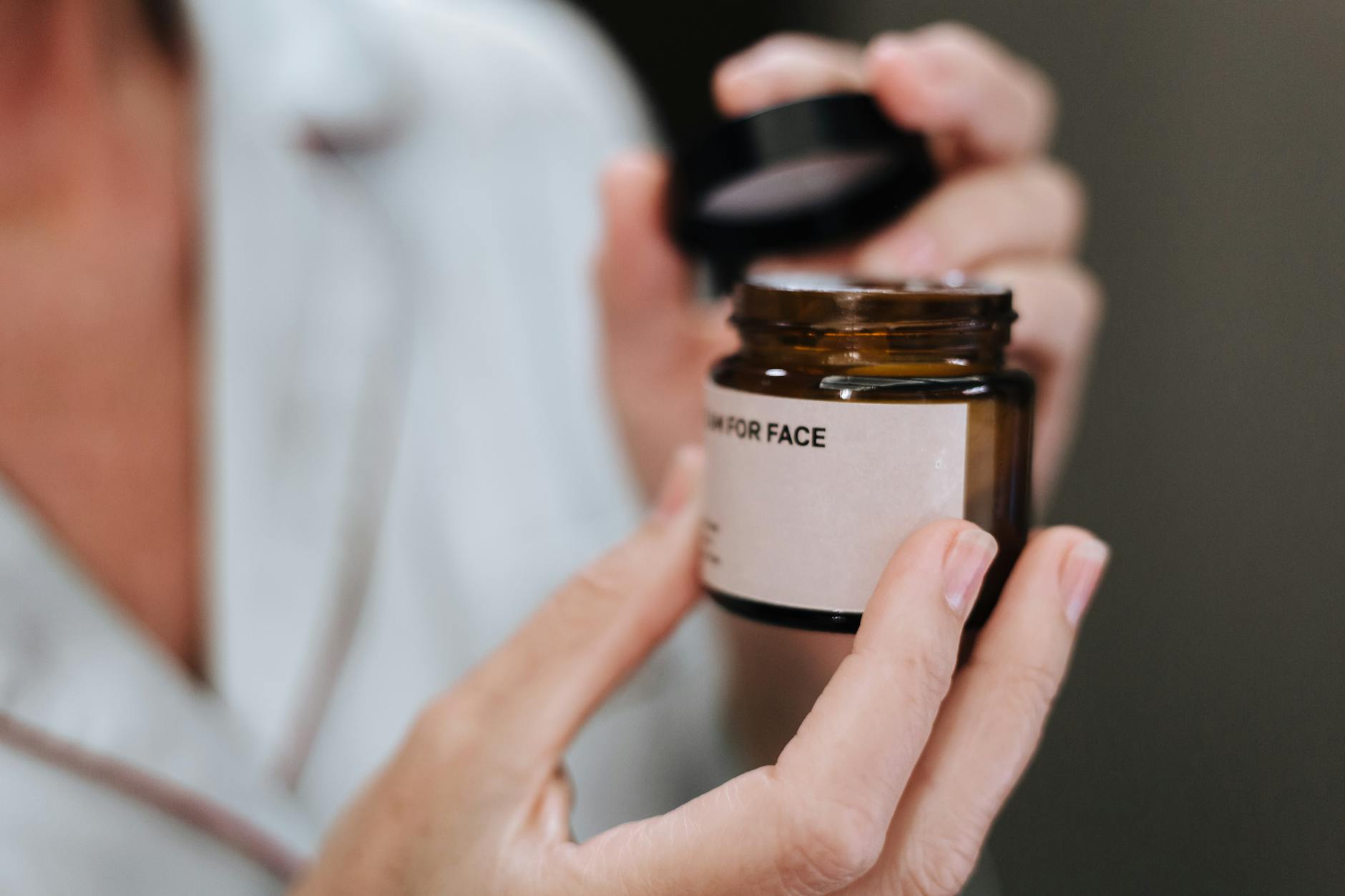
Distinguishing Between Irritation and Healing
A critical mistake people make is confusing skin irritation with healing. If toothpaste causes redness, warmth, or a stinging sensation, these are signs of damage, not treatment. True acne treatment might cause mild dryness or temporary slight redness, but not burning, stinging, or excessive irritation. If your skin feels inflamed, swollen, or painful after applying a product, stop using it immediately. This is your skin’s warning signal.
A 32-year-old applied toothpaste to acne every night, experienced constant stinging and redness, and thought this meant the product was “working.” When she switched to salicylic acid, the stinging stopped within three days but her acne actually improved faster without the constant irritation. Another confusion: some people notice their acne appears to “dry out” after applying toothpaste, with a white, crusty appearance. This is often not actual healing but rather chemical damage creating a crust. True healing from acne treatment happens beneath the surface—the pore clears, inflammation decreases, and the skin regenerates. Visible crusting and excessive drying is a sign the product is too harsh for facial skin.
Moving Forward: How to Treat Acne-Prone Skin Safely
If you’ve been using toothpaste on acne, stop immediately and assess your skin. If you notice redness, irritation, or burning that doesn’t resolve within 24-48 hours after stopping, consult a dermatologist. If you’ve developed blisters or obvious chemical burns, see a healthcare provider to ensure proper healing and to prevent scarring. For the next week, use only a gentle cleanser and moisturizer while your skin recovers, avoiding any other active acne treatments. Once your skin has recovered, invest in evidence-based acne treatment.
Start with an over-the-counter benzoyl peroxide or salicylic acid product from a reputable brand (these are inexpensive, typically $5-15). If acne persists after 6-8 weeks, see a dermatologist. Prescription retinoids, oral antibiotics, and hormonal treatments are available for moderate to severe acne and offer far better outcomes than anything available over-the-counter. The myth that toothpaste works persists because people are desperate for cheap, easy solutions—but acne treatment requires proper chemistry and formulation, which toothpaste simply doesn’t provide. Your skin deserves better than a tooth-cleaning product designed for a completely different purpose.
Conclusion
Toothpaste does not clear pimples and can cause chemical burns, irritation, and long-term damage to your skin. The myth persists because some toothpaste contains mild antiseptic ingredients and has a drying effect, but these properties are not only ineffective for acne but harmful when applied to facial skin. Dermatologists universally advise against this practice, and the clinical evidence overwhelmingly supports evidence-based acne treatments like benzoyl peroxide, salicylic acid, and prescription retinoids instead.
If you’ve been using toothpaste on acne, stop now and allow your skin to recover. For actual acne treatment, start with an affordable, dermatologist-recommended over-the-counter product, or consult a healthcare provider if your acne is moderate to severe. Your skin barrier is too important to risk on a product designed for your teeth. Effective acne treatment is accessible, affordable, and proven—there’s no reason to resort to harmful myths.
Frequently Asked Questions
Will toothpaste help my acne if I leave it on overnight?
No. Leaving toothpaste on your skin overnight will only increase the risk of chemical burns and irritation. The damage compounds with longer exposure time. If you want an overnight acne treatment, use a benzoyl peroxide spot treatment or a low-strength retinoid instead.
What should I do if I’ve already damaged my skin with toothpaste?
Stop using it immediately. Gently wash your face with a mild cleanser, apply a fragrance-free moisturizer, and avoid other active treatments for 24-48 hours while your skin recovers. If redness, swelling, or blistering persists beyond 48 hours, see a dermatologist.
Is there any toothpaste ingredient that actually helps acne?
Some toothpaste contains zinc, which has mild anti-inflammatory properties, but the concentration is too low to treat acne, and applying toothpaste to facial skin damages the barrier faster than any benefit can occur. Use products formulated for facial skin instead.
Can I use kids’ toothpaste instead because it’s gentler?
No. Kids’ toothpaste still contains fluoride, SLS, and other ingredients that damage facial skin. It’s not formulated for the face and carries the same risks as regular toothpaste.
Why do some people claim toothpaste cleared their acne?
Acne naturally improves over time in many people as hormones stabilize or they unconsciously change other habits. The toothpaste gets credit for improvement that would have happened anyway. Additionally, the temporary redness and dryness from irritation can be mistaken for healing.
What’s the fastest way to actually clear acne?
For mild acne, benzoyl peroxide 2.5-5% applied twice daily shows results in 4-6 weeks. For moderate acne, see a dermatologist for prescription options like adapalene or tretinoin. For severe acne, oral antibiotics or isotretinoin may be necessary. Consistency matters more than speed—acne treatment takes weeks, not days.