

Recombinant human collagen injections work by physically filling acne scar depressions while simultaneously stimulating your body to produce more of its own collagen, resulting in improved skin texture, firmness, and elasticity. Recent clinical studies show that patients receiving recombinant type III humanized collagen (RhCol-III) injections experienced measurable increases in dermal thickness (up to 33%) and dermal density (18%), along with improvements in skin elasticity (33%) and firmness (17%). For example, a patient with rolling or boxcar acne scars might receive three injections over two months, with visible smoothing and skin quality improvements developing progressively over the treatment period. This article covers how recombinant human collagen works mechanistically, the clinical evidence supporting its effectiveness, treatment protocols and expectations, safety considerations, how it compares to alternative treatments, current product options, limitations, and what the future may hold for this emerging technology.
Table of Contents
- How Recombinant Human Collagen Repairs Acne Scar Tissue
- Clinical Evidence Behind Recombinant Human Collagen for Acne Scars
- Treatment Protocol and Injection Schedule
- Safety Profile and Tolerability
- Recombinant Human Collagen vs. Other Acne Scar Treatments
- Current Product Availability and FDA Status
- Future Development and Long-Term Outlook
- Conclusion
How Recombinant Human Collagen Repairs Acne Scar Tissue
Recombinant human collagen functions differently than traditional filler materials because it doesn’t just occupy space—it actively encourages your skin to rebuild itself. The injected collagen upregulates the expression of both type I and type III collagen in the surrounding tissue, essentially coaching your fibroblasts to produce more structural protein. This mechanism is particularly valuable for acne scars because these indentations exist due to collagen loss during the original inflammatory injury; recombinant collagen addresses the root problem rather than simply masking it. The biological advantage of recombinant sources matters here.
Unlike animal-derived collagen products, recombinant human collagen has lower immunogenicity—meaning your immune system is less likely to attack it as foreign material. It also brings inherent anti-inflammatory and antioxidant properties, which helps reduce irritation during the healing response. The collagen additionally supports cell adhesion, allowing the newly stimulated fibroblasts to properly organize and integrate the new collagen into your existing skin architecture. For someone with sensitive skin or a history of reactions to conventional fillers, these properties can make recombinant collagen a better choice.

Clinical Evidence Behind Recombinant Human Collagen for Acne Scars
The clinical data supporting recombinant human collagen is recent and substantial. A 2025 case series published in the Journal of Cosmetic Dermatology examined patients receiving intradermal injections of RhCol-III solution and found consistent improvements in skin tone evenness and smoothness over the study period, with measurements confirming that treated areas showed a mean 33% increase in dermal thickness and an 18% increase in dermal density compared to baseline. These aren’t marginal improvements—a 33% increase in dermal thickness represents meaningful structural restoration of skin that had been damaged by acne scarring.
However, it’s important to note that these studies involved relatively small patient populations and were primarily conducted in Asian populations. The long-term durability of results beyond the study follow-up period hasn’t been extensively published yet, so while the immediate and near-term benefits are well-documented, how long these improvements persist remains an open question. Additionally, because recombinant human collagen is a recent development, there isn’t decades of real-world outcome data the way there is with more established treatments.
Treatment Protocol and Injection Schedule
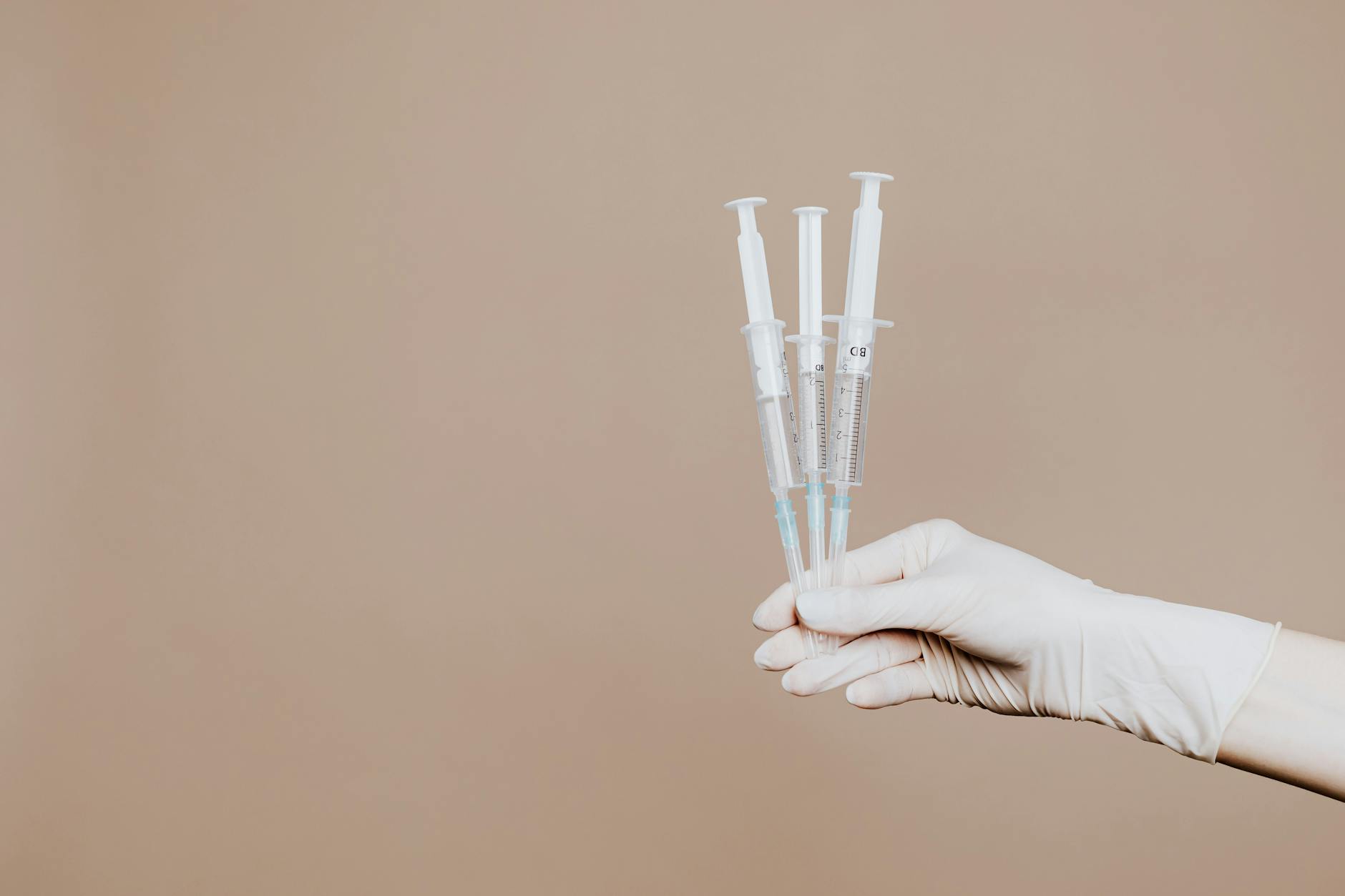
The clinical trial protocol involved three intradermal injections of 2 mg/mL RhCol-III solution administered at baseline, 30 days post-baseline, and 60 days post-baseline. This spacing allows time for the first injection to stimulate collagen remodeling before the second injection, and then another remodeling cycle before the third. The treatment timeline differs from some other fillers—you’re not looking for immediate dramatic results from a single injection, but rather a progressive improvement as your skin’s own collagen response develops over the two-month treatment window and beyond.
Most patients report noticeable improvements becoming visible around week 3-4 after the first injection, with continued refinement through the full treatment course. The injection depth is intradermal (into the dermis rather than deeper subcutaneous placement), which targets the exact layer where acne scarring causes damage. Because the mechanism relies partly on your body’s biological response, factors like age, skin quality, overall collagen production capacity, and sun exposure all influence final results—a 25-year-old with good skin health may see more dramatic improvements than a 55-year-old with photoaged skin.
Safety Profile and Tolerability
One of the most compelling aspects of recombinant human collagen is its excellent safety record in clinical studies. The published case series reported no significant adverse events, with all participants tolerating the treatment well and no cases requiring medical intervention. This contrasts with some other injectable treatments, which occasionally produce allergic reactions, granulomas, or migration issues.
The absence of adverse events across multiple studies is meaningful, though it’s worth noting that post-market surveillance for this relatively new treatment is still limited. If you’re considering treatment, the main precautions are standard injectable safety measures: avoid treatment if you’re pregnant or nursing, disclose blood thinning medications or supplements, and choose an experienced injector familiar with intradermal placement. Minor temporary redness, swelling, or tenderness at injection sites is possible but wasn’t a significant issue in the published studies. The recombinant source eliminates disease transmission risks associated with animal-derived or cadaveric collagen products, which were legitimate concerns with older technologies.
Recombinant Human Collagen vs. Other Acne Scar Treatments
Recombinant human collagen occupies an interesting position in the acne scar treatment landscape. Unlike Bellafill, the only FDA-approved filler specifically indicated for acne scar correction, recombinant collagen doesn’t contain polymethylmethacrylate microspheres—it’s pure bioactive collagen designed to be eventually replaced by your own collagen rather than remaining permanently. This means less risk of long-term complications, but it also means the results aren’t permanent and may eventually require maintenance injections.
Compared to animal-derived collagen products like the older bovine collagen formulations, recombinant sources offer superior biocompatibility and lower immunogenicity. Some patients who experienced reactions or disappointment with traditional collagen fillers may have better outcomes with recombinant versions. However, recombinant human collagen is newer and more expensive than established treatments, and insurance virtually never covers it (it’s considered cosmetic). For someone with severe, deep atrophic scars, subcision, laser resurfacing, or dermal grafting might be more effective than injection alone, whereas recombinant collagen works best for moderate scarring.
Current Product Availability and FDA Status
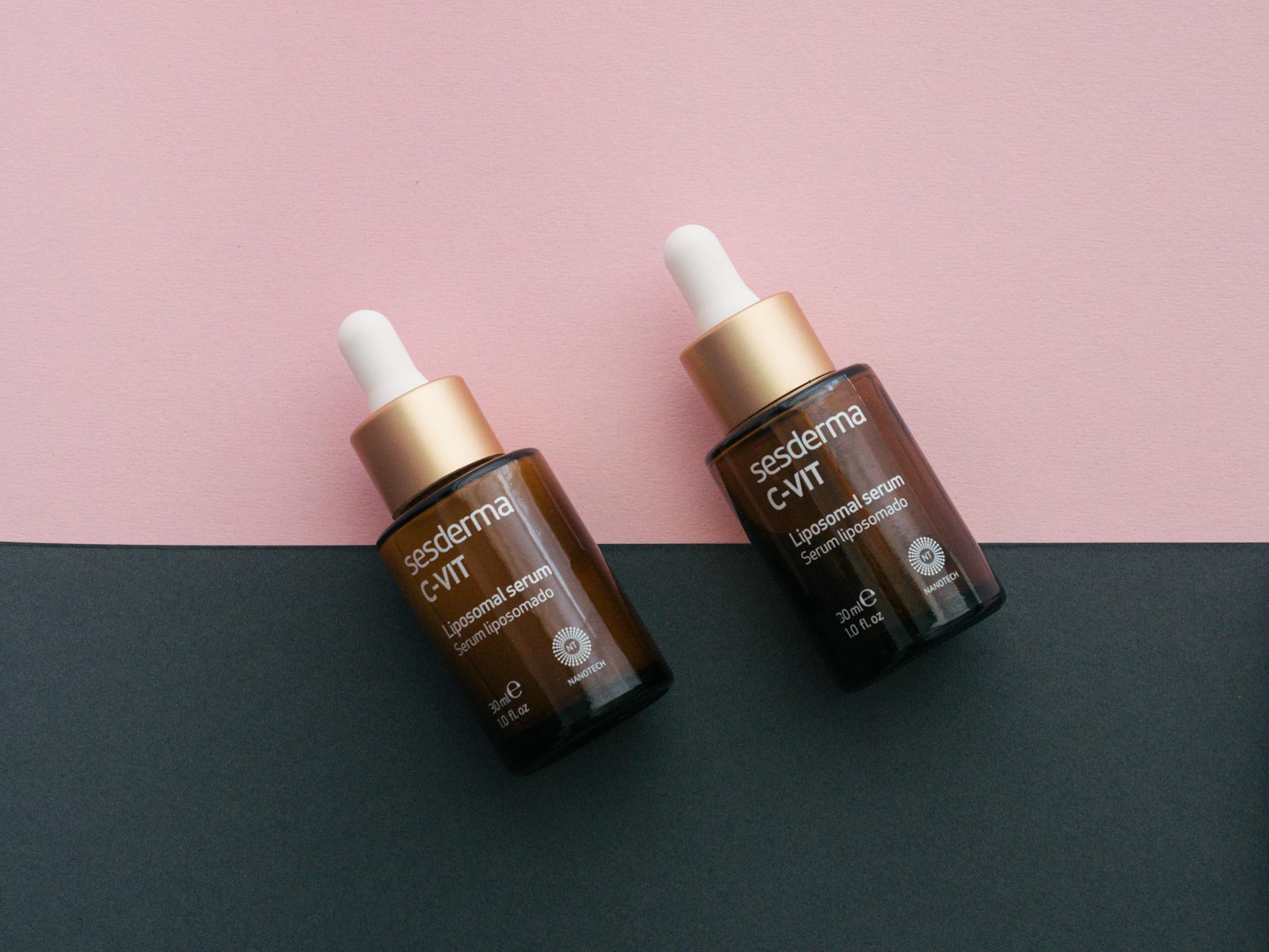
Karisma RH Collagen, marketed as the world’s first Collagen Bio-Restitutive treatment with recombinant humanized collagen as its main component, launched in 2026. This appears to be the primary commercialized product currently available, though other manufacturers may be developing similar formulations. The product positioning emphasizes the bioactive, regenerative nature of recombinant collagen versus passive filler approaches.
Regarding FDA approval, recombinant human collagen products have not received FDA clearance specifically for acne scar treatment as of 2026. The clinical studies demonstrating efficacy are published and legitimate, but FDA approval requires specific regulatory submissions and often larger patient populations. This doesn’t mean the treatment is unsafe or ineffective—regulatory approval timelines are lengthy—but it does mean recombinant collagen remains in a regulatory grey area in the United States, though it may be available through medical spas or dermatologists operating under different frameworks.
Future Development and Long-Term Outlook
Recombinant human collagen represents a meaningful evolution in injectable treatment technology. As a relatively new treatment (with major clinical publications emerging in 2025), the field is still early in understanding optimal injection depths, repeat treatment intervals, combination approaches with other modalities, and patient selection criteria. Future research will likely clarify which acne scar types respond best, whether maintenance treatments can extend results indefinitely, and whether combination with other treatments like microneedling or laser resurfacing produces synergistic effects.
The main limitation remains the research base—these are recent developments studied primarily in Asian patient populations, so broader demographic data and long-term outcome studies extending beyond 6-12 months will provide more complete understanding. As the technology matures and more practitioners gain experience, clinical protocols may be refined. For now, patients should approach recombinant collagen as a promising, well-tolerated option supported by solid short-term evidence, rather than an established standard-of-care treatment with decades of predictable outcomes.
Conclusion
Recombinant human collagen injections offer a biologically sophisticated approach to acne scar repair by combining physical filler properties with active collagen stimulation, resulting in measurable improvements in dermal thickness, density, elasticity, and skin smoothness. The clinical evidence from 2025 studies is encouraging, showing consistent results and excellent safety, with a treatment protocol involving three injections over two months. However, the technology is recent, primarily studied in Asian populations, and lacks the long-term outcome data or FDA approval of more established acne scar treatments.
If you’re considering recombinant human collagen for acne scars, consult a dermatologist or cosmetic surgeon experienced with the treatment who can assess your specific scarring pattern and discuss realistic expectations. Because results appear progressive rather than immediate, and require an active biological response from your skin, factors like age and overall skin health influence outcomes. For moderate acne scarring in someone seeking a minimally invasive option without permanent implant materials, recombinant collagen represents a genuinely novel treatment worth discussing with a qualified provider.