
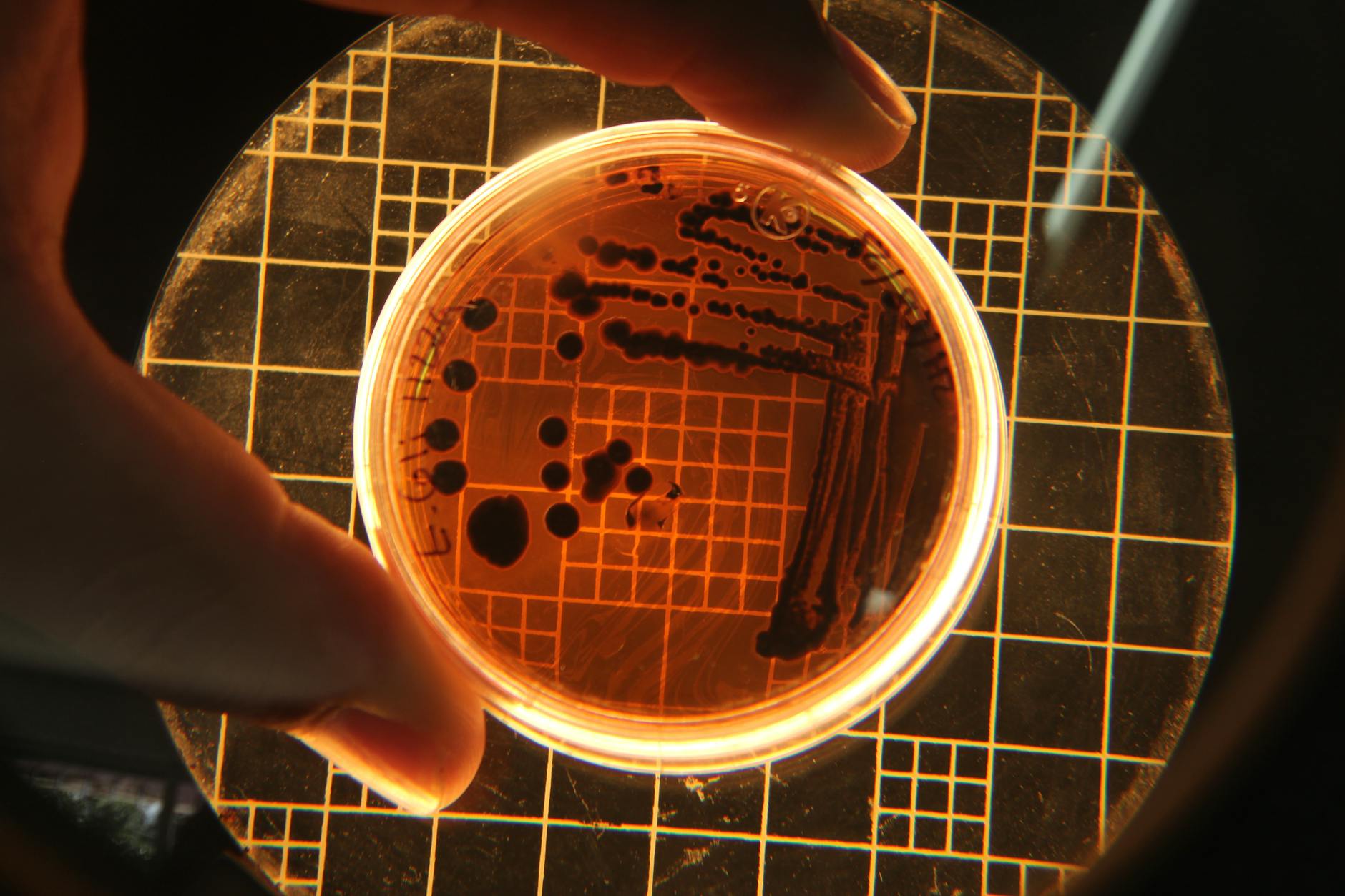
Stem cell conditioned media works for acne healing because it delivers a concentrated cocktail of growth factors, cytokines, and signaling molecules that trigger the skin’s natural repair pathways without requiring the stem cells themselves. When stem cells are cultured in a laboratory, they secrete healing compounds directly into the surrounding medium—substances like TGF-beta, FGF, VEGF, and interleukins that activate collagen production, reduce inflammation, and accelerate skin cell turnover.
A person with severe inflammatory acne and post-acne scarring might see reduction in redness within weeks and gradual improvement in textural damage over months, something that topical retinoids or antibiotics alone often cannot achieve at this depth. This article explores how conditioned media penetrates the acne problem at a biological level, how it compares to traditional treatments, the realistic timeline for results, and the limitations practitioners won’t advertise. We’ll also cover cost considerations, treatment frequency, and why this approach is gaining traction among dermatologists while remaining inaccessible to many patients due to price.
Table of Contents
- What Makes Stem Cell Secretions More Effective Than Conventional Acne Treatments
- The Science Behind Growth Factors and Skin Barrier Recovery
- How Conditioned Media Rebuilds Skin Architecture Damaged by Acne
- Treatment Protocols and Frequency That Deliver Results
- Variables That Limit Effectiveness and Contraindications
- Real-World Application: Who Actually Benefits Most
- Future Directions and Evolving Technology
- Conclusion
- Frequently Asked Questions
What Makes Stem Cell Secretions More Effective Than Conventional Acne Treatments
The key difference between conditioned media and standard acne therapies lies in mechanism. Benzoyl peroxide kills bacteria; retinoids increase cell turnover; hormonal treatments block androgen receptors. Stem cell conditioned media addresses the systemic inflammation and tissue damage that remains even after bacteria die.
A study comparing benzoyl peroxide alone versus benzoyl peroxide combined with stem cell derived factors showed the combination group had faster healing times and less post-inflammatory hyperpigmentation, particularly in darker skin tones where this is a persistent problem. The growth factors in conditioned media don’t just reduce inflammation—they actively recruit immune cells, increase blood flow to damaged tissue, and stimulate fibroblasts to synthesize new collagen. This means the healing response extends beyond acne active sites to address scarring, discoloration, and skin texture that develops after breakouts clear. However, conditioned media is less effective against active bacterial overgrowth; it works best when combined with other treatments or after bacterial load is already controlled.

The Science Behind Growth Factors and Skin Barrier Recovery
Stem cell conditioned media contains dozens of bioactive compounds, but three dominate acne healing: vascular endothelial growth factor (VEGF) promotes new blood vessel formation, which delivers oxygen and nutrients to damaged skin; transforming growth factor-beta (TGF-beta) triggers collagen and elastin synthesis; and fibroblast growth factor (FGF) accelerates cellular proliferation and migration needed for wound closure. These aren’t theoretical—clinical trials measuring these factors in conditioned media show they persist at therapeutic concentrations even after dilution for topical or injectable application. One limitation practitioners often downplay is that growth factor activity degrades over time.
Fresh conditioned media has maximum bioactivity; after four weeks of storage, even frozen samples lose 20-30% of their potency. Some clinics sell month-old or older conditioned media at full price, meaning patients may be paying for significantly diminished product. The stability issue also means at-home conditioned media products cannot match the potency of freshly prepared medical-grade formulations, making professional treatments more cost-effective per treatment despite higher upfront expense.
How Conditioned Media Rebuilds Skin Architecture Damaged by Acne
Severe acne doesn’t just create temporary inflammation—it triggers collagen degradation and dermal atrophy that leaves permanent indented scarring. Matrix metalloproteinases (MMPs) are enzymes that break down collagen during inflammation, and in acne-prone individuals, this process can cause cumulative damage. Conditioned media contains natural MMP inhibitors and simultaneously activates tissue inhibitors of metalloproteinases (TIMPs), essentially putting the brakes on collagen loss while the growth factors restart production.
In clinical practice, patients using conditioned media for three to six months often see noticeable improvement in rolling and boxcar scars—not elimination, but enough reduction to change how light reflects off the skin. Someone with significant facial scarring from their teenage years might see a 30-40% improvement in texture after six monthly treatments. The mechanism is gradual because collagen remodeling takes time; the skin essentially needs to rebuild its structural foundation, which is slower than surface improvements but more durable.
Treatment Protocols and Frequency That Deliver Results
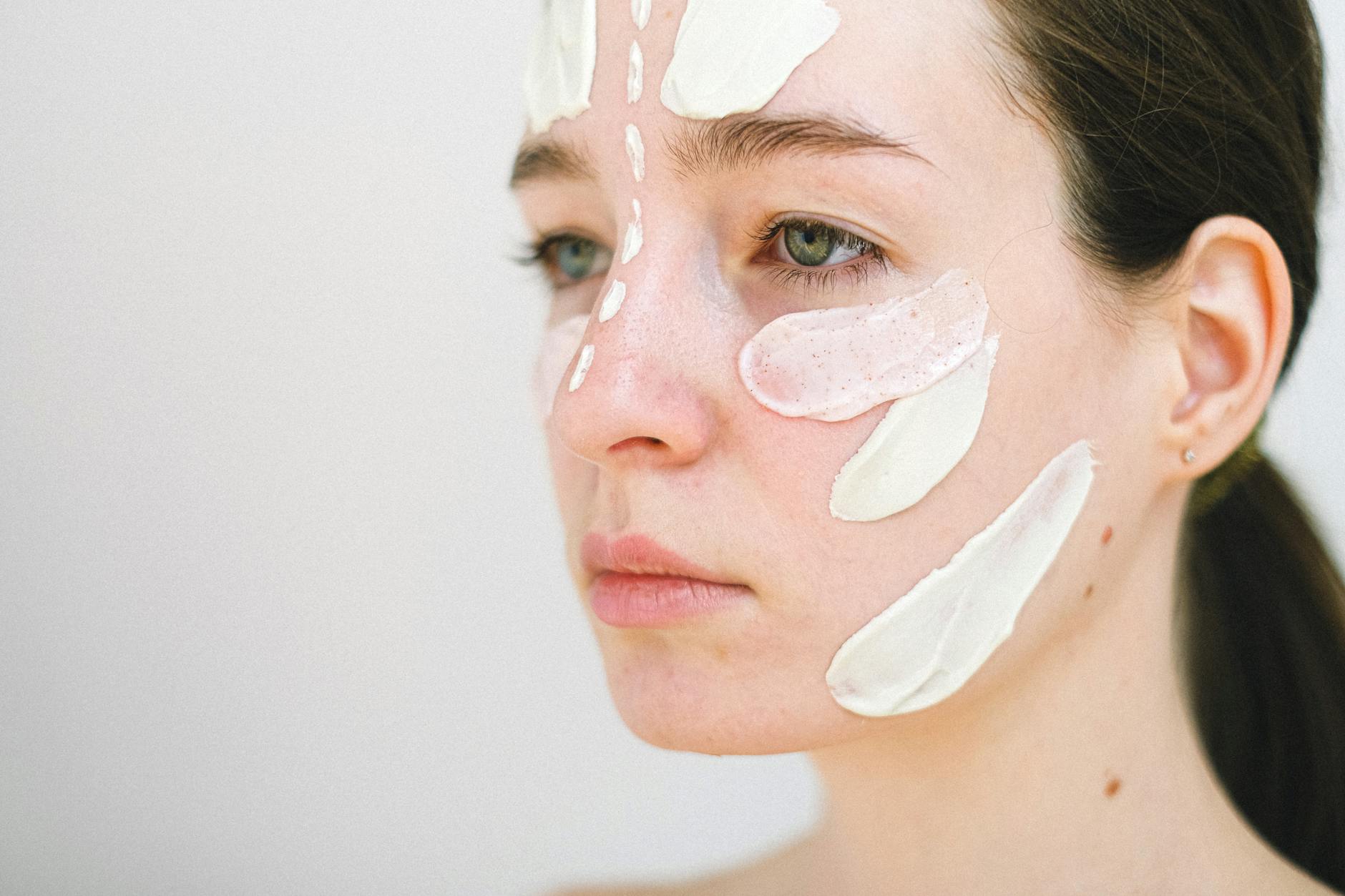
Conditioned media is typically administered through microneedling (injecting growth factors into damaged areas), mesotherapy (superficial injection across broader areas), or topical application under occlusion. Microneedling with conditioned media is most effective for scarring because the needling creates controlled micro-injuries that the growth factors then address; the combination amplifies results compared to either treatment alone. Most practitioners recommend monthly treatments for three to six months, then reassess.
A tradeoff exists between cost and frequency. Clinic-grade conditioned media treatments run $300-800 per session depending on region and clinic prestige, making a full course $900-4,800. At-home serums with stem cell derived factors (not true conditioned media, just extracts) cost $50-200 per bottle but deliver fraction-strength results—useful for maintenance but insufficient as primary treatment for moderate to severe acne or scarring. The question for patients becomes whether improvement justifies the cost versus trying laser resurfacing, which is cheaper upfront but may require repeated sessions and carries different side effect risks.
Variables That Limit Effectiveness and Contraindications
Conditioned media’s effectiveness depends heavily on baseline skin condition and other treatments in use. Patients using isotretinoin (Accutane) should typically pause conditioned media treatments because Accutane is already triggering aggressive healing processes and adding growth factors can cause unpredictable reactions. Similarly, patients on immunosuppressants may see reduced benefit because the immune cell recruitment that conditioned media relies on is dampened by their medications. Sun exposure during treatment cycles significantly reduces results—growth factors must remain concentrated in the skin to work effectively, and UV exposure triggers competing inflammatory pathways.
Practitioners often prescribe strict sunscreen protocol during and weeks after treatment, which many patients fail to follow, then blame the treatment for poor results. The product is also inconsistent across sources; conditioned media from different cell lines and different manufacturers shows variable growth factor concentrations. Some clinics use marketing-grade products with minimal active factor content, while others source pharmaceutical-grade material. There’s no easy way for consumers to verify quality before purchasing treatment.
Real-World Application: Who Actually Benefits Most
Conditioned media shows strongest results in patients with inflammatory acne scars (rolling, depressed) rather than severe atrophic or ice-pick scarring. Someone with moderate acne who now struggles with texture and discoloration but doesn’t have deep pitting will likely see noticeable improvement.
Patients with active inflammatory acne usually need their breakouts controlled first—using conditioned media on actively inflamed skin can sometimes intensify initial response as the growth factors accelerate immune clearance, leading patients to mistakenly think the treatment is making acne worse. The ideal candidate is typically in their twenties to forties, has resolved active breakouts, has realistic expectations about scar revision (50% improvement, not elimination), and can commit to monthly visits and strict sun protection. Younger patients sometimes request these treatments for active acne as a shortcut to other therapies, but data suggests better outcomes come from addressing underlying causes (hormonal, bacterial, sebaceous) first, then using conditioned media to repair the scarring that results.
Future Directions and Evolving Technology
Research into stem cell products continues to advance toward standardization and improved stability. Biotech companies are developing encapsulated and stabilized forms of conditioned media that don’t require refrigeration and maintain potency for months, which could make the treatments more accessible and cost-effective. Some research suggests combining conditioned media with other modalities—low-dose radio frequency, microneedling depth variations, or topical medications—might amplify results beyond current single-treatment outcomes. The regulatory landscape is also shifting.
Conditioned media exists in a gray zone between cosmetic and pharmaceutical product in many jurisdictions, meaning quality varies. As more dermatology practices adopt these treatments, insurance coverage conversations are beginning, though current coverage is rare outside clinical trial settings. Within five years, expect either clearer medical-grade standards (which would improve quality and consistency) or increased regulatory restrictions (which could limit access). For now, results depend heavily on finding an experienced practitioner using properly sourced, fresh conditioned media rather than just ordering the cheapest available product.
Conclusion
Stem cell conditioned media works for acne healing by delivering growth factors that address the root problem—dermal damage and inflammation—rather than just killing bacteria or removing surface skin. The approach is evidence-based and delivers measurable improvement for many people, particularly those with post-inflammatory scars and textural damage. However, results are gradual, expensive, require multiple treatments, and work best alongside other therapies rather than as a standalone solution.
If you have moderate acne scarring, have already controlled your breakouts through other means, and can commit to consistent monthly treatments and diligent sun protection, conditioned media is worth exploring with a board-certified dermatologist. If you’re still breaking out actively, have very deep pitting scars, or are price-sensitive, traditional laser treatments, chemical peels, or subcision might deliver faster or more cost-effective results. Ask practitioners specific questions about their product sourcing, growth factor concentrations, and storage methods before committing to a full treatment course.
Frequently Asked Questions
How is stem cell conditioned media different from stem cell therapy itself?
Conditioned media contains only the secreted factors (growth proteins, cytokines) that stem cells produce. You’re not receiving actual stem cells, which is important because that sidesteps regulatory restrictions, ethical concerns, and the risk of stem cells differentiating unpredictably in skin tissue. You get the beneficial proteins without the biological complexity.
Can I use at-home conditioned media serums instead of professional treatments?
At-home products labeled “stem cell derived” or “conditioned media” are typically diluted extracts or synthesized versions of growth factors, not true fresh conditioned media. They’re useful for maintenance between professional treatments or for mild texture issues, but insufficient as primary treatment for significant scarring. Professional clinical-grade conditioned media is considerably more potent.
How long do results last?
The collagen remodeling that conditioned media triggers is permanent—once your skin rebuilds that tissue, it stays. However, results continue to evolve for 6-12 months after treatment ends as collagen maturation continues. Maintenance is rarely needed unless new acne damage occurs.
Will conditioned media work on my dark skin tone?
Yes, and in some ways better than certain laser treatments because conditioned media doesn’t rely on melanin absorption. The growth factors work equally well regardless of skin tone, and dark-skinned patients often experience less post-inflammatory hyperpigmentation than with more aggressive resurfacing treatments.
Is conditioned media safe? Are there serious side effects?
Safety profile is generally good with minimal systemic absorption, but local reactions include temporary redness, mild swelling, and rarely, atypical inflammatory response. Infection risk is low if proper sterile technique is used. The main risk is financial—paying for treatments that don’t deliver expected results due to low-quality sourced products.