
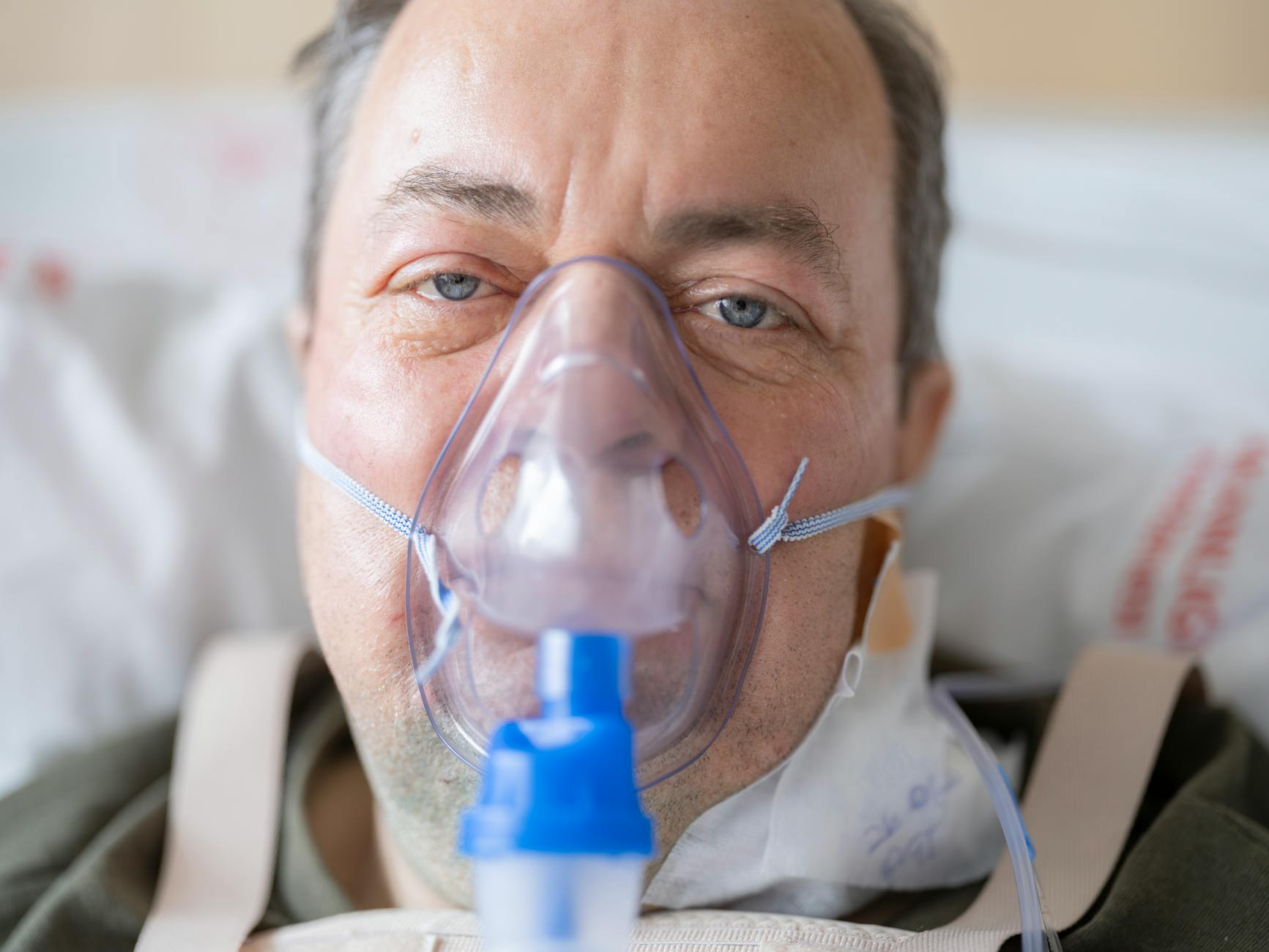
Hyperbaric oxygen therapy is sometimes used for acne healing because it delivers oxygen at increased pressure directly into the bloodstream, where the oxygen dissolves into plasma and reaches skin cells more efficiently than normal oxygen delivery. The high concentration of oxygen in skin tissue creates an environment hostile to acne-causing bacteria while simultaneously triggering anti-inflammatory responses that reduce redness and swelling. For example, someone with moderate inflammatory acne might pursue HBOT sessions at a wellness center hoping to accelerate healing, though they should understand this remains an experimental approach rather than a standard dermatological treatment. This article explores how HBOT works at a cellular level, examines the current scientific evidence, explains why mainstream medicine hasn’t yet adopted it for acne, and helps you understand whether this therapy might be worth discussing with a dermatologist for your specific situation.
Table of Contents
- How Does Hyperbaric Oxygen Therapy Work Against Acne Bacteria?
- What Does Current Research Say About HBOT’s Effectiveness for Active Acne?
- Why Is HBOT Better Established for Acne Scars Than Active Acne?
- Where Is HBOT Actually Being Used for Acne, and What Are the Costs?
- What Are the Limitations and Safety Concerns with HBOT for Acne?
- Can Combining HBOT with Other Acne Treatments Improve Results?
- The Future of HBOT in Acne and Skincare Medicine
- Conclusion
How Does Hyperbaric Oxygen Therapy Work Against Acne Bacteria?
The mechanism behind HBOT for acne centers on oxygen’s natural antimicrobial properties. When oxygen concentrations increase dramatically inside pressurized chambers, the oxygen dissolves directly into plasma—the clear liquid component of blood—which has thinner viscosity than red blood cells and penetrates tissues more effectively. This high-oxygen environment kills acne-causing bacteria like Cutibacterium acnes, which thrive in low-oxygen conditions.
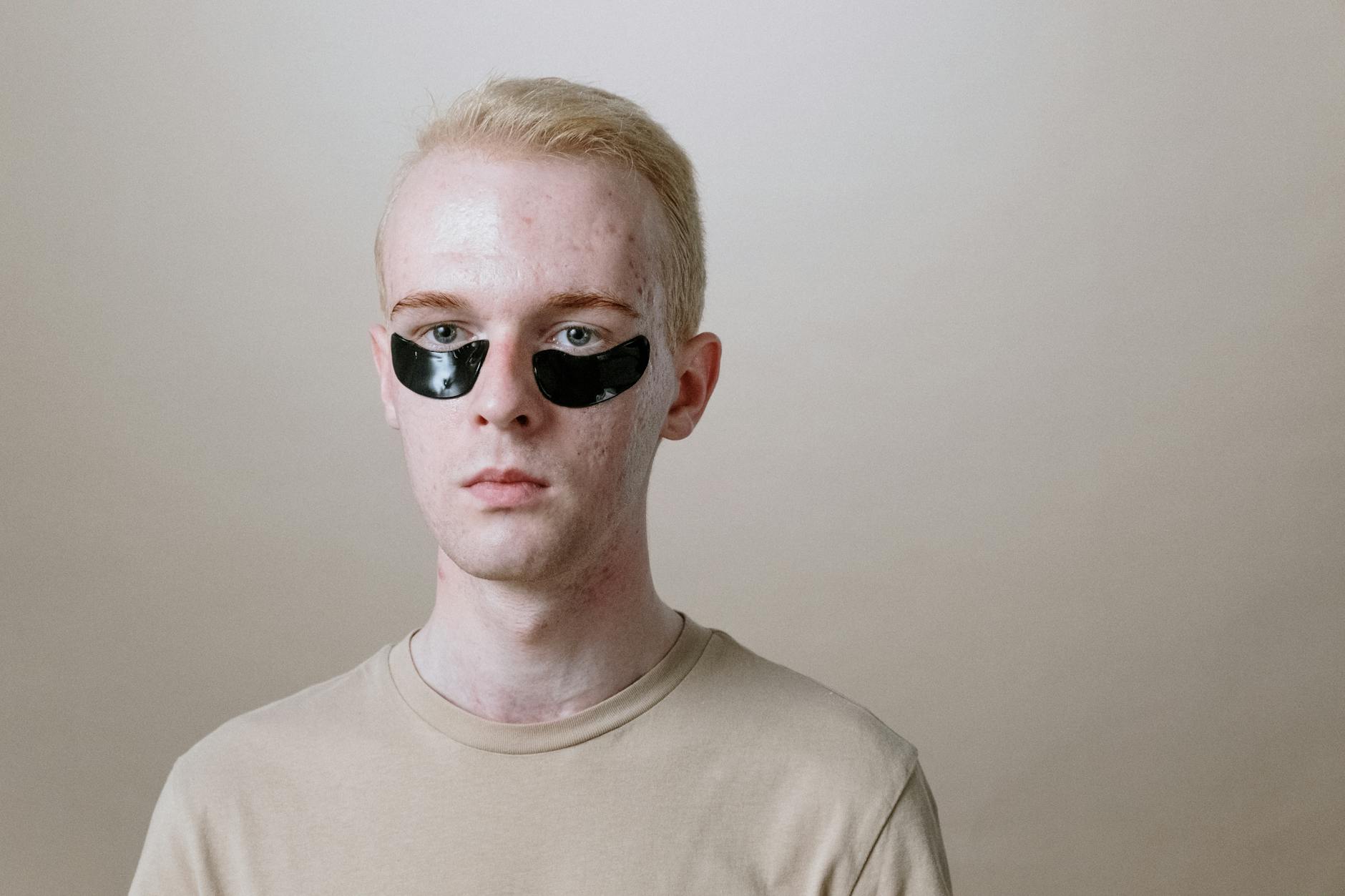
Additionally, the increased oxygen stimulates the body’s innate anti-inflammatory systems, reducing the redness and swelling characteristic of inflamed breakouts. A person with severe pustular acne might experience reduced inflammation after a series of HBOT sessions, though the effect is temporary and requires ongoing treatment. However, if you have mild comedonal acne (blackheads and whiteheads) rather than inflammatory lesions, HBOT is unlikely to provide noticeable benefits since those lesions involve different biological processes.
What Does Current Research Say About HBOT’s Effectiveness for Active Acne?
The evidence for HBOT treating active acne vulgaris remains limited and preliminary. While the theoretical mechanisms—antimicrobial and anti-inflammatory effects—are sound, formal clinical trials specifically evaluating HBOT for active acne are sparse. Most existing research focuses on topical oxygen therapy rather than systemic hyperbaric treatments, and these topical studies do show promise for mild to moderate acne as a supportive therapy alongside other treatments.
Recent systematic reviews published in 2024-2025 journals like the Journal of Cosmetic Dermatology and Frontiers in Aging document HBOT’s expanding role in dermatology, but they emphasize that acne treatment remains outside mainstream medical indications. The stronger evidence base exists for acne scarring rather than active breakouts; HBOT demonstrates clear benefits in stimulating fibroblast activity and collagen synthesis, which can improve the appearance of atrophic scars left behind by severe acne. If your primary concern is active acne rather than scars, the lack of robust clinical evidence means HBOT should not replace proven treatments like retinoids, benzoyl peroxide, or antibiotics.
Why Is HBOT Better Established for Acne Scars Than Active Acne?
Acne scars represent a different healing challenge than active breakouts, which is why HBOT shows more convincing results for post-acne skin. Scarring involves chronic collagen deficits and impaired tissue remodeling, while active acne involves ongoing bacterial overgrowth and inflammation.
HBOT’s capacity to boost cellular metabolism and accelerate collagen production directly addresses the scarring problem, whereas active acne requires controlling bacterial populations and immune responses that topical treatments handle more effectively. Someone who spent years treating severe cystic acne and now has rolling or boxcar scars might pursue HBOT in combination with microneedling or other scar treatments, with more realistic expectations of improvement. However, if your scars are severe and raised (hypertrophic), HBOT alone is unlikely to provide dramatic results—it works best on shallow, atrophic scars where increased collagen deposition can fill the depression.
Where Is HBOT Actually Being Used for Acne, and What Are the Costs?
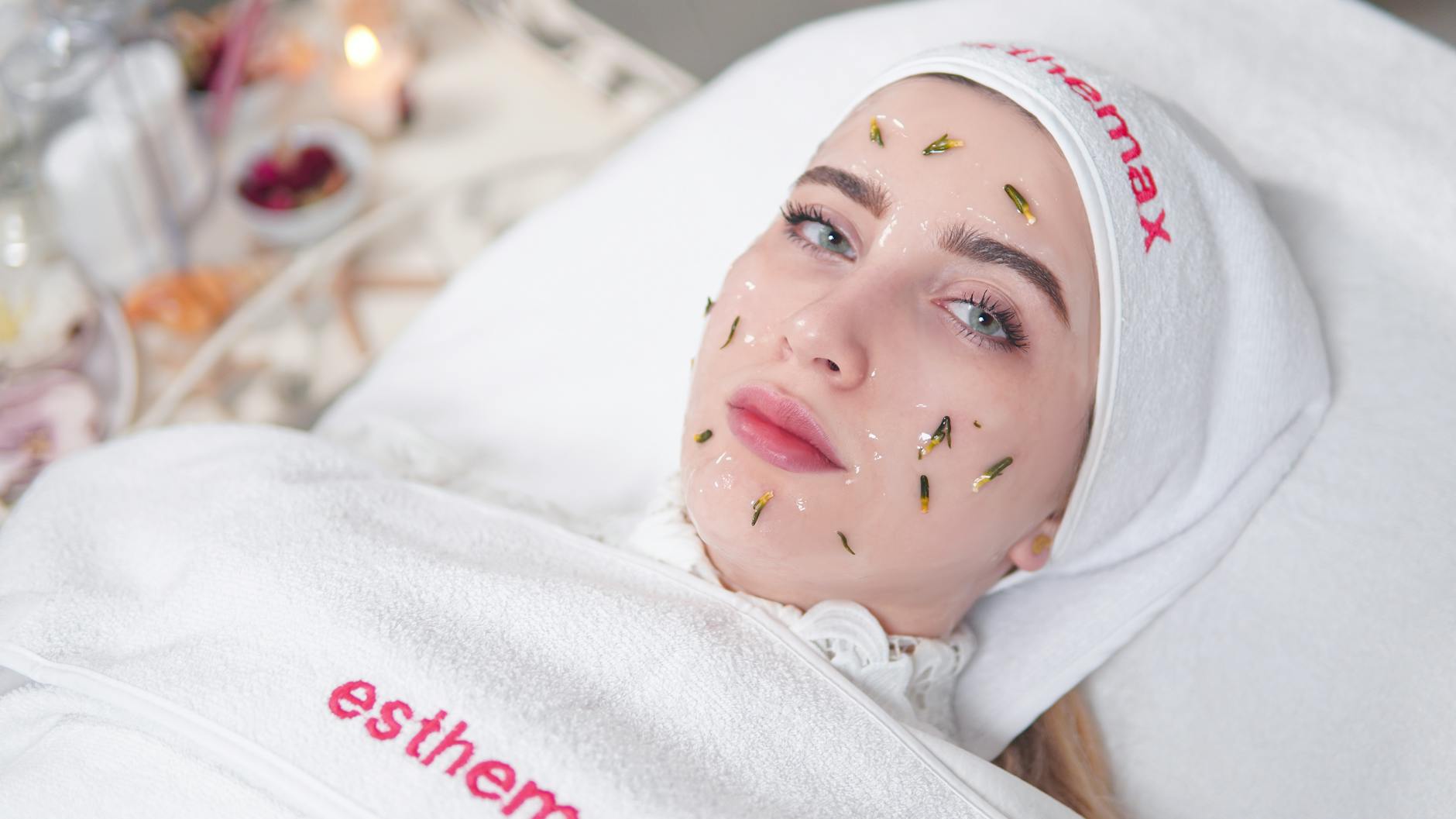
Hyperbaric oxygen therapy for acne and skin enhancement is growing in popularity at wellness centers, private dermatology clinics, and aesthetic medicine practices, particularly in urban areas where facilities exist. These centers market HBOT as anti-aging, skin-rejuvenating therapy, often positioning it as a premium treatment for people seeking comprehensive skin enhancement.
A typical HBOT course for acne might involve 10-40 sessions (one session per day), with each session costing $200-$500 depending on facility overhead and location, bringing total treatment costs to $2,000-$20,000. Standard insurance does not cover HBOT for acne or cosmetic purposes because the FDA and mainstream dermatological organizations do not recognize acne as a valid medical indication. Compare this to a dermatologist visit and a prescription for isotretinoin (Accutane) for severe acne, which costs a few hundred dollars and has decades of efficacy data, and the cost-benefit calculation becomes clearer.
What Are the Limitations and Safety Concerns with HBOT for Acne?
While HBOT itself carries a reasonable safety profile when administered in proper facilities—with risks including ear barotrauma, sinus pressure, and rarely oxygen toxicity—the major limitation for acne is that the treatment effects are temporary and require ongoing maintenance. Acne is a chronic condition; if you stop HBOT sessions, your acne will likely return to baseline within weeks or months because the underlying factors driving breakouts (hormones, bacteria, sebum production, inflammation) remain unchanged.
Additionally, HBOT doesn’t address the root causes of acne in most people, such as hormonal imbalances (which respond to birth control, spironolactone, or isotretinoin) or clogged pores (which respond to topical retinoids). Someone pursuing HBOT for acne might feel temporarily better but find themselves trapped in an expensive, indefinite treatment cycle. More importantly, if you have active acne, most dermatologists recommend exhausting evidence-based treatments first—retinoids, benzoyl peroxide, antibiotics, or hormone-modulating medications—before considering experimental approaches like HBOT.
Can Combining HBOT with Other Acne Treatments Improve Results?
Research into combination approaches using therapeutic infusions delivered via oxygen dispensers shows promise for mild acne, suggesting that pairing HBOT with active ingredients could enhance effectiveness. This methodology—delivering phytotherapeutic compounds or medications alongside oxygen—represents an evolving area of aesthetic dermatology.
However, most people pursuing HBOT for acne are using it as a standalone treatment rather than integrating it into a comprehensive regimen, which may explain why results remain underwhelming compared to expectations. A person combining HBOT with consistent use of tretinoin (a proven retinoid) might see additive benefits through the oxygen’s anti-inflammatory effects reducing tretinoin irritation, though this combination remains untested in formal studies.
The Future of HBOT in Acne and Skincare Medicine
As 2024-2025 systematic reviews accumulate, the medical community continues to evaluate HBOT’s role in dermatology, but consensus remains that acne treatment is not yet a mainstream indication. The therapy shows clearer promise for other dermatological conditions, wound healing, and tissue regeneration, where the evidence base is substantially stronger.
If HBOT’s acne application gains traction through future clinical trials demonstrating clear superiority over existing treatments, medical guidelines could evolve. For now, HBOT remains a speculative, expensive option marketed primarily by aesthetic centers rather than evidence-based dermatology, making it unsuitable as a primary treatment strategy.
Conclusion
Hyperbaric oxygen therapy is used for acne because oxygen’s antimicrobial and anti-inflammatory properties theoretically address two key drivers of breakouts—bacterial overgrowth and tissue inflammation. However, limited formal clinical evidence for active acne, combined with the temporary nature of results and high costs, means HBOT should not replace proven treatments like retinoids, benzoyl peroxide, antibiotics, or hormone-modulating medications. The stronger evidence base for acne scarring rather than active breakouts suggests HBOT might have a future role in post-acne skin recovery, but only after other treatments have resolved the underlying acne.
If you’re considering HBOT for acne, start by consulting a dermatologist about conventional treatment options that have decades of efficacy data and are covered by insurance. HBOT can be discussed as a potential complementary therapy for inflammation or scarring only after evidence-based approaches have been optimized, and only if your dermatologist believes it might add value to your specific situation. The therapy’s current status is experimental for acne rather than established, making it a secondary consideration at best.