
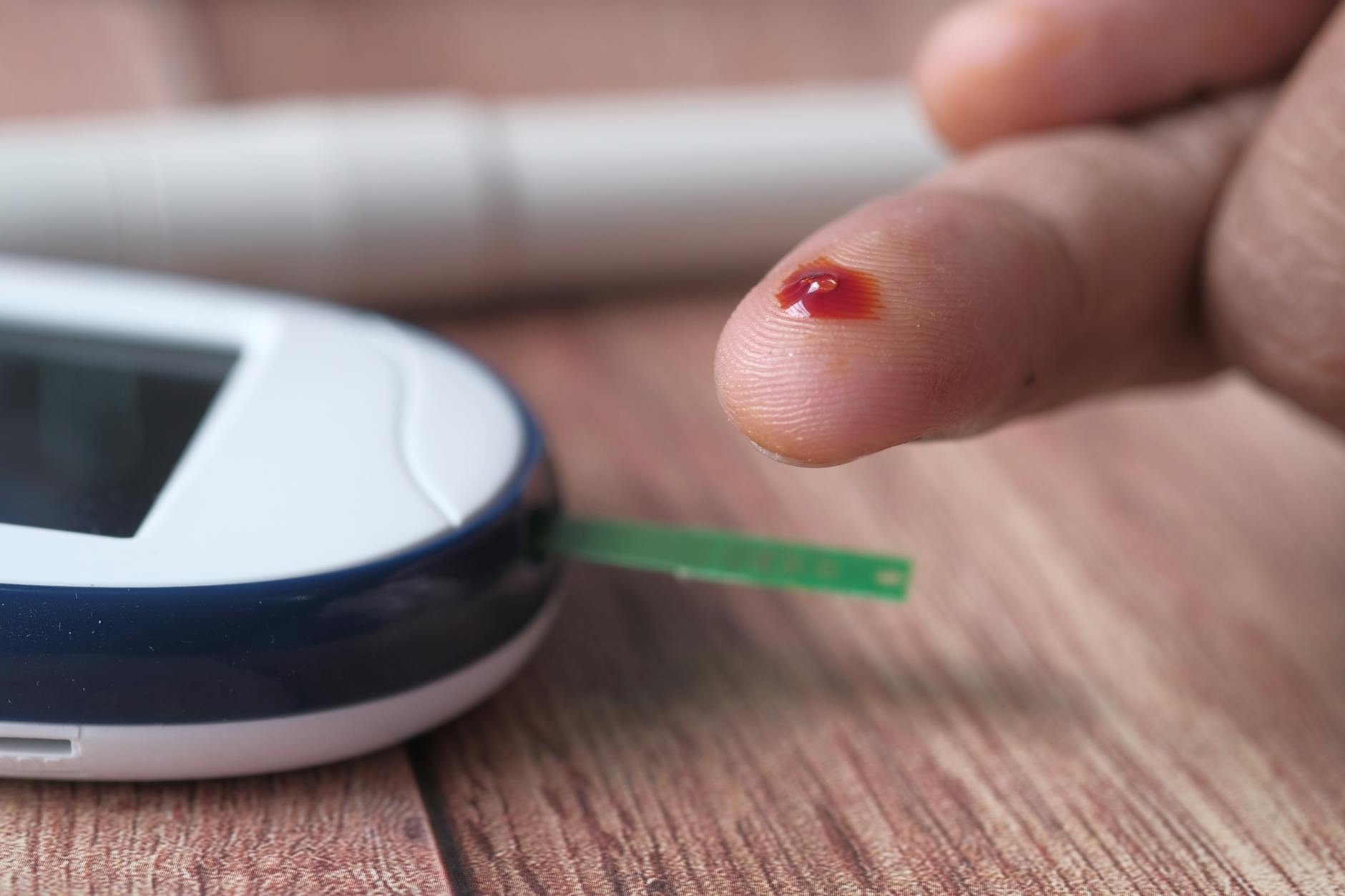
iPLEDGE requires Accutane patients to undergo blood tests approximately every 30 days throughout their treatment course, with additional testing at baseline before starting the medication. More specifically, patients must have liver function tests, lipid panels, and pregnancy tests (for women of childbearing potential) performed before starting Accutane, then at least once per month during treatment, with results reported to the iPLEDGE system before each prescription refill is authorized. For example, if you start Accutane on March 1st, you’ll need baseline labs done within 7 days before that date, then monthly labs due around April 1st, May 1st, and so on for the duration of your treatment, which typically lasts 15-20 weeks depending on your cumulative dosage target. This article explains the exact frequency requirements, what tests are included, why they’re necessary, and what happens if you miss the deadlines.
Table of Contents
- What Are iPLEDGE Blood Test Requirements for Accutane Patients?
- Understanding the Baseline and Monthly Monitoring Schedule
- Specific Blood Tests Required by iPLEDGE
- What Happens If You Miss a Required Blood Test
- Common Issues and Lab Coordination Challenges
- Differences Between Male and Female Patients
- The Future of Accutane Monitoring and iPLEDGE Evolution
- Conclusion
- Frequently Asked Questions
What Are iPLEDGE Blood Test Requirements for Accutane Patients?
iPLEDGE is a mandatory Risk Evaluation and Mitigation Strategy (REMS) program that requires strict monitoring because Accutane (isotretinoin) is highly teratogenic and can cause serious liver and blood lipid abnormalities. The program mandates that all patients, regardless of gender, have baseline blood work before starting treatment. For men and postmenopausal women, baseline testing must include liver function tests (AST and ALT), fasting lipid panel (cholesterol, LDL, HDL, and triglycerides), and a complete blood count. For women of childbearing potential, iPLEDGE also requires two pregnancy tests—one at baseline and one during the first five days of the menstrual cycle, plus monthly pregnancy tests throughout treatment.
After baseline testing, the core requirement is monthly blood work. This means if you’re on Accutane for 16 weeks (a typical course), you’ll need approximately 5-6 sets of labs: baseline, then one at weeks 4, 8, 12, and 16. Each monthly visit must confirm that your liver function and lipids remain within acceptable ranges before your dermatologist can authorize your next 30-day prescription. Some patients experience dose adjustments if labs show concerning trends, which may extend their treatment timeline and thus the total number of required tests.

Understanding the Baseline and Monthly Monitoring Schedule
Your baseline blood work should be completed no more than 7 days before your first Accutane dose, though some dermatologists prefer it within 3-5 days to ensure accuracy. However, if your baseline labs are outside normal ranges—for example, if your triglycerides are 300 mg/dL or your ALT is mildly elevated—your dermatologist may delay starting Accutane while you modify diet, lifestyle, or other medications to bring values into safer territory. This waiting period can add 2-4 weeks to your treatment timeline, and some patients mistakenly assume they can start Accutane immediately and do labs later, which iPLEDGE prohibits.
Monthly follow-up labs should ideally be scheduled 28-32 days after your previous test, and they must be completed before your dermatologist can issue a prescription refill. In practice, this means you’ll typically have a blood draw appointment, wait 2-3 business days for results, then have a dermatologist appointment to review labs and authorize the next prescription. If your labs are delayed—say, your lab doesn’t process results until 5 days later—you may experience a gap in your Accutane supply while waiting for authorization. Some dermatology offices now use standing lab orders that automatically renew each month, which streamlines the process but requires proactive coordination between your dermatology clinic and lab.
Specific Blood Tests Required by iPLEDGE
The iPLEDGE program requires three main categories of blood tests: liver function tests, lipid panels, and pregnancy tests (where applicable). Liver function tests measure aspartate aminotransferase (AST) and alanine aminotransferase (ALT), enzymes that indicate whether Accutane is causing hepatotoxicity. Most labs report normal ALT as below 40 IU/L and AST as below 35 IU/L, though some reference ranges vary slightly. During Accutane treatment, mild elevation to 1.5 times the upper limit of normal is often tolerated, but significant elevation (more than 3 times normal) typically prompts dose reduction or temporary discontinuation.
Lipid panels measure total cholesterol, LDL cholesterol, HDL cholesterol, and triglycerides. Accutane frequently raises triglycerides and can elevate total cholesterol and LDL while lowering HDL—a pattern that increases cardiovascular risk. For example, a patient with baseline triglycerides of 130 mg/dL might see levels rise to 250 mg/dL after 4 weeks of Accutane. If triglycerides exceed 500 mg/dL or if lipid abnormalities don’t respond to diet modification, dermatologists may reduce the Accutane dose or add statin therapy. Additionally, women of childbearing potential require serum or urine pregnancy tests at baseline, during the first 5 days of each menstrual cycle, and then monthly on the same schedule as liver and lipid testing—so effectively two pregnancy tests per month for women.

What Happens If You Miss a Required Blood Test
If you miss a monthly blood test deadline, your dermatologist cannot legally issue a new Accutane prescription, and you’ll experience a treatment gap. iPLEDGE’s system blocks prescription authorization until lab results are reported, so this isn’t a minor inconvenience—it can derail your entire treatment timeline. For instance, if you’re scheduled for labs on April 15th but don’t go until April 25th, your dermatologist won’t authorize your April prescription until those results are entered into iPLEDGE, potentially delaying your next dose by 10 days. Since Accutane’s effectiveness depends on reaching a cumulative dose target (usually 120-150 mg/kg of body weight), delays extend your total treatment duration and may mean an additional month or more of medication.
Additionally, iPLEDGE has strict rules about lab timing. If labs are more than 35 days apart, some dermatologists and labs may require you to restart certain tests or restart the entire baseline protocol, treating it as if you’re beginning a new course. Some patients also encounter issues when switching labs or dermatologists mid-treatment; if your new lab isn’t registered with iPLEDGE or your new dermatologist’s office hasn’t properly transferred your records, you may face delays of several days to a week while paperwork is sorted. The lesson: schedule blood work proactively, don’t wait until the deadline arrives.
Common Issues and Lab Coordination Challenges
One frequent problem is that blood test results take longer than expected. Most commercial labs return results within 2-3 business days, but holidays, weekend delays, or backlogged specimens can stretch this to 5-7 days. If your dermatologist’s office doesn’t follow up proactively, you might assume results are in when they’re still pending, miss the authorization window, and end up without a refill. To avoid this, many dermatology offices now ask patients to call labs directly to confirm results are finalized, rather than waiting for the office to contact them.
Another common issue is that some labs aren’t properly credentialed with iPLEDGE, or your insurance may direct you to a different lab than the one your dermatologist uses. When there’s a mismatch—for example, your insurance covers only Quest Diagnostics, but your dermatologist’s office sends orders to LabCorp—results may not transfer properly to iPLEDGE, causing authorization delays. Additionally, if you’re traveling or moved during treatment, using an out-of-network lab can trigger iPLEDGE’s verification processes and add 1-2 weeks to authorization. Planning ahead and confirming with your dermatologist which lab to use before each appointment prevents these delays.

Differences Between Male and Female Patients
Male patients have a simpler monitoring schedule: baseline liver and lipid testing, then monthly liver and lipid testing for the duration of treatment. They do not require pregnancy tests, so they have roughly 40% fewer blood draws than women of childbearing potential. However, men are not exempt from liver toxicity or lipid abnormalities—in fact, some research suggests men experience slightly higher rates of lipid elevation during Accutane therapy, possibly because they’re less likely to be taking statins prophylactically compared to women with cardiovascular risk factors. Women of childbearing potential face the added burden of pregnancy testing, which effectively doubles their blood draw frequency.
The first pregnancy test is a serum beta-hCG at baseline, then after that, women must have a urine pregnancy test during days 1-5 of their menstrual cycle, plus an additional test (serum or urine) at the time of their monthly dermatology visit. This dual-testing requirement exists because Accutane causes severe birth defects if used during pregnancy. Some women find the frequent pregnancy testing invasive or burdensome, and a small number have reported delayed treatment authorization when menstrual cycles were irregular, making the “days 1-5” requirement difficult to schedule. Women using hormonal contraception (which suppresses menstruation) can apply for a waiver with iPLEDGE, but they must provide proof of two forms of contraception and still undergo monthly serum pregnancy tests.
The Future of Accutane Monitoring and iPLEDGE Evolution
The iPLEDGE program has existed since 2002, and while it has prevented accidental exposures of pregnancy to Accutane, it’s also generated criticism for being burdensome, particularly for women. Recent discussions within dermatology have focused on whether monthly lab testing could be extended to every 6-8 weeks for stable patients, or whether home-based lipid screening and pregnancy tests could reduce office visits. However, as of 2026, iPLEDGE remains unchanged, and dermatologists are required to follow the monthly protocol regardless of whether a patient’s labs are consistently stable.
Some newer data suggests that more frequent lipid monitoring (every 2 weeks) in the first month of treatment might better predict which patients will develop severe hypertriglyceridemia, allowing for earlier dose adjustments. Conversely, other research indicates that patients whose lipids stabilize after month 2 rarely experience further abnormalities, suggesting that every-other-month testing might be safe after an initial stabilization period. If iPLEDGE is updated in the coming years, it will likely incorporate this evidence to make monitoring more personalized—reducing testing frequency for low-risk patients while maintaining vigilance for those at higher risk.
Conclusion
iPLEDGE requires Accutane patients to undergo blood tests at baseline and approximately every 30 days throughout treatment to monitor liver function, lipids, and (for women) pregnancy status. Missing these tests delays your prescription authorization and extends your overall treatment timeline, so proactive scheduling and coordination with your lab and dermatologist is essential. The exact testing requirements are non-negotiable and legally mandated, even though they add time and cost to your treatment journey.
To successfully navigate iPLEDGE monitoring, confirm your lab provider with your dermatologist before starting treatment, schedule blood work 2-3 weeks before it’s due (rather than on the deadline), and call your lab directly to confirm results are finalized before your next dermatology appointment. If you’re traveling during treatment or switching labs mid-course, notify your dermatologist at least two weeks in advance. Understanding these requirements upfront removes confusion and ensures you stay on schedule to complete your Accutane course safely and efficiently.
Frequently Asked Questions
Can I get my blood work done at any lab, or does it have to be a specific one?
Your lab must be registered with iPLEDGE and properly licensed. Most major labs (Quest Diagnostics, LabCorp, hospital labs) are registered, but before starting Accutane, confirm with your dermatologist which lab they use and verify it’s in-network with your insurance. Using an unregistered lab or one that doesn’t properly report to iPLEDGE will block your prescription authorization.
If my lipids or liver function are slightly abnormal, can I start Accutane anyway?
No. iPLEDGE requires baseline values to be within acceptable ranges before starting Accutane. If your baseline lipids or liver enzymes are elevated, your dermatologist will ask you to retest after 4-8 weeks of dietary modification or other intervention. Starting Accutane with abnormal baseline labs puts you at higher risk for serious complications and violates iPLEDGE protocol.
What if I’m on hormonal birth control? Do I still need monthly pregnancy tests?
Yes. Even with birth control, iPLEDGE requires a serum pregnancy test at baseline and monthly during treatment. However, if you’re on continuous hormonal contraception and can provide proof of two forms of contraception, you may be able to waive the additional cycle-day pregnancy test, reducing your total pregnancy tests from about 10 per course to 5-6. Ask your dermatologist about applying for this waiver.
How long does it take to get Accutane approved after my baseline blood work?
Once your baseline labs are in the system, your dermatologist can authorize a prescription within 24-48 hours, assuming all results are normal and you’re enrolled in iPLEDGE. However, if labs take longer to process or if there’s any administrative delay, approval can take up to one week. Plan for at least 2-3 weeks from your first blood draw to receiving your first Accutane dose.
If I miss a blood test, how long until I can get back on track?
Once you complete the missed blood work, your dermatologist can authorize a prescription within 1-2 business days (assuming results are normal). However, you’ll have experienced a gap in your medication, extending your total treatment length. To avoid missing deadlines, schedule labs at least 3-5 days before they’re due rather than waiting until the last moment.
Are there any blood tests other than liver and lipid panels that iPLEDGE requires?
iPLEDGE’s core requirements are liver function (AST/ALT), fasting lipid panel, and pregnancy tests (for women). Some dermatologists also order a complete blood count (CBC) or kidney function tests, but these aren’t officially mandated by iPLEDGE itself. Your dermatologist may order additional tests based on your medical history.