
Female acne patients need monthly pregnancy tests while taking Accutane because this medication causes severe, permanent birth defects in nearly 100% of exposed pregnancies—including craniofacial abnormalities, cardiac defects, cleft palate, and intellectual disability. A single dose during pregnancy can result in these irreversible complications, which is why the FDA requires mandatory monthly testing as part of the iPLEDGE program, a strict risk minimization system established in 2002. This article covers why Accutane poses such extreme pregnancy risks, how the monthly testing protocol works in clinical practice, what female patients need to do to stay compliant, and how to safely manage fertility concerns while treating severe acne with this powerful medication.
Table of Contents
- What Makes Accutane So Dangerous During Pregnancy?
- Understanding the iPLEDGE Program Requirements for Female Patients
- How the Monthly Pregnancy Testing Protocol Actually Works in Clinical Practice
- Contraception Requirements and How They Integrate With Monthly Testing
- Common Pitfalls and Why Compliance Matters Beyond Regulatory Reasons
- Accutane and Future Fertility: Planning Pregnancy After Treatment Ends
- Navigating Mental Health and Psychological Impact During iPLEDGE Monitoring
- Conclusion
What Makes Accutane So Dangerous During Pregnancy?
Isotretinoin (Accutane) is a derivative of vitamin A that fundamentally restructures how skin cells develop and differentiate. When taken during pregnancy, it crosses the placental barrier and interferes with fetal organ formation during critical developmental windows—particularly in the first trimester when the heart, face, ears, and brain are forming. Research shows that approximately 25-30% of exposed pregnancies result in miscarriage, and of those that continue, roughly 25% of live births have serious birth defects. These aren’t minor issues or rare complications; they’re permanent structural problems that affect a child’s quality of life.
For example, a fetus exposed to isotretinoin in the first 8 weeks of pregnancy may be born with a cleft palate, absent or malformed ears, congenital heart disease, or significant neurological impairment. The medication is so teratogenic that it prompted the creation of iPLEDGE—a unique regulatory system where the FDA, manufacturers, prescribers, pharmacists, and patients all participate in a shared accountability program. Under iPLEDGE, female patients of childbearing potential must have documented negative pregnancy tests before starting Accutane and monthly during treatment. The system isn’t just a recommendation or best practice; it’s a federal requirement built into the pharmacy dispensing system itself.

Understanding the iPLEDGE Program Requirements for Female Patients
iPLEDGE is a Risk Evaluation and Mitigation Strategy (REMS) program that has two distinct pathways for female patients: the standard category and the Accutane Risk Minimization Education (iPLEDGE) category. All females of childbearing potential (defined as anyone who has reached menarche and has not reached menopause, regardless of sexual activity or intention to have children) fall into the standard category, which requires a baseline pregnancy test, monthly pregnancy tests, and documentation of two forms of contraception or abstinence from sexual contact with males. The monthly pregnancy tests must be performed by a licensed healthcare provider—home pregnancy tests don’t satisfy iPLEDGE requirements because they lack the medical documentation trail.
However, some female patients qualify for a waiver that removes the contraception requirement: those over 40 years old, those who are infertile due to medical reasons (hysterectomy, anovulation, etc.), and those in relationships where they engage exclusively in sexual contact with females. If you fall into one of these categories, you still need the monthly pregnancy tests, but you don’t need to use two forms of contraception—though your prescriber will document the specific reason for the waiver. It’s crucial to understand that even if you’re asexual, in a same-sex relationship, or not planning pregnancy, you must still participate in monthly testing because regulatory compliance is mandatory; you cannot negotiate around this requirement.
How the Monthly Pregnancy Testing Protocol Actually Works in Clinical Practice
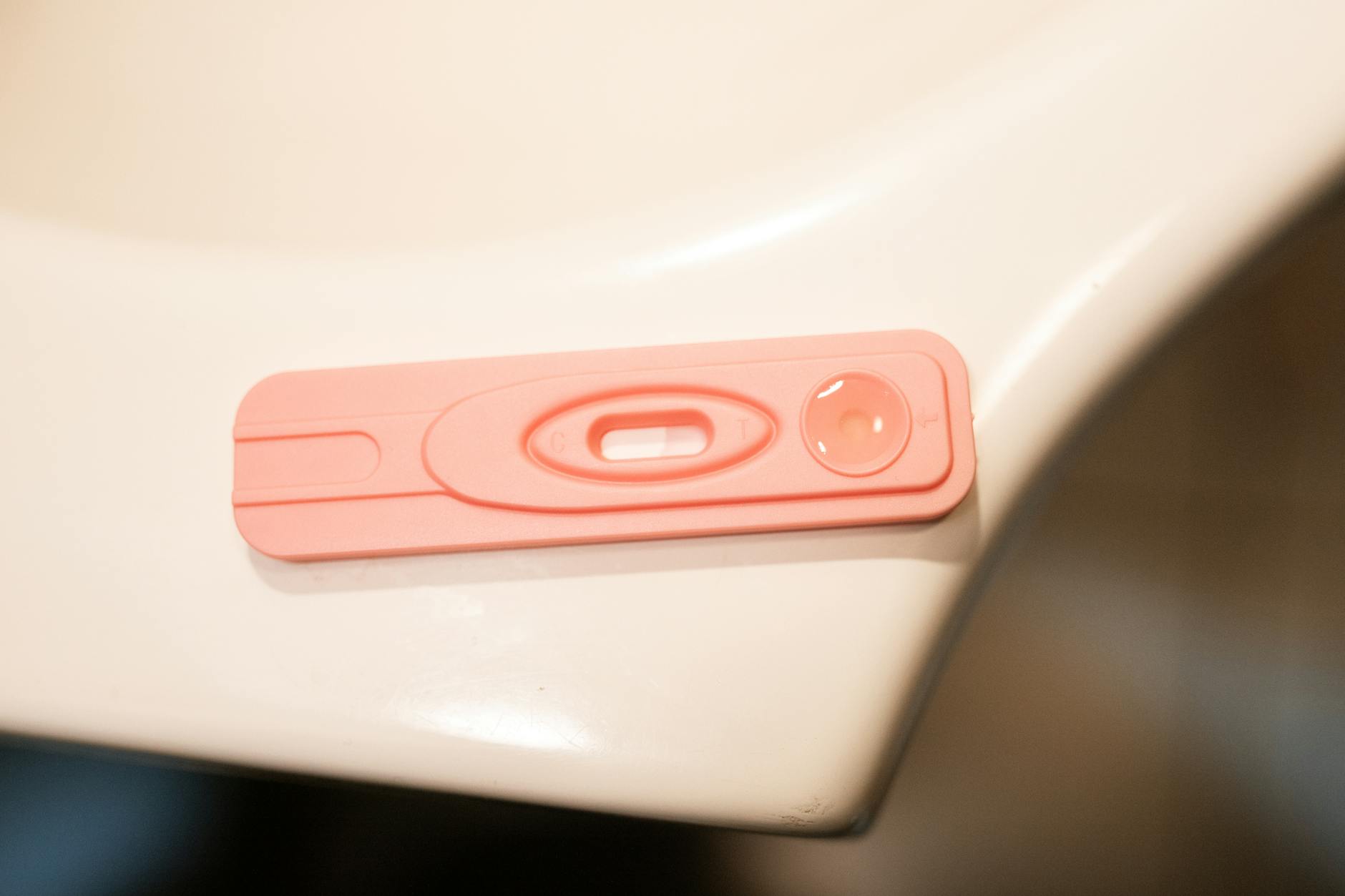
The practical reality of monthly Accutane testing differs from what patients might imagine. You cannot simply walk into a lab and request a pregnancy test; your prescriber must order the test through the iPLEDGE system, which creates an electronic record that the pharmacy can verify. Your dermatologist or the clinic staff generates an iPLEDGE test order, you have the blood draw performed at a lab (usually the same week you have your dermatology appointment), and the results are uploaded to the iPLEDGE database within 24-48 hours. The pharmacy cannot dispense your next month’s supply of Accutane until the negative test result is documented in the iPLEDGE system, and your prescription has a one-month window of validity—meaning if you miss your appointment window, your prescription lapses and you’ll need to reschedule.
In real practice, this creates a logistical rhythm: patients typically schedule their monthly dermatology visits, have labs drawn that same week, get results within 2 days, and then fill their prescription. If you miss an appointment, you now have a gap in coverage. For example, if you’re supposed to be seen on the 15th of the month and you miss it, by the 20th your prescription is no longer valid, and you’ll need to schedule a new appointment, get a new test, and wait for results—meaning you could lose 1-2 weeks of treatment while the system resets. Some clinics batch labs on specific days to reduce patient burden, while others require a separate lab visit. The key takeaway is that monthly testing isn’t a suggestion that fits around your schedule; it’s a mandatory, date-specific requirement that dictates your treatment timeline.
Contraception Requirements and How They Integrate With Monthly Testing
The vast majority of female patients on Accutane must document use of two forms of contraception, chosen from these methods: hormonal contraceptives (birth control pills, patch, ring, shot, implant), intrauterine devices (both copper IUD and hormonal IUD), barrier methods (condoms, diaphragm), or abstinence from sexual contact with males. Two methods means, for example, birth control pills plus condoms, or an IUD plus condoms. Relying on a single method—even a highly effective one like an IUD—doesn’t meet iPLEDGE standards.
This dual-method approach exists because Accutane treatment typically lasts 15-20 weeks, and the goal is to make pregnancy essentially impossible during that window. However, hormonal birth control and Accutane interact in an important way that patients need to understand: Accutane doesn’t interfere with the contraceptive effectiveness of hormonal birth control, but some antibiotics (which acne patients sometimes take alongside Accutane) can reduce birth control efficacy. If your dermatologist prescribes doxycycline or minocycline for concurrent bacterial acne while you’re on Accutane, you should use backup contraception because these antibiotics can decrease oral contraceptive effectiveness. The practical solution is to have this conversation with your prescriber during your first visit—clarify whether you’ll be on any additional medications, confirm your contraception plan, and document it in your iPLEDGE patient record.
Common Pitfalls and Why Compliance Matters Beyond Regulatory Reasons
One of the most dangerous misunderstandings patients have is that “I’m being careful” or “My partner uses contraception” satisfies iPLEDGE requirements. It doesn’t. The program exists because contraceptive failure happens—condoms break, pills are missed, IUDs shift—and even a small probability of pregnancy with Accutane exposure creates an unacceptable risk. Another pitfall is assuming that if you’re on Accutane and become pregnant, you can simply take a medication to terminate the pregnancy without fetal exposure. This isn’t accurate; by the time you realize you’re pregnant, exposure has already occurred.
Isotretinoin causes birth defects in the first 8 weeks of gestation, often before a woman even knows she’s pregnant, which is why prevention through the monthly testing and contraception system is the only viable approach. A third common issue is that some patients delay or skip their monthly appointments thinking they’ll “reschedule next week” or that missing one test won’t matter. In reality, the iPLEDGE system is automated—your prescription becomes invalid, the pharmacy cannot dispense medication, and restarting requires a new test, results, and potentially a clinical re-evaluation. Some patients have had to pause treatment for weeks because of a missed appointment, ultimately extending their total treatment duration. The system is designed to be inflexible because the stakes of non-compliance are measured in permanent disability or fetal loss. If you’re struggling to meet the monthly requirement due to cost, access, or schedule, inform your dermatologist immediately so they can help problem-solve—don’t just skip your appointment.

Accutane and Future Fertility: Planning Pregnancy After Treatment Ends
Once Accutane treatment ends, the timeline to pregnancy is straightforward: you can become pregnant immediately after your last dose. Isotretinoin is not stored in body tissues and does not accumulate; it has a half-life of approximately 24 hours, meaning the drug is effectively cleared from your system within days. Unlike some teratogenic medications that require months of washout before attempting pregnancy, Accutane allows immediate conception after the final pill.
This is reassuring for patients who are treatment-limited due to fertility concerns, and it’s why some women strategically time their Accutane course to end before attempting pregnancy—for example, finishing treatment in January if they want to try to conceive in February. The monthly pregnancy tests during Accutane treatment do not impair your fertility or create any lasting effects on reproductive capacity. The tests are simply confirming that you are not currently pregnant; they don’t affect your ability to become pregnant in the future. However, severe acne itself can sometimes impact fertility through unrelated mechanisms (chronic inflammation, metabolic disruption), so successfully treating acne with Accutane might actually improve long-term reproductive health by resolving the underlying dermatologic condition.
Navigating Mental Health and Psychological Impact During iPLEDGE Monitoring
One often-overlooked aspect of monthly pregnancy testing during Accutane is the psychological impact—particularly for patients with a history of trauma, disordered eating, or anxiety around fertility. The required monthly blood draws can feel intrusive or triggering for some patients, and the rigid contraception requirements can create anxiety for those who have had previous pregnancy losses or fertility challenges. Additionally, the implicit messaging of the program—that pregnancy must be prevented at all costs—can affect how patients experience their femininity or reproductive autonomy.
This is normal, and it’s worth discussing with your dermatologist or a therapist. Some dermatology practices are beginning to recognize that the rigid iPLEDGE framework, while medically necessary, can be psychologically challenging. If you’re struggling with anxiety around the monthly testing, contraception requirements, or fertility concerns, advocate for yourself by asking whether your clinic offers any flexibility in scheduling, whether telehealth visits can reduce appointment burden, or whether you might benefit from a referral to counseling. The medical necessity of Accutane monitoring doesn’t diminish the legitimacy of your emotional experience navigating it.
Conclusion
Monthly pregnancy tests for female patients on Accutane are not an arbitrary regulatory hurdle—they are a direct response to the fact that isotretinoin causes permanent, severe birth defects in the vast majority of exposed pregnancies. The iPLEDGE program’s requirement for baseline testing, monthly testing, documented contraception, and strict prescription validity windows is designed to make pregnancy virtually impossible during Accutane treatment. Compliance with this system is non-negotiable, but understanding why it exists and how it works helps patients approach it as a safety measure rather than an intrusion.
If you’re considering Accutane for severe acne, commit to the monthly testing and contraception requirements as a core part of your treatment plan. Schedule appointments proactively, plan your contraception strategy with your prescriber, and discuss any barriers to compliance early. Once Accutane treatment ends, pregnancy can occur immediately with no ongoing risks. For most patients, severe acne clearing and achieving long-term skin health is worth the temporary commitment to iPLEDGE monitoring—and the monthly ritual of confirming non-pregnancy is ultimately a small price for eliminating the risk of permanent harm.