
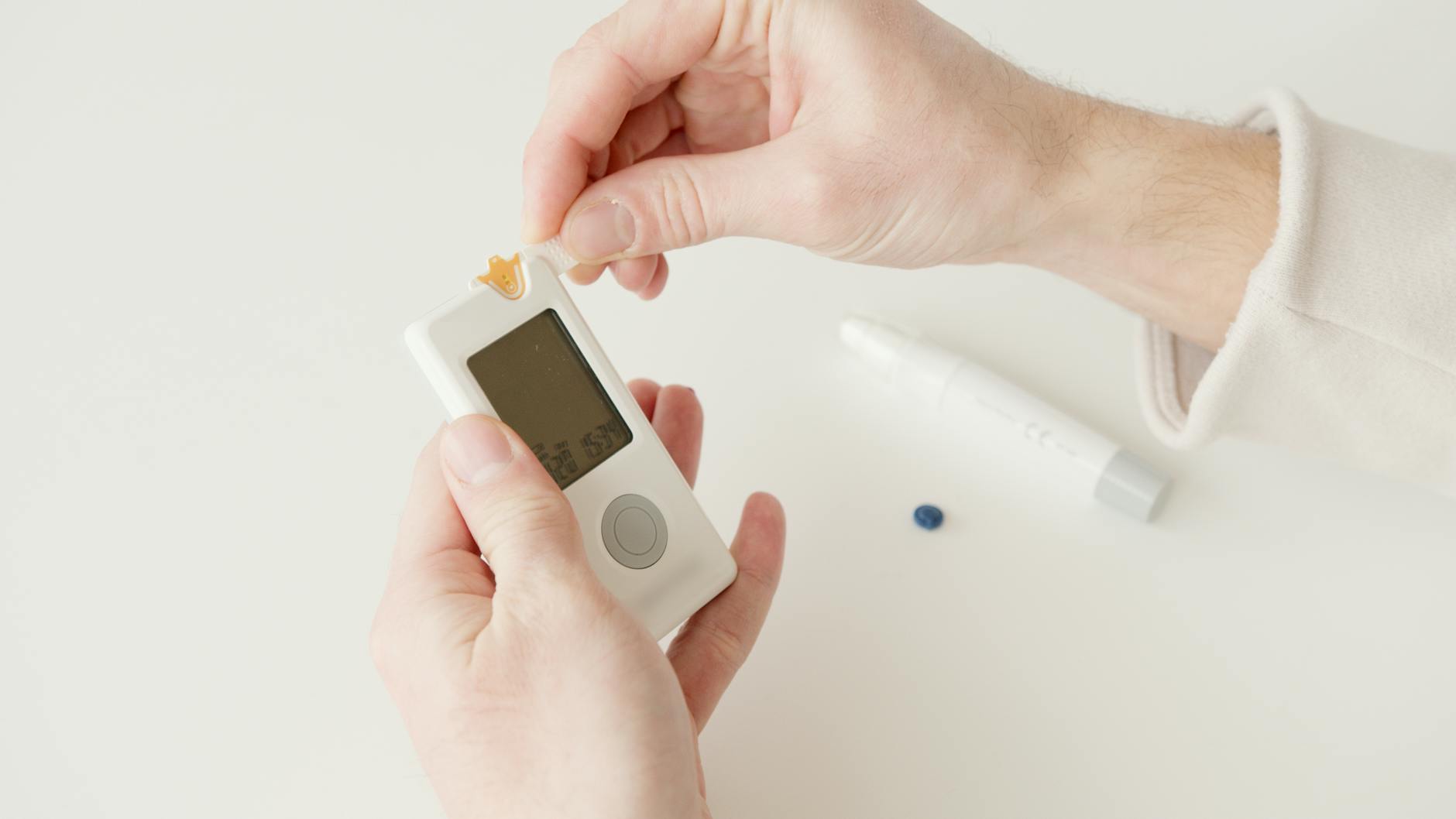
A CBC (Complete Blood Count) test measures three main cell types in your blood—red blood cells, white blood cells, and platelets—to establish a baseline before Accutane treatment. Doctors need these numbers because Accutane can alter blood cell production and function, potentially causing anemia, infections, or bleeding problems if your baseline is already compromised. For example, if you start Accutane with borderline-low red blood cells, the medication might push you into clinical anemia, causing fatigue and shortness of breath. This article explains what specific measurements doctors check, why each one matters for Accutane safety, what the results actually mean, and how your baseline shapes your treatment plan.
Table of Contents
- What Specific Blood Cell Counts Does CBC Testing Measure?
- Why Do Doctors Check Red Blood Cells and Hemoglobin Specifically?
- What Does the White Blood Cell Count Tell You Before Starting Accutane?
- How Do Platelet Counts Factor Into Accutane Safety?
- What About the Differential Count—Does It Change Your Accutane Plan?
- What Happens if Your CBC Results Are Abnormal?
- What Monitoring Happens During Treatment—How Does Baseline CBC Matter?
- Conclusion
What Specific Blood Cell Counts Does CBC Testing Measure?
The CBC provides counts for red blood cells (reported as RBC or in hemoglobin/hematocrit), white blood cells (WBC), and platelets. Hemoglobin measures the oxygen-carrying protein in red cells and is typically 13.5–17.5 g/dL for men and 12–15.5 g/dL for women; hematocrit shows the percentage of blood made up of red cells, usually 38–50% for men and 35–45% for women. White blood cell count normally ranges 4,500–11,000 per microliter and indicates immune function.
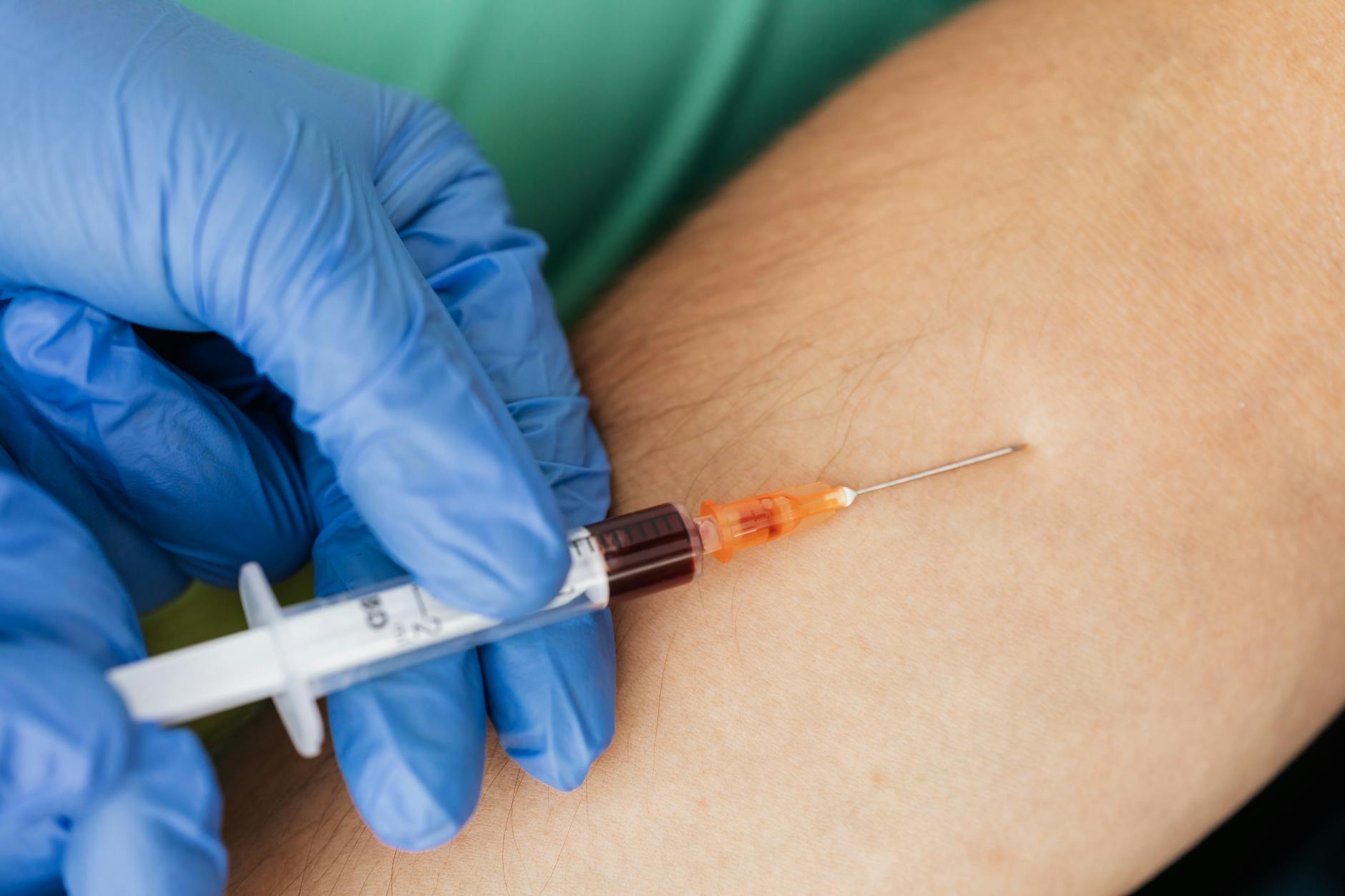
Platelets, which range 150,000–400,000 per microliter, are essential for blood clotting and wound healing. Accutane metabolizes in the liver and can suppress blood cell production in the bone marrow, making your baseline CBC critical. A patient with hemoglobin of 13.5 g/dL (low-normal) might develop symptomatic anemia during Accutane treatment, while someone starting at 15 g/dL has more buffer. Similarly, if your WBC is already low-normal, Accutane could tip you toward immunosuppression—the medication can increase infection risk in susceptible patients, which is rare but serious.
Why Do Doctors Check Red Blood Cells and Hemoglobin Specifically?
Red cells carry oxygen throughout your body, and Accutane can reduce their production or lifespan. Pre-treatment hemoglobin and hematocrit tell your dermatologist whether you’re starting with a full tank or already running low; this shapes the monthly monitoring plan.
For instance, a patient with baseline hemoglobin of 14 g/dL gets a standard follow-up schedule, but someone with 12.5 g/dL (mildly low) might need more frequent checks or a lower cumulative dose to stay safe. However, if your baseline CBC shows anemia (hemoglobin <12 g/dL in women, <13.5 in men), your dermatologist may delay Accutane and send you to your primary care doctor to investigate why—anemia from iron deficiency, B12 deficiency, or chronic disease must be treated first. Starting Accutane while anemic significantly increases the risk of severe fatigue, headaches, and potential cardiac stress, especially during a course that lasts 4–6 months.
What Does the White Blood Cell Count Tell You Before Starting Accutane?
White blood cells fight infection, and a normal WBC means your immune system is functioning adequately to handle the minor infections that might occur during treatment. Accutane can impair some aspects of immune response, so dermatologists need to confirm you’re not already immunocompromised. A patient with WBC of 7,000 per microliter (middle of normal) can tolerate Accutane’s immune effects relatively well.
A low WBC at baseline (below 4,500, or leukopenia) is a red flag. It might indicate an underlying blood disorder, autoimmune condition, or previous chemotherapy, any of which makes Accutane riskier. For example, someone with lupus or rheumatoid arthritis causing mild leukopenia would need careful evaluation—potentially a rheumatologist’s input—before a dermatologist agrees to prescribe. If your WBC is slightly depressed, some doctors will order additional testing (like a differential count or reticulocyte count) to understand the cause before clearing you.
How Do Platelet Counts Factor Into Accutane Safety?
Platelets are your body’s first responders to bleeding—they clump together to form clots and seal minor cuts. Accutane doesn’t typically cause thrombocytopenia (low platelets), but a baseline count is essential because you need adequate clotting function during a 4–6 month course. If you start with platelets of 200,000 per microliter (normal-low) and Accutane slightly reduces them to 150,000, you’re still safe, but you’re closer to the threshold where bruising and spontaneous bleeding can occur.
The practical concern is this: if your baseline shows low platelets (below 150,000), your dermatologist will investigate why. Causes like immune thrombocytopenia (ITP) or bone marrow disorders make Accutane contraindicated—the medication could worsen clotting problems and lead to bleeding gums, nosebleeds, or GI bleeding. A patient with platelets of 180,000 (just below normal) might still be cleared but would need monthly monitoring rather than the standard three-month checks.
What About the Differential Count—Does It Change Your Accutane Plan?
The CBC can include a differential count, which breaks down white cells into neutrophils (infection fighters), lymphocytes (immune response), monocytes (larger scavengers), eosinophils (allergy/parasite defense), and basophils (rare). A normal differential is roughly 50–70% neutrophils, 20–40% lymphocytes, and small percentages of the others. Accutane’s main effect is a potential drop in neutrophils, which increases infection risk if severe.
However, a mild differential shift (e.g., neutrophils dropping from 65% to 55%) rarely stops treatment. Doctors worry more about absolute numbers—a neutrophil count below 1,500 per microliter is concerning. If your baseline differential is skewed (e.g., very low lymphocytes from HIV or cancer treatment), your dermatologist needs to know before dosing Accutane. A patient on immunosuppressive therapy for transplant or autoimmune disease might not be cleared for Accutane at all, or would need coordination with their primary team to ensure the combination is safe.

What Happens if Your CBC Results Are Abnormal?
If the baseline CBC shows anemia, leukopenia, or thrombocytopenia, your dermatologist will usually refer you back to your primary care doctor before issuing an Accutane prescription. For example, if your hemoglobin is 11.5 g/dL, the doctor might order iron studies, B12 level, and thyroid function to rule out correctable causes. Some abnormalities (like mild iron deficiency) can be treated—you’d start an iron supplement, retest in 4–6 weeks, and then proceed with Accutane once your hemoglobin improves.
Other abnormalities require more caution. A patient with hematocrit of 32% (notably low) might not be a candidate for Accutane at all, or would need specialist input—for instance, if the low hematocrit is due to chronic kidney disease, Accutane’s effects on kidney function make it risky. The baseline CBC isn’t just a check-box; it’s a diagnostic tool that can uncover previously unknown health issues.
What Monitoring Happens During Treatment—How Does Baseline CBC Matter?
Your baseline CBC becomes the reference point for all future tests during Accutane. Monthly blood work is standard, and monthly CBCs are ordered to catch any decline in cell counts early. If your baseline hemoglobin was 14.5 g/dL and month two shows 14.0, that’s expected variation.
But if month three drops to 13.0, your doctor might lower your dose or increase monitoring frequency because a consistent downward trend could lead to symptomatic anemia. Patients with baseline values already on the lower end of normal get flagged automatically for closer scrutiny. A starting hemoglobin of 13 g/dL versus 15 g/dL changes the risk calculus—the first patient can only drop about 1 g/dL before treatment might need adjustment, while the second has more margin. Understanding your baseline empowers you to recognize changes and report concerning symptoms (extreme fatigue, persistent shortness of breath, unusual bruising) before they become dangerous.
Conclusion
CBC testing before Accutane establishes your baseline red blood cells, white blood cells, and platelets—the three core measurements that predict how your bone marrow and immune system will tolerate one of dermatology’s most powerful medications. Abnormal values can delay treatment while the underlying cause is investigated, or in some cases, indicate Accutane isn’t safe for you.
Most patients with normal baseline CBCs proceed smoothly, but those with borderline or low values get individualized monitoring plans that reflect their specific risk. If your CBC shows any abnormalities, don’t panic—many are easily corrected, and your dermatologist will work with your primary care doctor to ensure you’re truly ready for Accutane before starting. Ask for a copy of your baseline results so you can track the numbers throughout your course and understand what monthly follow-up tests are looking for.