
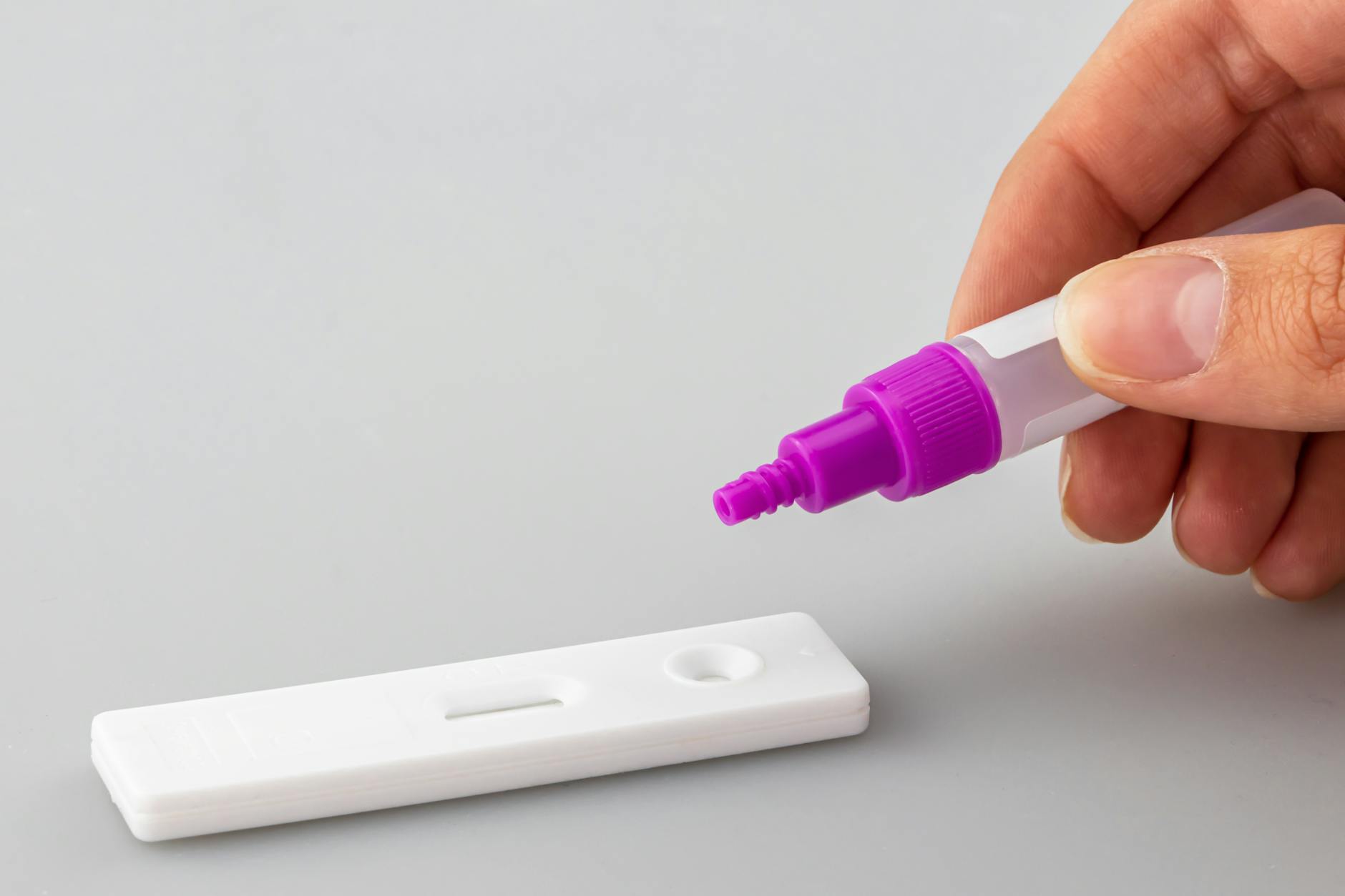
Cortisol AM testing is a validated tool for diagnosing adrenal insufficiency, but the evidence that it helps specifically diagnose acne caused by adrenal dysfunction is surprisingly weak. While many acne sufferers and alternative health practitioners believe elevated cortisol triggers breakouts, clinical research consistently shows that cortisol levels in acne patients are comparable to those in people without acne—meaning cortisol testing alone cannot reliably identify the hormonal cause of your breakouts. If you’ve heard that morning cortisol levels explain your acne, you deserve to know what the research actually shows versus what has become common assumption in the acne community. This article separates the validated science of cortisol testing from the overstated claims about its role in acne diagnosis.
The confusion is understandable. Cortisol is a powerful hormone that affects inflammation, immune function, and skin health. Getting your cortisol tested feels like a logical step when acne persists despite conventional treatments. However, a 1978 clinical study found that cortisol values in acne patients matched normal control subjects, and a 2023 meta-analysis confirmed that while some women with acne show higher cortisol levels, the evidence base remains limited and cortisol is likely not the primary cause of most acne. This distinction matters: cortisol testing has its place in health diagnosis, but looking to it as the solution to acne is likely to disappoint.
Table of Contents
- What Does Morning Cortisol Testing Actually Measure?
- The Limited Evidence Linking Cortisol to Acne Diagnosis
- Why the Cortisol-Acne Connection Became Popular
- When Cortisol AM Testing Actually Makes Sense for Acne Patients
- The Real Limitations of Using Cortisol Testing for Acne Diagnosis
- Alternative Testing for Hormonal Acne
- The Future of Acne Diagnosis and Hormonal Assessment
- Conclusion
What Does Morning Cortisol Testing Actually Measure?
Morning cortisol testing measures your body’s baseline cortisol production at the start of the day, which reflects how well your adrenal glands are functioning. The test specifically looks for adrenal insufficiency—a condition where the adrenal glands don’t produce enough cortisol to meet your body’s needs. A diagnostic threshold of 332 nmol/L (about 12 µg/dL) serum cortisol has 100% specificity and 73% sensitivity for determining adequate adrenal function, according to 2025 research. This means if your morning cortisol clears this threshold, you almost certainly don’t have adrenal insufficiency.
An alternative threshold of approximately 301 nmol/L (10.9 µg/dL) offers a different accuracy profile—70% sensitivity and 85.5% specificity—meaning some laboratories may use slightly different cutoffs depending on their assay methods. The key point is that morning cortisol testing is well-validated for one specific purpose: identifying whether your adrenal glands are producing adequate cortisol for basic body function. It tells you nothing about whether cortisol is causing your acne. Many people confuse “adrenal dysfunction affects health” with “adrenal dysfunction causes my acne.” While true adrenal insufficiency causes fatigue, weight changes, low blood pressure, and darkening of the skin, acne is not a hallmark symptom. This is an important distinction that dermatologists and endocrinologists make routinely.

The Limited Evidence Linking Cortisol to Acne Diagnosis
A 1978 study comparing cortisol levels in acne patients to healthy controls found that “cortisol basal plasma values and responses to ACTH in patients with acne were similar to normal control values, suggesting that cortisol itself may not be the primary adrenal factor associated with idiopathic acne.” Nearly five decades later, a 2023 meta-analysis reached a similar conclusion: while women with acne sometimes show higher cortisol compared to controls, the evidence base is limited and cortisol is likely not the primary cause of most acne. The practical implication is clear: even if someone with acne has slightly elevated morning cortisol, that elevation is probably not causing the breakouts.
Cortisol does influence skin inflammation and immune function, which is why chronic stress and sleep deprivation can worsen acne—but that’s different from saying cortisol *dysfunction* (as in clinically high or low levels) is driving acne. The research distinguishes between cortisol’s general effects on skin health and cortisol abnormalities as a diagnosed condition. However, if you have symptoms of true adrenal insufficiency alongside severe, treatment-resistant acne, cortisol testing still makes sense—not to diagnose the acne, but to rule out a separate health issue that might be contributing to overall skin inflammation.
Why the Cortisol-Acne Connection Became Popular
The cortisol-acne link gained traction in functional medicine and wellness communities partly because cortisol genuinely does influence inflammation, immune response, and skin barrier function. Chronic stress and sleep disruption do impair skin health by affecting cortisol rhythms. This created a logical-sounding narrative: if stress hormones affect skin, then measuring those hormones should help diagnose acne. Additionally, acne is often hormonally driven—androgen sensitivity plays a major role in sebum production and follicular plugging.
Practitioners looking for hormonal explanations sometimes test cortisol along with androgens, thyroid function, and insulin levels. When someone feels better after addressing sleep, stress, or lifestyle factors, they may credit “cortisol reduction,” even though improved acne might result from reduced inflammation, better skin care, or other changes rather than specific cortisol normalization. The availability of cortisol testing through direct-to-consumer and functional medicine labs has also normalized the test as a general acne diagnostic tool, despite its limited validation for that purpose. Marketing messaging often emphasizes the “stress-acne connection” in ways that make cortisol testing sound like a logical next step.

When Cortisol AM Testing Actually Makes Sense for Acne Patients
If you have severe acne alongside fatigue, unexplained weight changes, salt cravings, or darkening of the skin, cortisol testing is worth discussing with your doctor—not specifically for acne diagnosis, but to rule out adrenal insufficiency as a complicating factor. True adrenal insufficiency impairs overall health and immune function, which could theoretically worsen acne indirectly. Cortisol testing also matters if you’re experiencing what appears to be treatment-resistant acne combined with symptoms that might suggest hormonal dysregulation—though in that case, testing androgens (testosterone, DHEA-S), thyroid function, and insulin sensitivity would typically be more relevant than cortisol.
Many dermatologists recommend hormonal workup including these panels before testing cortisol. A practical approach: if conventional acne treatments (retinoids, benzoyl peroxide, salicylic acid) aren’t working and you suspect a hormonal component, ask your dermatologist or primary care doctor which tests make sense for your symptoms. Cortisol AM testing might be included, but it shouldn’t be the first or only hormonal test ordered for acne specifically.
The Real Limitations of Using Cortisol Testing for Acne Diagnosis
Morning cortisol testing captures only one snapshot of your cortisol status at one time of day. It doesn’t measure your cortisol response to stress, your circadian rhythm pattern, or your free cortisol levels (which differ from total serum cortisol). Even if morning cortisol were relevant to acne—which research suggests it isn’t—a single AM test would be incomplete. Full adrenal assessment, when clinically indicated, often requires dynamic testing like the ACTH stimulation test or dexamethasone suppression test.
Another limitation: normal cortisol doesn’t rule out other hormonal drivers of acne. Elevated androgens, insulin resistance, or thyroid dysfunction can all trigger acne while cortisol levels remain completely normal. Testing cortisol but ignoring these other hormonal factors is like checking the spark plugs while ignoring a faulty transmission. For acne diagnosis specifically, androgens and insulin are more relevant targets. Finally, be cautious of practitioners who treat slightly elevated morning cortisol as a cause of acne and recommend supplements, lifestyle changes, or medications to “lower cortisol.” While managing chronic stress is always beneficial for overall health, treating a normal-range cortisol level specifically to clear acne is unlikely to produce the desired result, according to available evidence.

Alternative Testing for Hormonal Acne
If you suspect hormonal causes of acne, more specific testing typically comes first. Total testosterone, free testosterone, and DHEA-S (dehydroepiandrosterone sulfate) directly measure the androgens that drive sebum production and follicular keratinization. Thyroid function tests (TSH, free T4) matter because thyroid dysfunction affects skin and sebaceous gland function.
Fasting insulin or an oral glucose tolerance test can identify insulin resistance, which both worsens acne and increases androgen sensitivity. Home salivary cortisone testing offers an alternative if cortisol assessment is genuinely needed—samples can be collected at home and mailed to the laboratory, with accuracy similar to ACTH stimulation testing. However, again, this is most relevant for diagnosing adrenal insufficiency rather than acne specifically.
The Future of Acne Diagnosis and Hormonal Assessment
Modern acne diagnosis is moving away from guessing at hormonal causes and toward more targeted approaches. Direct visualization of skin, assessment of treatment response, and when hormones are suspected, measurement of the specific hormones most implicated in acne pathophysiology (androgens) rather than general stress hormones.
For anyone pursuing hormonal testing to understand their acne, the takeaway is this: cortisol AM testing is a legitimate and validated tool for assessing adrenal function, but it’s not a reliable way to diagnose or explain acne. If acne is your primary concern, androgens and insulin sensitivity offer more direct insight. If you suspect adrenal insufficiency for separate health reasons, cortisol testing absolutely makes sense—just recognize it’s a separate question from acne causation.
Conclusion
Cortisol AM testing is well-validated for diagnosing adrenal insufficiency, with clear diagnostic thresholds that healthcare providers use to assess adrenal function. However, research does not support a strong link between cortisol levels and acne diagnosis specifically. A 1978 study and a 2023 meta-analysis both conclude that cortisol is likely not the primary driver of most acne, even though cortisol influences inflammation and skin health more broadly.
The confusion arises because stress and poor sleep do worsen acne through multiple pathways, but treating a normal cortisol level specifically to clear acne is unlikely to be effective. If you’re dealing with treatment-resistant acne and suspect a hormonal component, talk to your dermatologist about testing androgens, insulin levels, and thyroid function—the hormones most directly implicated in acne pathophysiology. Cortisol testing has a place in your health assessment if you have other symptoms suggesting adrenal insufficiency, but acne alone is not a reason to pursue it. Clear skin usually requires addressing the actual drivers—genetics, androgens, bacteria, inflammation—rather than chasing unrelated hormonal markers.