
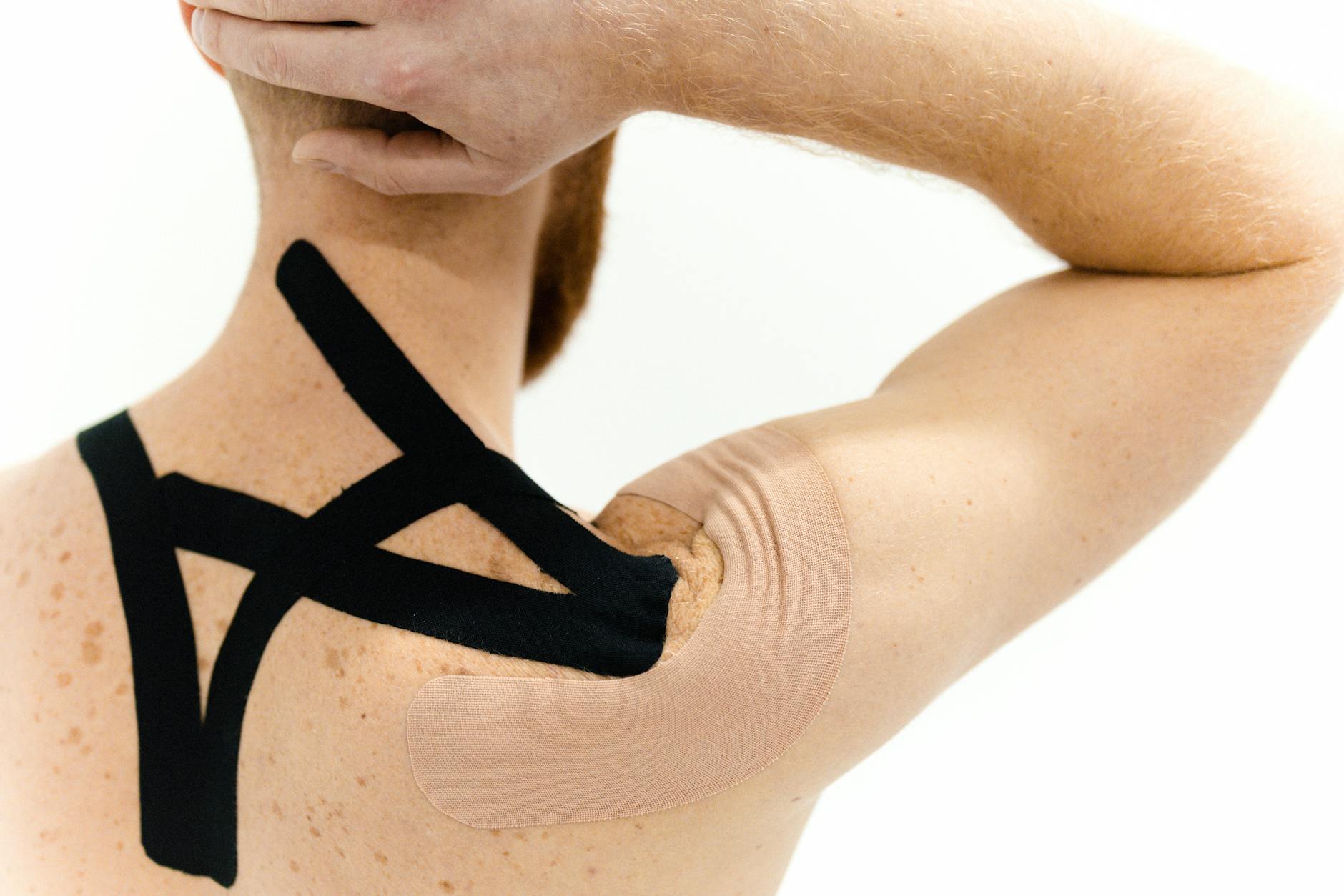
The advantages go beyond just bacterial collection. Tape-stripping can be completed in approximately 30 seconds with consistent results, requires no special skills to perform correctly, and doesn’t leave scars, risk infection, or cause pain—issues that have always plagued skin biopsies. Because the procedure is non-invasive and straightforward, more patients are willing to participate in acne research studies, which means researchers can gather more data and make stronger conclusions about acne causes and treatments. This accessibility has accelerated progress in understanding acne’s underlying mechanisms.
Table of Contents
- Why Tape-Stripping Captures Acne Bacteria Better Than Swabbing
- Detecting Cutibacterium acnes: Why This Anaerobic Bacterium Requires Better Sampling
- The Non-Invasive Advantage: Why Patient Comfort Matters in Acne Research
- Speed and Standardization: How Tape-Stripping Transformed Research Efficiency
- Molecular Profiling Beyond Bacteria: What Tape-Strips Reveal
- Recent Acne Microbiome Research Using Tape-Strip Methods
- The Future of Tape-Strip Technology in Acne Research and Treatment Development
- Conclusion
Why Tape-Stripping Captures Acne Bacteria Better Than Swabbing
The difference between tape-stripping and swabbing comes down to where the bacteria live and how each method reaches them. When researchers use a swab on acne-prone skin, they’re only capturing bacteria from the very surface—the outermost layer that comes into contact with the swab. In contrast, tape-strip analysis pulls samples from both the stratum corneum (the skin’s outer layer) and deeper skin layers beneath it, collecting a much more complete picture of the microbial population. This distinction matters enormously when studying acne because the relevant bacteria don’t just sit on the surface. Research comparing these two techniques directly found that tape-stripping collected a significantly greater number and wider variety of viable bacteria than swabbing.
In one study examining bacterial cultures, the difference was unmistakable: tape-stripping recovered bacterial counts that swabbing alone missed entirely. For acne researchers trying to understand which bacteria contribute to inflammation and infection, this more comprehensive sample means more accurate conclusions about which organisms are actually present on acne-prone skin and in what proportions. However, if researchers need rapid results and can accept lower bacterial recovery, swabbing remains faster and slightly less labor-intensive in processing. The choice between methods depends on research goals—tape-stripping wins when comprehensive bacterial profiling is essential, while swabbing might suffice for preliminary screening. Most serious acne microbiome studies now use tape-stripping as the standard.

Detecting Cutibacterium acnes: Why This Anaerobic Bacterium Requires Better Sampling
Cutibacterium acnes is an anaerobic bacterium, meaning it prefers environments without oxygen and can actually be missed or significantly underrepresented when using sampling methods that expose the sample to air too quickly or don’t penetrate deep enough. This is a critical limitation of surface-only swabbing: these anaerobic acne bacteria can be pushed aside by more surface-tolerant species, making swab results misleading about which organisms are actually driving acne inflammation. Tape-stripping overcomes this limitation by capturing bacteria from the deeper, more oxygen-poor regions of the follicle and skin layers, where C. acnes actually thrives. When researchers analyze tape-stripped samples using next-generation sequencing (NGS)—a molecular technique that identifies bacteria by their genetic signatures—they consistently find higher abundance of Cutibacterium species compared to what swabbing reveals. This isn’t because swabbing is completely ineffective; it’s because swabbing preferentially captures surface-adapted bacteria while missing or underrepresenting the anaerobic species that are central to acne pathology.
For researchers studying why certain patients develop severe acne while others don’t, accurately measuring C. acnes abundance is foundational. The bacteria’s presence correlates with acne severity, and its response to treatments directly indicates whether a therapy is working. One important caveat: tape-stripping does capture some surface bacteria along with the deeper populations, so researchers must account for this mixed population in their analysis. Despite this complexity, the more complete picture that tape-stripping provides—including accurate C. acnes detection—makes it superior for acne research purposes.
The Non-Invasive Advantage: Why Patient Comfort Matters in Acne Research
Traditional skin biopsies have been a cornerstone of dermatological research for decades, but they come with significant barriers. A skin biopsy means removing a small piece of tissue, which causes pain, creates a risk of infection, leaves a scar, and typically requires follow-up care. Patients understandably hesitate to volunteer for a procedure with these consequences, especially for a disease like acne that, while bothersome, isn’t life-threatening. This reluctance to participate has historically limited the size and diversity of acne research studies, which in turn slows progress in understanding and treating the disease. Tape-stripping eliminates these barriers entirely. The procedure is painless—the tape simply adheres to the skin surface and lifts away gently, without any sensation of injury.
There’s no infection risk, no scarring, and no follow-up care needed. Patients can have multiple samples taken from the same or different areas during a single visit if researchers need to study variations across the skin. This ease of participation has directly led to larger study populations, more diverse patient groups, and ultimately more robust research findings. Studies using tape-stripping can recruit more participants and gather more data points because patients are willing to return for follow-up sampling or participate in longer-term studies. The practical result is measurable: research teams can now conduct comprehensive acne microbiome studies that would have been logistically impossible with biopsies alone. A study examining C. acnes subtypes in acne patients or tracking how microbiome composition changes during treatment can include dozens or hundreds of participants, each providing multiple samples over time—something that becomes practical and ethical only with a non-invasive method like tape-stripping.
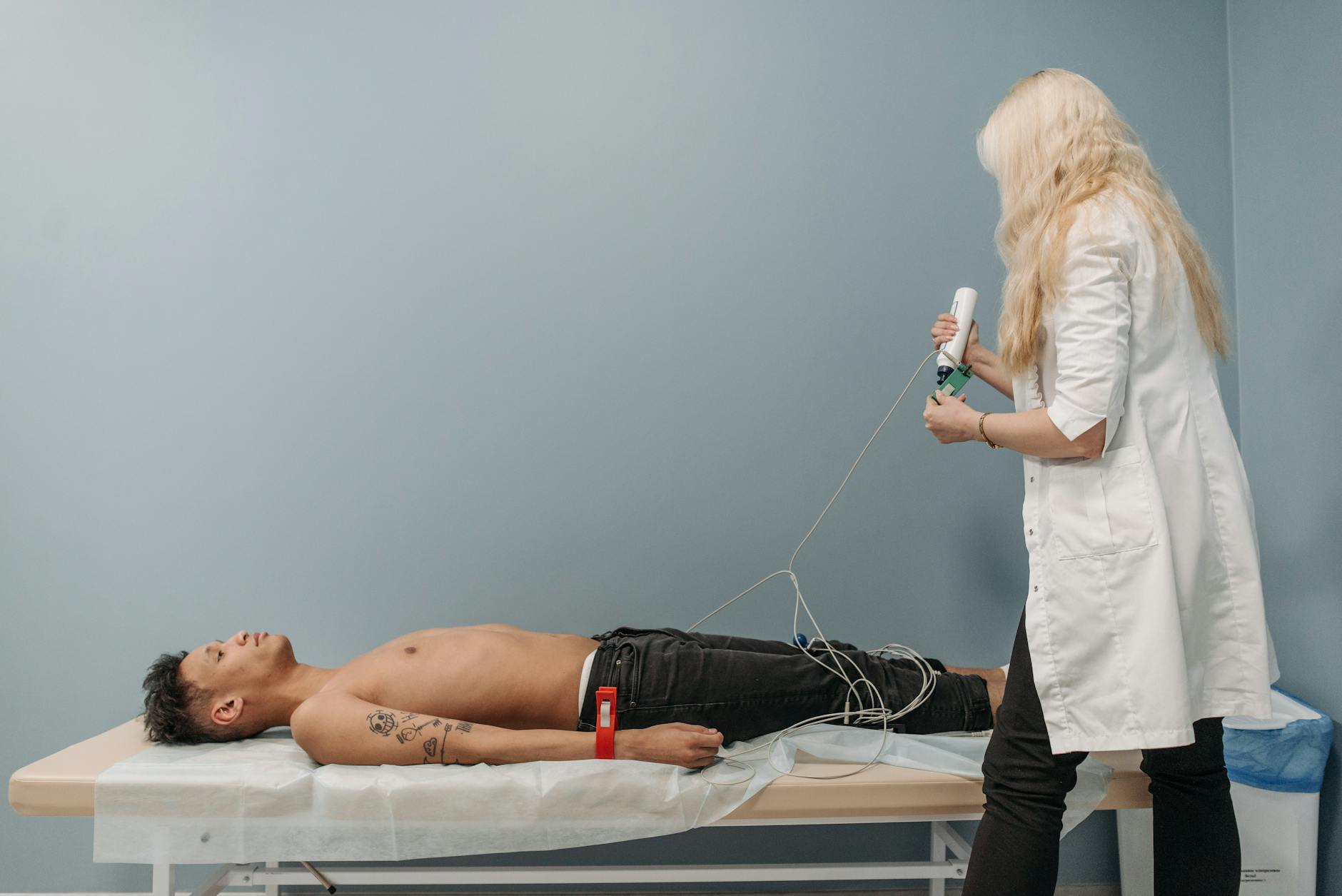
Speed and Standardization: How Tape-Stripping Transformed Research Efficiency
One of the most underappreciated advantages of tape-stripping is speed. Recent standardized protocols allow researchers to complete a complete skin sampling procedure in approximately 30 seconds. This speed isn’t just convenient; it’s scientifically important. When sampling is fast and standardized, results become reproducible and comparable across different research sites and studies. In older methods, variation in how samples were collected—how long the tape was pressed, how hard, the angle of removal—could introduce inconsistency that made it difficult to compare findings from different labs or even different researchers within the same lab. Modern tape-stripping protocols have eliminated much of this human variation through careful standardization.
The procedure can be performed reliably by any trained researcher, regardless of experience level, and produces consistent results. This standardization means that researchers in different institutions studying similar acne populations can directly compare their findings. The ability to allow multiple samples from the same body site is particularly valuable because it enables researchers to examine micro-scale variation in bacterial communities—whether composition differs between a follicle with active acne and clear skin nearby, for example. However, the speed does create a trade-off: very fast sampling might capture slightly different populations than a slower, more deliberate approach would. Researchers must balance efficiency with thoroughness, which is why protocols are carefully standardized to find the optimal speed-to-quality balance. Once established, these standards become powerful tools for multicenter acne research where consistency across sites is essential for valid conclusions.
Molecular Profiling Beyond Bacteria: What Tape-Strips Reveal
While bacterial identification is the most common use of tape-stripped skin samples, these collections enable far broader analysis. Researchers can use tape-strip samples to examine RNA expression and gene expression within the skin cells themselves—understanding which genes are activated in acne-prone skin and how they change in response to treatment. Protein levels can be measured from tape-strip samples, revealing inflammatory markers and other molecules involved in acne pathology. Researchers can even analyze skin lipids (fats), which are crucial to acne development since excess sebum production contributes to the disease. This molecular capability makes tape-stripping particularly powerful for monitoring whether treatments are actually working at a biological level.
Rather than relying solely on clinical observations like “the acne looks better,” researchers can point to specific biomarkers—changes in C. acnes abundance, reduced expression of inflammatory genes, or altered lipid profiles—that indicate treatment efficacy. This is especially valuable for testing new acne therapies, where identifying which patients will respond well before investing in full clinical trials can accelerate drug development. Tape-stripped samples have become essential for translational research, bridging the gap between laboratory discoveries and real-world patient treatment. One limitation worth noting: molecular profiling from tape-strips requires specialized laboratory equipment and expertise, so not every research facility can perform these analyses. This has created a secondary advantage—samples can be collected at clinical sites and shipped to specialized laboratories for analysis, enabling distributed research networks where large numbers of patients contribute samples that are analyzed centrally.

Recent Acne Microbiome Research Using Tape-Strip Methods
Recent research has doubled down on tape-stripping as the method of choice for understanding acne microbiomes. A 2025 study examined an important practical question: how much does the choice of sampling method affect the research conclusions? By comparing different collection techniques across acne patients, researchers demonstrated that tape-stripping consistently revealed the most comprehensive and accurate picture of skin microbiota variation in acne vulgaris patients. This validation of tape-stripping methodology has essentially settled the question for serious acne researchers—when you want reliable data, tape-stripping is the way to go. Another significant 2023 study used tape-stripped surface materials to identify and analyze different subtypes of Cutibacterium acnes in acne patients.
Because tape-stripping captured sufficient C. acnes bacterial material, researchers could perform detailed genetic analysis that distinguished between different strains of the same species. This level of detail wasn’t practical with older sampling methods. The finding that different C. acnes subtypes may have different roles in acne severity opens new possibilities for personalized treatment—potentially matching patients with therapies based on which bacterial subtypes they harbor.
The Future of Tape-Strip Technology in Acne Research and Treatment Development
As acne research continues to evolve, tape-stripping methodology continues to improve. Emerging techniques are making sample collection even more standardized and enabling faster processing and analysis. The combination of tape-stripping with increasingly sophisticated molecular techniques—like high-resolution sequencing, metabolomic profiling, and protein analysis—is revealing acne as a far more complex disease than previously understood, one involving intricate interactions between the skin microbiome, immune function, and sebaceous gland activity.
These advances are already translating into better treatment strategies. By understanding precisely which bacterial populations and molecular changes characterize acne, researchers can develop targeted therapies that address root causes rather than just symptoms. Whether it’s identifying which patients will respond to specific antibiotics, developing new probiotic treatments for acne, or understanding why some people develop acne while others don’t despite similar bacterial populations, tape-strip analysis is becoming foundational to these discoveries. The non-invasive, rapid, and reproducible nature of the technique ensures that large-scale studies examining these questions remain feasible and ethical.
Conclusion
Skin tape-strip analysis has become the gold standard in acne research because it solves multiple problems simultaneously: it captures acne-causing bacteria more comprehensively than competing methods, it specifically detects the anaerobic C. acnes species that drives acne pathology, and it does all this quickly, painlessly, and non-invasively. The ability to standardize the procedure, collect multiple samples from the same patient, and enable molecular profiling far beyond simple bacterial identification has accelerated progress in understanding acne’s underlying mechanisms and developing better treatments.
For patients interested in acne research and treatment development, understanding the importance of tape-stripping methodology matters because it represents a shift toward more rigorous, patient-friendly science. As acne treatments become increasingly sophisticated and personalized—moving beyond broad-spectrum antibiotics toward targeted therapies based on individual microbiome profiles—the research data supporting these advances comes from techniques like tape-stripping that reliably capture the bacterial reality of acne-prone skin. The next generation of acne treatments is being developed using data from these non-invasive samples.